
If you want to know how to manage stress in BJJ training, you are not alone. Many grapplers find themselves overwhelmed by daily pressures inside and outside the academy. In fact, balancing tough training sessions with work, family, and recovery can be challenging. However, there are effective ways to handle stress and maintain a sustainable BJJ lifestyle.
This guide will help you understand the best methods to prevent burnout, improve performance, and enjoy your journey on the mats. You will find tips on nutrition, sleep, recovery, and mindset—all tailored for Brazilian Jiu-Jitsu athletes.
Why Stress Management Is Essential in BJJ Training
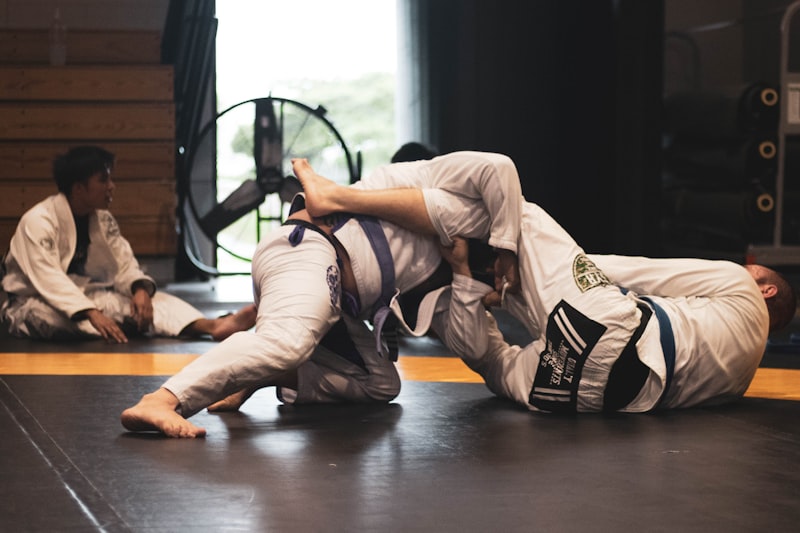
Learning how to manage stress in BJJ training is crucial for both physical and mental well-being. Regular grappling sessions place substantial demands on your body, which can make you more vulnerable to overtraining and injury. In addition, stress does not only come from training itself. Work, school, and family life all add extra mental pressure.
When athletes ignore stress, negative impacts can build up over time. For example, studies show that high stress can weaken the immune system. As a result, recovery becomes slower and injuries take longer to heal. According to the American Psychological Association, chronic stress also increases the risk of anxiety and depression. Veja tambem: Foam Rolling Techniques for BJJ Recovery: Essential Guide for 2026.
Therefore, recognizing sources of stress is the first step. In BJJ, these sources may include performance anxiety, competition pressure, or fear of injury. Knowing your unique triggers will help you create targeted strategies to address them. Veja tambem: Sleep Tips for Optimal BJJ Recovery: Boost Your Performance Fast.
On the other hand, when you manage stress well, you enjoy better focus, improved sleep, and a stronger immune system. This approach allows you to train harder and longer, and you are also less likely to experience burnout. For example, many high-level grapplers build routines around self-care and recovery to stay at their best. Veja tambem: Hydration Strategies for BJJ Athletes: Essential Tips for 2026.
In summary, managing stress helps you excel on and off the mats. It also ensures your BJJ journey remains enjoyable for years to come.
Practical Everyday Stressors in the BJJ Lifestyle
Grapplers often face unique stressors. First, intense training can exhaust both muscles and the mind. In addition, it is common to experience frustration when learning complex techniques. Training with higher belts or preparing for tournaments adds even more stress.
Other issues, such as balancing work or school with BJJ, can make scheduling recovery harder. If you do not address these problems early, your performance may drop or you may get hurt. Therefore, practical stress management is not just a luxury—it’s a necessity for sustainable progress.
Nutrition’s Role in Stress and Recovery for BJJ
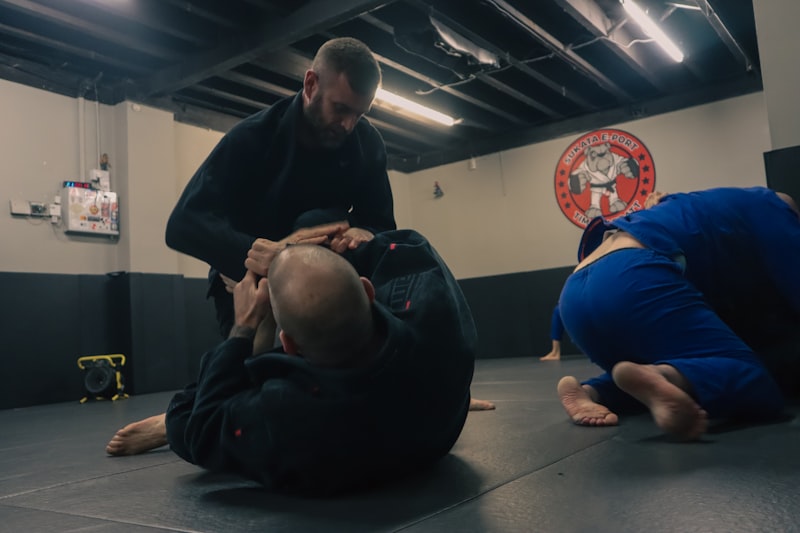
Nutrition plays a direct role in how well you manage stress and recover from training. What you eat can impact mood, energy levels, and your body’s ability to repair itself. In fact, research from the Harvard T.H. Chan School of Public Health shows clear links between diet and stress resilience.
For BJJ athletes, poor nutrition can worsen fatigue and slow down recovery. For example, skipping meals or choosing processed foods often leads to energy crashes during class. On the other hand, eating balanced meals with protein, carbs, and healthy fats can boost focus and stamina.
You should aim to eat small, frequent meals instead of large, heavy ones. In addition, foods high in magnesium (such as leafy greens, nuts, and seeds) support the nervous system and reduce stress. Similarly, complex carbohydrates like oats and brown rice provide steady energy, helping prevent mood swings.
Hydration is also essential. Even mild dehydration can raise cortisol, a stress hormone, which slows recovery. Therefore, bring water to every class and sip it throughout the day. For longer or intense rolls, consider an electrolyte drink to replace lost minerals.
Timing also matters. Try to eat a light snack with protein and carbs 1-2 hours before training. This habit helps manage blood sugar and supports focus during rolling. After training, refuel with a protein-rich meal to kick-start muscle repair.
Whole, nutrient-dense foods are the best choice for grapplers managing stress. In summary, smart nutrition can significantly reduce the physical impact of stress and speed up recovery.
Quality Sleep: The Foundation of Stress Resilience in BJJ
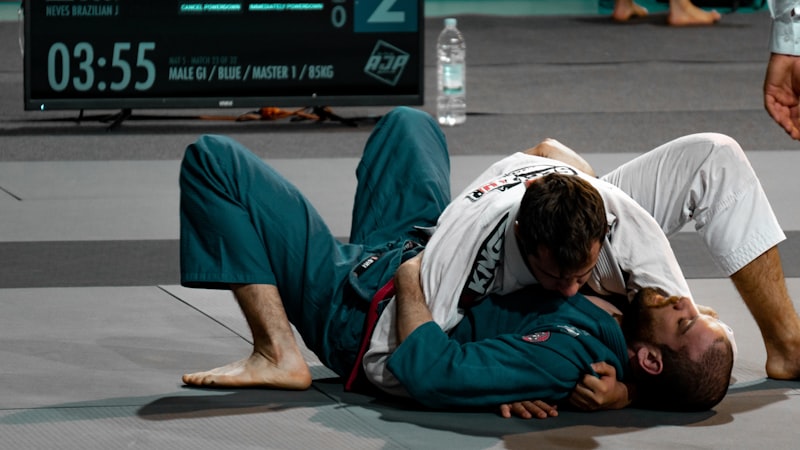
Quality sleep is one of the most powerful, yet often overlooked, tools for stress management in BJJ. Sleep gives your body time to heal, reduces mental fatigue, and regulates hormones that impact both mood and repair. According to the Centers for Disease Control, adults need at least 7-9 hours of sleep each night for optimal health.
Missing sleep increases cortisol, which worsens both stress and inflammation. Because of this, grapplers who skip rest days and sleep late often find themselves tired, moody, or struggling to keep up in class. In fact, a study published in Sports Medicine in 2026 confirmed that athletes with irregular sleep schedules had higher injury rates and lower performance.
To improve sleep quality, start with a simple, consistent schedule. Go to bed and wake up at the same time each day—even on weekends. Turn off bright screens at least one hour before sleeping. Blue light from phones and computers interferes with melatonin, the hormone that tells your body it is time to rest.
Create a sleep-friendly space. Keep your room cool, quiet, and dark. If background noise is a problem, use a white noise machine or fan. In addition, avoid heavy meals and caffeine within four hours of bedtime.
Some grapplers find short relaxation routines before bed helpful. For example, try deep breathing, gentle stretching, or reading a book. These habits signal your body that it is time to wind down.
Regular, restful sleep will help you bounce back faster from tough training sessions. In addition, you will feel more clear-headed and handle everyday stress with ease.
Recovery Routines and Mindset Shifts for Sustainable BJJ Progress
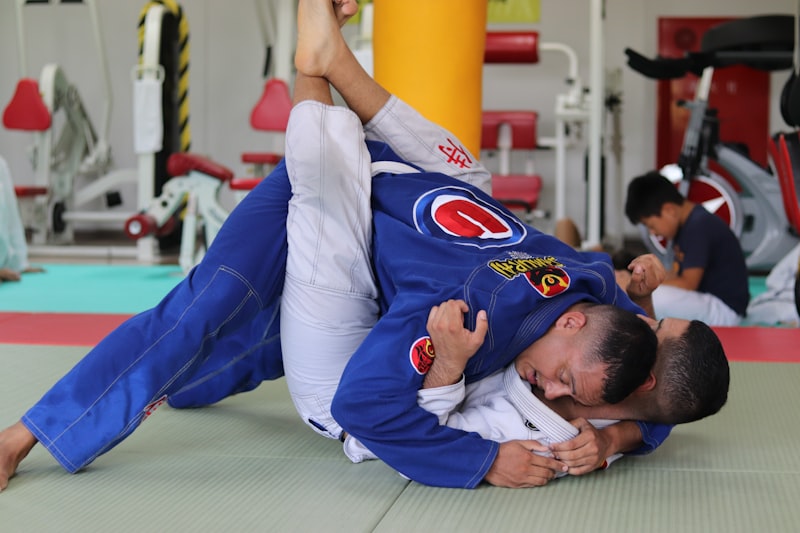
Effective recovery routines and positive mindset strategies are vital tools for managing everyday stress in BJJ. Balancing tough training with self-care helps reduce injury risk and keeps the sport enjoyable. In fact, most successful grapplers make recovery a key part of their weekly habits.
Active recovery is one popular approach. After intense classes, try low-impact exercises such as swimming, cycling, or walking. These activities improve circulation and flush out waste products, speeding up tissue repair. In addition, gentle yoga or targeted stretching loosens tight muscles and calms the mind.
Rest days are just as important as training days. In fact, scheduling at least one full day off each week gives your body the break it needs to rebuild stronger. Use this time for hobbies, family time, or relaxing activities. This break can help prevent mental burnout as well.
Bodywork, like sports massage or foam rolling, can ease muscle soreness and improve mobility. Some grapplers also use hot/cold therapy—such as contrast showers or ice packs—to manage inflammation and pain.
Beyond physical recovery, mindset work plays a huge role in stress management. Practice self-compassion when you make mistakes in class. Instead of negative self-talk, try reframing losses or tough rolls as learning opportunities. Many top athletes use short mindfulness sessions each day to increase focus and reduce anxiety.
Journaling is another powerful tool. Write down your training wins and challenges each week. This reflection helps track progress and spot sources of stress early. In addition, setting small, realistic goals keeps you motivated and takes pressure off big results.
Finally, if stress ever feels overwhelming, talk openly with your coach, teammates, or a mental health professional. Sharing these concerns often leads to valuable advice and support.
Conclusion
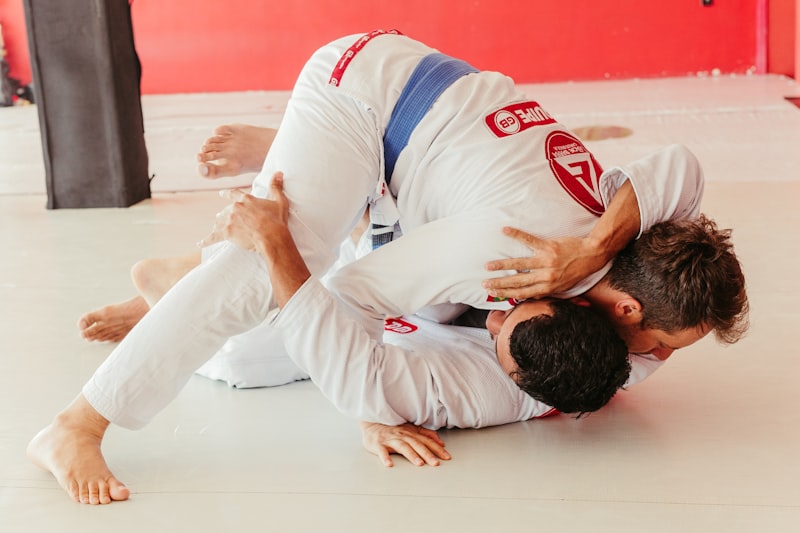
Managing stress in BJJ training takes effort, but it is essential for long-term success and enjoyment on the mats. Nutrient-dense meals, proper hydration, and quality sleep support both body and mind. In addition, consistent recovery routines and a positive mindset help you bounce back from tough training and prevent burnout.
Remember, BJJ is a marathon, not a sprint. By using these practical tips, you will see progress while keeping balance in your daily life. For more information on recovery, nutrition, and lifestyle for grapplers, check out trusted sites like the Harvard Health Blog for up-to-date research.
Start making small changes today. Your body—and your jiu-jitsu—will thank you.