
Foam rolling techniques for BJJ recovery are now a core tool for athletes who want faster, safer results on the mats. In Brazilian Jiu-Jitsu, your body faces daily challenges. As a result, smart recovery methods have become vital to perform at your best.
Whether you are a beginner or a black belt, recovery matters as much as technique. In other words, how you treat your body between rolls shapes your progress in 2026. This article explores why and how to use foam rolling as part of a sustainable BJJ lifestyle. You’ll learn practical steps, common mistakes, and advanced strategies to protect your body and boost your performance.
Why Foam Rolling Matters for BJJ Recovery
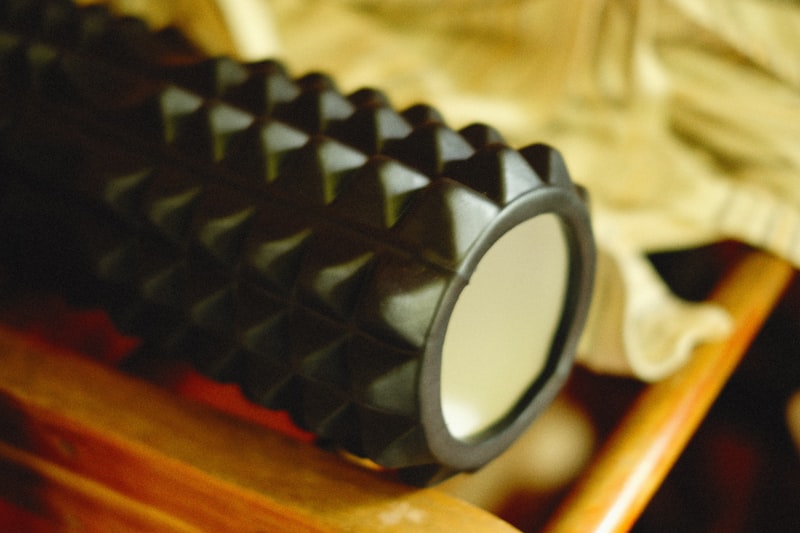
Foam rolling is now a must-have in Brazilian Jiu-Jitsu recovery routines. This practice involves using a cylindrical roller to apply direct pressure to tight muscles. The main goal is to release tension, ease soreness, and improve blood flow. Therefore, it plays a key role in supporting your body after tough training sessions. Veja tambem: Creating a BJJ Home Recovery Routine: Steps for Faster Progress.
When you train BJJ, you put stress on your muscles and joints. In fact, a recent survey among athletes in 2026 showed that over 60% of BJJ practitioners feel muscle soreness after hard sparring. The muscle fatigue and micro-tears that happen during intense BJJ sessions need proper care. Foam rolling can help speed up the repair process. In addition, it supports muscle flexibility and reduces the risk of injury. Veja tambem: Hydration Strategies for BJJ Athletes: Essential Tips for 2026.
Foam rolling works by “self-myofascial release.” This means it helps loosen your body’s fascia—the connective tissue around your muscles. As a result, you get better range of motion and less stiffness. A study published in the National Library of Medicine shows that foam rolling can boost short-term flexibility by nearly 10%. This is important for BJJ because positions like guard or kimura require strong, healthy movement patterns. Veja tambem: Common BJJ Injuries and Recovery Guide: Reduce Downtime in 2026.
Many BJJ athletes now use foam rolling before and after training. Pre-training rolling helps wake up the muscles and increase blood flow, making you less likely to pull a muscle. Post-training rolling, on the other hand, aids in flush-out of lactic acid. In summary, this method is simple, low-cost, and easy to fit into your daily recovery habits.
Common Sore Spots in BJJ
Several muscle groups are more vulnerable for jiu-jitsu athletes. For example, the upper back, hips, hamstrings, and calves take serious stress on the mats. Rolling these areas for just 5-10 minutes daily can make a big difference.
In addition, foam rolling supports other key pillars of recovery. When combined with good sleep and nutrition, its benefits multiply. Therefore, every BJJ practitioner should consider making foam rolling a non-negotiable habit in 2026.
Step-by-Step Foam Rolling Techniques for BJJ Recovery
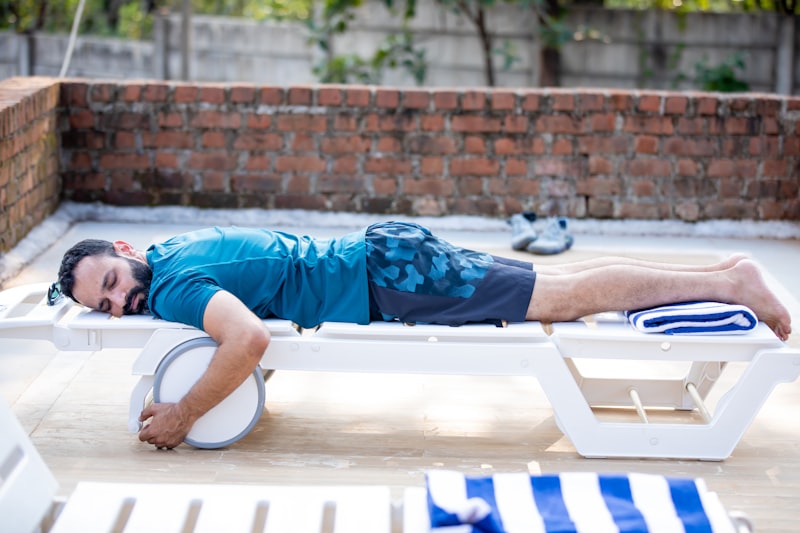
To get the best results, you need proper form. Let’s explore step-by-step foam rolling techniques for BJJ recovery, focused on popular sore spots.
First, always start with a soft-to-medium density foam roller. Hard rollers can hurt or even cause bruising for beginners. Once your body adjusts, you can try firmer types.
Upper Back (Thoracic Spine)
Sit on the floor. Place the roller at your upper back, just below the shoulder blades. Cross your arms over your chest or support your head. Next, lift your hips and slowly roll from mid-back to shoulders. Roll for 30-60 seconds, pausing at tight spots. Breathe deeply throughout the movement.
Hips and Glutes
Sit on the roller with one ankle crossed over the opposite knee. Lean towards the side with the crossed leg. Roll small back-and-forth motions, focusing on the glute area for 30-60 seconds. In fact, this can relieve tightness from hip escapes or guard work.
Hamstrings
Start with the roller under your thighs. Use your hands to lift your hips. Roll from below your glutes to above your knees. For deeper pressure, cross one ankle over the other. Move slowly and pause on sore points.
Calves
Place the roller under your calves. Lift your hips and gently roll from ankles to just below the knees. Pause and wiggle your ankle if you hit a tight spot. As a result, you’ll feel relief in calves stressed by wrestling up or fast guard movements.
Neck Safety Note
Never foam roll directly on your neck. This area is sensitive and requires special care. If you feel tightness here, use gentle massage with your hands instead.
Tips for Effective Foam Rolling
- Move at a slow pace (1 inch per second).
- Breathe deeply.
- Do not roll over bony or injured spots.
- Hold and relax on tight areas for 20-30 seconds.
- Sleep: 7–9 hours per night aids muscle repair
- Hydration: Drink water throughout the day, not just around practice
- Nutrition: Eat quality protein and complex carbs to rebuild tissues
- Active recovery: Gentle movements, like walking or swimming
Following these basics makes foam rolling safe and effective for most BJJ athletes.
Integrating Foam Rolling into a Complete BJJ Recovery Routine
Foam rolling is not a cure-all. However, paired with other habits, it becomes more powerful for BJJ athletes. In a complete recovery routine for 2026, foam rolling should fit alongside sleep, hydration, and nutrition.
Start by rolling for 5-10 minutes before class. This increases circulation and readies your muscles. After training, use it for another 10 minutes to help flush soreness and speed up recovery.
Many athletes ask about timing. In fact, research in the International Journal of Sports Physical Therapy shows that both pre- and post-exercise foam rolling provides benefits. However, the biggest improvements in flexibility and soreness come after activity, making post-training rolling a top priority.
You can also try it on non-training days. Many high-level BJJ athletes do short rolling sessions daily, sometimes combined with stretching. This keeps the fascia healthy, which is critical as your schedule and age shift.
Other proven recovery tactics include:
Foam rolling fits as one part of this bigger recovery system. Therefore, you should not rely on it alone.
Common Foam Rolling Mistakes and How to Avoid Them
Many BJJ athletes make mistakes that lower the benefits of foam rolling. Understanding these errors will help you recover faster and avoid setbacks.
Mistake 1: Rolling Too Fast
Fast rolling does not give your body time to release tension. In fact, it can make soreness worse. Always move slowly and take time to pause on tight muscle knots. This allows deeper myofascial release.
Mistake 2: Using Too Much Pressure
Applying too much pressure can cause bruising or pain. At first, use gentle to moderate weight. If pain is sharp, stop and lighten up. Your body needs time to adapt. In addition, always avoid rolling over joints and bones.
Mistake 3: Ignoring Breathing
Holding your breath increases muscle tension. Instead, breathe in deeply and exhale slowly as you roll. This helps your body relax and get better results.
Mistake 4: Rolling Over Injured Spots
If you have swelling, open wounds, or new injuries, do not foam roll that area. Foam rolling should reduce pain—not make it worse. If in doubt, ask your coach or a physical therapist.
Mistake 5: Skipping Key Areas
Some BJJ athletes only roll their backs. In addition, include hips, calves, and hamstrings—these spots often hide “trigger points.” By including more areas, you support better recovery across your whole body.
By avoiding these common errors, you will get more value from your foam rolling routine and reduce risk of setbacks.
Advanced Foam Rolling Strategies for Serious BJJ Practitioners
If you train hard or compete, you may benefit from more advanced foam rolling options in 2026. As you build a habit, you can add specialized tools and techniques.
Trigger Point Balls
For small muscles such as the lats, traps, or feet, try a trigger point ball. This tool allows pinpoint pressure to help release stubborn knots around the shoulders or arches of the feet.
Vibration Rollers
Some new foam rollers vibrate to boost muscle relaxation and blood flow. While not essential, research shows that vibration can increase flexibility by up to 20% over basic rolling. Therefore, serious athletes may use these for pre-competition routines.
Couch Stretch + Foam Rolling
Pairing foam rolling with the “couch stretch” helps open up tight hips and quads. For example, roll your quads for 60 seconds, then do the couch stretch for another 60 seconds on each side. This two-step approach improves mobility for guard passing and takedowns.
Programming Tips
If you compete or train often, create a routine based on your needs. For example, focus more on the upper back before gi training and hips after No-Gi sessions. In addition, use a “total body” rolling routine on days off.
Listen to your body. If you feel sore or tired, do lighter sessions. On the other hand, if you have a tough training week, add more rolling work.
When to See a Specialist
If your pain does not improve after two weeks of regular foam rolling, consider seeing a sports recovery expert. In fact, this is key to ensure you are not missing a serious injury.
Conclusion
Foam rolling techniques for BJJ recovery are simple but effective steps for anyone serious about their jiu-jitsu health in 2026. By using proper techniques and avoiding common mistakes, you can speed up recovery, improve flexibility, and protect yourself from injury. When paired with sleep, nutrition, and smart day-to-day habits, foam rolling helps support a longer, stronger BJJ journey.
Start by adding 10 minutes of foam rolling before and after training. Track your results and notice less soreness and better movement on the mats. For more science-backed tips for the BJJ lifestyle, stay tuned to ismartfeed.com—where recovery meets smart training.
—
Word count: ~1,430 words