
Many students make common beginner mistakes in applying submissions when starting their journey in grappling or mixed martial arts. These mistakes often cause missed finishes, wasted energy, and escape opportunities for opponents. Knowing these errors is the first step toward safer, more effective armlocks, chokes, leg locks, and submission sequences.
Submissions are not just about “squeezing” or “pulling hard.” The process needs details, timing, body mechanics, and control. Therefore, understanding what goes wrong helps you build better habits on the mat.
This guide will focus on the most frequent errors when applying finishing holds. We will use clear examples from the world of armlocks, chokes, leg locks, and transitions from dominant positions. Each section will show what happens, why it matters, and how you can fix these issues.
Most Common Beginner Mistakes in Applying Submissions
Submissions are a core skill in Brazilian jiu-jitsu, MMA, and other combat sports. However, new practitioners often repeat some common errors when trying to finish with armlocks, chokes, or leg locks. Veja tambem: Guide to Leg Lock Submission Techniques: Essential Tips and Dominant Finishes.
First, many rush the process. Instead of controlling position, they go straight for the tap. For example, when attempting an armbar from mount, beginners often forget to pinch their knees or control the wrist. As a result, the opponent pulls their arm out and escapes. Veja tambem: Effective Ways to Counter Popular Submission Attacks in Grappling.
Besides rushing, beginners tend to use muscle instead of technique. Imagine someone trying to finish a rear-naked choke by just squeezing as hard as they can, rather than placing their arms in the right spot. Therefore, the choke rarely finishes, and both burn out their arms.
Another error is ignoring the importance of tightness and pressure. Proper submissions require your limbs to glue to the opponent’s body. In fact, loose submissions rarely work, even against less skilled peers. For example, not keeping your hips close during an armbar gives your opponent space to move or turn out.
Not breaking posture and alignment is a related problem. For chokes or joint locks, you must control the opponent’s structure before attacking. Skipping this step lets them defend easily. For instance, on a triangle choke, failing to control posture and the trapped arm makes the submission much less effective.
Finally, transitioning too early or abandoning submissions to chase another without proper setup leads to missed chances. Beginners often panic and switch attacks before fully locking in the first move.
These mistakes cut across ranks but are very common in the first year. Improving your awareness saves you time and frustration. Therefore, it’s key to focus on details in each step—grips, pressure, angles, and body connection—especially in dominant positions like mount, back, or side control.
Practical Example: The Light Armbar
A basic armbar from guard is a classic submission in BJJ. Still, many beginners miss it for several reasons.
For example, if you don’t control your opponent’s posture and grip their arm tight to your chest, they can pull out. If you do not pinch your knees and curl your hips close, space opens and the arm escapes. On the other hand, applying slow, steady pressure and focusing on all the small details can mean the difference between a missed opportunity and a successful finish.
The Role of Position and Control in Submissions

One of the most overlooked concepts by beginners is position before submission. This is more than a popular saying; it shapes outcomes on the mat. If you don’t first secure a dominant position—such as mount, back, or proper control from guard—your submissions lose potency.
Many new grapplers, excited to show what they’re learning, go for armlocks or chokes while their own posture is weak. As a result, they get swept or reversed. For example, when attacking an Americana from side control, beginners who don’t shift their weight properly may lose the position, letting the opponent roll them over.
In addition, effective submissions almost always depend on tight body contact and limiting your opponent’s movement. If you apply a triangle choke with loose legs or with your opponent’s arm not across their neck, they will likely posture up and escape. The same applies to foot locks—without proper leg entanglement, your opponent twists free.
Jiu-jitsu and submission grappling reward patience and precision. Trying to finish a lock while your base is unstable often fails. Better results come when you hold the dominant spot, adjust your grip, and attack only when escape routes are closed. Because of this, coaches stress the value of position before submission.
As you progress, always ask yourself: did I fully isolate the joint, break posture, and prevent counters before going for the tap? For more expert insights, you can read material from elite coaches at Gracie Barra.
Beginners should also understand the role of “connection,” which means always keeping tight to your opponent—gluing your chest, hips, or knees to control their mobility. Proper connection makes your attacks much harder to escape and is a pillar in both gi and no-gi grappling.
Grips, Angles, and Leverage: The Hidden Keys
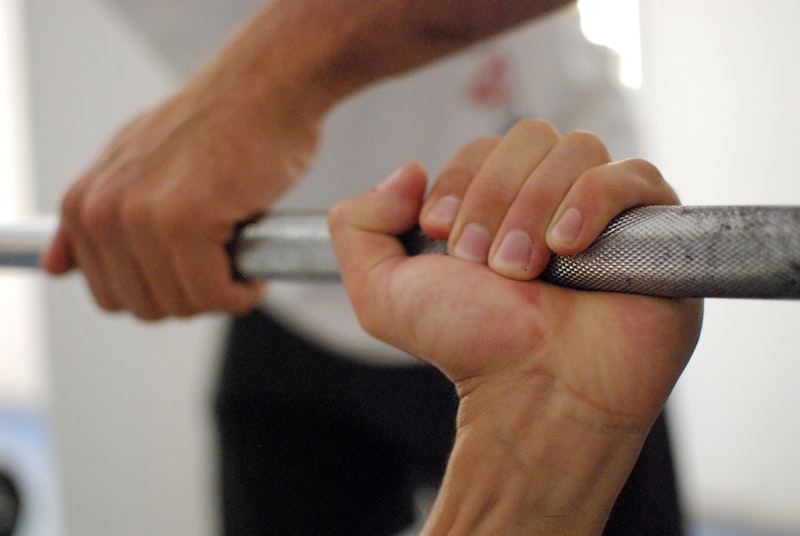
It’s easy to focus just on strength as a new student. However, successful submissions depend more on leverage, correct grips, and body alignment than raw power. Many errors happen because beginners use the wrong grips or poor angles to attack armlocks, chokes, or leg locks.
For instance, when attacking a kimura from guard, your arms should stay close to your body, and your opponent’s wrist and elbow lined up. Beginners often grab too high on the arm or fail to sit up, making the lock weak and easy to defend.
Angles matter for every submission. If your body isn’t in the right line, the pressure won’t go where you need it. For a triangle choke, rotating your hips and getting almost perpendicular boosts pressure. Staying flat on your back often gives your opponent space to survive.
Leverage gives you more power with less effort. When finishing a straight ankle lock, beginners sometimes fail to get the correct angle on the foot and pull in a straight line. Experts, on the other hand, use their hips and whole body, not just their arms, placing more stress on the joint and allowing a faster finish.
Grips should be precise and active. A “lazy” grip can make or break a submission. For example, in an Ezekiel choke from mount, you need to slide your forearm across the neck firmly and lock your wrist behind your own arm. Missing this detail makes the choke ineffective.
Learning to adjust grips and find the best angle comes with practice. Still, paying attention to these details early on builds better habits. Drilling slowly, asking your coach to spot mistakes, and studying high-level demonstrations online can help. For more advanced breakdowns, consider checking resources such as BJJ Fanatics.
Timing, Pressure, and the Art of Finishing
Timing is as crucial as technique in submissions. Many beginners rush their attacks, missing the ideal moment. Submissions often require waiting for your opponent to make a small mistake—such as moving their hand, shifting their hips, or extending a limb. Going too early or too late gives them time to defend.
Besides timing, pressure is what actually finishes submissions—not just speed or brute force. For example, a well-applied collar choke takes only light hand movement but high pressure on the arteries. Many new grapplers try to “muscle” through submissions. As a result, they fatigue quickly and lose position.
One of the best ways to improve your finishing rate is to slow down and focus on gradual squeeze and consistent pressure. For example, when attacking a rear-naked choke, squeeze your elbows together and keep your hands tight, but adjust your grip slowly until the choke “sinks” in.
Beginners also forget to deal with defenses. If your opponent blocks your wrist or pulls at your thumb, switching to another grip or attacking the other side is often needed. Stubbornly forcing a blocked submission wears you out and rarely works against experienced partners.
Another common issue is releasing the submission too early. Beginners sometimes assume an opponent is about to tap, relax the hold, and lose the finish. Instead, keep solid pressure until you feel the actual tap or verbal submission.
Patience and adaptability are key. Learn that submissions are not just fast “moves” but processes—each detail helps close the deal. Training with skilled partners and drilling each submission slowly, with feedback, helps you build this awareness. Over time, you will develop the ability to read your opponent’s reactions and flow between attacks with less effort.
Transitioning Between Submissions: Avoiding Sequences of Mistakes
Submission chains, or linking multiple attacks, are a hallmark of high-level grappling. However, beginners often make mistakes when shifting from one submission to another. They drop grips, lose control, or forget key pressure points, giving opponents easy escapes.
For example, transitioning from an armbar to a triangle is common. Many new students let go of their leg control too soon, allowing the opponent to posture and defend. Similarly, switching from an Americana to a straight arm lock (armbar) requires keeping the opponent’s arm trapped. Failure to do so allows them to pull free.
Good transitions rely on keeping all your points of contact strong. Therefore, as you move from one lock to another, always maintain proper connection and control. Don’t reach too far or sacrifice your base. Remember that each submission should build on the previous control, not reset the situation.
Chaining attacks is also about understanding how defenders move. Most escape attempts open other attacks. For example, if your opponent turns their body to escape an armbar, they may expose their back or neck for a choke. Watching how higher belts flow from one attack to the next teaches you this skill.
In fact, linking submissions without losing control is essential to finishing more often. Therefore, drilling transition sequences during classes and sparring will help you learn which details to keep tight. With time, you’ll become smooth enough that opponents never get a gap to escape.
Conclusion

Beginner mistakes in applying submissions happen to everyone. However, little by little, you can fix them and improve your finishing skills. The main keys include patience, connection, attention to grips and angles, and not rushing the process.
Focus on solid control in each position before going for the tap. Use technique over strength, and always aim for tight contact. In addition, work slowly and ask coaches for feedback on your pressure and positioning. Learn the art of adapting, transitioning, and maintaining control throughout your attacks.
By addressing these common errors, you’ll get more taps, use less energy, and become a more effective grappler in 2026. Ready to level up your submission game? Start applying these lessons on the mat today.