
Learning how to survive rolling as a BJJ beginner is one of the first real challenges you will face on the mats. New students often feel overwhelmed during sparring. The speed, pressure, and skill differences can seem impossible to handle. Saiba mais sobre How to Start BJJ.
However, surviving—and even enjoying—your first sessions is possible with the right mindset and approach. This guide from ismartfeed.com will show you proven tips designed to help white belts and new students in Brazilian Jiu-Jitsu classes. You will learn how to protect yourself, last longer, and slowly build real confidence in live rolling.
Let’s dive into proven techniques, etiquette, mindset shifts, and simple habits used by successful BJJ beginners all over the world. Veja tambem: Must Know Escapes for White Belt BJJ: Essential Beginner Survival.
What Rolling in BJJ Really Is — Why White Belts Struggle
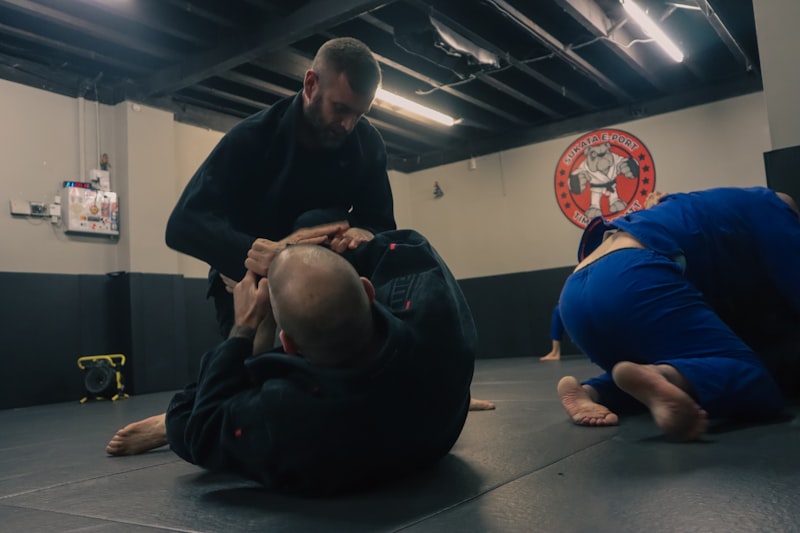
Rolling is the term for live sparring in Brazilian Jiu-Jitsu. This is when you and your partner try to apply your moves in real time, while the other does the same. In BJJ class, the instructor will pair you with others to “roll” for several minutes each round. Veja tambem: White Belt BJJ Competition Tips: A Smart Beginner’s Survival Guide.
For white belts, rolling can be shocking. You may feel lost or outpowered. Often, beginners try to use only strength or panic under pressure. Survival comes down to understanding what this practice demands.
First, rolling is not a street fight. Both partners are learning—not trying to hurt each other. This mindset shift is important. In fact, most upper belts in the gym want to help you, not crush you. Therefore, you do not need to “win” a round to learn something.
Second, technical skills are less important than controlling your breathing and staying relaxed. Most new students forget to breathe steadily or freeze when someone starts to pass their guard. Because of this, you burn out your energy right away. Experienced coaches, such as those at BJJ Fanatics, emphasize this: breathe, relax, and treat rolling as practice, not war.
It’s also important to understand the rules of etiquette. As a white belt, tap early when caught in submissions, communicate with your partner, and avoid using force. Respect the mats, other students, and the general gym code. You will gain much more by surviving rounds with focus than by risking injury or frustration.
Example: A Typical First Roll
Let’s say your first partner is a blue belt. They may move quicker, pressure your upper body, and look for grips. You freeze, hold your breath, and try to push them off with all your strength. After 40 seconds, you feel exhausted and tap out, even if there was no submission.
If you had paused, focused on breathing, and tried to defend calmly, the round could have lasted much longer—and been safer for both. This situation is common for beginners. You can avoid it by following the tips below.
Core Strategies on How to Survive Rolling as a BJJ Beginner
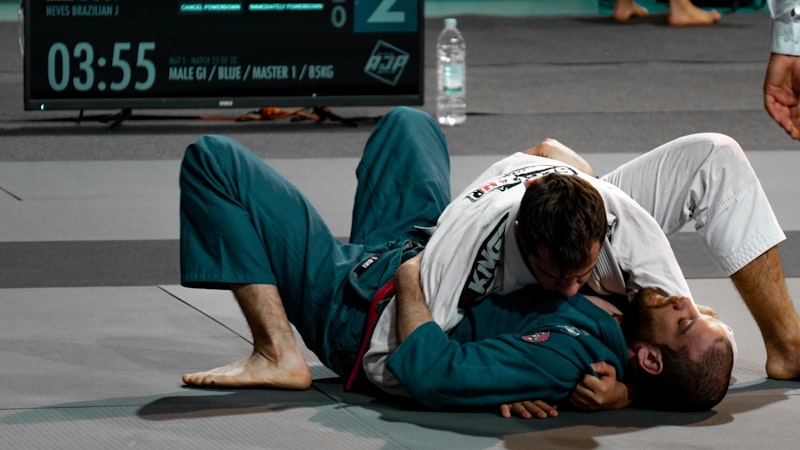
Your main goal as a white belt is to stay safe, conserve energy, and learn from each round. Survival does not mean avoiding all discomfort. Instead, it means handling pressure, staying calm, and getting better with each session.
First, always start with a good warm-up. Warming up reduces injuries and prepares your body and mind. According to a 2026 study from the American College of Sports Medicine, warm-ups cut the risk of minor injuries in martial arts by 40% (ACSM). Jog, do joint rotations, and stretch before you roll.
Second, focus on breathing. Many beginners hold their breath or gasp when caught in tough spots. Try to breathe through your nose and keep a steady rhythm. Regulating your breath helps clear your mind and reduces panic.
Third, always tap early when caught in a submission. Some new students try to “tough it out” or wait too long to tap. This leads to injuries and does not help learning. Tapping is part of survival. There is no shame in tapping—everyone does it, including black belts.
In addition, stay defensive. During your first months, think about survival before attacks. Shrimp, keep your elbows close, and use frames with your arms. This stops partners from pinning or choking you as easily. As a result, you will last longer in each round.
Finally, do not use pure strength or explosive moves. This practice is tempting, but it will tire you out in seconds and increase the risk of accidents. Focus instead on learning movement and position—skill matters much more than muscle in BJJ.
Essential Techniques: Where Beginners Should Focus
While you do not need fancy techniques yet, some basic movements will help you survive. For example, work on your shrimp escape (hip escape) and bridge motions. Learn how to frame with your arms and keep your chin tucked. These habits are the foundation for every white belt.
Common Mistakes New Students Make and How to Avoid Them
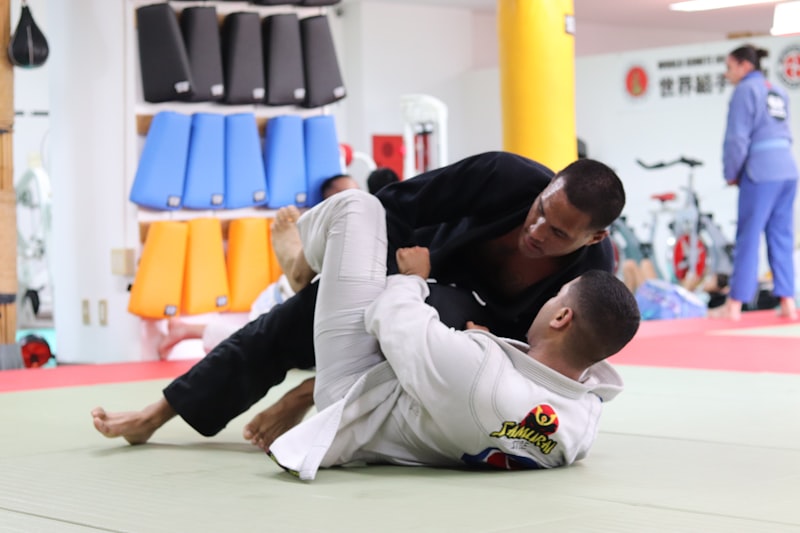
Rolling as a white belt is not easy. Many new students repeat the same mistakes, which lead to frustration or cuts training short. Knowing what to avoid can speed up your survival skills and improvement.
One common mistake is going too hard, too fast. Beginners may let nerves or ego drive them. They grip as hard as possible, resist every move, or try to match advanced partners with aggression. However, this leads to burn-out or minor sprains. Rolling is a marathon, not a sprint.
Another mistake is forgetting to tap early. White belts may wait too long to tap, thinking it’ll make them tougher. This can be risky. In fact, upper belts respect someone much more for tapping at the right time.
Also, many beginners shut down mentally after getting stuck in side control or mount. They accept defeat and stop moving. Survival means always staying active, even in tough spots. Move your hips, try to recover guard, and look for small spaces.
Some students try to memorize fancy moves they saw online instead of mastering basics. At beginner level, simple escapes and frames will help much more than complicated submissions.
Finally, new students sometimes ignore the importance of learning mat etiquette. For example, not wearing shoes on the mat, or not greeting more experienced teammates. This can give a bad impression and make your learning experience harder.
How to Recover from a Tough Roll
Everyone gets overwhelmed at times. If you get smashed for the entire round, take a deep breath and reset. Don’t leave the mat in anger or embarrassment. Instead, try to learn one thing from what happened. Many top coaches point out that your attitude after a loss shapes your true growth.
Practical Tips for Your First 10 Classes: White Belt Survival Guide
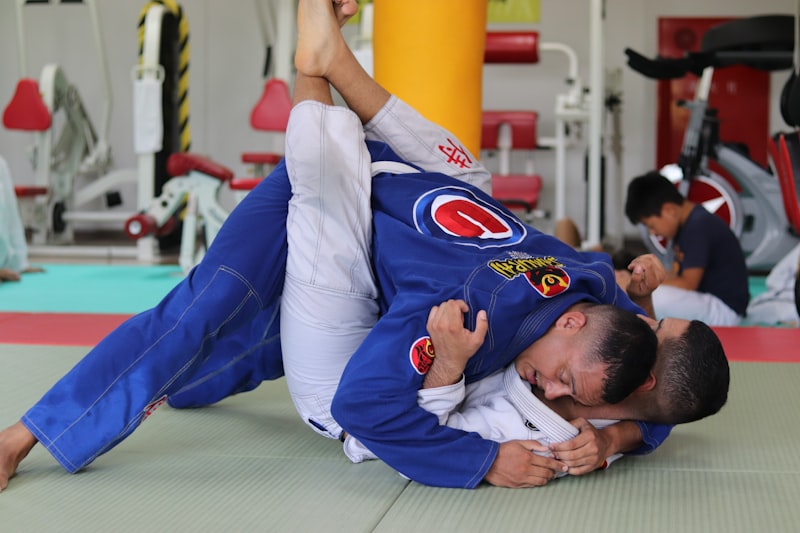
Your first ten classes set the foundation for your BJJ journey. How you act during this time can help you build confidence and avoid injuries. Here are simple, proven strategies:
Start each class by arriving five to ten minutes early. This gives you time to relax, meet classmates, and warm up without stress. Introduce yourself to others; the BJJ community is very friendly and supportive.
During instruction time, focus on absorbing the basics. If something is unclear, ask your instructor or an upper belt. Most gyms encourage questions and enjoy helping new students. Don’t feel shy about asking for details—clarity now saves trouble later.
When paired for drills or rolling, be honest about your experience level. Let your partner know you are new. Most teammates will adjust their pace and help you survive the round. If your partner moves too fast, ask to slow down. Communication is vital for safety.
In rolling, start with good posture. Keep your arms close, core tight, and chin tucked. When on the bottom, make space and shrimp your hips, even if you do it slowly. When on top, stay balanced, and resist the urge to lean forward too far. This prevents easy sweeps.
After each round, thank your partner. Feedback from more experienced teammates can be very helpful. For example, they might point out simple defensive habits to add next time.
Other useful habits: Keep toenails and fingernails trimmed, bring a full water bottle, and never roll if you feel sick or injured. Cleanliness is part of good gym etiquette.
Making Progress: How to Track Your Growth
Many beginners think they are not improving if they tap often. This is not true. Track your progress in small ways. Did you last a little longer before tapping? Did you remember to breathe better this round than last? Did you try a new frame or escape, even if it didn’t fully work?
By setting simple goals—like defending mount for 30 seconds or escaping side control once per round—you will notice steady progress. This builds confidence and makes survival much less stressful.
Developing the Right Mindset to Survive and Thrive in Rolling
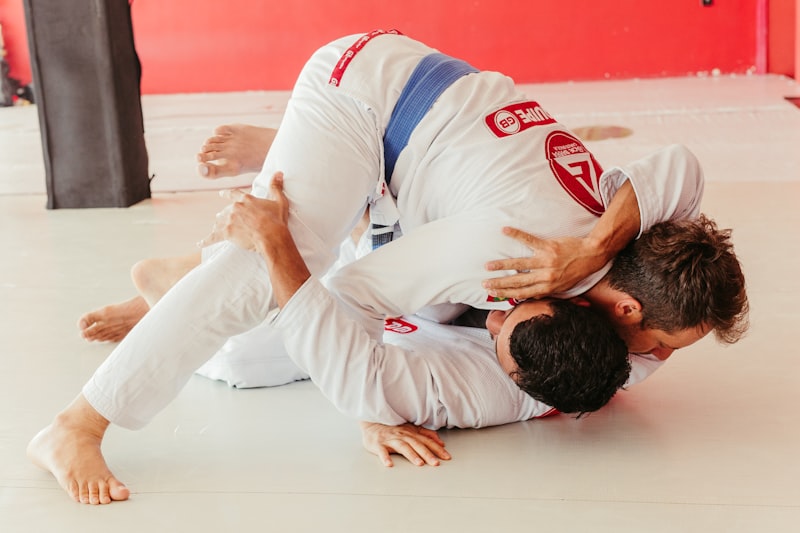
Mindset makes a huge difference for BJJ beginners. Many white belts focus on winning every round or not tapping at all. However, this mindset leads to frustration and limits growth. The key is to see rolling as a learning process, not a test you must pass.
First, accept that tapping is part of training. Every student, from world champions to hobbyists, taps all the time in BJJ. It’s how you learn what works and what does not. Tapping often during your first year is normal and even expected.
Second, focus on learning, not just resisting. After every round, ask yourself what happened: Where did you lose control? Which escape worked best? What did your partner do well? These questions help you improve quickly.
Mentally, try not to compare yourself to others. Everyone’s growth rate in BJJ is different. Some learn escapes faster; others master guard faster. Set goals that fit your own pace, such as breaking bad habits or surviving one minute longer per week.
Finally, treat yourself with patience. BJJ is hard, especially at the white belt stage. Celebrating small wins—like using correct technique, avoiding pure strength, or getting up after a tough round—keeps motivation high.
Many top athletes recommend keeping a training journal. Write down key lessons after each class. This habit will help you see patterns, remember important feedback, and build mental toughness over time.
Conclusion
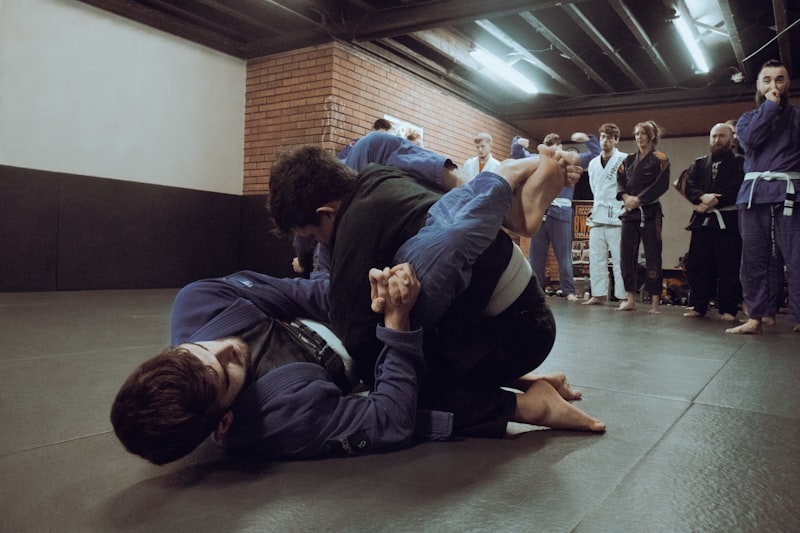
Learning how to survive rolling as a BJJ beginner is a real challenge. However, by focusing on breathing, tapping early, practicing good mat habits, and building a strong mindset, every white belt can make it through and even thrive. Remember, improvement comes from steady progress—lasting a little longer each class, defending positions better, and approaching each roll as a chance to learn.
Stay patient, listen to your body, and trust the process. For white belts and new students, the road is long but rewarding. Use the tips in this guide to build your base, avoid injuries, and enjoy every step in your Brazilian Jiu-Jitsu journey.
For more beginner resources and tips, visit BJJ Fanatics Beginner Guides and ACSM Warm-Up Recommendations. Stay safe and keep rolling!