
If you want to improve at Brazilian Jiu-Jitsu, you need strength and conditioning examples that truly work. In fact, this practice can sharpen your skills, boost your fitness, and make you much harder to beat on the mat. Saiba mais sobre Hardest Conditioning Workout: Push.
Athletes at every level use these programs as a foundation for their training. However, knowing which drills, lifts, and routines to include can be confusing. In this guide, you will discover the best approaches for strength, cardio, and sport-specific conditioning, all carefully selected for BJJ performance.
Whether you are new to training, want to get stronger, or aim to compete at a higher level, you will find practical examples here. Each section highlights real-world drills, simple routines, and strategies based on both science and successful athletes.
Strength and Conditioning Examples: Building Functional Strength for BJJ
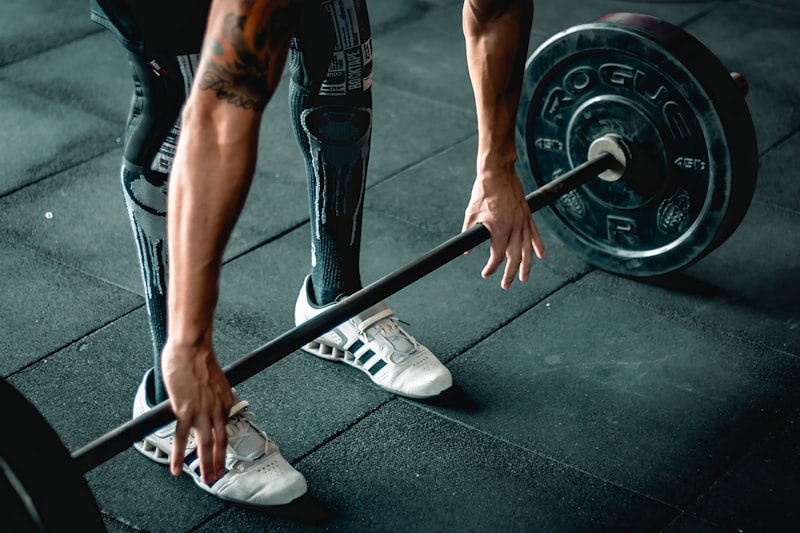
Functional strength is essential for Brazilian Jiu-Jitsu. The moves and holds in BJJ demand controlled force, stability, and explosive power. Therefore, including strength and conditioning examples that target these needs can have a direct impact on your performance. Veja tambem: Strength and Conditioning Explained: Essential Guide for BJJ Performance.
Compound lifts like the deadlift, squat, and bench press should form the backbone of your program. For example, the deadlift trains your hamstrings, glutes, back, and grip—all needed for takedowns and guard defense. Performing three sets of five reps with moderate weight, twice a week, is a proven approach. Veja tambem: Upper Body Strength and Conditioning Routines: Boost BJJ Performance Fast.
Similarly, pull-ups help your back and arm strength. Many top grapplers do pull-ups with different grips to mirror the pulling motions in BJJ. For grip endurance, towel pull-ups or gi pull-ups are especially helpful.
On the other hand, you need pushing strength, too. The close-grip bench press and push-ups (with a slow negative phase) build chest and triceps endurance. Try doing three sets of eight-rep push-ups after your main lifting session.
In fact, unilateral lifts—moves that train one side at a time—are valuable for correcting imbalances. Single-leg Romanian deadlifts not only improve hip stability but also reduce injury risk. BJJ is an unpredictable sport, so balanced strength matters.
Core training should not be neglected. Planks, hanging leg raises, and Russian twists build the resilience you need to resist sweeps and keep strong posture. Just two ten-minute core circuits per week can make a difference.
A study published by the Journal of Strength and Conditioning Research shows that this combination of compound lifts, bodyweight drills, and core training can raise strength output by 15-25% over six months. That translates to real gains on the mats.
Integrating Strength with BJJ Drills
To make the most of your time, you can combine strength training with BJJ-specific drills. For example, work wrestling takedowns immediately after a heavy squat set. This builds functional endurance and simulates the fatigue of a real match.
Finally, always finish with foam rolling or dynamic stretching. Flexibility is key to preventing injuries and performing advanced movements.
Cardio and Conditioning Routines for Mat Endurance
While strength gets you through the first round, superior conditioning ensures you keep going. For BJJ, your cardio training should develop both aerobic and anaerobic systems. In other words, you need to build the ability to recover fast and explode with short bursts of energy. Saiba mais sobre Good Strength and Conditioning.
Interval sprints are one of the best tools. Run at top speed for 30 seconds, then walk for 60 seconds, and repeat for eight rounds. This protocol mimics the on-off pace of BJJ sparring. For improved results, try hill sprints once per week.
Circuit-style workouts also fit well. For example, create a five-station circuit: kettlebell swings, burpees, jump rope, medicine ball slams, and mountain climbers. Perform each exercise for 40 seconds, rest for 20 seconds, then move to the next station. Complete four rounds.
In addition, the assault bike and rower are excellent machines for conditioning. Mix 20-second sprints with 40 seconds of easy effort for a total of ten minutes. Because these machines engage so many muscle groups, they simulate the full-body fatigue of grappling.
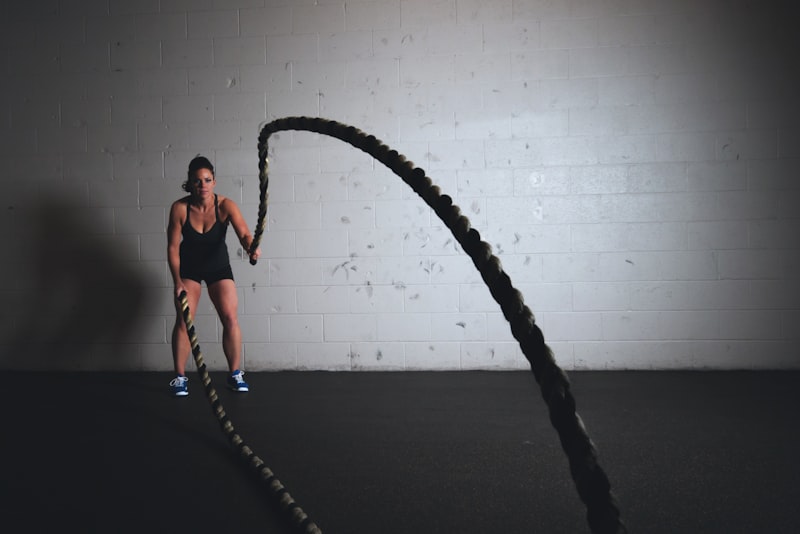
Grappling-specific circuits, like battle rope waves and sandbag carries, also transfer well to BJJ. These examples raise both power and endurance while building grip and core strength.
A 2022 Sports Medicine review found that athletes who used high-intensity interval training three times per week improved their match endurance scores by 14% in less than eight weeks.
Sport-Specific Drills: Translating Strength to Mat Skills
It is not enough to train hard in the gym. You must translate that strength and conditioning into better mat performance. Sport-specific drills bridge that gap.
Grip strength is vital. Therefore, perform rope climbs or grip battles using a BJJ gi wrapped around a bar. Set a timer for three minutes, alternating grips every 30 seconds. In addition, farmer’s carries with heavy kettlebells boost both grip power and core stability.
Neck strength matters too. Controlled wrestler’s bridge holds, resisted band extensions, and partner resistance builds a strong and resilient neck. Try neck bridges for three sets of 20 seconds at the start of each workout. This can help protect against common BJJ injuries.
Explosive hip movement is the engine of BJJ attacks. Use sprawling drills, jump squats, and technical stand-ups to build this explosive power. For example, perform 20 technical stand-ups followed by 10 sprawls, then rest one minute and repeat for 5 rounds.
In fact, “animal flow” bodyweight movements—like crawls, bear walks, or shrimping—improve mobility and body control. These mimic real escapes and guard movements.
Positional drilling can double as conditioning. For example, set up a circuit where you work guard retention for one minute, pass guard for another, and recover for 30 seconds. Repeat for five rounds. This not only improves skill but also raises sport-specific stamina.
Finally, mobility work is key. Yoga flows or dedicated flexibility sessions help prevent injuries and allow for more dynamic attacks and escapes.
Creating a Balanced Weekly Strength and Conditioning Program for BJJ
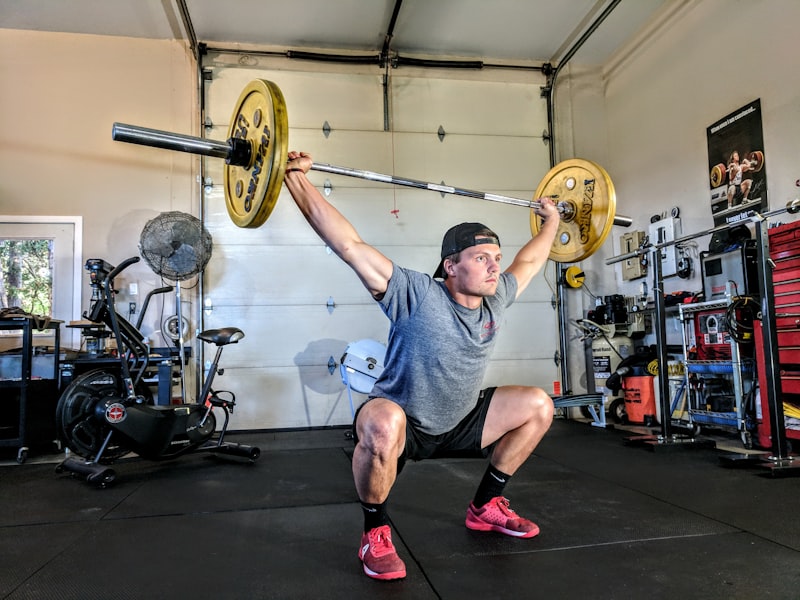
All these examples work best within a balanced weekly schedule. Consistency is more important than training to exhaustion. Here is how to structure your week based on proven athlete routines:
Day 1: Strength and Core
- Full-body lifting (squats, deadlifts, push-ups)
- 10-15 minutes of core work (planks, Russian twists)
- Warm-up with mobility drills
- High-intensity circuit (four stations, four rounds)
- BJJ technique drills
- Light movement (yoga, stretching, walking)
- Foam rolling
- Unilateral lifts (single-leg deadlift, lunges)
- Pull-ups and grip training
- Explosive jumps or sprints
- Grip and neck strength circuit
- Technical stand-ups, shrimping, and bear crawls
- Rolling sessions (3-5 rounds)
- Positional drilling with short rest periods
- End with slow cool-down stretching
- Easy cardio (bike, swim, walk)
- Optional short mobility session
Day 2: BJJ Skill & Conditioning
Day 3: Rest or Active Recovery
Day 4: Strength & Explosive Drills
Day 5: Sport-Specific Drills
Day 6: BJJ Sparring & Endurance
Day 7: Rest or Light Cardio
With this setup, each major fitness quality gets enough attention—strength, conditioning, and skill. Adjust for your goals and time. However, never skip rest: recovery is when your body grows stronger. Saiba mais sobre Best Strength Conditioning for.
Include slow, steady-state cardio once per week, especially if you notice trouble recovering from high-intensity work. Some athletes recover better if they keep the heart rate low for 30-45 minutes on an easy bike ride or brisk walk.
Finally, BJJ is a skill sport. Conditioning helps but cannot replace repeat technical practice. Be sure to balance mat time and gym work for best results.
Measuring Progress and Avoiding Common Mistakes
Tracking results is key for anyone using strength and conditioning tools. Set clear short-term and long-term goals. For example, aim to add 10% to your deadlift in 8 weeks, drop your 1-mile time by 30 seconds, or complete more pull-ups with a gi.
Because of this, use a simple worksheet or an app to log your workouts. This will show progress and help you spot trends. If you plateau, tweak repetitions, rest times, or exercise order for fresh results.
Common mistakes include doing too much, too soon. Many athletes overtrain and risk injury or burnout. Recovery is not a “waste of time”—it is a vital part of progression. Listen to your body, take rest days, and stay hydrated.
In addition, do not ignore mobility or flexibility work. BJJ demands that your body bend, twist, and hold odd positions. Tight hips or shoulders limit your effectiveness and increase injury risk.
Nutrition matters, too. Fuel with lean proteins, carbohydrates for energy, and lots of hydration. Skipping meals or going on extreme diets can lower your energy and slow recovery.
If in doubt, consulting a certified strength and conditioning coach is always a smart step. Working with an expert ensures you use proper technique and get the most from your program.
Conclusion

Strength and conditioning examples set the foundation for real progress in Brazilian Jiu-Jitsu. You can build functional power, endurance, and sport-specific agility through smart lifting, conditioning drills, and skill-based routines.
Remember, focus on compound lifts, interval cardio, and regular mobility work. Integrate these elements with your BJJ practice and adjust based on your needs.
Tracking progress and listening to your body will keep you improving safely. For more tips and proven routines, explore the resources on ismartfeed.com and take your BJJ performance to the next level.