
Every BJJ competitor wants to gain an edge, and strength and conditioning tips for athletes can make all the difference on the mat. Serious training is not only about technical skills. In fact, athletes who train smart build the foundation for success and reduce their risk of injuries. Saiba mais sobre Best Strength Conditioning Certification:.
Modern Brazilian Jiu-Jitsu (BJJ) demands more from your body than ever before. Therefore, it is critical for athletes to follow targeted strength and cardio routines. In this guide, you will find practical, research-backed strategies focused on the needs of BJJ and grappling athletes.
Strength and Conditioning Tips for Athletes: Building Functional Strength for BJJ
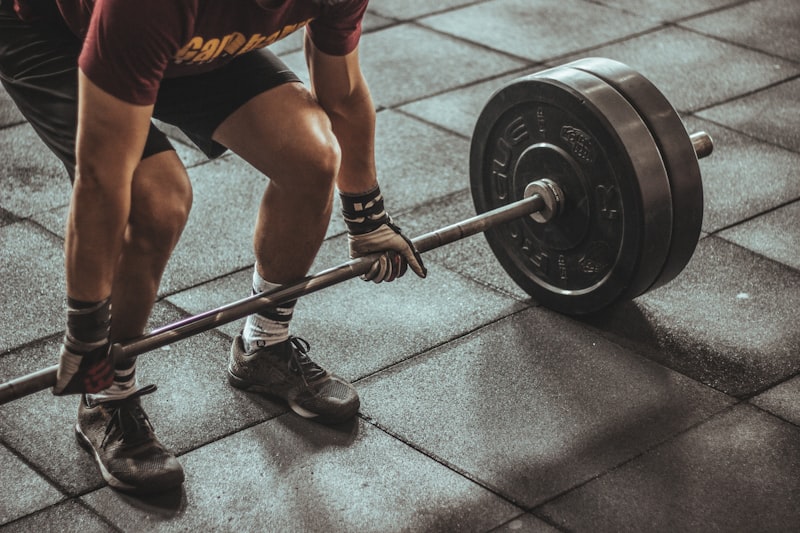
Building raw strength is helpful, but BJJ athletes need more than big muscles or heavy lifts. True success relies on functional strength, which is power you can use in real grappling situations. Functional strength means you can push, pull, lift, grip, and move with control—often when extremely tired.
First, focus on multi-joint movements. Exercises like squats, deadlifts, pull-ups, and push-ups train several muscle groups at once. As a result, your strength gains carry over to the complex movements in BJJ. For example, squats and deadlifts improve your hip drive—key both for bridging out of trouble and maintaining a strong top game. Veja tambem: Importance of Mobility in Strength and Conditioning for BJJ Performance.
Secondly, add grip-specific training. Grip battles often decide BJJ matches, so a strong grip is a must. Farmers carries and towel pull-ups are classic choices. In addition, you can grab gi jackets or use thick ropes to mimic real-world gripping demands. Veja tambem: Strength and Conditioning Mistakes to Avoid: Common Pitfalls for BJJ Athletes.
Use different tempos and resistances. Don’t lift every rep fast. Instead, vary your speed and the weights you use week by week. Slow, controlled movements build stability. Meanwhile, explosive lifts increase power output—useful for quick transitions or aggressive sweeps.
On the other hand, avoid spending all your time on isolation machines. While biceps curls or leg extensions can be good for small muscle balance, most of your time should be on exercises that make you stronger as a whole. In BJJ, you never isolate just one muscle during a roll.
Finally, train for bodyweight control. Movements like Turkish get-ups, bear crawls, and planks develop the ability to move your body (or someone else’s) with precision. This helps you escape pins and maintain dominant positions.
Balancing Strength and Mobility
While getting stronger, do not overlook mobility. Tight muscles increase your risk of injuries in BJJ. Therefore, pair every session with active stretching and foam rolling. Yoga can also help keep your joints loose. This combination gives you the power to move and the freedom to move well.
For deeper insights on why functional strength matters in grappling, see: National Strength and Conditioning Association: Strength Training for Grapplers.
Conditioning for Grapplers: Cardio Strategies to Outlast Opponents
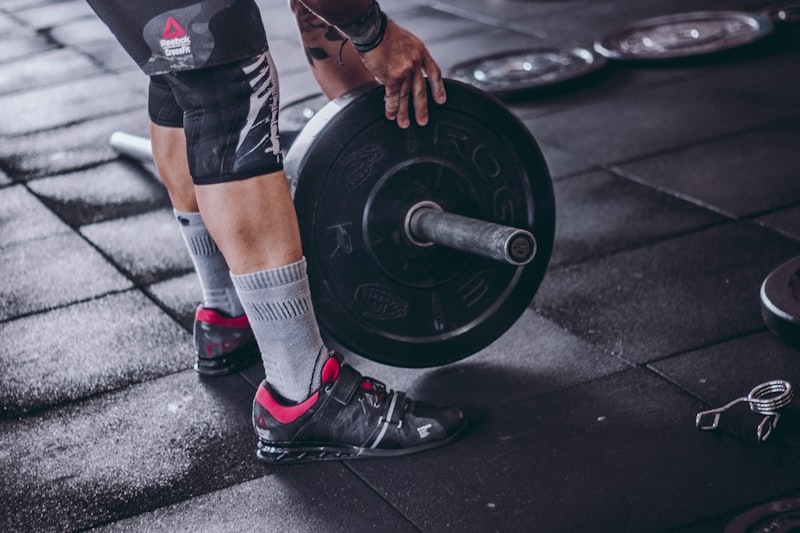
Many BJJ matches are won by the athlete who performs under fatigue. That is why specific conditioning, not just basic jogging, is vital for grapplers.
Start with interval training. Intervals mimic the pace of a real match, where you explode into action, then recover, then explode again. For example, sprint for 20 seconds, then walk for 40 seconds. Repeat for 10-12 rounds. Research in 2026 continues to show that interval training boosts both aerobic and anaerobic capacity better than steady-state cardio for fighters.
Circuit-style workouts are another good choice. Pick five exercises (rows, burpees, kettlebell swings, sprints, and push-ups). Complete each for 45 seconds, resting 15 seconds between moves. Do three or four rounds. This approach keeps your heart rate high and builds mental resilience—a key for the grind of tough rolls. Saiba mais sobre Good Strength and Conditioning.
In addition, include some steady-state cardio for recovery days. A 30-minute easy swim or bike ride gives your lungs and heart steady work without beating up your joints. On BJJ-heavy weeks, these sessions speed recovery and prevent burnout.
Another excellent method is sport-specific drilling. For example, use solo shrimping or sprawls for time, or do partner grip fighting rounds at high pace. Because these moves are match-relevant, the benefits go directly to your BJJ performance.
Finally, always listen to your body. If you are unable to recover between sessions, you may be overtraining. In this case, dial back intensity and focus on rest and nutrition instead. For more on how top athletes train their conditioning, refer to: American Council on Exercise: Interval Training Benefits.
Preventing Injuries: Smart Recovery and Prehab for BJJ Athletes

Injury prevention is not just about luck; it is also about wise preparation. BJJ can place intense stresses on joints, ligaments, and tendons. Therefore, an effective program must include “prehab” and careful recovery.
Soft tissue work, such as foam rolling or using massage balls, helps prevent tightness and trigger points. Do this before and after workouts. As a result, you increase blood flow and speed up recovery.
Next, include rotator cuff and hip mobility drills. Small muscles in the shoulders and hips must be strong to support big moves. Add internal and external shoulder rotations with light bands, as well as controlled hip circles and bridges. This practice is vital for BJJ; both areas are often targets for submissions or get twisted during scrambles.
On the other hand, athletes too often overlook neck training. The neck endures constant push and pull during rolling and submissions. Therefore, simple exercises like prone neck extensions, gentle isometrics, and chin tucks can build resilience. Start light and increase only as tolerated.
Sleep is a must. In 2026, studies show quality sleep improves muscle repair, reaction time, and learning new moves. Aim for 7-9 hours per night. In addition, use naps on hard training days if needed.
Nutrition plays a key role in recovery. Protein intake of 1.2 to 2.0 grams per kilogram supports muscle growth and repair. Hydration also matters. Losing just 2% of body water can slow reaction time and increase injury risk.
Finally, rest days are not a waste. Your body grows stronger during recovery—not only during workouts. Schedule at least one full rest day and one lighter “active recovery” day each week.
Periodization: Planning Training Cycles for Peak BJJ Performance
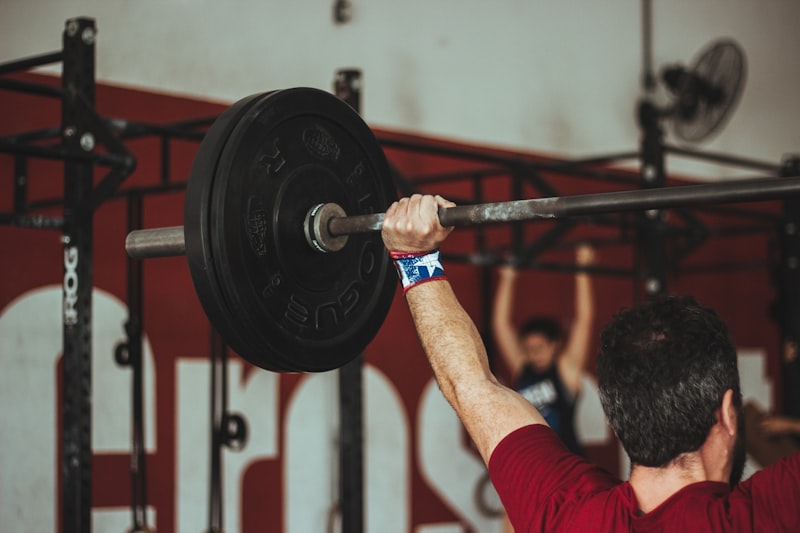
To excel in BJJ, athletes must plan their strength and conditioning with care. This is where periodization comes in. Periodization means organizing your year into phases that develop different skills and physical qualities.
First, break your training into blocks: strength, power, and endurance. For example, spend 4-6 weeks working on raw strength with heavy lifts. Then shift to explosive power using jumps, cleans, or fast kettlebell work for another 4-6 weeks. Finally, finish with a conditioning block closer to competition where you add intervals and circuit work. Saiba mais sobre Best Strength Conditioning for.
During each block, keep some variety but focus mainly on the target skill. This approach avoids burnout and ensures continuous progress. Furthermore, periodization lowers injury risk by allowing time for tissue recovery and growth.
It is also smart to synchronize your gym work with your BJJ classes. When your jiu-jitsu training is hard (for example, close to tournament season), lower the weight and intensity of your lifts. On the other hand, use off-seasons or lighter BJJ periods for heavier gym work. This keeps you healthy and at your strongest when it counts.
Track your progress. Small training journals can help you see trends and catch early signs of overtraining. For example, note your sleep, mood, and any aches after each session. These patterns indicate when to push harder or pull back.
Do not ignore mental training. Planning rest, visualizing competition, and managing stress all affect how well you train and recover. In summary, periodization is a key part of serious performance, proven in studies of athletes at every level.
For a deep dive into periodized training for grapplers, consult resources like: NSCA: Principles of Periodization.
Conclusion
Strength and conditioning tips for athletes, especially grapplers, are much more than lifting heavy or running laps. For BJJ, you need functional strength you can use on the mats and smart conditioning that matches the flow of a real roll.
In addition, injury prevention through mobility work, correct rest, and nutrition is just as important as any hard session. With periodization, you can target your improvements throughout the year for the highest results when you need them most. Remember, your training off the mats makes your performance on them possible.
Start by adding one or two new strategies to your usual plan. Track your progress and stay consistent. If you want to reach your best in BJJ, focus on smart training, and your results will follow.