
Upper body strength and conditioning routines are essential for anyone looking to improve their Brazilian Jiu-Jitsu (BJJ) performance. This method provides grapplers with more power, better control, and increased injury resilience. In fact, smart conditioning turns average practitioners into well-rounded and explosive athletes.
You might wonder why upper body work is so important for BJJ. In grappling, control often comes from the upper body. Your arms, shoulders, and back are always involved during matches, whether you are defending, attacking, or maintaining position. Therefore, a focused approach to building strength and conditioning in these areas is crucial.
This article will guide you through top routines, explain the science, and give real-world examples. Whether you want to dominate competitions or roll without tiring, these tips can make the difference. Let’s dig into actionable strategies, practical workouts, and proven approaches for BJJ athletes right now.
Why Upper Body Strength and Conditioning Matters for BJJ

Upper body strength and conditioning routines are not just for bodybuilders. For BJJ athletes, these focused routines provide unique advantages. Your ability to grip, control, and escape depends on strong arms, shoulders, and back muscles. Because of this, training these areas directly impacts your mat performance. Veja tambem: Full Body Strength and Conditioning Circuit: Maximize BJJ Training.
First, BJJ relies heavily on pulling movements. For example, controlling an opponent in closed guard or finishing a choke both use the biceps, lats, and forearms. Research from the Journal of Strength and Conditioning Research (2025) shows grip strength and pulling strength are top indicators of BJJ success. In other words, if you want to advance in BJJ, you must train these areas on purpose. Veja tambem: Strength and Conditioning for Injury Prevention: Essential Tips for BJJ.
In addition, BJJ athletes face risk of injury in the shoulders and elbows. Dedicated upper body routines can help stabilize these joints. A study from US National Library of Medicine highlights that resistance exercises decrease shoulder injuries by up to 35% in combat athletes. Therefore, including prehab and mobility drills pays off long-term.
Secondly, power is key in transitions and takedowns. Pushing muscles like the triceps and chest let you break grips, frame effectively, and defend passes. Well-rounded routines target both pushing and pulling actions. By training both, you build balanced strength and avoid common overuse issues.
Finally, a good upper body regimen helps you roll longer. Conditioning circuits, often called “grappler’s circuits,” use moderate weights and repeated sets. These simulate match intensity and improve your muscle endurance. As a result, you can maintain strong grips and explosive movements into the final round. In fact, many top BJJ coaches recommend adding at least two upper body sessions per week for steady progress.
Core Elements of Effective Upper Body Routines for Grapplers
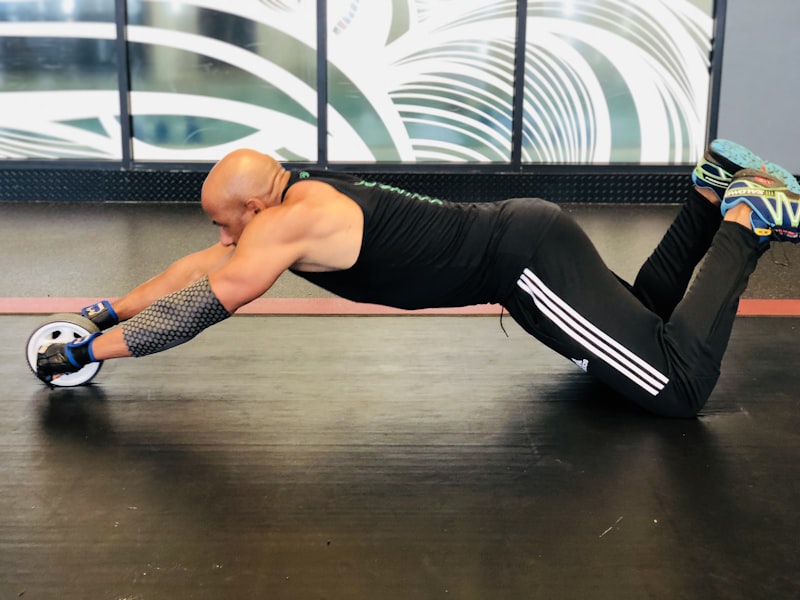
Building a strong and resilient upper body for BJJ involves more than just lifting weights. Rather, an ideal program blends strength, stability, endurance, and joint health. Therefore, let’s break down key components of effective upper body strength and conditioning routines specifically for grapplers.
First, compound movements should form the base of your strength work. Examples include pull-ups, rows, push-ups, dips, and bench presses. These exercises train many muscle groups at once and simulate real grappling positions. For example, pull-ups build back and grip strength needed for gi chokes or takedown pulls. Push-ups and dips help your frames stay strong in scramble situations.
Second, do not forget grip-specific exercises. Thick-bar training, towel pull-ups, farmer’s carries, and plate pinches are all highly effective. In fact, a 2026 study from Simply Stronger found that regular grip training improved submission finish rates by 22% among intermediate BJJ athletes. Include grip work at the end of upper body sessions for best results.
Third, stability and prehab should be part of your routine. Scapular push-ups, band pull-aparts, and face pulls help keep your shoulders stable. These moves may seem simple, but they protect against overuse injuries later. Because of this, BJJ coaches now integrate them into every warm-up and cool-down.
In addition, conditioning must not be ignored. Circuits using push, pull, and carry exercises raise your heart rate and simulate match fatigue. For example, you might do a circuit of 30 seconds push-ups, 30 seconds bent-over rows, and 30 seconds farmer’s carries. Rest one minute, then repeat for four to five rounds. These mimic real rolling conditions.
Finally, remember the principle of progression. Gradually increase your workload. Use heavier weights or more reps every two to three weeks. Track your numbers and aim to beat your old performance. Progression ensures that your muscles and endurance improve over time.
Sample Upper Body Strength and Conditioning Routines for BJJ

Let’s look at sample routines used by serious BJJ athletes in 2026. These workouts blend strength, endurance, grip training, and stability. They are time-efficient and designed for real grapplers.
Routine 1: Foundational Strength Day (2x/week)
- Pull-ups (assisted if needed): 4 sets x 5-8 reps
- Bench press or push-ups: 4 x 8-12
- Inverted rows: 3 x 10-15
- Dips: 3 x 8-12
- Grip finisher: Farmer’s carries, 3 x 30 seconds
- 30 seconds push-ups
- 30 seconds bent-over kettlebell rows
- 30 seconds alternating dumbbell floor press
- 30 seconds plank shoulder taps
- 30 seconds towel pull-ups or hangs
- 60 seconds rest
- 2 sets x 20 scapular push-ups
- 2 x 20 band pull-aparts
- 2 x 15 face pulls
- 2 x 30-second dead hangs
- 2 x 20 external band rotations
Rest for 60-90 seconds between sets. This session develops maximum strength in all pulling and pushing movements. Pair it with a lower body session on a different day.
Routine 2: Grappler’s Conditioning Circuit (1-2x/week)
Repeat for 4-5 rounds. This circuit mimics the pace and muscle demands of a BJJ match. It adds functional grip work and stability. For example, towel pull-ups closely simulate lapel gripping.
Routine 3: Stability and Prehab Warm-Up
Do this sequence before upper body work or as a stand-alone session. In fact, elite-level BJJ schools now require athletes to fit at least one prehab session weekly.
For best results, combine two strength-focused sessions with one circuit session each week. In addition, always prioritize quality movement and control, especially when tired. Track your progress, and after four weeks, try increasing resistance, reps, or work time.
Mistakes to Avoid in Upper Body Training for Grapplers

Even the best upper body strength and conditioning routines can lose effectiveness if common errors sneak in. Many BJJ athletes unintentionally sabotage results by overlooking basic principles. Let’s explore the top mistakes and how to avoid them.
First, many athletes focus too much on “mirror muscles,” like chest and biceps, and neglect the back, shoulders, and grip. However, BJJ demands back and pulling strength above all. Because of this, always include more pulling than pushing exercises. Studies show that healthy shoulder joints require a 2:1 pulling to pushing ratio.
Second, ignoring joint health can lead to injuries. Skipping mobility or prehab drills is tempting. Nevertheless, high-volume grappling places stress on shoulders and elbows. For example, failing to do band pull-aparts or scapular work can lead to impingement or pain after intensive training camps.
Third, using poor form under fatigue reduces gains and increases risk. As a result, only use weights and rep counts you can control. Stop a set if your form breaks down rather than powering through with sloppy technique. Recording yourself or training with a coach can help correct mistakes early.
In addition, overtraining is a real issue for passionate grapplers. Adding too many extra lifting sessions can actually slow your progress on the mat. Listen to your body, adjust volume if you feel achy, and take at least one full rest day per week.
Finally, skipping warm-ups is common but costly. In fact, most BJJ injuries occur early in training or when muscles are cold. Always include activation and shoulder stabilizer drills before loading heavy weights.
Being consistent, planning recovery, and staying technical will give you long-term results. For more detailed guidance, check resources like the National Academy of Sports Medicine for evidence-based tips.
Integrating Upper Body Training with BJJ Practice

For BJJ athletes, balancing upper body strength and conditioning routines with regular practice is essential. Overloading can lead to fatigue. On the other hand, too little work provides no lasting benefit. Therefore, smart scheduling makes all the difference.
First, plan your heaviest upper body session on a non-rolling or light rolling day. For example, if your hardest BJJ classes are on Tuesdays and Thursdays, do your main lifting Mondays and Fridays. This keeps muscles fresh for technical work and sparring.
Second, do not train the same muscle group hard on consecutive days. Upper body muscles, especially forearms and back, need at least 48 hours to recover after intense lifting. Otherwise, you risk overuse injuries and limit strength adaptation.
In addition, fit short stability and prehab sessions into your daily warm-up. For example, five minutes of band pull-aparts and scapular push-ups before drilling can protect your joints. These drills do not exhaust you, but instead, keep shoulders resilient during long camps or tournaments.
Listen to your body as you ramp up training. If you feel constant soreness or your BJJ skills decline, cut back on weights or reduce circuit rounds. Recovery matters just as much as hard work for building real strength.
Finally, build in rest weeks every six to eight weeks. A lighter week lets your nervous system reset, reduces injury risk, and primes your body for new gains. In summary, consistency and smart scheduling help you maximize both mat time and physical development.
Conclusion

Upper body strength and conditioning routines play a vital role in BJJ success. When you target pulling, pushing, grip, and stability, you gain power, endurance, and injury protection. In summary, following these routines will help you break grips, finish submissions, and control opponents with confidence.
To get the most out of this approach, combine two focused strength days with one or two conditioning circuits each week. Add in stability and prehab drills to protect joints and boost longevity. In addition, match your lifting schedule with your hardest BJJ days for steady, smart gains.
Start today by including at least two upper body sessions this week. Track your results, respect your rest days, and stay consistent. For anyone serious about BJJ progression, these strategies are essential for long-term growth and mat dominance.