
A well-designed full body strength and conditioning circuit can reshape the way you train for Brazilian Jiu-Jitsu (BJJ). In fact, more athletes in 2026 use this practice to build power, endurance, and resilience on the mat.
BJJ demands more than just technical skill. It also requires stamina, strength, and explosiveness. Because of this, a balanced circuit routine helps practitioners perform at a higher level and recover faster.
If your goal is to outlast, outmuscle, and outmove your opponents, adding structured circuits to your weekly plan will help. In the following sections, you’ll get everything you need to start with full body circuits built for BJJ performance.
Why Every BJJ Practitioner Needs a Full Body Strength and Conditioning Circuit

Functional strength is one of the core elements in Brazilian Jiu-Jitsu. Every scramble, escape, or submission requires a mix of raw power and muscular endurance. As a person trains more often, these physical traits separate average grapplers from top performers. Veja tambem: Training and Conditioning Guide for Runners: Build Strength and Endurance.
Experts and coaches emphasize how BJJ is a dynamic sport. Movements are unpredictable, and grips change rapidly. Therefore, using compound exercises (those that train several muscle groups at once) is more effective than isolated exercises. For example, deadlifts, squats, and push-ups mimic the pushing and pulling motions seen in live sparring. Veja tambem: Upper Body Strength and Conditioning Routines: Boost BJJ Performance Fast.
In addition, research from the National Strength and Conditioning Association shows that circuit training builds both aerobic and anaerobic fitness in less time than standard training splits. On the mat, that means fewer gas-outs in long rolls or tournaments. Veja tambem: How Strength and Conditioning Improve Performance for BJJ Athletes.
However, the benefits aren’t limited to pure strength. Circuits mix resistance work with cardio intervals and sometimes plyometrics (like box jumps or burpees). This blend boosts heart health, increases metabolic rate, and teaches the body to recover fast between efforts.
Let’s look at a typical week. If a BJJ athlete adds two full body circuits alongside technical classes, their overall workload improves. They become harder to pin, quicker to reverse, and more durable in tournament settings. Many high-level competitors document fewer injuries and better mobility after months of following these routines.
In summary, a regular full body routine isn’t optional for serious grapplers. It’s a proven method to get stronger, move better, and keep injuries low.
Rest and Recovery Matter
On the other hand, more volume doesn’t always mean better results. It’s essential to follow up circuits with proper nutrition and at least one full rest day. In fact, most sports physiologists agree that muscle growth and improved performance happen during recovery, not just while training.
Designing the Ideal Full Body Strength and Conditioning Circuit for BJJ

When building a circuit for grapplers, picking the right exercises is key. The best routines mimic the range of movement found in matches. For example, a quality circuit includes pushing, pulling, hinging, squatting, and twisting motions.
Start with compound movements. These should form the base of every session. For BJJ, focus on exercises like:
- Deadlifts: Great for back, hips, and grip strength.
- Squats: Build leg drive and core stability.
- Push-ups or Bench Presses: Strengthen the chest, triceps, and shoulders (used in framing and posting).
- Pull-ups or Rows: Improve pulling power and grip, vital for gi and no-gi work.
- Goblet Squats (12 reps)
- Push-ups (15 reps)
- Kettlebell Swings (20 reps)
- Pull-ups or Rows (Max reps up to 10)
- Turkish Get-Ups (5 reps per side)
- Jump Lunges (10 reps per leg)
- Plank (hold for 1 minute)
- Air Squat: 15 reps
- Knee Push-up: 12 reps
- Glute Bridge: 15 reps
- Inverted Row (under table/bar): 8 reps
- Standing Lunge: 10 reps per leg
- Plank: Hold 30 seconds
- Dumbbell Goblet Squat: 12 reps
- Regular Push-up: 15 reps
- Kettlebell Swing: 15 reps
- Pull-up: Max reps up to 8
- Reverse Lunge: 10 reps per side
- Medicine Ball Slam: 10 reps
- Side Plank: 30 seconds per side
- Barbell Deadlift: 10 reps
- Weighted Push-up: 12 reps
- Weighted Pull-up: 6-8 reps
- Bulgarian Split Squat: 10 reps per leg
- Kettlebell Clean & Press: 8 reps per side
- Box Jump: 10 reps
- Farmer’s Carry: 30 meters
Next, add some functional movements that challenge stability. Turkish get-ups, kettlebell swings, and medicine ball slams work well. Because BJJ is dynamic, you need strength that transfers into real movement patterns.
A typical circuit might look like this:
Go through each exercise, one after the other. Rest only 30-45 seconds between movements. After completing the final movement, rest for two minutes. Repeat the whole circuit 3-4 times.
Because of this flow, the body works hard but has just enough time to maintain good form. In addition, circuits that alternate upper and lower body exercises let muscles recover while keeping the heart rate up.
Varying the exercises each week keeps progress going. For example, swap out regular squats for split squats every third session. As you build strength, increase weight or decrease rest intervals.
Importantly, always spend 10-15 minutes warming up and cooling down. Good warm-ups prevent injuries and improve the quality of your session.
Using Minimal Equipment
You don’t need a gym full of machines. In fact, bodyweight exercises and a few dumbbells or kettlebells are enough. Many top-level BJJ athletes use home circuits when traveling or short on time.
How Circuits Improve Strength, Cardio, and Mobility for BJJ

Strength circuits don’t just bulk up muscles. They also develop endurance, joint mobility, and core stability. These traits are central to both offense and defense in grappling.
Take the pull-up for example. Besides building arm and back power, it mirrors pulling a collar or breaking grips. Squats improve leg drive for sweeps and takedowns. Kettlebell swings boost hip speed, useful for bridging and standing up from the guard.
Moreover, this approach increases heart rate, helping athletes adapt to the stop-and-go intensity of a match. Because of this, a grappler who circuits regularly won’t tire as quickly during transitions or defense.
Studies in the Journal of Strength and Conditioning Research confirm that high-intensity, multi-exercise circuits improve both maximum strength and cardiovascular health. This means fewer gas-outs and better energy use during competition.
Circuits also help build grip endurance. For example, holding weights in split squats or swings forces the forearms to work non-stop. This mirrors the demands of holding onto a kimono sleeve or controlling wrists.
In addition, this method improves movement range. Full body exercises like Turkish get-ups and deep lunges stretch and strengthen at the same time. Over months, practitioners with good mobility experience fewer muscle pulls or joint aches.
In summary, a routine that trains strength, endurance, and movement at once gives BJJ practitioners a unique edge.
Sample Full Body Circuit Routines for Every Skill Level

It’s important to tailor circuits to your personal level and goals. A beginner should focus on perfect form and lower intensity. Advanced athletes, on the other hand, can ramp up weight and cut rest times.
Beginner Circuit (Bodyweight Focus)
Complete the list as a circuit, with 45 seconds rest between each. Rest two minutes after completion. Repeat 2-3 times.
Intermediate Circuit (Add Resistance)
Rest 30-40 seconds between exercises. Repeat circuit 3-4 rounds.
Advanced Circuit (Higher Intensity)
Rest 20-30 seconds between movements. Complete 4-5 rounds.
You can switch out exercises weekly. For example, replace box jumps with burpees or pull-ups with TRX rows. This keeps the body guessing and prevents stalls in progress.
In fact, for those with limited space or time, you can complete short circuits as a finisher after rolling or drilling.
Program Tips: Getting Results and Avoiding Injury

Getting the most out of any circuit takes discipline and smart planning. Here are a few tips that athletes of all levels should keep in mind:
1. Proper Warm-Up: Always spend 10-15 minutes getting your body ready. Use dynamic stretching, light cardio, and activation drills. For example, arm circles, hip openers, or jumping jacks. Therefore, you reduce the risk of muscle strains or joint sprains.
2. Focus on Form: Never sacrifice form for speed. In fact, losing good technique leads to injuries, especially as you increase weight or speed. If unsure about a new movement, slow down or use lighter loads.
3. Balance Your Week: You need both hard sessions and full rest days. Overtraining drains energy and increases injury chances. As a result, set aside at least one session each week to focus on flexibility or active recovery.
4. Listen to Your Body: Fatigue, joint pain, or unusual soreness can signal the need to pull back. Though consistency matters, pushing through pain rarely helps.
5. Track Progress: Write down reps, weights, and rest intervals. As the weeks pass, you should see numbers and skills improve. This motivates you and helps spot plateaus early.
6. Nutrition and Sleep: Full recovery also depends on what you eat and how well you sleep. Athletes who support hard sessions with protein, water, and 7-9 hours of sleep build muscle and shed fat faster.
For more structured information, explore guides by the American Council on Exercise which offer additional routines for strength and flexibility.
Conclusion
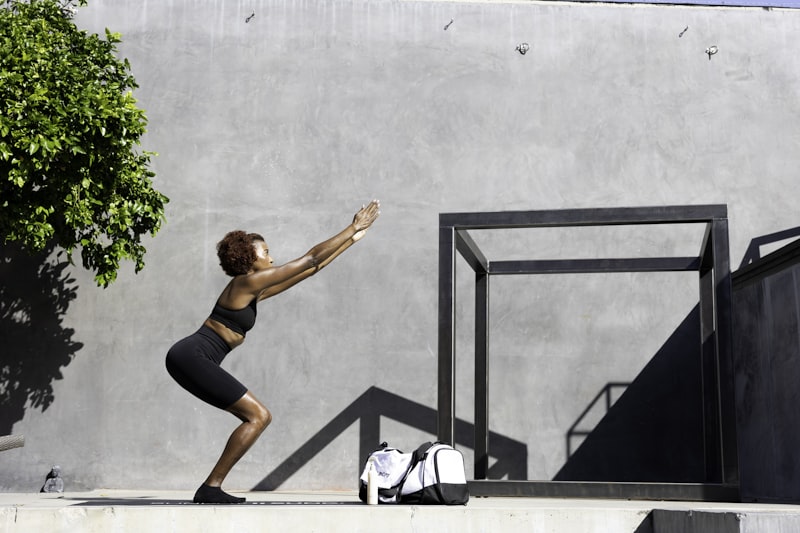
A full body strength and conditioning circuit isn’t just another workout—it’s a vital part of serious BJJ preparation. This approach builds tangible results, from stronger muscles and better cardio to fewer injuries and faster moves.
Whether you’re a hobbyist or aiming for competition gold, making these circuits part of your weekly plan will raise your game. Start with the sample routines, stay consistent, and make adjustments as your fitness improves.
Ready to take your training to the next level? Review your current routine, and add a full body circuit this week. Your future self on the mats will thank you.