
Strength and conditioning for injury prevention is critical for serious Brazilian Jiu-Jitsu (BJJ) athletes. In fact, this approach helps you avoid common injuries, keep progress steady, and spend more time on the mat.
For anyone looking to improve their BJJ performance, preventing injury matters as much as boosting strength or cardio. This article explores the science behind this practice, with clear action steps and real-world examples.
Whether you’re new to BJJ or a seasoned competitor, focusing on staying injury-free will help you reach your training goals faster. Read on to learn how to structure your program for lasting strength, endurance, and resilience.
Why Strength and Conditioning Is Key for Injury Prevention in BJJ

Strength and conditioning play a huge role in injury prevention, especially in demanding sports like BJJ. As a full-contact grappling sport, BJJ exposes athletes to high impacts, joint stress, and unpredictable body movements. Therefore, athletes must focus on building both strength and mobility for joint protection. Veja tambem: How Strength and Conditioning Improve Performance for BJJ Athletes.
In fact, research from the National Center for Biotechnology Information found that BJJ competitors face frequent injuries, especially in the shoulder, knee, and elbow joints. These injuries often occur during positional battles or explosive movements. Because of this, experts now recommend well-designed strength and conditioning routines for all athletes, regardless of skill level.
For example, building stronger muscles supports joints and soft tissues under load. Similarly, working on mobility and stability helps reduce risky movements and compensations. This means you are less likely to suffer strains or sprains during practice or competition.
On the other hand, skipping strength and conditioning work often leads to muscular imbalances and fatigue. In addition, it can slow recovery and make old injuries worse. For BJJ athletes, this could mean weeks or months out of training.
BJJ also requires aerobic endurance and repeated power bursts. Therefore, a balanced program should target both cardiovascular and muscular systems. In summary, the right routine reduces injury risk, boosts recovery, and directly improves your mat performance.
Finally, studies show that those who practice regular strength routines have a lower overall injury rate in grappling sports. Injury prevention should not be seen as an added bonus. It is, in fact, an essential pillar of success in BJJ.
Core Components of a BJJ Injury Prevention Program
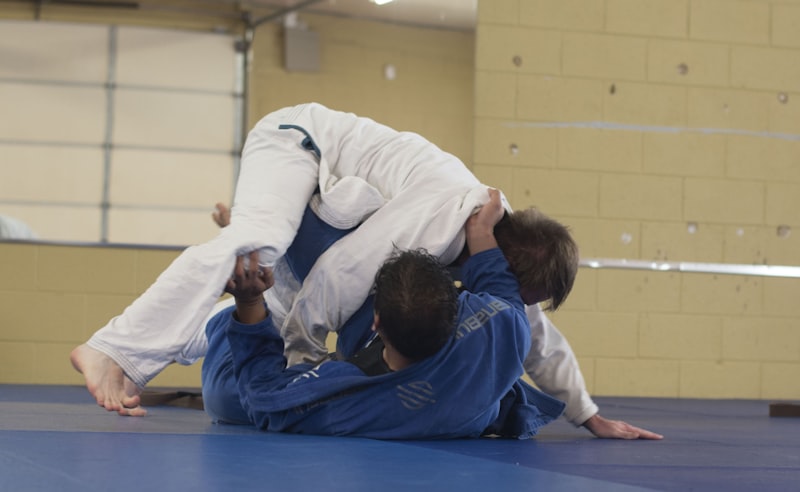
Successful strength and conditioning programs for BJJ injury prevention have several key parts. Each addresses a unique element of physical health, helping guard against overuse and contact injuries.
Strength Training: Supporting Joints and Tissues
Strength exercises build muscle around high-risk joints like the knees, shoulders, and elbows. For example, squats and lunges strengthen the hips and knees. Push-ups and rows reinforce the upper body and shoulders. As a result, you develop the support system needed to withstand the physical strain of grappling.
Evidence shows that resistance training, performed two to four times per week, lowers risk of acute injuries by increasing muscle capacity and tendon strength see: National Strength and Conditioning Association.
Mobility and Flexibility Work: Accessing Safe Ranges
Mobility and flexibility drills help you move through safe, full ranges of motion. This reduces the risk of muscle pulls and joint injuries during unexpected movements on the mat.
Dynamic stretches before class and deep static holds after training can keep your hips, shoulders, and spine supple. In addition, incorporating yoga or targeted stretching sessions helps offset the repetitive motions of BJJ and reduces overuse injuries.
Cardiovascular Conditioning: Improving Recovery and Resilience
A strong cardiovascular base helps you resist fatigue. When you’re tired, your form often suffers, leading to sloppy technique and increased risk of injury.
Adding activities like interval running, airdyne cycling, or jump rope helps build this endurance. In fact, studies show that a higher aerobic capacity allows athletes to recover faster between rounds and keep technique sharp under stress.
Balance and Proprioception Work: Controlling Your Body
Balance and proprioceptive training helps athletes avoid falls or awkward movements that often lead to injury. For example, using a balance board or performing single-leg exercises trains small stabilizer muscles.
As a result, you become more aware of joint position and better able to react to fast changes during sparring or competition.
Practical Strength and Conditioning Exercises for BJJ Athletes
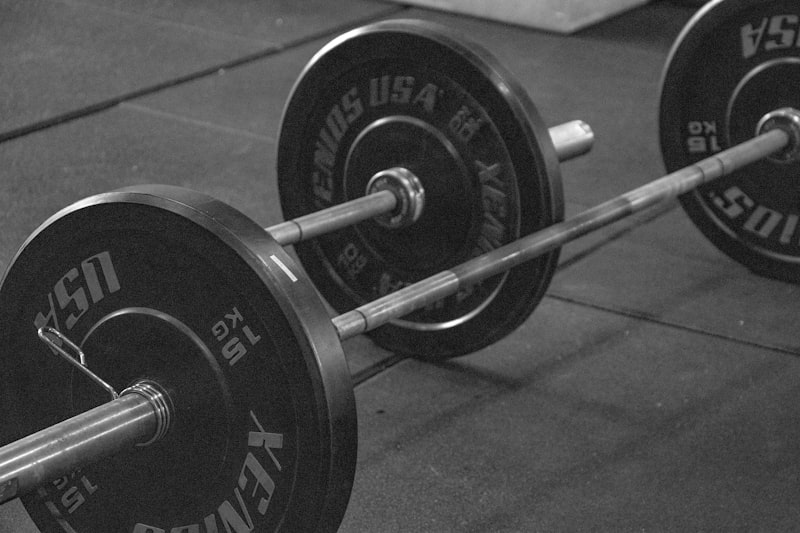
The best injury prevention plans for BJJ combine strength, mobility, and conditioning. However, not all exercises are equally effective. The following routines focus on injury protection while directly supporting BJJ needs.
Lower Body Strength: Building Resilience from the Ground Up
Many BJJ injuries involve the legs and hips. Therefore, targeting these areas is critical.
- Goblet Squats: Improve hip and knee stability.
- Split Squats: Enhance single-leg control for guard work.
- Glute Bridges: Protect the lower back and knees during hip escapes and bridging.
- Push-Ups and Dips: Strengthen chest, shoulders, and triceps for posting and base.
- Inverted Rows: Reinforce upper back, improving posture for guard retention.
- Farmer’s Carries: Build grip and forearm strength, which prevents finger and wrist injuries.
- Planks and Side Planks: Train anti-rotation, essential for resisting sweeps and submissions.
- Russian Twists: Improve rotational strength for passing and escaping.
- World’s Greatest Stretch: Targets hips, back, and shoulders.
- Shoulder Dislocates: Maintain healthy shoulder range.
- Hip Flexor Stretches: Prevent knee and hip tightness from excessive guard work.
- Monday: BJJ, full-body strength
- Wednesday: BJJ, mobility and recovery
- Friday: BJJ, lower body and core strength
- Saturday: BJJ, cardio intervals or active recovery
These moves reinforce the muscles most active in BJJ movements. In addition, they train stability through a range of motion, not just pure power.
Upper Body Strength: Guarding Shoulders and Arms
Common grip fighting and posting actions in BJJ put stress on the shoulders and elbows.
Performing these exercises two to three times per week, with moderate weight and focus on form, yields good results. Because of this, you create a muscular shield that protects the most vulnerable joints in live rolling.
Core and Rotation: Stability for Every Position
A stable core is key for both attack and defense in BJJ.
With a strong core, you can transfer force efficiently without putting extra strain on the spine or hips.
Mobility and Recovery: Keeping Tissues Healthy
Add the following drills to warm-ups and cool-downs:
Incorporate foam rolling and light yoga to further speed up recovery. This helps reduce soreness and prevent small injuries from becoming bigger problems.
How to Structure Your BJJ Training Week for Injury Prevention
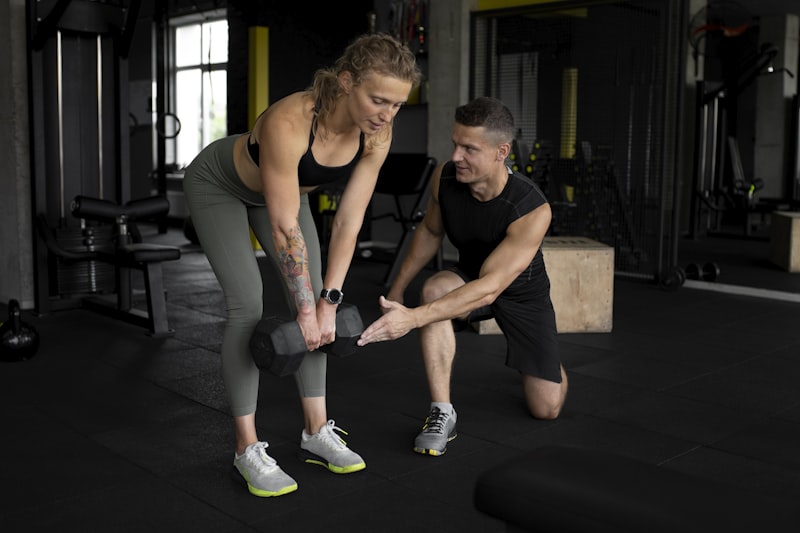
Proper planning ensures that your strength and conditioning routine supports your BJJ schedule without causing overload or burnout.
Balancing Mat Time and Physical Training
Most BJJ athletes train on the mat three to five times per week. Therefore, you should spread strength and conditioning sessions throughout the week, rather than stacking them on a single day.
For example, a sample weekly plan might look like:
This protocol gives your body enough recovery, which is important for tissue repair. In fact, research published by the American Journal of Sports Medicine found that mixing strength, cardio, and skill work reduces overtraining and supports long-term progress.
Managing Fatigue and Monitoring Progress
Listening to your body is key. Soreness is normal, but pain or swelling should not be ignored. In addition, proper sleep and nutrition are essential for healing connective tissue and muscles.
Tracking your reps, sets, and rest periods helps you avoid overreaching. Adjust intensity as needed, especially during competition or high-stress training weeks.
Similarly, add or remove exercises based on your current needs—focus on rehab if returning from injury, and on prevention if healthy.
Real Results: Injury Data and BJJ Performance

Current data from 2026 supports the link between targeted strength and conditioning and lower injury risk in BJJ. Various studies highlight major improvements in both performance and safety for athletes following structured routines.
Reduction in Common Injuries
A review published in the Journal of Athletic Training showed that grapplers doing regular resistance training saw up to a 45% drop in shoulder and knee injuries compared to those skipping these exercises.
Similarly, teams that added combined strength and mobility sessions reported fewer time-loss injuries (defined as injuries resulting in missed practice or matches) throughout the season. Because of this, many high-level BJJ coaches now require athletes to follow two or more weekly strength-focused sessions, especially during competition prep.
Better Recovery and Consistency
Athletes who combined regular strength work with BJJ training reported shorter recovery times after hard rolls or competitions. For example, those practicing consistent mobility work regain lost range of motion faster after minor tweaks or muscle pulls.
In addition, competitors found that steady strength gains reduced their overall injury anxiety, letting them train with more intensity and focus.
Direct Impact on BJJ Performance
Finally, improved grip, core, and leg strength leads to faster guard passes, better defensive posture, and stronger submissions. As a result, you not only stay healthier but also gain a clear advantage on the mat.
Conclusion

Strength and conditioning for injury prevention should be a cornerstone of every BJJ athlete’s plan. Not only does it reduce time lost from injuries, but it also supports better performance and career longevity.
By adding targeted strength, mobility, cardio, and stability work into your routine, you will build a more resilient body. In summary, smart training means less time off the mat and more progress toward your BJJ goals.
Ready to improve your training? Start adding these principles to your program today and see the difference in both your health and performance. For further reading, explore strategies from reputable organizations such as the National Strength and Conditioning Association.
Stay strong, stay injury-free, and keep moving forward on your BJJ journey.