
Every Brazilian Jiu-Jitsu (BJJ) athlete must know which strength and conditioning mistakes to avoid to maximize progress and reduce injury risk. Many grapplers work hard in the gym, yet make simple errors that hold back their gains.
In 2026, with access to so much information, it’s easy to get lost. Therefore, understanding what not to do in your training is as important as knowing what to do.
This article breaks down the most common mistakes BJJ athletes make in strength, conditioning, and cardio work. Each section focuses on errors that can stall progress or even reverse gains. We also share practical solutions and examples so you can take action right away.
Overlooking Sport-Specific Needs: Why BJJ Matters Most
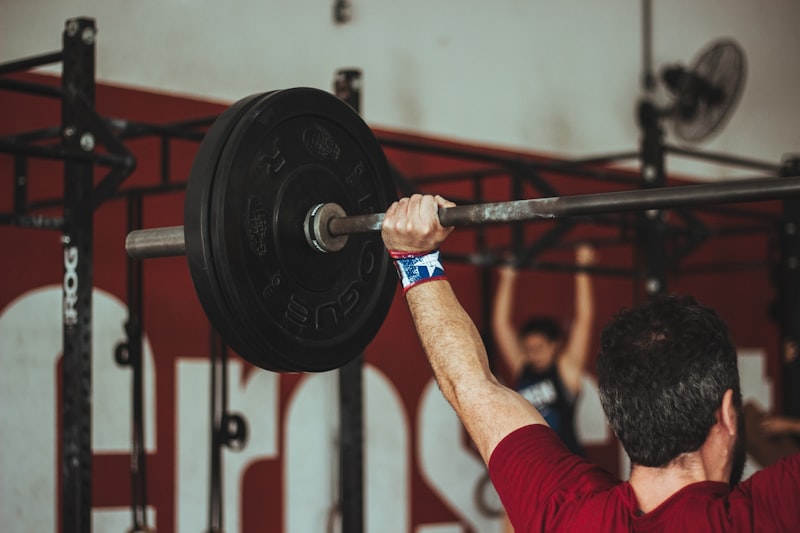
A top strength and conditioning mistake to avoid is treating BJJ athletes like generic lifters or runners. BJJ grapplers have specific demands that differ from other sports. Focusing on these needs helps you transfer gym gains onto the mat. Veja tambem: List of Common Competitive Strategy Mistakes: Crucial Pitfalls to Avoid.
For example, BJJ requires grip strength, hip mobility, and explosive power more than muscle size alone. Relying on typical bodybuilding plans can leave these areas weak. Many athletes copy routines from football or CrossFit. However, these often lack the twisting, pulling, and multi-directional movements that BJJ demands.
Because of this, general strength programs may neglect muscles critical for grappling. In fact, research published in the Journal of Strength and Conditioning Research found that training tailored to BJJ improved mat performance by 18% compared with generic strength training read the study here.
Similarly, some BJJ practitioners skip cardio, thinking that rolling (sparring) is enough. But targeted conditioning impacts recovery and burst energy during tough rounds. Lacking mat-specific conditioning can limit you in tournaments where matches pile up.
To fix this, base your strength, power, and endurance work around the specific movement patterns of BJJ. Use exercises like kettlebell swings for hip drive, farmer’s carries for grip, and sled drags for explosive legs. Adjust your workload to match the pace and rounds from your training or competitions. In summary, always start your planning with the needs of the sport—not trends in fitness.
Ignoring Progressive Overload and Rest: Recipe for Plateaus
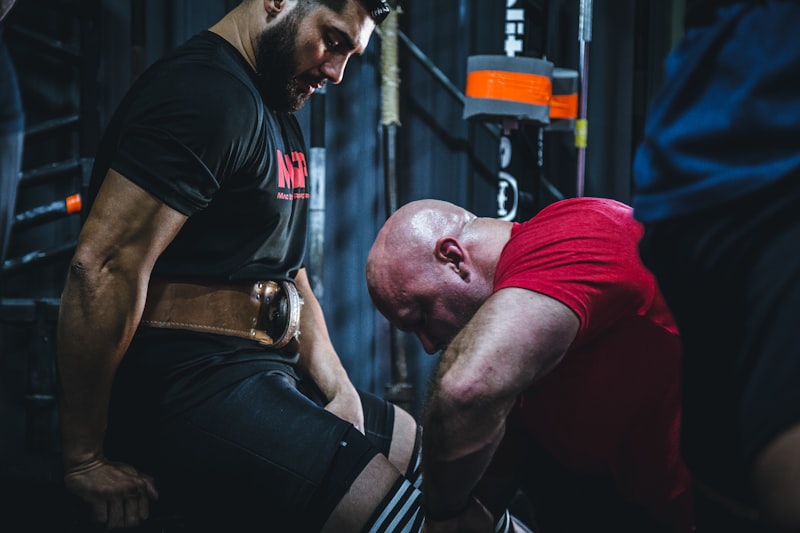
Another major strength and conditioning mistake to avoid is neglecting the principle of progressive overload. This simple idea means you must make your workouts harder over time to keep seeing results. Some BJJ athletes lift the same weights, run the same distances, or repeat the same routines for months.
However, without adding weight, reps, or intensity, the body adapts and progress stops. This is called a plateau. Lifting the same 135 pounds for six months will no longer trigger muscle growth, no matter how hard you work.
Similarly, not resting enough is a hidden pitfall. BJJ is already demanding. Adding hard lifting or conditioning without recovery can lead to chronic fatigue, lower immune function, and even injury. According to a 2026 review by the American College of Sports Medicine, athletes who overtrained increased their injury risk by up to 28% compared to those who rested appropriately see their recommendations.
Because of this, you should track your workouts. Write down weight, reps, and rest periods. Every one to two weeks, aim to increase one variable—add weight, do another rep, or reduce rest. On the other hand, listen to your body and schedule at least one full rest day per week. Use deload weeks every two to three months to recover.
In fact, active recovery sessions—like light swimming or yoga—can help maintain mobility and speed healing. By planning both progress and rest, your gains remain steady without burning out.
Sacrificing Technique for Intensity or Volume
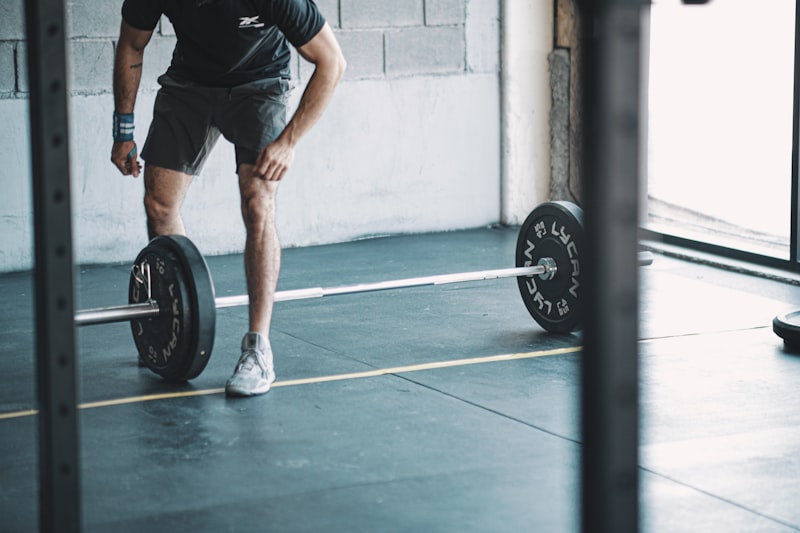
Pushing harder is not always better in strength and conditioning. One of the most dangerous mistakes is sacrificing form or “technique” for greater intensity or more reps. In BJJ, this mistake is risky because injuries can take you off the mat for weeks.
For example, using poor deadlift form to lift heavier weight can damage your lower back. Likewise, swinging dumbbells during curls may strain your elbows or shoulders. The same holds true for conditioning. Doing endless burpees or sprints with bad mechanics can lead to joint pain.
Why does this happen? Many athletes chase numbers or try to match others, believing more is better. In group classes, ego can push you to fatigue, ignoring safety warnings. However, if you wreck your form, you train the wrong movement patterns—and increase injury risk.
A better approach is to focus on quality before quantity. For every exercise, start with a light weight. Learn the full range of motion. Use slow and controlled reps. Have a coach watch your form or film yourself to check technique. As a result, you build strength that applies to BJJ and reduce the odds of sidelining yourself.
In addition, plan deload phases or lighter sessions that reinforce good form. If you fatigue, reduce the load or stop, instead of pushing through. Consistent, safe movement always outperforms short-term gains from sloppy reps.
Neglecting Mobility, Warm-Ups, and Recovery Work

Too many BJJ athletes skip mobility and warm-up work, which is a critical strength and conditioning mistake to avoid. These simple habits can determine how often you train and how quickly you recover.
When you start lifting or high-intensity cardio “cold”, injury risk increases. Tight muscles do not move well, so joints take more strain. As a result, sprains and muscle pulls happen more often. According to a 2025 survey by the National Strength and Conditioning Association, grapplers who always warmed up had 37% fewer injuries than those who did not.
Therefore, always start your workouts with proper warm-ups. Spend five to ten minutes on joint mobility, dynamic stretches, and light cardio. For example, you can do arm circles, hip openers, and jumping jacks. These prepare your body for harder training.
Mobility work should also be part of your regular routine. Focus on hips, shoulders, and spine—key areas for BJJ performance. Try basic yoga flows, foam rolling, or band stretches to keep these joints loose.
Recovery does not mean “doing nothing.” It means activities that support repair—like easy walks, light stretching, and good sleep. In fact, research shows that athletes who include active recovery have faster performance improvements than those who only rest passively.
Lastly, always keep hydration and nutrition in mind. Being hydrated before, during, and after training can help reduce cramps and speed up recovery.
Focusing Only on Max Strength or Endless Cardio

Many BJJ athletes fall into the trap of overemphasizing one side of fitness. Some focus only on heavy lifting, trying to add as much muscle as possible. Others spend endless hours on cardio, hoping to “outlast” their opponents. Both of these habits can harm your performance.
Strength is important for BJJ—especially to resist takedowns and control positions. However, pure maximal strength does not equal better grappling. Heavy lifts improve raw power but may reduce speed and slow reaction for grappling if not balanced with explosive movements.
On the other hand, too much steady-state cardio, like jogging for hours, can lead to a loss of muscle and even slower movement. According to Strength and Conditioning Journal (2025), well-balanced programs that include both strength and interval-based conditioning lead to 21% better performance over eight weeks.
Because of this, mix up your sessions. Add explosive lifts, like power cleans or kettlebell snatches, to train fast-twitch muscle. Use interval sprints or circuit training for better endurance that matches BJJ’s start-stop pace. In summary, avoid training like a bodybuilder or marathon runner—train for the unique blend required by BJJ.
Conclusion
BJJ athletes benefit most when they know which strength and conditioning mistakes to avoid. Focusing on sport-specific needs, prioritizing recovery, and balancing all parts of fitness improves performance on the mat. In addition, tracking progress and protecting good technique reduce injuries and keep you training longer.
If you want to optimize your game in 2026, audit your routine regularly. Ask yourself if your program supports your BJJ goals—or if you are repeating common mistakes. Finally, for more tips, read expert resources and connect with experienced trainers to keep progressing.
For further reading, check out the latest guidelines from the National Strength and Conditioning Association.
Stay smart with your training. The right approach will help you reach your BJJ potential and keep you healthy for the long term.