
Lifestyle upgrades for personal security at home are more important than ever in 2026. Families want more than simple locks on their doors. Today’s smart homes demand stronger habits and better technology for safety.
Criminals often look for the easiest targets. Because of this, people who invest in strong security at home help protect their loved ones, valuables, and privacy. In this article, you will learn practical steps, tech tools, and habits to improve your home security and peace of mind.
Let’s explore upgrades you can start today. You will also see real data, examples, and resources to help you make smart decisions. You do not need a big budget for better security—just the right strategy.
Essential Lifestyle Upgrades for Personal Security at Home
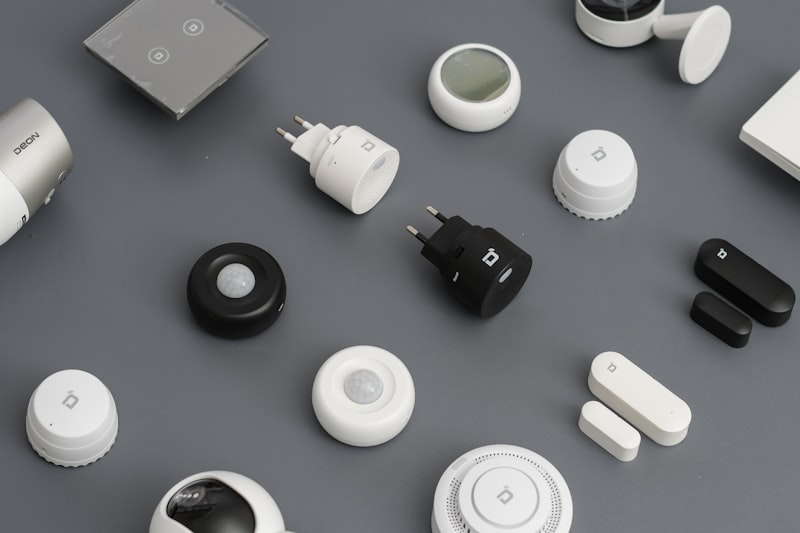
Modern security is not only about gadgets. It also depends on daily habits and a proactive mindset. Therefore, you must first focus on simple changes that lower risks and make intruders think twice. Veja tambem: How to Make Self-Defense Part of Your Lifestyle for Everyday Safety.
One key lifestyle upgrade for personal security at home is changing your routines. For example, do not post your travel plans or check-ins publicly on social media. This lets would-be intruders know when your home is empty. Instead, share photos and details after you return. In addition, set up timers or smart lighting. This makes it look like someone is always in the house, even when you are away.
Another smart upgrade is forming better habits with neighbors. For example, create a neighborhood watch group. Active networks help catch suspicious activity sooner. According to SafeHome.org, communities with active watch programs report lower break-in rates.
Beyond communication, use physical routines as well. Always lock windows and doors, even if you step out briefly. Double-check the garage, sheds, and yards before bedtime. Developing these habits is simple, but they can make a big difference in stopping intruders.
Remember, security starts with awareness. Review your home’s weak spots every few months. This includes entrances, detached buildings, and privacy fences. If you see an area that feels unsafe, make small repairs or upgrades right away.
Everyday Steps for Safer Living
Smart upgrades are easy to start. For example, keep bushes and hedges trimmed. This opens up spaces and limits hiding spots. Use motion-sensor lights around entry points. Test your smoke alarms and security systems each month. Teach family members how to respond in emergencies.
By putting habits and routines first, you build a strong base for any future security upgrades at home.
Smart Technologies Powering Home Security in 2026
Technology has a big impact on lifestyle upgrades for personal security at home. In 2026, smart devices are easier to get and install. When used well, these tools lower the risk of theft, fire, or other dangers.
Smart security systems have grown fast. Today, over 36% of homes in the U.S. use some form of smart monitoring, according to Statista. This means doors, windows, and cameras can be checked from your phone or computer.
For example, smart doorbells with cameras allow you to see and talk to visitors before opening the door. Many models save video clips if they sense motion or unwanted guests. As a result, you get both real-time alerts and evidence if something goes wrong.
Smart locks are another important upgrade. With these, you control access remotely. You can give temporary codes to guests, cleaners, or service workers. You no longer need to leave spare keys hidden outside.
In addition, some homes use all-in-one smart hubs. These connect lights, locks, cameras, and alarms. You set up routines: lock doors at night, turn on porch lights, or trigger an alarm if a window opens during certain hours. This hands-off approach means you worry less, even when life is busy.
However, picking the right security tech depends on your needs. Small apartments might benefit from simple wireless cameras and deadbolts. Large homes could need full-system monitoring, glass-break sensors, and backup power.
Always choose technology that fits your habits, not the latest trend. High-tech alarms are only as good as how you use them. If you rarely check your alerts or keep devices offline, their benefits drop. Set reminders to update passwords and run security checks on your system.
By blending smart tech with strong routines, you make your home less attractive to intruders. You also respond to issues faster, day or night.
Physical Barriers and Design Choices That Deter Intruders
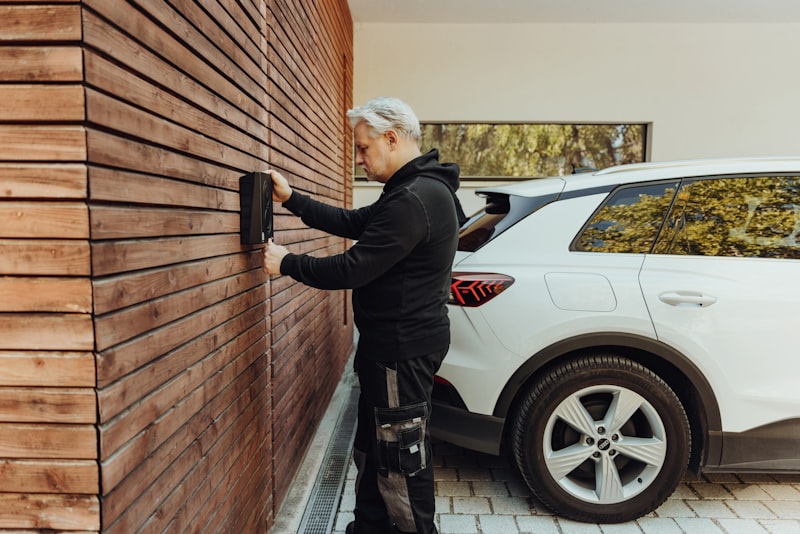
While smart gadgets help, physical upgrades play a big role in lifestyle upgrades for personal security at home. Effective barriers, design choices, and visibility make it harder for threats to succeed.
First, let’s look at doors and locks. Solid core or metal doors are harder to force open. Always use deadbolt locks on front and back doors. For sliding doors, add a rod or bar on the track to block forced entry. Window locks and reinforced glass also add strength to vulnerable spots.
In addition, pay attention to entryway visibility. A clear view of your front door lets neighbors spot strangers. Use side lighting to remove dark spots where someone could hide. Avoid tall, thick hedges near doors or windows.
Perimeter fencing has advantages and drawbacks. Fences add privacy but may also hide intruders. See-through fences or adding motion lights can solve this problem. Gates should always stay locked, even during the day.
Garage and shed security should not be ignored. For example, lock inside doors between your garage and house. Use strong locks on sheds and outbuildings, as burglars often look for tools or ladders that may help them break in elsewhere.
Driveways and walkways can also serve as security features. Gravel or textured paths make noise when walked on. Therefore, it is harder for someone to sneak up to the house. You can also use security signs and stickers as simple deterrents. Even professional thieves often skip homes that look protected.
In summary, physical changes add stopping power to your home’s defenses. Most upgrades are simple DIY projects. Pair them with smart gadgets and good habits for the best results.
Creating a Security-Focused Family Culture
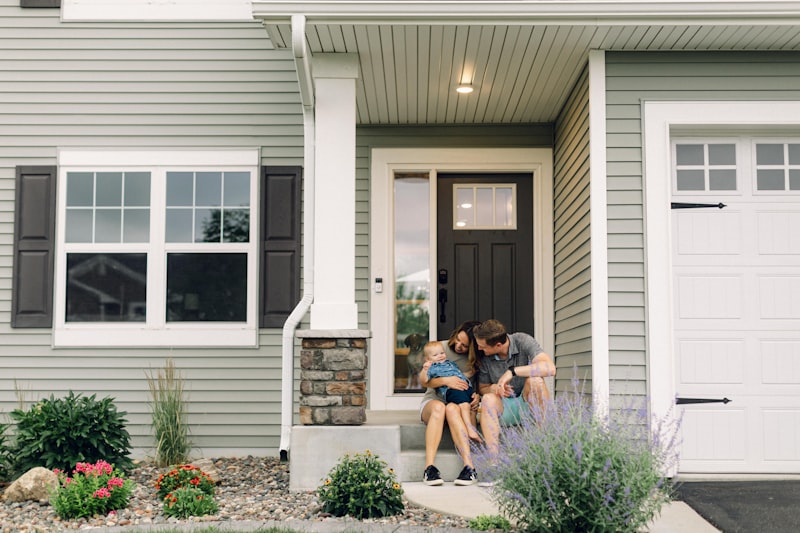
Lifestyle upgrades for personal security at home work best when every family member is involved. Building a safety culture helps everyone react in a calm, quick way if something goes wrong.
First, talk openly about safety. For young children, use simple language to explain why doors and windows must stay locked. Practice what to do if someone knocks, rings the bell, or if an alarm sounds. Teens and adults should know how to use smart locks, cameras, and emergency contacts.
In addition, set up regular security drills. These do not need to be scary. For example, once every few months, walk through the house together. Test alarms, check window locks, and find the fastest escape routes. These drills create muscle memory and lower panic during real emergencies.
If your family has pets, include them in your plans. Make sure animal doors cannot be used by intruders. Keep pet supplies ready in your go-bag for fire or storm events.
Review online habits as well. Children and teens should never share daily routines, vacation dates, or address details on social media or online games. Adults must also protect the family’s digital privacy by using strong passwords and two-factor login options.
For elderly family members, keep emergency contacts posted in easy-to-see spots. Give them simple ways to call for help, such as medical alert devices or voice assistants set up for emergencies.
Finally, reward good safety habits. Praise children for locking up or reporting things that seem wrong. Adults can agree on a schedule for checking doors and windows. Everyone should know that being careful is a family value—never a burden.
Over time, a safety-first culture makes these upgrades feel natural, not extra. This approach is one of the most powerful security tools you can have.
Layered Security: Combining Tactics for Maximum Protection
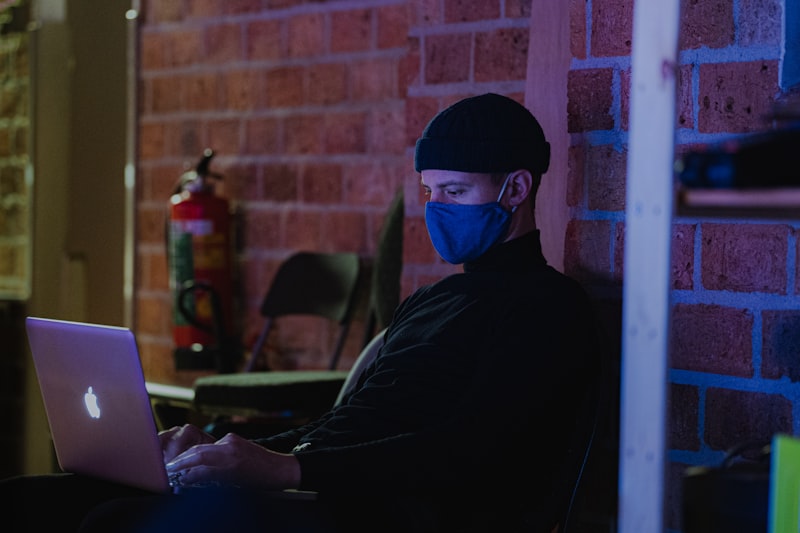
No single upgrade is enough on its own. The smartest approach is to layer several methods, making it harder for any single risk to break through all barriers.
For example, use high-quality locks, good lighting, and smart cameras together. A thief might bypass one, but not all at once. In addition, mix low-tech solutions (like dogs or security signs) with advanced tech for a well-rounded plan.
Don’t forget about regular maintenance. Check locks, batteries, sensors, and cameras every month. Stay alert for software updates on your security system. These steps are easy to overlook but often prevent failures when you need protection most.
Insurance is another layer to consider. Even the best-prepared homes have risks. Review your homeowner’s or renter’s policy. Make sure it matches your upgraded security setup and covers break-ins, theft, and weather damage.
Talk to your neighbors, as well. Strong communities often have unbreakable security layers. Share tips, report strange activity, and look out for each other, both in person and online.
Remember, the goal is to slow down, stop, or spot threats early. By combining simple habits, strong barriers, and smart technology, you give yourself many chances to keep your home and loved ones safe.
Conclusion
Upgrading your lifestyle and habits is key to personal security at home in 2026. Start with simple routines, like locking doors and talking with neighbors. Add smart tech that fits your needs. Build a family culture that puts safety first.
Small changes add up fast. In fact, most burglaries still happen when a home is easy to enter or empty. With the right upgrades, you make your home less inviting to threats and more comfortable for your family.
Review your setup often. Stay up to date with new products, risks, and habits. By taking these steps now, you invest in your peace of mind for years to come.
For more tools and ideas, explore trusted sites such as SafeHome.org for product guides and the latest data. Stay smart. Stay safe. Your home is worth the effort.