
Many beginners make common mistakes in BJJ fundamentals that slow down progress and lead to frustration. By spotting and fixing these issues early, you can set a strong foundation for your journey in Brazilian Jiu-Jitsu.
Brazilian Jiu-Jitsu (BJJ) is a smart martial art focused on leverage, technique, and timing. However, if you start with poor habits, it is hard to reach your full potential. In this guide, you’ll see which errors show up most often, why they happen, and how to avoid them for rapid skill growth.
Let’s break down the key points every new grappler needs to know so you can build better BJJ habits from your very first class.
What Are the Most Frequent Mistakes in BJJ Fundamentals?
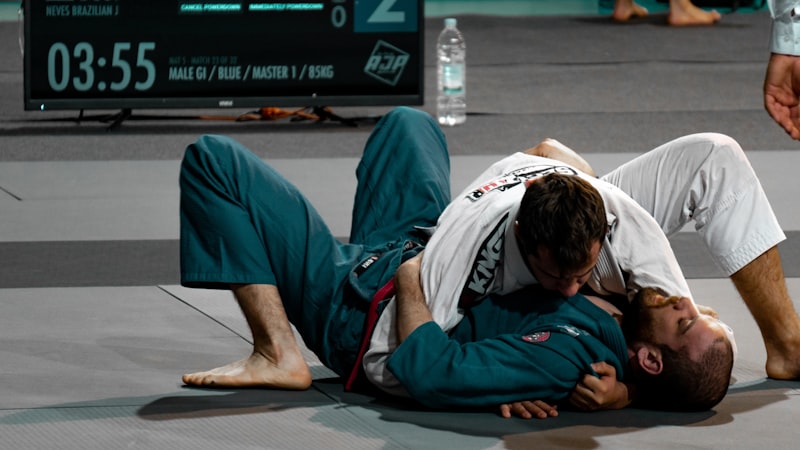
Learning BJJ is not just about drilling moves. It’s also about avoiding common pitfalls that can stunt growth. In fact, instructors often see the same errors over and over. This usually happens in gyms worldwide. Veja tambem: How to Practice BJJ Fundamentals at Home: A Complete Guide for 2026.
One big mistake is skipping warm-ups and drills. Many new students want to jump right into sparring. However, skipping basics leads to poor movement patterns. For example, shrimping and bridging build the movements needed for escapes. By ignoring these, students find themselves trapped more often.
Another major problem is relying on strength instead of technique. Beginners may try to muscle through positions. However, this wastes energy and can cause injury. BJJ is about technique and timing. The best practitioners use leverage, not brute force.
In addition, poor posture is very common. Slouching in guard or top positions makes sweeps and submissions easier for your opponent. Good body posture keeps your base strong and helps defend against attacks.
Not tapping out to submissions is another risk. Some new students fear losing in training. As a result, they hold out too long and risk injury. Tapping means you respect the learning process and protect your health.
Many new BJJ learners also struggle with impatience. They want to master moves fast. In reality, it takes hundreds of reps to form good habits. The best approach is to focus on slow, steady improvement.
Finally, some ignore the hierarchy of basics like escapes, positioning, and defensive grips. Chasing flashy submissions before building solid fundamentals sets you up for failure.
By paying attention to these key mistakes, you will build a smarter learning path in BJJ.
Ignoring Advice from Coaches
BJJ coaches see what students need. Ignoring their guidance means you repeat the same errors. For example, a coach might remind you to keep your elbows close to your body. This small detail makes it harder for others to attack your arms. Therefore, listening and applying coach feedback is vital.
Why Fundamentals Matter More Than Fancy Techniques
Many people start BJJ after seeing highlight reels of high-level matches online. Some want to learn “advanced” moves fast and skip basic drills. However, this approach often leads to slow progress and mistakes that are hard to fix later.
Fundamentals like base, posture, and connection are the building blocks of every move in BJJ. Without a strong base, your balance is weak and you’re easy to sweep. Good posture protects you against submissions and lets you apply real pressure from the top. Moreover, practicing guard retention, shrimping, bridging, and technical stand-ups every class helps your body learn the right habits.
It is easy to think that simple moves do not matter. In fact, research on skill learning in martial arts shows repetition of basics accelerates progress (source). Most gym owners and black belts agree: those who focus on the basics improve faster and stay injury-free.
In addition, learning fundamentals helps you understand advanced moves. Many submissions and sweeps are just combinations of basic concepts. Therefore, by building strong basics, you can unlock new techniques later with less effort.
Another reason to focus on fundamentals is safety. Newbies who rush into intense sparring or try risky moves can cause injuries to themselves or partners. Mastering the basics reduces this risk.
Patience pays off in BJJ. The world’s best fighters drill core movements every day. Remember, if you skip the groundwork, your game is unstable in tough matches.
How to Refine Your Basics
Commit to drilling: spend ten minutes on escapes and guard retention before every session. Ask your instructor which positions are most important for your level. Similarly, try recording your rolls to see recurring errors, then fix them in drills.
The Impact of Bad Habits on Progress: Real-World Examples
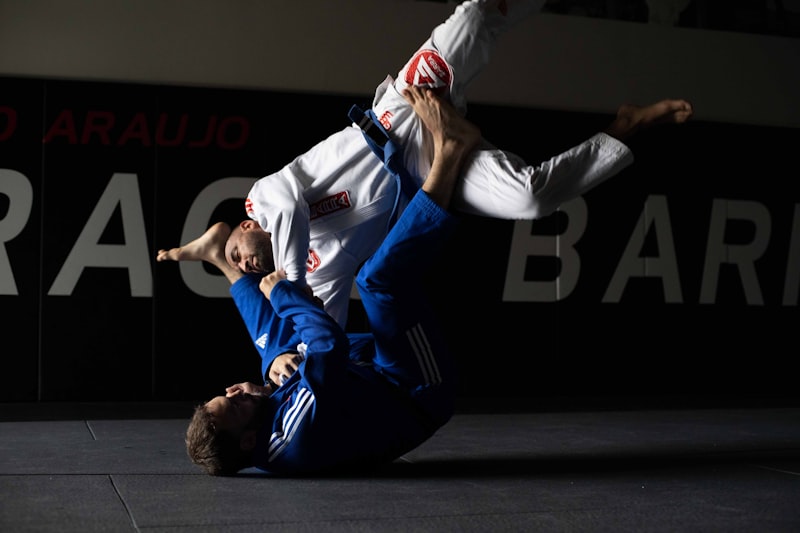
Developing smart habits early can make or break your BJJ journey. On the other hand, bad habits slow down improvement and can even lead to injury. Therefore, it is crucial to spot and fix these problems fast.
One common example is white belts who grip too tightly during sparring. Instead of flowing with movements, they hold on for dear life. As a result, their arms tire quickly. Fatigue sets in fast, and they miss chances to improve timing or transitions.
Another harmful habit is ignoring breath control. New grapplers often hold their breath when rolling. This raises heart rate and anxiety. In fact, studies show proper breathing lowers injury risk and improves focus in martial arts (source). You can practice slow, even breathing during drills to stay calm under pressure.
Newcomers also tend to avoid rolling with higher belts. They may fear being dominated or embarrassed. However, training with skilled partners is the fastest way to learn. Higher belts can slow down, point out errors, and show smarter ways to move.
It’s also easy to overlook rest and recovery. Pushing too hard without breaks increases injury risk. Overtraining can lead to burnout or nagging injuries. Smart students listen to their bodies and embrace rest as a key part of improvement.
Other examples of bad habits include neglecting tapping, ignoring injury signs, being resistant to feedback, and not reviewing their own rolls. Fixing these issues sets you up for long-term growth.
Smart Strategies to Avoid These Mistakes
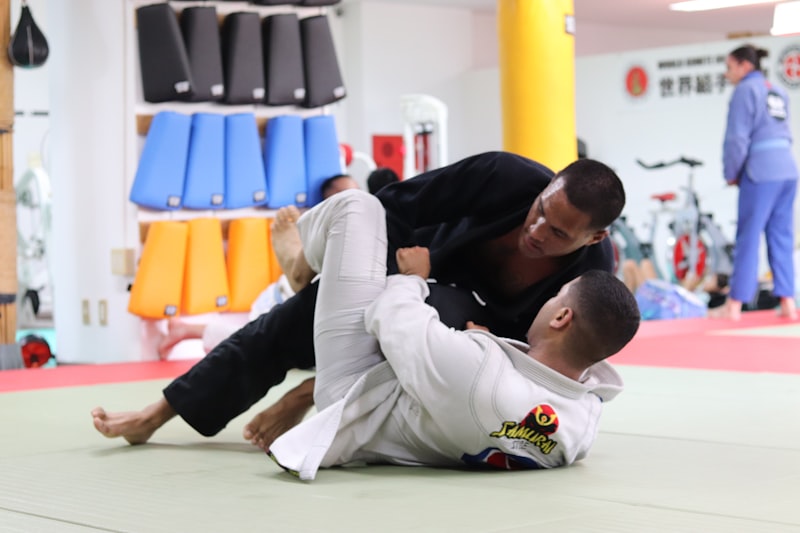
Now that you understand the most common errors, you need smart ways to improve your fundamentals. Luckily, there are proven methods to set and keep the right habits.
First, set aside time for solo drills at home. Simple movements like hip escapes, technical stand-ups, and bridges boost muscle memory. You only need 10 minutes a day for results.
Second, keep a training journal. Write down what you struggled with each class. In addition, note what your coach advised. This helps you track patterns and focus your efforts.
Third, ask for feedback regularly. Your teammates can show you blind spots you miss. Many gyms encourage peer coaching. If you’re unsure about a move, ask someone with more experience.
Fourth, change your mindset from “winning” to “learning.” In other words, view every roll as a chance to test and adjust technique. If you get tapped, see it as progress, not failure.
Also, focus on posture and base in every roll. Before you attack, check if your spine is straight and your weight is balanced. As a result, you’ll find it easier to defend and attack.
Finally, review online instructionals from trusted coaches focused on fundamentals. Websites like BJJ Fanatics or Gracie University publish structured learning paths for beginners.
Regular video review of your training helps too. Today’s phones make it simple to record drills or sparring sessions. Watch for repeated errors and create a plan to fix them. Therefore, use technology to speed up improvement.
Most importantly, stay patient and enjoy the journey. Progress in BJJ comes in waves. If you avoid shortcutting the basics, you will build a strong base for future moves.
The Role of the BJJ Community and Gym Culture
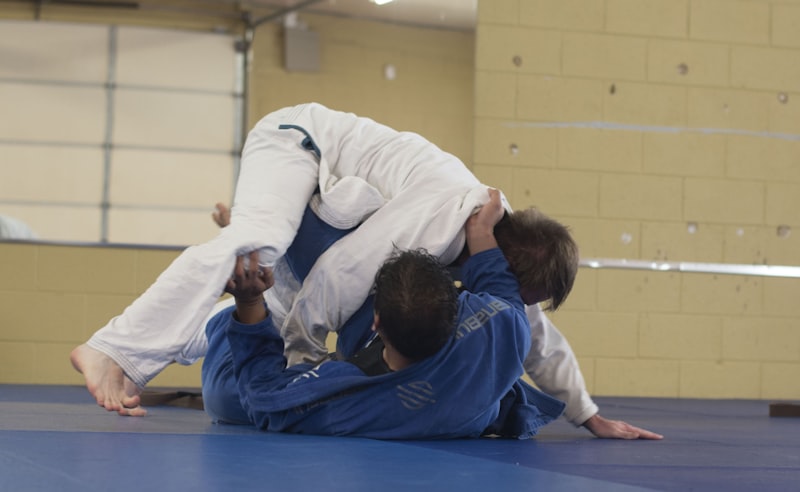
BJJ is more than a solo sport. The community around you plays a big part in shaping your fundamentals. For example, gyms known for a supportive culture often turn out students with solid basics.
A positive gym culture encourages questions and sharing feedback. New students who feel safe asking for help learn faster. On the other hand, gyms with a “win at any cost” mindset push bad habits. Students focus on competition instead of slow technical improvement.
Finding the right training partners also matters. Some senior students love helping white belts with basics. They may pause to show you a small detail that makes a huge difference. Seek out these partners and express your desire to learn.
In addition, attending gym seminars, open mats, or specialized beginner classes can expose you to more styles and refined drilling. For example, a focus on situational sparring—where you start in one position and repeat—lets you improve key fundamentals efficiently.
Respect and communication with coaches and peers help you understand why certain moves matter. For instance, your instructor might explain the importance of frames in guard retention or the science behind good hip movement for escaping side control.
Finally, social support outside the mats is just as vital. Making training friends keeps motivation high and helps you keep coming back. This is especially true in the first year, when progress can feel slow.
Conclusion
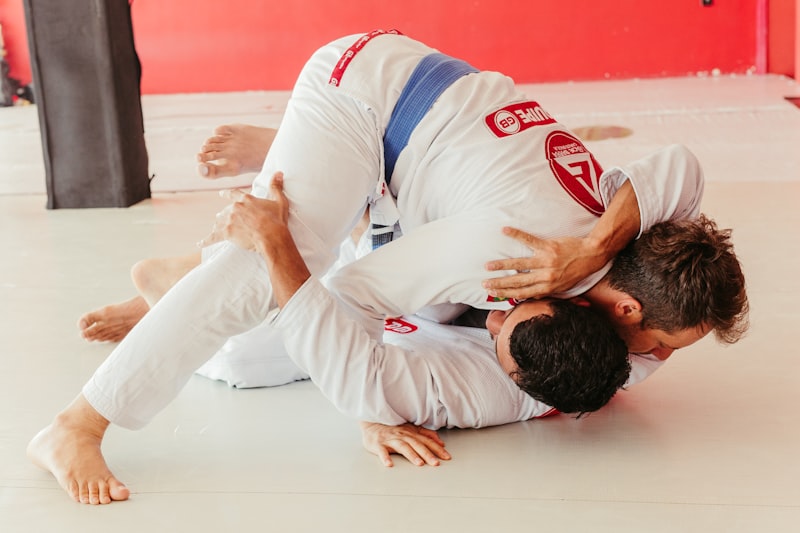
In summary, avoiding common mistakes in BJJ fundamentals is key to steady progress and injury prevention. Mistakes like skipping drills, relying on strength, poor posture, impatience, and ignoring coach advice hold many back. Focusing on strong basics, listening to feedback, and drilling smartly lays the groundwork for real skill.
If you want to accelerate your BJJ journey, start with the basics, stay consistent, and use your community for support. Visit BJJ Fanatics or reputable research sources for more on skill learning and safety in martial arts. Build a habit of learning every class. This way, you not only avoid pitfalls but also enjoy every step toward mastery.
For more guides and practical training advice, keep following ismartfeed.com to maximize your martial arts experience in 2026 and beyond.