
If you have ever searched “what is bjj guard and how to use it,” you probably want to understand one of the most fundamental concepts in Brazilian Jiu-Jitsu. The guard is a defensive and offensive position that allows you to control, defend, and attack from the bottom. In other words, mastering the guard is a key skill for both self-defense and sport BJJ.
Brazilian Jiu-Jitsu (BJJ) is famous for its focus on leverage and technique rather than brute strength. The guard is a perfect example of this philosophy. In this article, you will learn exactly what the BJJ guard is, why it matters, and how to use it effectively in live training or competition.
Whether you are a beginner trying to survive your first classes or an intermediate student wanting to build a stronger game, this guide gives you proven examples, expert tips, and the latest strategic advice. Let’s break down what makes the guard so powerful and how anyone can benefit from understanding and using it. Veja tambem: BJJ Fundamentals for Complete Beginners: Your 2026 Guide to Starting Right.
What Is BJJ Guard and How to Use It in Modern Training
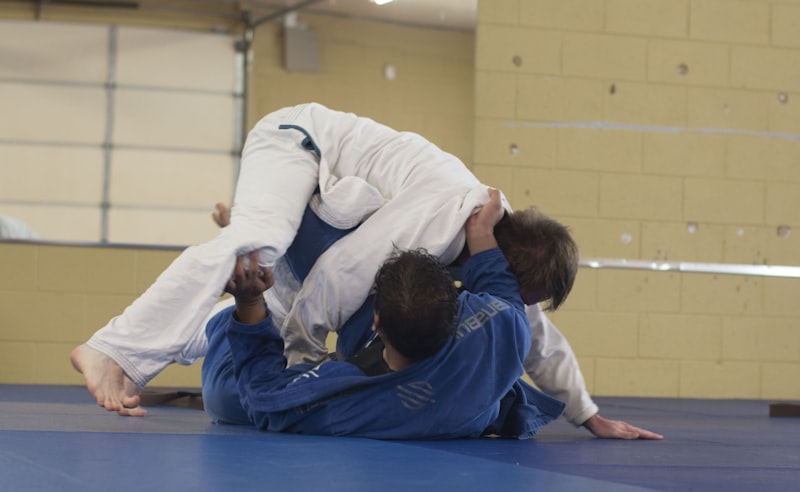
Understanding what is BJJ guard and how to use it starts with a basic definition. The guard is a position where one practitioner is on their back (or sitting), using their legs to control their opponent, who is typically on top. This is different from other martial arts, where being on your back is seen as a disadvantage. In BJJ, the guard can be a strong and safe place. Veja tambem: BJJ Positional Hierarchy Explained for Beginners: Simple Guide 2026.
For example, Royler Gracie, one of the most legendary BJJ competitors, won many matches by playing guard—using his legs to control, sweep, or submit larger opponents. The International Brazilian Jiu-Jitsu Federation (IBJJF) rule set also rewards guard sweeps and submissions in competition, which shows the position’s value in both sport and real-life self-defense contexts. Veja tambem: How to Practice BJJ Fundamentals at Home: A Complete Guide for 2026.
To use the guard, a practitioner needs to create a frame with their legs and hips. This helps keep distance from the person on top. At the same time, hands and grips are used to control the opponent’s arms, wrists, or collar (if training in the gi). The main goals in the guard are:
- Prevent the opponent from passing to side control or mount
- Set up sweeps to reverse the position (move from bottom to top)
- Attack with submissions like triangles, armbars, or chokes
- Don’t focus only on submissions. First, develop a defensive guard (keep the opponent from passing).
- Drill hip escapes, technical stand-ups, and basic sweeps.
- Ask higher belts to show you transition options between guards.
- Each time you lose guard and get passed, review what happened so you can improve.
Because of this, BJJ instructors stress the importance of developing guard skills early. According to a 2026 study published by Jiu-Jitsu Legacy, guard retention (your ability to defend guard passes) is one of the biggest predictors of success in sparring. Beginners who can hold guard for at least 45 seconds per round are more likely to attack and escape side control.
As a result, understanding the basic guard types—closed guard, open guard, half guard, De La Riva, and spider guard—is critical. Each has unique advantages, grip sequences, and transition options. In fact, the guard position has evolved with modern BJJ, with techniques tailored for both gi and no-gi settings.
Key Benefits of Mastering the Guard
Playing from the guard offers many benefits, especially for smaller practitioners. First, it uses leverage, not strength, to control the top player. Second, there are dozens of attacks and reversals available. Finally, even if you get taken down, you can still threaten your opponent and work toward sweeps or submissions.
Therefore, whether your goal is self-defense, sport, or MMA, building a strong guard is essential for progress and safety.
Types of BJJ Guard: Foundations and Applications
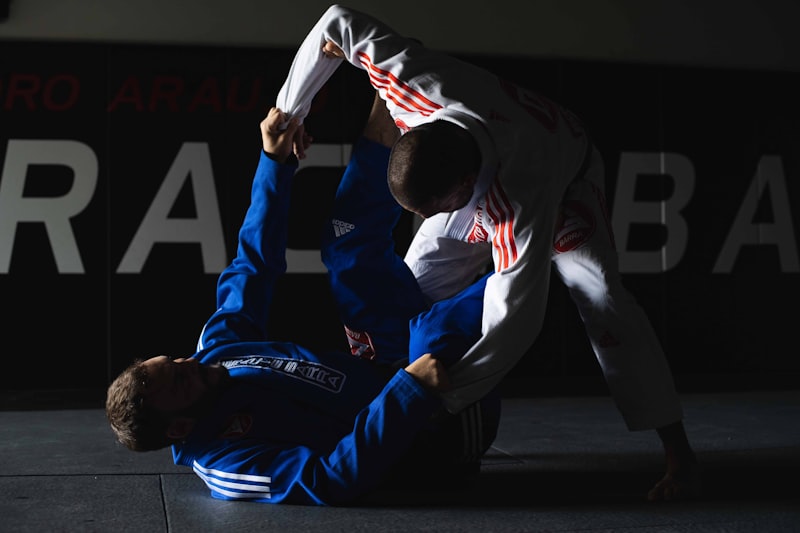
There are several common forms of guard, each with its own purpose and strategy. By knowing these types, you will better understand how to use this approach in different situations.
Closed Guard
Closed guard is the classic position, often taught first to beginners. In closed guard, you wrap your legs around your opponent’s waist and lock your feet together on their back. This allows you to break their posture and limit their ability to strike or pass. You can set up a variety of attacks, such as the armbar or triangle choke.
For example, many world-class athletes like Roger Gracie have built their competitive careers on a powerful closed guard. The simple act of keeping your legs locked makes it harder for an opponent to move or stand up.
Open Guard
Open guard refers to any guard where your feet are not locked behind your opponent’s back. Instead, you place your feet on their hips, legs, or shoulders to create distance and control. This includes famous variations like spider guard and De La Riva guard. Open guard allows for more mobility, dynamic attacks, and sweeps.
However, open guard also comes with risks—if you lose control, it becomes easier for your opponent to pass. Therefore, good grip fighting and movement are critical skills.
Half Guard
In half guard, you use one of your legs to trap one of your opponent’s legs while lying on your side. The top player must work to free their leg and advance their position. The bottom player in half guard can use underhooks, frames, and hip movement to sweep or attack submissions.
This position is popular with older or heavier grapplers because it requires less flexibility and is often easier to hold compared to open guard. In addition, there are advanced versions like deep half guard, allowing for creative reversals.
Other Modern Guard Variations
In recent years, guards like X-guard, lapel guard, and worm guard have gained popularity, especially at high levels of sport BJJ. Each variation opens new pathways for sweeps and submissions. The choice of guard often depends on your body type, flexibility, and personal preference.
To see a breakdown of guard types and their effectiveness, experts often refer to competition stats from the IBJJF official resource. Trends show a rise in open guard and lapel guard usage at advanced levels, reflecting the evolution of the sport.
How to Use the BJJ Guard: Techniques and Strategies
To properly use the guard in BJJ, you must learn how to combine grips, body positioning, and timing. Here’s a step-by-step breakdown of how to play guard for both defense and attack.
First, you must always protect your posture by staying active and framing with your legs. Keep your knees high and press your feet into the opponent’s hips, thighs, or biceps, depending on the guard style. This prevents them from closing the distance or smashing your legs aside.
Second, make sure to use your hands to grip collars, sleeves, wrists, or ankles. In no-gi, focus on controlling the wrists and ankles. These grips act as anchors, allowing you to pull your opponent forward or off-balance them. For example, in closed guard, grabbing the sleeve and collar sets up many classic attacks.
Third, combine movement with attack chains. Don’t stay static. Instead, try to threaten both submissions and sweeps. For instance, if you attempt an armbar and your opponent pulls away, you may be able to transition to a triangle choke or an omoplata.
In addition, guard retention is critical. As your opponent tries to pass, use your legs to recover and adjust your hip position. Training guard retention drills will build your reflexes and awareness.
Finally, practice both offensive and defensive guard. Sweeps like scissor sweep, flower sweep, and hip bump sweep allow you to reverse the position and gain the top. Submissions from guard include the kimura, triangle choke, armbar, and guillotine.
Because of this, smart training partners often start rolling from guard to give each person repetition from both top and bottom.
Tips for Beginners
If you are new to BJJ, keep these tips in mind:
As you gain experience, you’ll see which guard positions fit your body type and style.
The Role of Guard in Self-Defense, Sport, and MMA
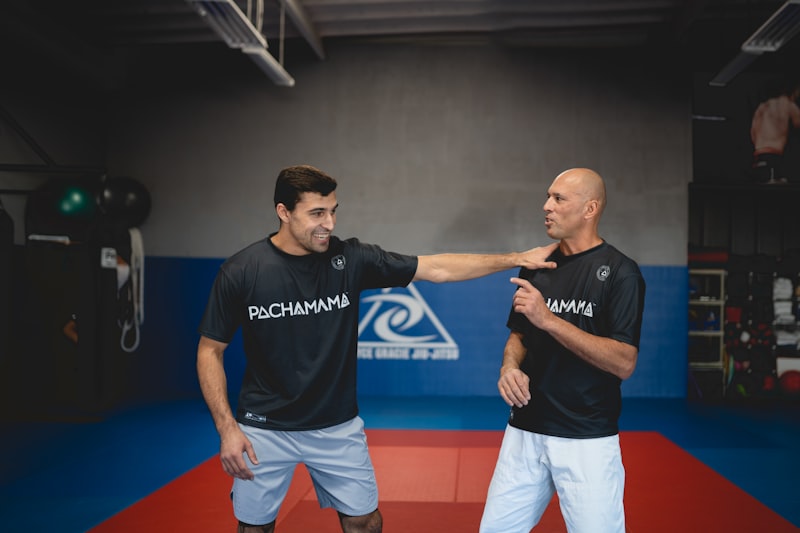
The guard plays an important role beyond just sport training. In fact, it is a critical skill for self-defense and is used in mixed martial arts (MMA) as well.
Self-Defense Applications
If someone tackles or pushes you to the ground, knowing guard can save you. You can use your legs as shields, create space, control the distance, and protect your head. This is why self-defense classes include guard basics as a foundation. In addition, you can use the guard to sweep the attacker or escape safely.
Statistics from interviews with BJJ black belts show that students with guard skills feel more confident handling real-life confrontations where they end up on the ground.
Sport and Competition
In BJJ tournaments, points are awarded for sweeps and reversals from guard. For example, a guard sweep may score you two points, plus a possible submission attempt. In the 2025 IBJJF World Championship, about 68% of match-winning moves started from the guard.
Athletes who can maintain, recover, and attack from guard are often the most successful in both gi and no-gi divisions.
MMA and Grappling
In MMA, the risk of strikes makes the guard more dangerous, but it still offers protection if used well. Fighters like Demian Maia and Charles Oliveira have finished fights with submissions from their guard. However, MMA players must adapt by keeping their head safe, controlling posture, and using fast sweeps or submissions.
In fact, many professional coaches recommend all-round training—practice both avoiding damage and attacking from guard. This gives MMA athletes and hobbyists a safer, more flexible ground game.
Advanced Guard Concepts and Progression for 2026

As Brazilian Jiu-Jitsu evolves, new ideas and training methods keep emerging. In 2026, coaches focus on active guard engagement, drilling transitions, and cross-training from both top and bottom positions.
One new trend is positional sparring—where both partners start in a specific guard and rotate roles. This approach builds muscle memory, sharpens grips, and helps you adapt your game quickly when guard gets broken down.
Grip fighting continues to play a huge role. For example, grip breaks and counter-grips help you recover guard or force your opponent to make mistakes. Video breakdowns of top athletes, like recent ADCC medalists, show how modern competitors mix open guards to off-balance and frustrate passers.
Flexibility, core strength, and hip mobility training are also emphasized. This makes it easier to lift, swing, or invert your legs during sweeps and submissions. In fact, scientific research by Brazilian sports universities suggests grapplers who spend 10-15 minutes per session on guard-specific mobility drills show 30% fewer guard passes per round in sparring.
Finally, technology is helping advanced students. Mobile apps and online instructionals allow you to study guard strategies from world champions. Because of this, students today can progress faster by combining gym time with digital learning.
Conclusion
Understanding what is BJJ guard and how to use it is essential for anyone serious about Brazilian Jiu-Jitsu, self-defense, or grappling sports. The guard is not a position of weakness but a platform for both defense and attack. By learning the basics, drilling the main guard types, and applying strategies for both survival and offense, you will build a safer and more effective ground game.
In other words, keep practicing the concepts covered in this guide. Whether your goal is competition, self-defense, or fitness, mastering the guard will help you reach your next level. For in-depth videos and expert instruction, check out resources from reputable schools and organizations. Don’t wait—start working on your guard skills today and see your results improve on the mats.