
Knowing how to create a balanced training plan is one of the most important skills for achieving long-term fitness progress. Many people jump into workouts without a clear plan or structure, leading to slow gains and a higher risk of injury. In this guide, we explain step-by-step how you can create a plan that matches your goals, fits your life, and keeps you on track in 2026.
A balanced training plan means more than just mixing different exercises. It considers your goals, your starting point, and your recovery. In addition, the right plan helps you avoid burnout and plateaus. This approach is especially important for anyone interested in science-based, smart fitness strategies.
Below, you will learn the core principles behind effective training plans, get real examples, and find trustworthy sources to guide your journey. By the end, you will feel confident building a plan that works for you.
Understanding the Core Elements of a Balanced Training Plan

Knowing how to create a balanced training plan starts with understanding what “balanced” really means. A balanced plan includes different types of movement, allows for proper rest, and aligns with your personal goals. This mix helps you develop strength, endurance, flexibility, and maintain good overall health.
First, consider the main components every complete workout regimen should have. These include cardiovascular exercise, strength training, mobility or flexibility work, and recovery. For example, the American College of Sports Medicine recommends that adults get at least 150 minutes per week of moderate-intensity cardiovascular activity. In addition, their guidelines suggest including strength training for all major muscle groups at least two days a week (see ACSM guidelines).
However, each training component serves a different purpose:
- Cardio: Improves heart and lung health. It helps burn calories.
- Strength Training: Builds and maintains muscle. In fact, it also supports bone health.
- Flexibility and Mobility: Keeps joints healthy. It helps with range of motion, which prevents injury.
- Recovery: This is just as important as exercise. It allows the body to repair and grow stronger.
- Cardio days (ex. Monday, Thursday): Running, cycling, brisk walking, or swimming.
- Strength days (ex. Tuesday, Friday): Bodyweight exercises, free weights, or resistance machines.
- Flexibility/mobility days (ex. Wednesday, perhaps as warmups or cool-downs): Yoga, stretching routines, or foam rolling.
- Rest or active recovery (ex. Sunday): Light walking, stretching, or mindful mobility.
- 2-3 days of strength training
- 2-3 days of cardio
- Daily mobility (short sessions)
- 1-2 rest or active recovery days
- Increase the weight or resistance you use in strength training.
- Add intervals or hills to your cardio workouts.
- Try new exercise variations to challenge different muscles.
- Shorten the rest between sets, once you can safely do so.
A balanced approach prevents common issues like overuse injuries and exercise boredom. For example, running every day without any strength work increases the risk of stress injuries. On the other hand, lifting only without any cardio can limit your endurance and heart health.
In summary, the first step is to make sure your plan touches on all key fitness pillars. Track how much time you spend on each during the week. If most of your time is spent on only one area, adjust so you do not miss out on crucial benefits from the others.
Setting Clear, Achievable Goals
Many training plans fall short because they do not start with clear goals. Before you write any schedule, think about what you want to achieve. Is your aim to build muscle, run a 5K, improve mobility, or just feel healthier? Each goal leads to a slightly different style and mix of training.
When possible, use the SMART framework. That means goals should be Specific, Measurable, Achievable, Relevant, and Time-bound. For example, instead of saying “get stronger,” a SMART goal would be, “Increase my squat strength by 20 pounds in 3 months.” This detail makes it easier to track progress and stay motivated.
In addition, setting realistic progress points ensures that you stay focused but not overwhelmed. You might start with small weekly improvements, such as adding one more set or increasing workout duration by five minutes.
If you are coming back from a break or injury, your goals may look different. In that case, include items like “complete three 20-minute workouts per week pain-free.” No matter your level, clear goals shape your plan and give every session purpose.
Building Your Weekly Training Schedule
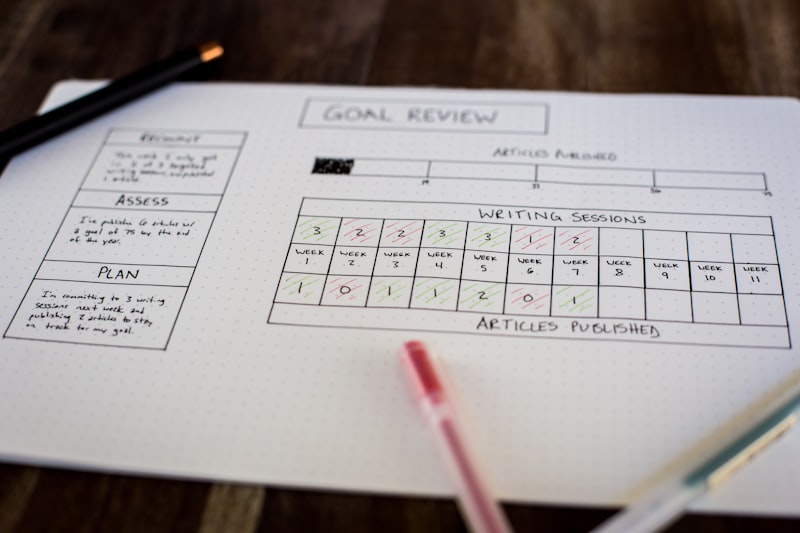
Creating a weekly schedule is where you put theory into action. To do this, first map out all your current time commitments. This may include work, school, family, and other activities. Find realistic windows where workouts can fit. Consistency matters more than perfection.
Start by dividing your week between the main types of activity:
In fact, many people find success with a simple template like:
However, you can change this based on your own goals and how much time you can commit. For endurance athletes, running or cycling may take more days. On the other hand, if your focus is on muscle gain, strength days may outnumber cardio.
Record your schedule in a calendar or digital app. This habit increases your chances of sticking with the plan. You might use free tools like Google Calendar or fitness trackers.
Adjusting Your Plan for Progress and Plateaus
No balanced training plan stays the same forever. As you get stronger or fitter, you need to adjust to avoid hitting a plateau. In 2026, research still shows that gradual increases in challenge—known as progressive overload—are key for ongoing progress.
To do this, you can:
Track your personal records and weekly changes. Use tools like fitness apps or simple spreadsheets. In addition, take notes on your energy, sleep, and any soreness. Listen to your body to decide when you need more rest.
For example, if your usual three sets of squats feel easy, try four sets with a bit more weight. If your 30-minute jog gets comfortable, add five extra minutes or include short sprints.
If progress stalls for more than two weeks, do not panic. Plateaus are normal. First, review your nutrition, stress, and sleep. In many cases, restoring proper rest or switching up your workout type for a week helps break the plateau.
Creating Long-Term Balance: Recovery, Nutrition, and Lifestyle

A balanced training plan is not only about the workouts themselves. In fact, recovery, nutrition, and lifestyle play huge roles in your results.
Rest days let muscles repair and help prevent injuries. According to the National Academy of Sports Medicine, recovery is when your body adapts and actually grows stronger (see NASM resource). Try to sleep 7-9 hours per night. Even one extra hour of sleep can boost recovery, according to health research.
In addition, pay attention to your nutrition. Eating enough protein supports muscle repair. Carbohydrates fuel your workouts. Healthy fats protect the heart and help with hormone function. If you want to fine-tune your intake, consider seeing a registered dietitian with experience in sports nutrition.
Hydration matters, too. Dehydration can reduce both performance and recovery speed. Therefore, drink water before, during, and after workouts.
Besides, stress and lifestyle choices have a big impact on training quality. Chronic stress, overwork, and lack of sleep add up over weeks. Take time for hobbies, relaxation, and connecting with family or friends. This creates mental balance and helps keep your training enjoyable.
Finally, remember to adjust your training as life changes. A balanced plan shifts when your schedule, job, or family duties evolve. Be flexible and update your weekly routine as needed.
Motivation, Accountability, and Community Support
Even the best plan is only as good as your ability to stick with it. Motivation and accountability keep you moving, especially during busy or tough periods.
Many people find that joining group classes or working with a friend provides extra motivation. In fact, sharing goals with someone else makes it more likely you will show up for your sessions. Some apps let you set reminders or compete in friendly step or workout challenges.
For extra support, consider online communities focused on fitness education and progress. These communities can offer ideas, support, and real-life success stories. Studies show that social support directly impacts adherence to exercise plans.
Write down your goals and progress, too. Seeing your improvements—no matter how small—keeps you motivated to continue.
Common Mistakes and How to Avoid Them

When people try to create a balanced training plan, there are a few common pitfalls to watch for. First, doing too much, too soon can lead to injury or burnout. Start at your current fitness level and add volume or intensity gradually.
Second, many people skip recovery days, thinking more is always better. However, muscles need breaks to rebuild. Without rest, progress slows and the risk of chronic soreness increases.
Third, sticking only to favorite exercises can limit results. For example, always running without any strength or mobility work may increase injury risk. It also narrows your progress to just one area. Try new movements regularly.
Another mistake is ignoring how your body feels. If a joint hurts or you feel ongoing fatigue, take extra rest or see a professional. In addition, do not be afraid to change your goals as you grow. What motivates you now may change in a few months.
Finally, failing to track progress makes it hard to see what works. Use a simple journal, notes in your phone, or fitness tracker. Reviewing your history helps spot trends and adjust your plan for better results.
Conclusion

A balanced training plan is more than just mixing exercises. It is about matching your goals, needs, and lifestyle with proven fitness principles. By understanding key components, setting clear goals, mapping out your weeks, and making changes as you grow, you set yourself up for success in 2026.
Remember, plan for variety and recovery. Track your progress and listen to your body. In fact, support your workouts with good rest, nutrition, and healthy routines outside the gym. Whether you are just starting or have years of experience, the principles stay the same.
Are you ready to build your personalized, balanced training plan? Start by writing your goals and outlining your first week’s schedule today. With a smart approach, you turn effort into real results—safely and confidently—one week at a time.