
The benefits of functional training for fitness have become more important than ever in 2026. This approach focuses on practical exercises that improve strength, balance, and movement for daily life. Because of this, many people are choosing it over traditional gym routines.
Functional training helps people of all ages. Whether you want better performance in sports, move easier during daily tasks, or recover from injury, this training offers proven results. In fact, recent studies show it can improve health, safety, and even mood.
In this guide, we will explore what functional training is, why it works, and how you can add it to your routine. You will see real data, practical examples, and expert tips. Let’s dive deeper into how functional training can transform your fitness in 2026.
What Is Functional Training and Why Does It Matter?
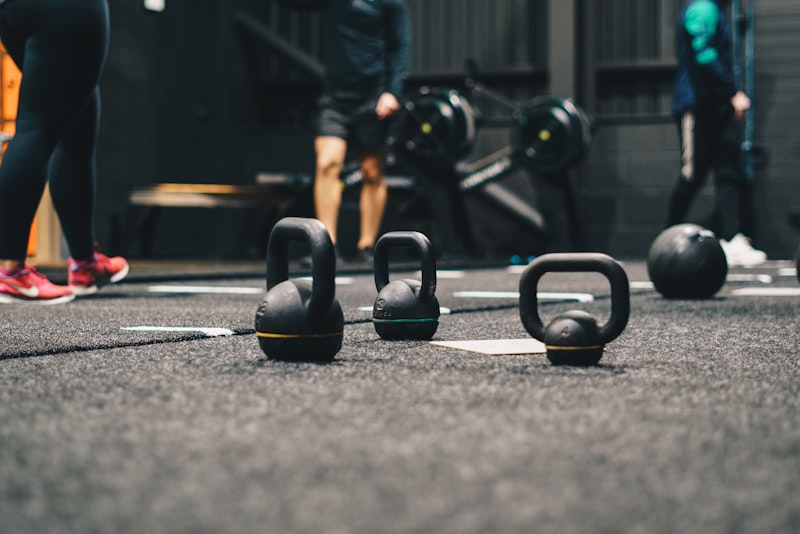
Functional training is more than a trend. It is an exercise style that targets movements you use every day. For example, picking up a box, climbing stairs, or getting up from a chair. Instead of training single muscles alone, it uses many muscle groups at once. Veja tambem: Progressive Overload Method in Training: How It Drives Real Results.
This method improves coordination, balance, and flexibility. Research from Harvard Health explains that functional strength helps you in just about everything you do. In other words, it makes daily activities safer and easier. Veja tambem: Importance of Rest and Recovery in Training: Why Athletes Need Downtime.
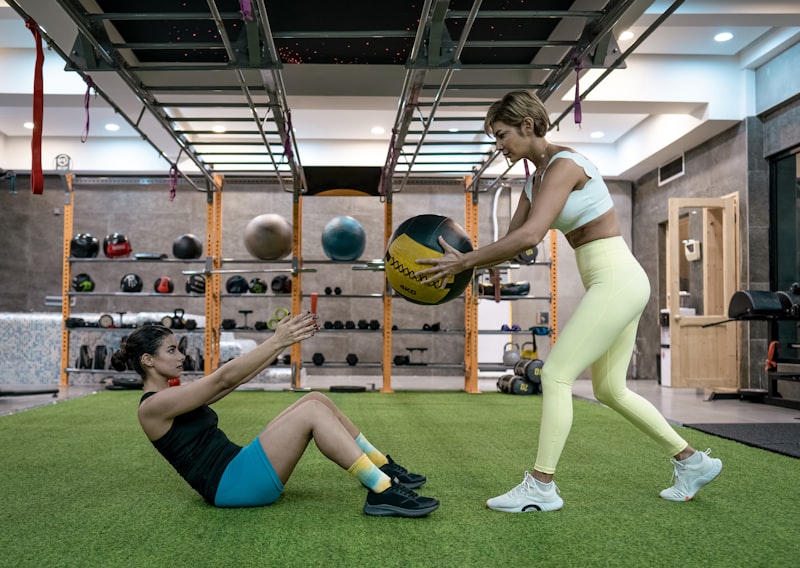
Functional exercises often use your body weight. You can also use tools like kettlebells, medicine balls, or resistance bands. Unlike machines that isolate muscles, functional moves include squats, lunges, and push-ups. These actions mimic natural body movement.
Because of this, functional training can lower injury risk. It teaches your body to move better and fix weak areas. For example, if you spend all day at a desk, this training can balance your muscles and improve your posture.
In addition, functional training adapts to all levels. Newcomers see rapid progress by learning basics. Athletes tailor moves for sport-specific gains. Seniors gain confidence and independence with better balance and strength.
Therefore, functional training is more than a workout—it is a way to build a body that works well in the real world.
How Functional Training Differs From Traditional Training
Traditional gym workouts often split routines by body part. For example, “leg day” or “back day.” However, these workouts may not always match real-life movements. In contrast, functional training focuses on how muscles work together.
For example, a squat uses the legs, hips, core, and even balance muscles. A regular leg extension machine only moves the thigh. Because of this, functional movements deliver better results for real-life activity and injury prevention.
Key Benefits of Functional Training for Fitness
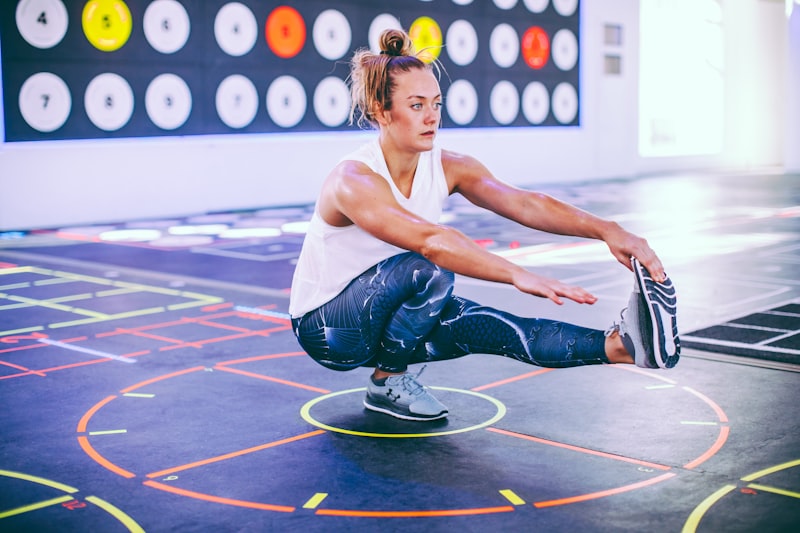
Functional training has many proven advantages. In fact, this is why it is a popular choice in gyms and clinics in 2026. Let’s look at the main benefits and how they can impact your daily life.
First, one of the top benefits of functional training is improved overall strength. Unlike standard strength training, functional moves activate multiple muscle groups at the same time. For example, a lunge with a twist works your legs, hips, core, and upper body.
Second, it boosts balance and stability. Real-life activities—from walking the dog to playing tennis—demand steady balance. Studies show that multi-joint movements can improve balance in people of all ages.
In addition, this training style supports better posture and alignment. Many people spend hours sitting, leading to weak muscles and pain. By using core-based movements and stretches, functional training helps fix these issues.
This method also helps your heart and lungs. Because the workouts are dynamic, they often raise your heart rate and burn calories. In other words, you get strength plus cardio in just one session.
Finally, functional training reduces the risk of injury. Since exercises copy real daily motions, your joints and muscles learn to work together. This makes sudden twists or lifts in real life less likely to cause harm.
For those looking to age well, functional training keeps you moving and independent. Seniors see greater mobility and lower fall risk. Busy professionals save time by combining cardio, strength, and flexibility in one workout.
Real-Life Results and Success Stories
A study in the Journal of Sports Science & Medicine found that people over 60 who used functional training had 30% better balance than those who did regular gym routines. In 2026, many fitness centers use these results to shape their classes.
For example, companies like Orangetheory and F45 base their classes on full-body, functional moves. Trainers report faster client progress and fewer injuries compared to standard lifting routines.
How Functional Training Supports Daily Life and Performance
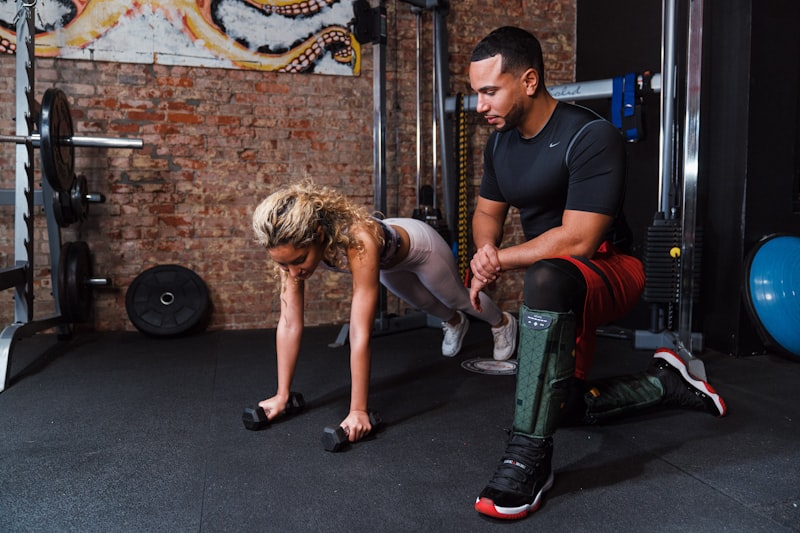
One of the major draws of this method is how it helps you move better in real life. In fact, athletes, busy parents, and office workers all benefit from this approach.
First, functional training promotes movement patterns you use every day. Squats mimic standing up from a chair. Rotational lunges copy turning to lift a bag from your car. As a result, you get stronger for real situations.
In addition, parents find they can keep up with young children more easily. The training improves their ability to bend, lift, and play without pain. Office workers use these workouts to counteract long hours at a desk. Core moves reduce back pain and boost energy.
Athletes gain a strong edge with this style. Many sports, including soccer, basketball, and tennis, require multi-direction movement. Functional training uses drills that build agility, balance, and speed. Therefore, players see sharper performance and less downtime.
Active seniors gain independence through better mobility and balance. Regular training helps with climbing stairs, walking safely, and carrying groceries. As a result, many older adults are able to stay active and social longer.
Because everyone’s life is different, functional training can be customized. Trainers assess your needs and design moves to help you reach your goals. For example, someone training for a marathon may focus on lower body strength and stability. On the other hand, a new parent may build upper body endurance for carrying a baby.
Functional Training in Workplace Wellness Programs
In 2026, many companies use functional training in wellness programs. Research from the Centers for Disease Control and Prevention (CDC) shows active employees have fewer sick days and higher work output. As a result, group classes that use practical movements are gaining popularity.
These programs not only build physical fitness but also improve team spirit. Group training, especially with bodyweight circuits, is simple to learn and keeps workers engaged.
Core Principles and Types of Functional Exercises
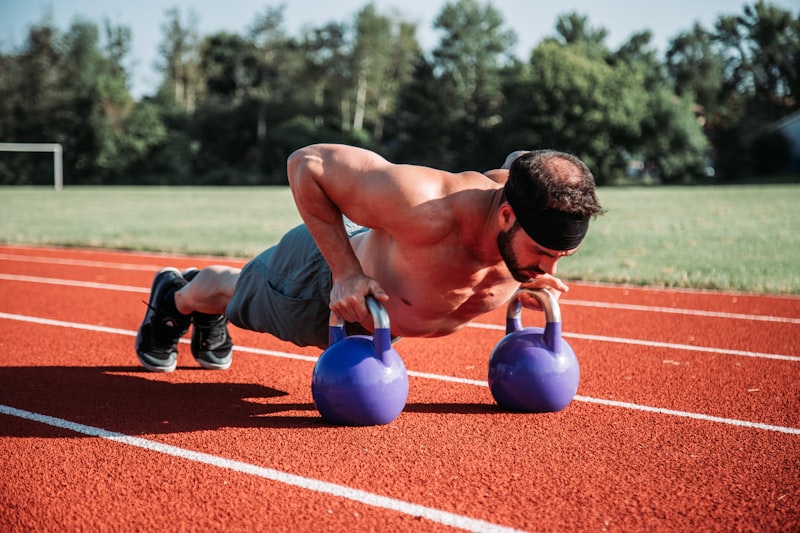
To get the most from this style of training, you should understand its basic principles. This section highlights the key elements that set it apart from other fitness programs.
First, focus on movement quality, not just quantity. Correct form prevents injuries and makes each exercise more effective. Instructors design routines to mirror daily movements, always stressing proper technique.
Second, use compound movements. These exercises work more than one joint and muscle group at once. Examples include squats, lunges, deadlifts, and push-ups. Because of this, they help build real-world strength and coordination.
Next, always engage your core muscles. Your core stabilizes your spine and powers most daily actions. Functional training spends more time on moves like planks, twists, or medicine ball throws to build this base strength.
Flexibility is another core principle. Muscle tightness limits movement and raises injury risk. This approach includes stretching and mobility work with every session.
Types of functional exercises range from simple to advanced. Beginners may do basic bodyweight squats or step-ups. Advanced athletes try weighted carries, kettlebell swings, or balance drills.
In summary, the main features of functional training are:
- Dynamic, compound movements
- Focus on balance and stability
- Core muscle engagement
- Flexible for all ages and fitness levels
- Bodyweight Squats: 3 sets of 12 reps
- Reverse Lunges: 3 sets of 10 reps each leg
- Push-Ups: 3 sets of 8-12 reps
- Plank Holds: 3 rounds of 30 seconds
- Step-Ups: 3 sets of 12 reps each leg
- Supermans (for back strength): 3 sets of 12 reps
Sample Functional Training Routine
Here’s a sample routine designed for home or gym:
For added challenge, use dumbbells or resistance bands. These moves build strength, balance, and endurance. In other words, they give you the full benefits of this practical training style.
How to Start Functional Training and Avoid Common Mistakes
Functional training delivers impressive benefits. However, you need the right approach to avoid injury and see real progress. Here are key steps to start safely and effectively in 2026.
First, always check with a doctor before starting new exercise, especially if you have health concerns. This is important at any age, but even more for older adults.
Second, begin with a movement screen or fitness assessment. Many gyms offer these as part of introduction classes. An assessment finds your weak spots, poor posture, or muscle imbalance. As a result, a coach can create a safe, tailored plan.
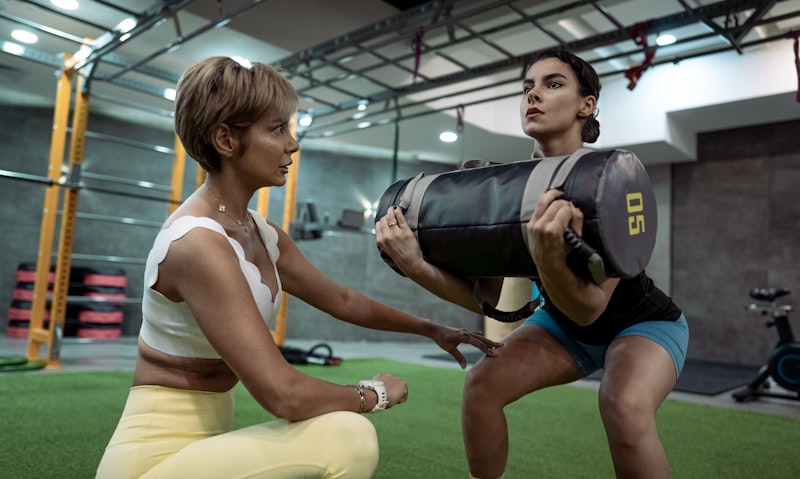
Next, focus on quality, not just speed or heavy weights. Use slow, controlled moves and correct form in every set. If uncertain, spend your first sessions with a certified trainer. They will teach you the right way to squat, lunge, and balance.
Start with 2-3 sessions per week, lasting 30-45 minutes. Combine full-body exercises, core moves, and flexibility drills. As you improve, add more complex exercises or increase resistance.
Because everyone’s needs are different, always listen to your body. Mild soreness is normal, but sharp pain is not. Take time for warm-ups and cooldowns to protect your joints and muscles.
Progress comes with patience and consistency. After 2-3 months, you will notice better strength, easier movement, and higher energy. However, keep challenging yourself to avoid plateaus.
Avoiding Injury and Staying Motivated
Many beginners try to copy advanced routines from the internet too soon. This can lead to sprains or overuse injuries. Therefore, always start simple and add new moves as you gain skill.
Set small, specific goals. For example, “Hold a plank for 60 seconds” or “Complete 20 lunges without wobbling.” Track your results to stay motivated.
In 2026, many fitness apps and smartwatches offer functional workout programs. Some guide you through routines and check your form with video. Use these tools to stay on track and make safer progress.
Conclusion
The benefits of functional training for fitness go far beyond building muscle. This approach helps you move better, stay safer, and thrive in real life. Its focus on practical, multi-muscle movements leads to better strength, balance, and endurance for any age.
As we have seen in 2026, more gyms, companies, and healthcare experts recommend this style. Beginners, athletes, seniors, and busy professionals all benefit. By starting slow and focusing on quality, anyone can enjoy rapid, lasting progress.
Ready to discover the impact of functional training for yourself? Begin with simple moves, track your progress, and enjoy the results in daily life. For more information, check resources like Mayo Clinic’s guide to functional fitness. Commit to this modern way to build a better, stronger, and healthier body today.