
If you want real, lasting results, training and conditioning for weight loss is a smart, science-backed choice. This approach does more than just burn calories. In fact, it builds better habits for lifelong health.
Therefore, knowing what, how, and when to train is key to losing fat and keeping it off. In 2026, with so many training options, many people wonder where to start. This article breaks down the best methods, real data, and practical advice to help you succeed.
Modern fitness is not just about working hard. It is about working smart. With reliable research and proven strategies, you can lose weight while building strength and confidence.
Understanding Training and Conditioning for Weight Loss

Training and conditioning for weight loss combines exercise routines with a focus on overall physical improvement. It is not only about cutting pounds. It helps improve how your body moves and works. There are several key principles that guide this method. Veja tambem: Progressive Overload Method in Training: How It Drives Real Results.
First, these routines mix strength workouts, cardio, and mobility drills. Each type of exercise plays a role in burning calories and improving fitness. For example, resistance training helps build muscle. This increases your resting metabolic rate. In other words, your body burns more calories even when you are not moving. Veja tambem: Training and Conditioning Tips for Busy Schedules: Maximize Results Fast.
Cardio sessions increase your heart rate. As a result, you burn energy during and after your workout. Conditioning often includes functional exercises—moves that improve strength and endurance for everyday life. Veja tambem: Conditioning Training for Basketball: Effective Programs and Methods.
According to the CDC, adults should aim for at least 150 minutes of moderate-intensity aerobics each week, plus two days of muscle-strengthening activities. Following these guidelines balances calorie burning with strength for better results. For more information, see the CDC’s recommendations. Veja tambem: Best Boxing Conditioning Training: Top Workouts for Peak Performance.
Additionally, variety in exercise stimulates ongoing improvement. When you change up your routine, your body keeps adapting. This makes weight loss more sustainable. Consistency is important. In fact, regular workouts are more effective than sporadic bursts of effort.
Finally, conditioning programs take lifestyle into account. Proper rest, hydration, and nutrition all boost the effects of your workouts. It is not just about the gym. Healthy daily habits help the pounds come off and stay off.
Training Types and Their Effects on Weight Loss
You can tailor your routine using several styles of training. For example, high-intensity interval training (HIIT) alternates intense work with rest. Therefore, you burn a lot of calories in a short period. On the other hand, steady-state cardio like jogging or brisk walking is lower intensity but can be done longer.
Strength training includes bodyweight moves, free weights, or machines. Because more muscle means a higher daily calorie burn, it is an important part of any conditioning plan. Mobility exercises like stretching and yoga help prevent injury. They keep your body ready for the next session.
Building an Effective Weight Loss Program with Conditioning
A balanced program is the backbone of success. When you mix different types of exercise, you target fat loss and overall fitness together. Let’s see what a solid weekly plan might look like.
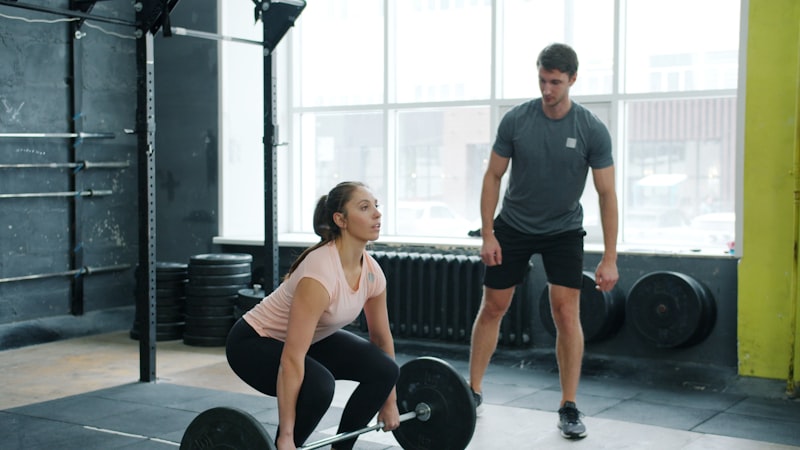
Start with three days of strength training. Choose full-body workouts for best results. For example, use squats, push-ups, deadlifts, and rows. These moves work many muscles at once and burn more calories.
Add two days of HIIT or circuit training. These workouts can be done with weights, stationary bikes, or simple bodyweight moves. Keep sessions short—about 20-30 minutes—but push your effort. As a result, you get a larger “afterburn” effect, which means your body continues to burn calories even after you stop.
Include one or two moderate cardio sessions. Activities like fast walking, cycling, or swimming are great. They keep your heart healthy and give your body a break from high-intensity work.
Do not skip mobility and stretching. Ten minutes, several days a week, is enough to help prevent soreness and injury.
In summary, combining all these forms builds a program that addresses every part of weight loss. If you are new to exercise, start with lower volume and increase as your strength grows. As you progress, you can add sets, reps, or lengthen your cardio.
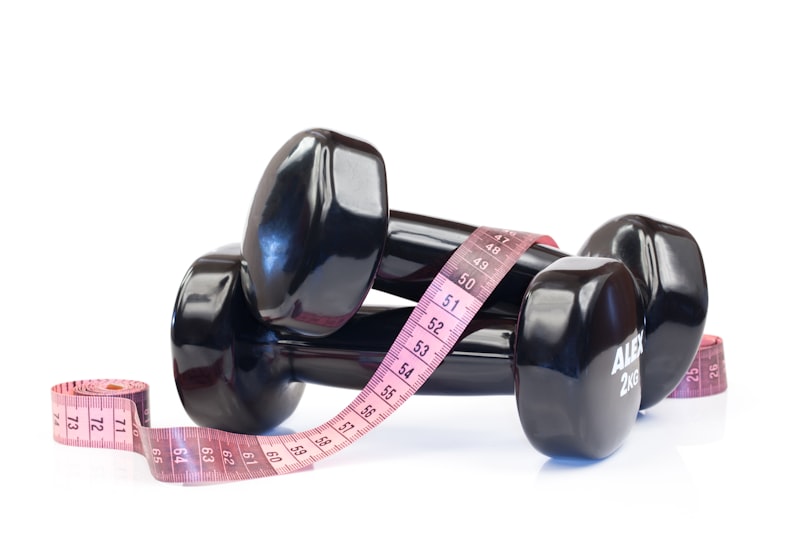
Track your progress. Use simple tools like a workout log or app. In addition, consider measuring your waist, hips, or body fat rather than just your weight. This shows real results even when the scale moves slowly.
Most importantly, recovery is as vital as training. Schedule at least one full rest day per week. Use this time for active recovery like walking or gentle stretching.
Nutrition and Lifestyle Factors for Weight Loss Success
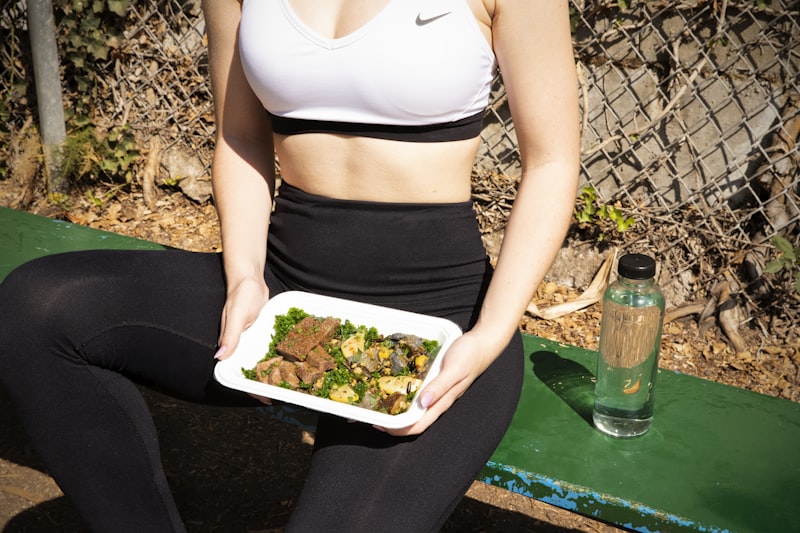
No training plan can outwork a poor diet. Nutrition supports training and conditioning for weight loss as much as the exercise itself. Therefore, adopt sensible, sustainable eating habits.
Focus on whole foods. Fill most of your plate with lean protein, vegetables, fruits, and whole grains. These foods provide lasting energy and help muscles recover and grow.
Undereating can backfire. If you eat too little, you might lose muscle along with fat. For adults, the Academy of Nutrition and Dietetics suggests aiming for a daily calorie deficit of 500-750 calories for safe weight loss. That usually means losing about one to two pounds per week.
Hydration is important too. Drinking water before meals can help with hunger control. In addition, staying hydrated improves performance in your workouts.
Avoid fad diets or extreme restrictions. Long-term success comes from making small, steady changes instead of sudden, drastic moves.
Lifestyle choices also matter. For example, try to sleep at least seven hours per night. Lack of sleep disrupts hormones that control hunger and stress. As a result, it is harder to lose weight. If you need more guidance, the National Institutes of Health provides great tips for healthy weight loss.
Social support can help you stay on track. Tell friends, join an online group, or hire a coach for accountability. On days when you lack motivation, this network encourages you to keep going.
Finally, set clear, realistic goals. Write them down. In addition, celebrate small wins along the way to stay motivated.
Common Challenges and How to Overcome Them

Many people struggle to keep their training and conditioning for weight loss routine going. It is easy to feel stuck, bored, or unmotivated. However, simple strategies can help you push through common obstacles.
One big issue is hitting a plateau. Your weight stops dropping, even though you’re still working hard. This happens because the body adapts to repeated routines. To overcome this, change something every few weeks. For example, increase your weight, switch exercises, or raise the intensity of your cardio. Variety helps keep results coming.
Another challenge is lack of time. Busy schedules can push workouts to the side. In this case, focus on shorter, more efficient routines. HIIT or home-based circuits can take as little as 20 minutes but provide strong benefits.
In addition, many people get discouraged by slow progress. It helps to remember that weight loss is not always linear. There may be ups and downs. Measuring success by how you feel, how your clothes fit, or improvements in strength can be more motivating than numbers on the scale.
Injuries and soreness are also common. Always warm up before your sessions. Listen to your body. If you feel pain that does not go away, take time to rest. Pushing through serious discomfort can lead to setbacks.
Finally, mental stress plays a big role. High stress can stall progress by causing overeating or missed workouts. On the other hand, exercise itself can reduce stress and boost your mood. Try to use training time as a positive break from your daily routine.
If you slip up, do not be too hard on yourself. Consistency, not perfection, builds the long-term habits you need for success.
Sample Training and Conditioning Routines for Weight Loss
Having a sample week can make it easier to get started. Here are two example routines—one for beginners and one for intermediate exercisers—to guide your training and conditioning program.
Beginner Routine
- Monday: Full-body strength (bodyweight squats, wall push-ups, lunges)
- Tuesday: Brisk 30-minute walk
- Wednesday: Rest or gentle stretching/yoga
- Thursday: Circuit training (step-ups, crunches, planks) for 20 minutes
- Friday: Light cardio (cycling or swimming for 30 minutes)
- Saturday: Rest
- Sunday: Optional walk or guided stretching
- Monday: Full-body resistance (dumbbell squats, bench presses, rows)
- Tuesday: HIIT (30 seconds sprint, 1 minute walk, repeat 10x)
- Wednesday: Pilates or dynamic stretching for mobility
- Thursday: Upper/lower split weights (lunges, pull-ups, push-ups)
- Friday: Cardio (45 minutes steady-state, like cycling)
- Saturday: Core and mobility drills (planks, bridges, yoga)
- Sunday: Rest or long walk
This plan keeps sessions short, with a focus on easy-to-learn moves. As a result, beginners can build habits without burning out.
Intermediate Routine
With advancing fitness, sessions get longer and challenge different skills. As a result, the body keeps adapting. This helps break through plateaus and encourages ongoing progress.
Feel free to adjust exercises, rest days, or session lengths to fit your needs and schedule.
Conclusion
Training and conditioning for weight loss is one of the most reliable and efficient ways to reach your health goals in 2026. By combining strength, cardio, and flexibility, you can support fat loss and overall fitness. Nutrition, sleep, and daily habits also play a big role in your results.
In summary, mix up your routines and keep sessions consistent. Focus on whole foods and get enough rest. If you hit a plateau or lose motivation, try small changes or find support. Long-lasting change comes from steady, smart effort. Start your own training and conditioning routine today and see real results for yourself.