
The progressive overload method in training is one of the most effective ways to achieve real, lasting improvements in strength and fitness. In 2026, this approach remains a cornerstone for athletes, fitness enthusiasts, and anyone who wants to avoid hitting a plateau. Understanding how it works can help you structure your workouts for the best possible results.
Many people struggle to see steady progress with their fitness routines. They wonder why results stall, even as they keep showing up. However, using progressive overload can break through these plateaus.
In this article from ismartfeed.com, we will explore what progressive overload really means and how to use it. We will also cover how to track your progress, common mistakes to avoid, and practical ways to include this principle in your own training plan.
Understanding the Progressive Overload Method in Training

The progressive overload method in training is a science-backed approach. It means you gradually increase the workload on your muscles or cardiovascular system as your body adapts. In other words, the goal is to push the body just beyond its current limit over time. Because of this, your muscles, bones, and nervous system are forced to adapt and grow stronger.
For example, if you lift the same weights at the same intensity every session, your body will stop adapting. Progress slows down. By slightly adding more weight, performing extra repetitions, or reducing rest periods, you force your body to adjust. Research shows this principle is crucial for both strength and muscle growth. According to a 2023 review in the Journal of Strength and Conditioning Research, individuals who applied overload saw up to 40% greater gains in muscle compared to those who did not.
Progressive overload can be applied in many ways, not just by increasing the weight you lift. For endurance athletes, it could mean running further or increasing the intensity of aerobic workouts. In fact, personal trainers use this method to help clients break through plateaus in all kinds of training—weightlifting, running, cycling, and more.
Practical Mechanisms for Overload
There are several practical ways to apply overload:
- Increase the weight or resistance
- Add more repetitions or sets
- Increase training frequency
- Reduce rest time between sets
- Improve exercise technique for greater efficiency
- Add 2.5 to 5 pounds to all your main lifts
- Run an extra half mile
- Perform one extra set of an exercise
- Shorten rest breaks by 10 seconds
- Increase only one variable at a time (e.g., weight or reps, not both)
- Listen to your body. If you feel pain or extreme fatigue, hold steady or rest.
- Take a “deload” week every 4-6 weeks. This helps with recovery and resets your nervous system.
- Adjust your nutrition and sleep as you increase your training, because recovery becomes more important as workload grows.
- See long-term progress
- Identify when you last increased a variable
- Avoid unintentional stagnation
- Spot early signs of overtraining
For instance, if you normally bench press 100 pounds for 10 reps, try moving to 105 pounds, or aim for 12 reps. As a result, your muscles face a new stimulus.
Finally, it is crucial to make changes gradually. The best practice is to increase only one variable at a time, and in small steps. This approach lowers injury risk and allows your body to adapt safely.
Why the Progressive Overload Method Matters for Modern Fitness Goals

The landscape of fitness and personal training has changed a lot in 2026. Gyms are filled with more diverse age groups and experience levels. There is a surge in interest for data-driven methods and health tracking apps. Because of this, the progressive overload method fits perfectly into today’s digital health culture.
Studies in 2025 showed that people who used apps or devices to log their workouts made faster progress. For example, a study published by the American Council on Exercise found that users following structured, incremental overload plans gained about 25% more strength in eight weeks than those using random routines.
In addition, the progressive overload method is highly adaptable. You do not need to be an elite athlete to benefit. Whether you are a beginner doing bodyweight squats or a marathon runner chasing a new best time, this approach keeps challenging you. As a result, you avoid stagnation and continue to see results.
On the other hand, failing to apply overload can lead to boredom or frustration. Many people quit their fitness routines after several months because they no longer see changes. Adding small, consistent increases to your workouts helps you stay motivated.
Finally, this method also reduces the risk of overuse injuries because you increase the workload at a manageable pace. Training injuries are more common when people make big, sudden jumps in intensity or volume. Therefore, progressive overload is one of the safest ways to improve overall fitness.
How to Apply Progressive Overload in Your Training Routine

For the progressive overload method in training to work, you need a clear plan. It is not enough just to try harder each session. In fact, you can hurt your gains with random increases that do not give your body enough time to adapt.
First, set a baseline. Keep a record of weights, repetitions, distances, or times for each activity. This gives you data to measure progress.
Second, pick one variable to increase each week or every two weeks. For example, you might:
Let us look at a real-life example. Sarah, a 35-year-old with moderate experience, starts bench pressing 70 pounds for 3 sets of 8 reps. She adds 2.5 pounds each week. After six weeks, she is lifting 85 pounds for the same number of reps. Because of this structured progression, Sarah’s strength and muscle tone steadily improve.
Use some of these tips for safe and systematic overload:
Finally, remember that small consistent steps lead to big long-term changes. In summary, consistency is more important than the size of each increase.
Tracking Progress and Avoiding Plateaus

Using the progressive overload method in training also means tracking your progress. This is easier than ever in 2026, given the rise of fitness wearables and training apps. For instance, devices like smartwatches or connected gym equipment can store your weights, reps, and heart rate.
Tracking helps you:
For example, let’s say you have not increased weight or reps in any exercise for three weeks. That is a sign you may need to tweak your routine. Alternatively, if you notice your performance drops sharply, it may be time for more rest or a deload week.
Plateaus are normal in any training plan, but they are often overcome with small, deliberate changes. You might change exercise types, add a new form of resistance, or switch to a different set and rep scheme. A survey by the National Strength and Conditioning Association found that 80% of coaches recommend a formal tracking method to boost accountability and success with overload principles.
On the other hand, pushing too hard too fast is risky. Overtraining can lead to injury and burnout. In fact, more than 30% of recreational athletes reported some form of overuse injury after making large jumps in training intensity. Always watch for signs like loss of motivation, poor sleep, lasting muscle soreness, or higher-than-normal resting heart rate.
In summary, regular tracking keeps your progress visible, ensures you do not get stuck, and helps you stay motivated.
Common Mistakes and Practical Solutions

Applying the progressive overload method in training seems simple. However, many people make avoidable mistakes that stall progress or cause injury. Therefore, it is vital to spot these issues early.
One common error is increasing the load too quickly. For example, jumping from ten-pound weights to twenty pounds all at once can strain muscles and joints. Always opt for small, steady changes. Another mistake is ignoring form and technique. When the weight or intensity rises, people often use sloppy posture to compensate. However, this reduces muscle activation and increases injury risks. Prioritize good form with every increase.
In addition, some people focus only on one aspect of overload—like adding weight—but neglect others. For endurance athletes, increasing speed or distance without a plan can lead to overtraining. Instead, cycle between different overload variables. For instance, increase reps one week, then add weight the next. Or increase running volume for several weeks, followed by a focus on speed or hills.
Lack of rest is another challenge. Muscles need time to repair and adapt. In other words, training hard every single day is not always better. Schedule at least one full rest day each week. For most people, planning a recovery week every month improves results.
Finally, neglecting nutrition and sleep will limit gains, no matter how well you train. Protein intake, hydration, and at least seven hours of good sleep are required for muscles to recover and grow stronger. Therefore, make sure your lifestyle habits match your training commitment.
Conclusion
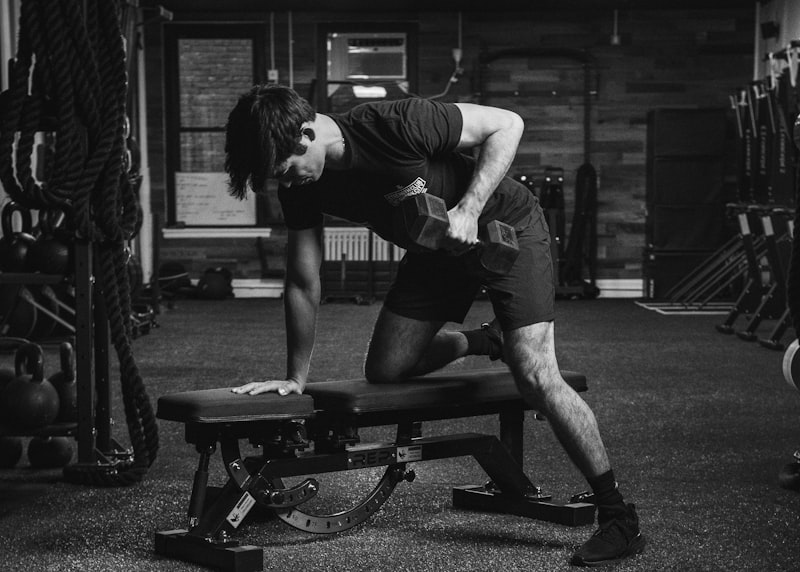
The progressive overload method in training remains a proven, essential approach for anyone who wants real progress in fitness and strength in 2026. By gradually increasing the stress placed on your body, you drive adaptation, growth, and better performance. Tracking your progress, making small, smart changes, and prioritizing recovery are key.
You do not need expensive gadgets or elite-level programming. Small, steady improvements make a big difference over time. For more expert advice and practical fitness strategies, visit ismartfeed.com and start planning your most effective workouts today.