
For grapplers, knowing the best recovery techniques after intense training can mean the difference between steady progress and chronic injuries. In 2026, recovery is not just a buzzword—it is a top priority for athletes who fight fatigue, soreness, and risk of injury each week. Therefore, let’s explore evidence-based recovery methods, tailored especially for those who train hard in grappling disciplines.
A smart recovery plan can help your body heal, maintain flexibility, and keep you on the mat longer. As we break down simple routines and proactive strategies, you will learn powerful ways to bounce back quickly and prevent common injuries. Let’s dig into recovery, mobility, and injury prevention with up-to-date tips for the modern grappler.
The Science Behind Recovery: Why It Matters for Grapplers
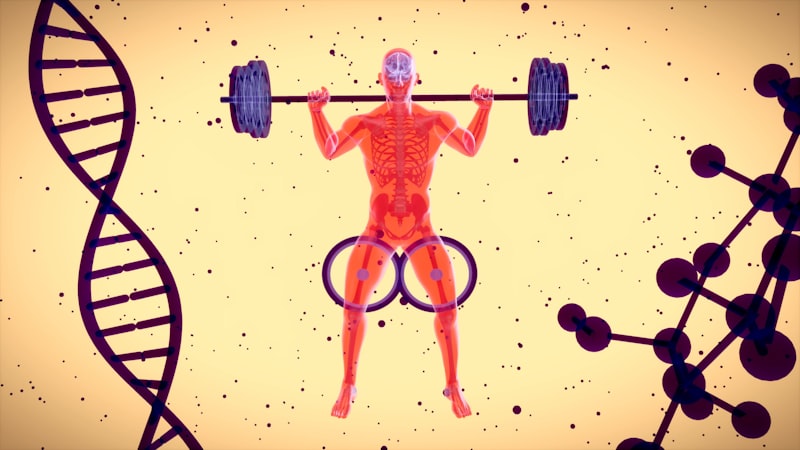
Effective recovery goes well beyond resting. For grapplers, intense sessions can push muscles, joints, and tendons to their limit. However, without the right recovery plan, even top athletes risk overtraining syndrome. According to the American Council on Exercise, overtraining can cause fatigue, declining performance, and greater injury risk. In other words, smart recovery is as vital as technical drilling. Veja tambem: Injury Prevention Tips for Beginners: Essential Guidance for Grapplers.
Inflammation and muscle breakdown occur after hard sessions. As a result, your body starts a complex repair process needing rest, nutrients, and gentle movement. Neglecting these steps often leads to tightness, joint pain, or even chronic tissue damage. For example, Brazilian jiu-jitsu and wrestling athletes who skip cooldown routines are much more likely to develop shoulder and back issues. Veja tambem: Best Techniques for Effective Guard Sweeps: Essential Skills for Success.
In addition, studies published in The Strength and Conditioning Journal show that active recovery methods often outperform simple rest alone. Gentle movement, light stretching, and planned nutrition can boost circulation and remove waste products built up during rigorous rolling or sparring. Because of this, your body heals faster and you get stronger adaptations from training. Veja tambem: Foam Rolling Exercises for Muscle Recovery: Essential Drills for Grapplers.
Hydration is another factor tied to recovery. Dehydration slows cell repair and causes cramps or muscle fatigue. Therefore, drinking water before, during, and after training can boost every other recovery method you use. Chose plain water or add an electrolyte mix during long sessions. Veja tambem: How to Create an Injury Prevention Routine: A Complete Guide for Grapplers.
Many grapplers also use wearable tech to track recovery. Tools like heart rate monitors and sleep trackers help reveal when your body is still tired. By watching your resting heart rate and sleep quality, you can adjust training loads and avoid overreaching.
Finally, psychological recovery is real. Intense grappling is mentally demanding. Giving yourself downtime, using mindfulness, or practicing box breathing can help lower stress. This helps with both muscle and mental repair.
Stretching and Mobility’s Role in Recovery
Mobility is the foundation for healthy grapplers. Gentle dynamic stretching after class improves blood flow, reduces muscle tightness, and lowers injury risk. Well-known grappling coaches, like John Danaher, emphasize targeted hip and shoulder mobility. In fact, a short mobility routine after class may cut your risk for groin pulls or hamstring strains.
Foam rolling, another form of self-myofascial release, can help by releasing muscle knots. Several studies in 2026 confirm foam rolling benefits for both muscle soreness and keeping range of motion. Rolling calves, glutes, and upper back right after hard sparring gives fast relief and speeds up tissue healing.
Active Recovery Techniques: Move, Don’t Just Rest
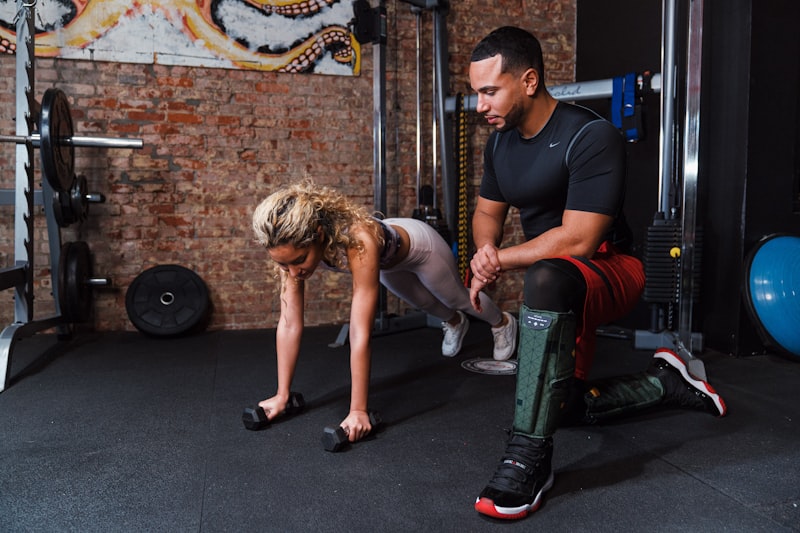
While total rest is important sometimes, active recovery is gaining ground as one of the most practical strategies for grapplers. In fact, active recovery days are now included in most professional grapplers’ weekly routines.
Active recovery means using low-intensity activities the day after, or even the evening of, a hard session. For example, you might go for a light swim, do yoga, use an exercise bike, or take a brisk walk. These activities boost circulation, clear lactic acid, and support better nutrient delivery to sore muscles.
Light movement also keeps joints supple. For grapplers who often battle tightness in the hips, shoulders, and lower back, active recovery is a simple way to maintain mobility. This is especially true for older athletes, as joint stiffness increases with age.
A 2026 review in the Journal of Athletic Training source found that 30-60 minutes of easy activity after hard physical exertion speeds muscle recovery and reduces delayed onset muscle soreness (DOMS). Therefore, scheduling your recovery sessions can help you return to the mat in better condition within 24 to 48 hours.
Besides classic forms of active recovery, grapplers now use newer tools, such as massage guns and compression sleeves, as part of their recovery day. These can be useful but should complement—not replace—the basics.
Lastly, drilling technical movements at half speed during active recovery keeps your “movement memory” fresh without adding fatigue. Many Brazilian jiu-jitsu academies offer specific recovery classes focused on bodyweight movement patterns and breathwork. These sessions provide the benefits of both skill development and muscle restoration.
Nutrition and Sleep: The Cornerstones of Effective Recovery
Recovery starts in the kitchen and finishes in the bedroom. No grappler can ignore the impact of nutrition and sleep on repair and performance.
Protein is critical after a tough session. Micro-tears in muscle fibers need amino acids to rebuild. In fact, experts often recommend 20–30 grams of protein within an hour after rolling. This could come from a protein shake, Greek yogurt, or lean meat. In addition, eating plenty of colorful vegetables and some fruit will supply antioxidants that fight inflammation, which is common after hard grappling sessions.
Carbs are your friend here, too. They refill muscle glycogen, your body’s fast energy store that gets used up during intense rolling or drilling. Aim to pair your protein source with a simple carb—like a banana or a slice of bread—right after training.
Supplements can play a supporting role in your recovery toolbox. For example, omega-3 fatty acids (found in fish oil) may reduce inflammation, and magnesium supports muscle relaxation. However, always consult a healthcare provider before starting new supplements.
Hydration, as mentioned earlier, is often overlooked. Athletes should drink enough both before and after training. Electrolyte drinks may help if sessions are long or extra sweaty.
Sleep is not a luxury; rather, it is the body’s prime recovery window. According to the Sleep Foundation source, most athletes need at least 7-9 hours per night. Deep sleep cycles are when the body repairs muscles, processes skills learned, and recharges the immune system.
To improve sleep, lower screen time before bed, create a dark environment, and keep a consistent schedule. Some grapplers use short guided breathing exercises before bed to fall asleep faster and sleep more deeply.
Recovery Tools and Routines: What Works for Grapplers in 2026
Modern grapplers have more recovery options than ever. However, not every gadget or method lives up to the hype. It’s important to know which tools and routines truly work.
Foam rollers remain a staple for post-training recovery. Spend 5–10 minutes rolling out major muscle groups, especially the back, hamstrings, and glutes. In addition, massage guns are now common. These can go deeper than foam rolling, but should be used with care. For best results, use massage guns on low settings and avoid bony or sore joint areas.
Another recovery trend is contrast therapy—alternating hot and cold exposure. Many grapplers use an ice pack or a cold bath after hard sparring, followed by a brief hot shower or sauna. This technique is believed to reduce swelling and speed up muscle repair. While research is mixed, many athletes find it helps reduce soreness and feels refreshing after long sessions.
Stretching routines are also key, especially focusing on dynamic stretches right after class. Grapplers need to target the hips, shoulders, and spine. Many coaches now include a short, gentle yoga or functional movement circuit at the end of practice to address this.
Breathing exercises and mindfulness also take center stage in 2026. Box breathing and guided relaxation exercises help reset the nervous system after intense rolling. This can lower cortisol (the stress hormone) and help your body shift into recovery mode.
Injury prevention drills are essential for longevity on the mats. Incorporate “prehab” moves such as banded shoulder rotations, hip openers, and ankle strengthening exercises into your weekly routine. These drills are simple, fast, and can greatly reduce common grappling injuries.
In summary, mixing classic tools like stretching, foam rolling, and proper nutrition with new gadgets and techniques gives grapplers the best odds for quick recovery and long-term health.
Conclusion
Choosing the best recovery techniques after intense training is vital for every grappler aiming for long-term progress and health. As we have seen, effective recovery involves much more than just rest. It means using active recovery methods, focusing on smart nutrition and sleep, and bringing in targeted tools and routines.
For grapplers, the payoff is huge—faster healing, improved mobility, and fewer injuries keep you rolling strong all year. As you build your recovery plan in 2026, focus on proven basics: move smart, eat well, and sleep deeply. Mix in mobility routines, gentle stretching, and tools like foam rollers or massage guns.
Above all, listen to your body. Recovery is individual. What works best for you might differ from your training partner, so track your progress and adjust your routines as needed. By making recovery as much a priority as drilling, you will gain a real edge on the mats—and enjoy your sport for years to come.