
Knowing how to use body language in self-defense situations is a key skill for anyone facing real-world threats. This approach works not by fighting, but by using posture, gestures, and movement to stay safe and avoid harm.
Most conflicts can be prevented or de-escalated before they turn physical. Therefore, having strong body language can show confidence, stop attacks, or buy time if escape is needed. On ismartfeed.com, our focus is on BJJ-based self-defense and safety in street situations. This article explains how body language helps in common grabs, strikes, and everyday threats.
In the next sections, you’ll learn proven tactics to defend yourself without violence. You’ll see examples from real events, and discover why body language is so important for self-defense.
Understanding How to Use Body Language in Self-Defense Situations
Body language is more than just posture. It covers all the non-verbal cues you send with your stance, hands, eyes, and movement. In self-defense, reading and controlling these cues is critical. They let you project calm. They make you seem alert and ready. Many attackers are looking for targets who appear weak or unaware. In fact, a study by Grayson and Stein (1981) found that attackers picked out potential victims in seconds—often just by watching how they walked or stood. People with confident, natural posture were less likely to be targetedsee the research. Veja tambem: Strategy & Tactics-Sandbox: Winning Game Planning and Positional Tactics.
Therefore, when you walk or stand, hold your head up. Relax your arms at your sides. Face forward and keep your eyes up—not fixed down on your phone. These simple steps send a clear signal: you are aware, alert, and not an easy target. For example, someone who walks with slouched shoulders, looks panicked, and avoids eye contact is more likely to be seen as vulnerable. On the other hand, a person with controlled, confident movements seems harder to attack. Veja tambem: List of Non-Physical Self-Defense Tactics: Essential Skills for BJJ Practitioners.
In addition, your hands are important. Keep them visible and ready in a non-threatening way. Learn to stand so you have good balance, like the classic “ready stance” from BJJ. Your feet should be shoulder-width apart, knees slightly bent, and your weight centered. This posture makes it hard for someone to throw or trip you. Plus, it lets you react quickly if needed. In summary, understanding how to use body language in self-defense situations gives you an advantage before an attack even starts. Veja tambem: What to Teach Teens About Self-Defense Scenarios: BJJ-Based Safety Guide.
How BJJ Principles Guide Your Body Language
Brazilian Jiu-Jitsu (BJJ) teaches practical self-defense against grabs and holds. For instance, BJJ stances involve a balanced, grounded posture. This helps you show control if someone tries to grab your arm or wrist. If you match your body posture to your intent—calm, confident, ready—you signal to the other person that you are not a target. This practice can reduce your risk before you ever need physical techniques.
Using Body Language to Prevent Escalation and Set Boundaries

In many self-defense situations, danger builds up before an actual attack. Therefore, setting boundaries early can stop violence before it begins. The way you use your body can make these boundaries clear.
First, use your hands to create space. Extend your arms forward, palms out, just below shoulder height—a move often called “the fence.” This action is non-aggressive, but it provides a buffer. It’s a classic technique recommended in personal safety courses and by law enforcement agencies see advice.
While doing this, use a firm, steady voice, matched with steady eye contact. You might say, “That’s close enough,” or “Please step back,” while keeping your hands up. The combination of clear words and assertive, non-threatening body language signals that you have control. In addition, keeping your shoulders square to the person means you are not turning your back. You are ready to react.
For example, if someone invades your personal space in a public place—like grabbing your wrist or stepping in front of you—the fence lets you move away and set the tone. If the person seems aggressive or tries to bypass your boundary, you can back up, pivot, or turn slightly sideways. This makes it hard for them to push you or grab hold. Moreover, this posture lets you keep an eye on your surroundings and plan your escape if needed.
On the other hand, aggressive or defensive body language—like puffing up your chest, clenching fists, or staring them down—may escalate things. In fact, research shows that aggressive cues can trigger aggression in others. Therefore, keep your movements open and controlled, not threatening.
When Words and Gestures Work Together
Combining verbal commands with the right body stance makes your intent clear. Saying “Stay back” with hands up is much stronger than words alone. Your goal is to give clear signals and deter someone from moving closer. If needed, you can add movement—stepping back or pivoting—to show you are not trapped. Because of this, many personal safety trainers teach these moves as the first line of defense.
Applying BJJ-Based Body Language During Common Grabs and Attacks
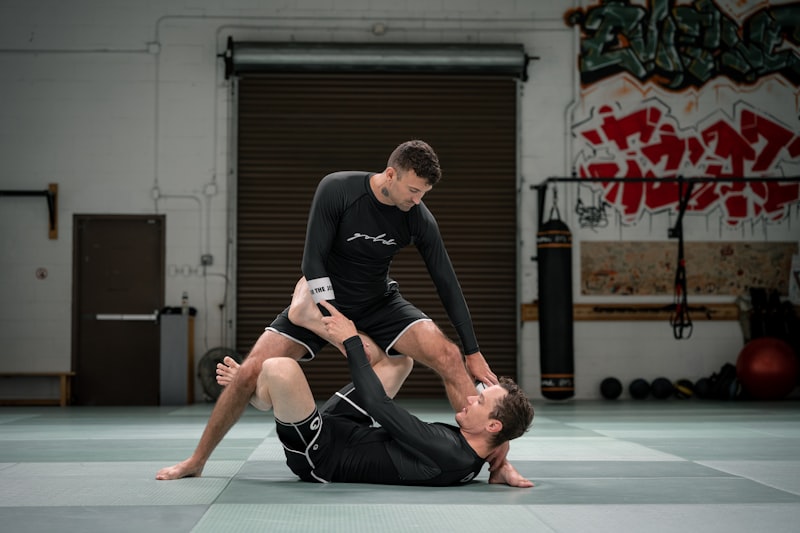
BJJ-based self-defense is effective against grabs and holds because it starts with strong body alignment. When someone grabs your wrist, shoulder, or clothing, your first response is not to pull away in panic. Instead, align your body for balance. Keep your elbows close to your sides, hands up, and knees bent. This stance absorbs force and prevents you from being pulled off balance.
For example, imagine a scenario where an attacker grabs your arm in a parking lot. Instead of twisting and pulling, pivot slightly toward the grab. This keeps your hips and shoulders facing the attacker and lowers your center of gravity. In addition, point your free hand at their chest, palm open. This shows you are ready to defend yourself while still avoiding aggression.
Similarly, if someone tries to push you, lower your stance and shift your weight backward. Spread your feet so you do not get knocked over. This is a basic principle in BJJ but is universal for self-defense. Therefore, many BJJ practitioners practice shifting their weight, controlling breath, and using their hip position to project strength—even before using a physical technique.
If the grab escalates, your body language helps you stay calm. Your open, ready stance keeps your options open—whether to break the hold or move away. Reacting with fast jerks or panicked movements can make things worse. Slow, deliberate moves, on the other hand, allow you to act with focus.
Example: Responding to a Wrist Grab
Let’s look at a common scenario. Someone grabs your wrist tightly. Instead of yanking your hand, use your other hand to reinforce your grip. Step in slightly, so you are not pulled forward. Keep your elbow close to your side, and rotate your wrist toward the attacker’s thumb. This uses the natural weakness in any grip. While doing this, look them in the eye and say loudly, “Let go of me!” The tone of voice, combined with the body motion, shows you are not easy to control. These movements come right from BJJ principles, but are simple and effective for anyone.
Recognizing and Interpreting Aggressive Body Language in Others
Knowing how to use body language in self-defense situations also means reading threats. People often signal their intent before they attack. Recognizing warning signs can help you prepare and avoid surprises.
In fact, attackers may display certain cues: clenched fists, shifting feet, narrowed eyes, or scanning the surroundings. Other signs include pacing, sudden changes in tone, or glancing at your valuables. Therefore, pay attention not just to their words, but to these physical signs.
Being able to “size up” a situation is a skill BJJ practitioners learn over time. For example, if two people are arguing and one starts to widen their stance, raise their chin, or put a hand in a pocket, these could all be pre-attack cues. In situations like these, increase your distance and keep exits in view.
At the same time, avoid “mirroring” their aggression. If someone squares up and raises their fists, do not make the same move unless you have to. Staying calm and keeping your hands open can sometimes de-escalate things. In addition, if you feel trapped, use the fence method and side-step out of the person’s direct line.
For those who practice BJJ or other grappling arts, reading these cues becomes natural. You learn to spot when someone is about to grab or strike. This lets you act faster and stay safe. As a result, even in high-stress situations, you can keep your cool and avoid freezing up.
In summary, the best self-defense often comes from awareness. Watching for physical signs of aggression lets you act early—by leaving, calling for help, or setting boundaries before violence occurs.
Integrating Body Language With Safe Escapes and Self-Defense Tools
While strong body language can prevent many attacks, it’s important to know when to use safe escape routes and, if allowed, legal self-defense tools (like alarms or whistles). Body language supports these tactics.
For example, if you use a loud personal alarm, match this with large, open gestures and a commanding voice. The goal is to draw attention and warn the attacker they have lost the element of surprise. In addition, when moving toward an exit, keep your posture upright and move with purpose. Avoid running in panic if possible. This helps prevent falls or being chased more easily.
If you carry a self-defense tool (like pepper spray, where legal), keep it in an accessible spot. Your stance should let you access it quickly without fumbling. Stand at a safe angle, with your weight back and knees bent. Clear eye contact and a calm move to activate your tool often deters further aggression.
On the other hand, never rely on gadgets alone. They work best when paired with confident, visible posture and strong voice commands. Training with these items in realistic scenarios (like mock street encounters or BJJ-based drills) prepares you mentally and physically.
Finally, practice these skills regularly. Rehearse walking confidently, using the fence, and moving with purpose in public places. Many BJJ schools teach situational awareness and body language alongside physical moves. This gives you a full toolkit to keep yourself safe.
Conclusion

Knowing how to use body language in self-defense situations gives you a real edge in the modern world. It combines awareness, confidence, and BJJ-based principles to help you avoid danger. By standing tall, making eye contact, and using controlled gestures, you show you are not a target. These skills help prevent escalation and give you time to use safe escape or self-defense options.
Practice examples like the ready stance, the fence method, and calm voice commands. Read others’ body language to spot danger early. As a result, you make smarter choices and lower your risk. Remember, the best self-defense begins before an attack ever happens.
For more detailed guides and practical training tips, check out trusted resources like Rener Gracie’s safety courses. Take the time to practice these tactics with friends or at your BJJ academy. Stay alert, stay confident, and always put safety first.