
The best submissions for beginners in grappling provide a strong technical base and build early confidence on the mat. These moves not only help you finish matches but also teach important concepts of control, leverage, and position.
If you are new to grappling arts like Brazilian Jiu-Jitsu (BJJ), judo, or submission wrestling, starting with the right submissions is key. In fact, a good foundation helps you progress faster, stay safer, and enjoy your training more. This article explains essential armlocks, chokes, and leg locks beginners need, and how to practice them safely from dominant positions.
In addition, you will see practical tips, common mistakes, and useful resources. Whether you’re training for fun, sport, or self-defense, mastering these simple finishes gives you an edge and sets you up for long-term success.
The Fundamentals: Why Start with Basic Submissions?
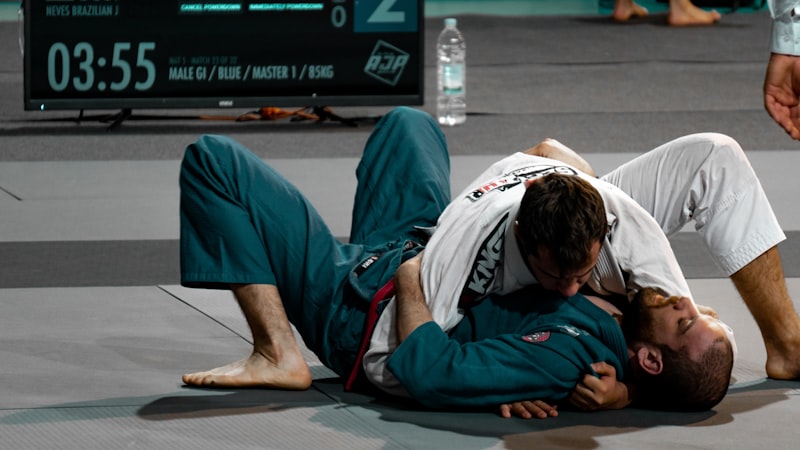
Learning the best submissions for beginners in grappling builds a solid base for more advanced skills. Many of these moves are classic finishes used by elite athletes in major tournaments and local competitions alike. Veja tambem: Injury Prevention Tips for Beginners: Essential Guidance for Grapplers.
First, the reason basic submissions are so effective is that they fit well with the fundamental concepts of grappling: position before submission, control, and safety. For example, moves like the armbar or rear naked choke work from dominant positions and use simple, direct mechanics. Veja tambem: How to Escape Common Grappling Submissions: Essential Techniques Explained.
In addition, focusing on basic submissions reduces the risk of injury. Beginners tend to make mistakes with more complex techniques, which can lead to uncontrolled scrambles or even accidents. Therefore, learning submissions like the kimura or triangle choke not only increases your chance of success, but also protects you and your training partners. Veja tambem: Explaining Submissions and Finishes in MMA: A Complete Guide.
For example, in Brazilian Jiu-Jitsu, studies show that over 60% of white belt finishes come from just a handful of submissions, mostly armbars, cross-collar chokes, and Americana locks. This data, cited by sources like BJJ Heroes, highlights how important it is to focus on high-percentage, reliable techniques.
Because of this, coaches and instructors often advise new grapplers to learn simple finishes first. This way, they develop muscle memory, learn how to control an opponent, and understand the flow of a match or roll.
Key Armlocks Every Beginner Should Know
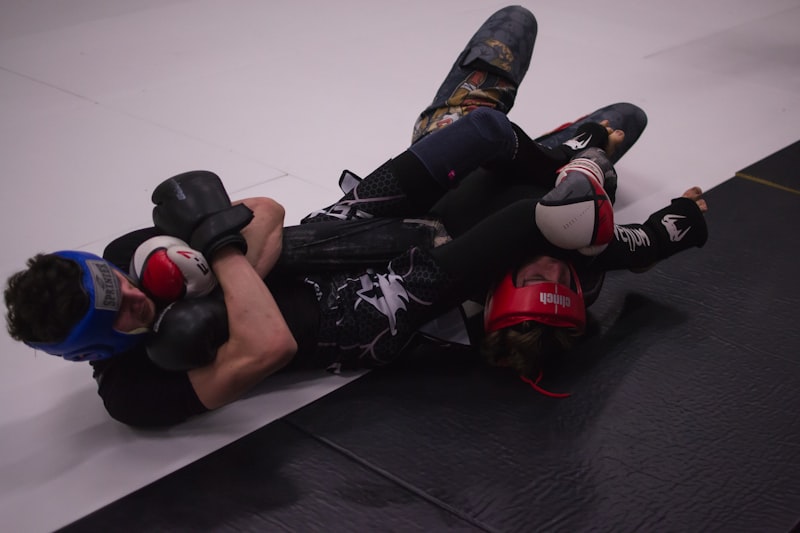
Armlocks are among the best submissions for new grapplers because they use leverage and control. These moves are safe to drill, easy to recognize, and effective in most positions.
Armbar from Mount
The armbar from mount is a classic submission useful in many grappling arts. You control your opponent’s upper body, isolate an arm, and use your hips to apply pressure to the joint.
Here’s how to do it:
- First, establish mount and keep your weight low.
- Next, pick your opponent’s arm and use your knees and hands to trap it.
- Swing your leg over their head, sit back, and pinch your knees.
- In addition, secure the wrist and finish by slowly extending your hips.
- First, take your opponent’s back and secure your hooks.
- Slip one arm under their chin and grab your own biceps.
- Place your free hand behind their head and squeeze by pulling your elbows together.
- From mount or closed guard, reach deep into your opponent’s collar with one hand.
- Feed your second hand across and grab the opposite collar, palm up.
- Pull your wrists together while pulling their head down.
- Always tap early and encourage partners to do the same.
- Avoid twisting motions or rapid jerks, especially during live sparring.
- Ask your coach for supervision and feedback.
- In addition, focus on technical accuracy, not brute strength.
- Rushing the finish: Slow down, control the position, and keep your opponent pinned before attacking.
- Ignoring defense: Pay attention to your opponent’s counters. Adjust your grips and body position.
- Forgetting safety: Never crank or use power when applying submissions, especially on joints.
This move teaches timing and balance. It also teaches you how to move from a dominant position to a finishing attack. Because of its simplicity, you can practice it safely with almost any partner.
Americana (Keylock) from Side Control
The Americana (or figure-four armlock) is another staple for beginners. It works best from side control, which is a dominant pin. The mechanics are simple: you trap your opponent’s wrist with one hand, reach under their arm with the other, and “paintbrush” the hand toward their hip.
This submission is easy to see and hard to escape if done correctly. It also helps you learn how to control the upper body while looking for a finish. For example, many white belts successfully submit opponents with the Americana early in their training.
Kimura Lock
The kimura is similar to the Americana but attacks the arm in the opposite direction. It can be performed from guard, side control, or even standing. Because of this, it is versatile and helps you develop a sense of timing and grip pressure.
Beginners should focus on keeping the wrist tight and using their whole body, not just their arms. As a result, the kimura becomes a safe, powerful option for ending matches.
Simple Chokes: Building Submission Success from Dominant Positions
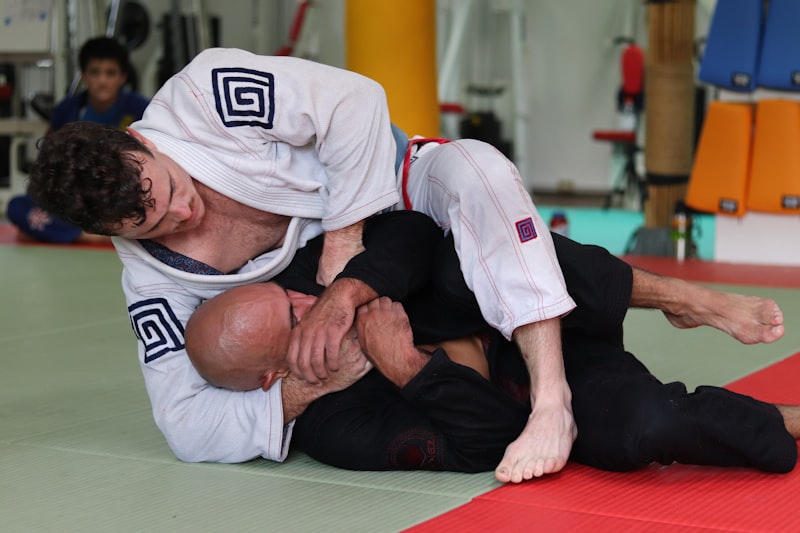
Chokes are another group of finishes suited for beginners. They do not rely on strength, but on correct mechanics and patience. In many cases, a well-applied choke leads to a fast tap, even against a larger or stronger opponent.
Rear Naked Choke
This choke, known as the “RNC,” is often called the king of submissions. You perform it from the back, one of the safest offensive positions. Because you control both your opponent’s upper body and neck, escapes are hard.
To do this choke:
Many grappling matches, both sport and MMA, end with the rear naked choke. In fact, data from FightMetric shows it is one of the most common finishes in professional MMA.
Cross Collar Choke (Gi Only)
If you train Jiu-Jitsu with a gi, the cross collar choke is a must-learn. It teaches you how to use the gi as a weapon and reinforces the importance of grip fighting.
Here’s how to do it:
This technique is effective at all levels and builds strong fundamentals of grip and pressure.
Guillotine Choke
The guillotine works when your opponent tries to shoot or duck under you. You catch their head, wrap your arm around their neck, and apply pressure by lifting your elbow while squeezing with your arms.
The guillotine can be done with or without the gi, from guard or standing. It is one of the most-used chokes in no-gi grappling because of its speed and threat during scrambles.
Introduction to Basic Leg Locks for New Grapplers
While leg locks can be risky if applied incorrectly, certain entries are becoming safer and more accepted for beginners—especially in no-gi systems.
Straight Ankle Lock
The straight ankle lock is often the first leg submission most beginners learn. In many BJJ schools, this is the only leg lock allowed for white belts due to its low risk and simple mechanics.
You attack your opponent’s foot while keeping your own legs controlled. Your goal is to hyperextend their ankle by using your hips, arms, and proper grip (known as the “figure-four” grip).
It’s critical to apply this submission slowly. Communicate with your partner to avoid accidental injury. When trained safely, the straight ankle lock teaches control of distance, grip hand-fighting, and foot positioning.
Key Safety and Control Tips
Leg locks, when used properly, teach important details of lower body control and help round out your submission game. However, always follow your academy’s rules and instructor’s advice.
How to Practice Submissions Safely and Effectively
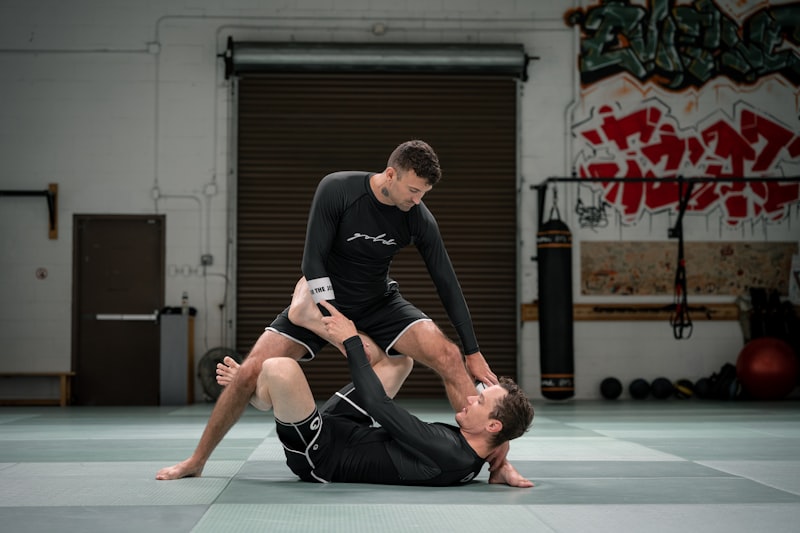
Knowing the best submissions for beginners in grappling is only the start. Practice, safety, and good training habits matter even more. Developing correct habits from the beginning reduces bad habits and makes learning advanced moves easier later.
Drilling and Repetition
Most coaches agree that drilling simple submissions repeatedly is key. For example, you should practice moves like the armbar, kimura, and rear naked choke with slow, controlled reps. As you develop muscle memory, increase your speed and add light resistance.
In addition, flow drills—where you link moves together, such as going from mount to armbar or from back control to choke—teach you how to transition smoothly between positions. These drills help avoid panic in live rolls.
Live Sparring and Positional Rounds
Positional training means starting from specific situations, such as mount, back control, or closed guard. Focus on perfecting finishes from these places without being distracted by scrambles.
For beginners, start with a “tap early, tap often” approach. If you feel pain—or if your partner does—stop and reset. In fact, you will learn faster when sparring at 50-70% intensity because you have time to think and refine your movement.
Common Submission Mistakes
Following these pointers not only helps you land your first submissions but also earns the respect of higher belts and keeps your training partners coming back for more.
Progression: When to Add New Submissions to Your Game
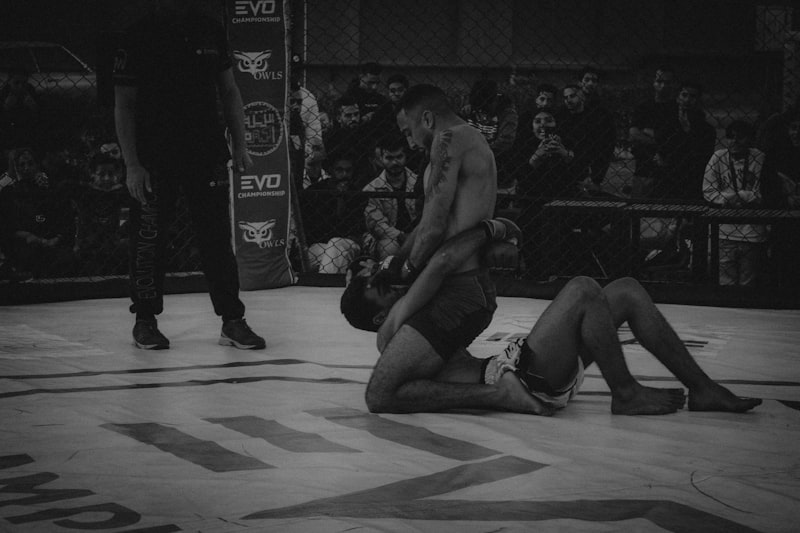
Many new grapplers feel pressure to learn every submission they see on social media or in advanced classes. However, experts suggest mastering a handful of reliable moves before expanding your arsenal.
According to top instructor John Danaher, basics like the armbar, triangle choke, and rear naked choke work at every level—even for world champions. The focus, therefore, should be on perfecting set-ups, control, and timing.
Once you consistently finish these classic submissions, you can explore more complex attacks such as triangle-armbar combinations, lapel chokes, or advanced leg locks like the heel hook (if allowed). In addition, as your knowledge of positions and escapes improves, your submission success rate will increase.
Tracking your success—in rolls, drills, and live sparring—helps you know when to try new moves. Keep a notebook of what works and what doesn’t. If you struggle with a submission, ask your coach for technical advice or extra drilling.
Because of this, you develop a personal “finisher’s toolkit” that fits your style and body type. In time, your understanding of submissions will evolve, leading to greater confidence and skill on the mats.
Conclusion
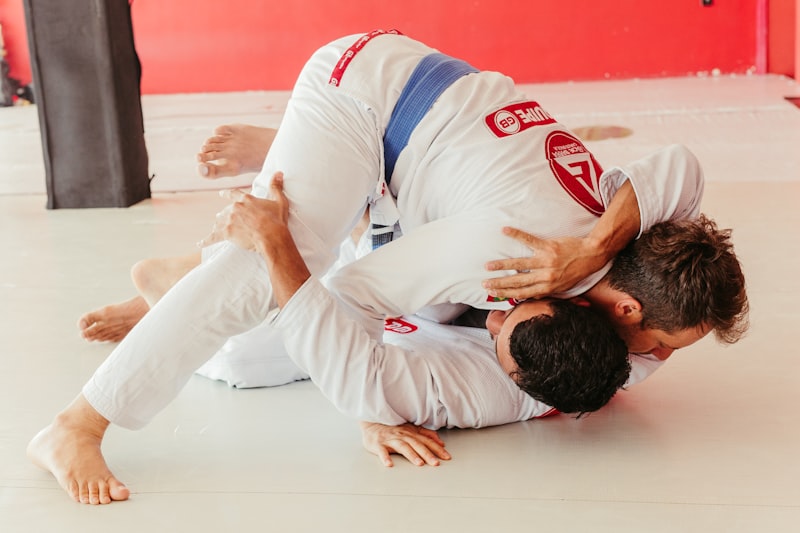
Learning the best submissions for beginners in grappling is a journey that starts with understanding control, position, and safety. Techniques like the armbar, Americana, rear naked choke, guillotine, and straight ankle lock build a strong foundation. These finishers work across different styles, rule sets, and levels.
In addition, focusing on drilling, safety, and smooth transitions helps you gain skill faster and avoid injury. As you grow in your training, always return to the basics when learning new moves.
Practice these essential submissions, ask questions, and enjoy every session. By following these steps, you will set yourself up for long-term progress and success in grappling. For more tips and details on grappling techniques, visit trusted resources like Jiu-Jitsu Times and your local academy’s instructional material.
Start your journey now. Master the basics, and the advanced finishes will follow.