
Mistakes white belts make in BJJ often slow progress and lead to frustration during the first few months of training. Many new students face similar challenges in Brazilian Jiu-Jitsu (BJJ), especially when learning the foundations. Understanding these challenges is critical for beginners who wish to build solid skills and avoid common roadblocks.
For white belts, starting BJJ is both exciting and overwhelming. There is a lot to learn, from basic techniques to gym etiquette. New students often want to test themselves during live rolling sessions but may find themselves lost or exhausted. By learning about these common errors, you can improve your early experience and set yourself up for long-term success in BJJ.
This guide addresses the most frequent pitfalls for new practitioners and offers clear, practical advice. Whether you just began your journey or are preparing for your first class, these tips will help you avoid wasted effort and rapid burnout.
Most Common Mistakes White Belts Make in BJJ
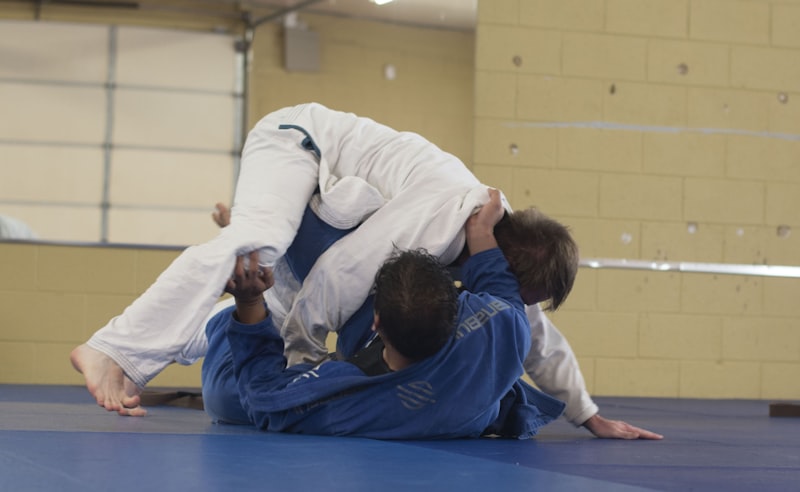
For many beginners, the urge to “win” every round or use sheer strength over technique is strong. This section will examine some of the most frequent mistakes white belts make in BJJ and why they matter.
First, using brute strength instead of learning technique is a classic error. White belts often tense up and try to overpower partners, thinking this will lead to faster victories. However, BJJ is known as “the gentle art” for good reason. Technique, leverage, and timing matter far more than muscle. In fact, a 2025 survey from the BJJ Globetrotters blog found that 62% of instructors see muscle overuse as the top beginner mistake. This habit not only slows your growth but also causes fatigue and possible injury.
It is also common to ignore the importance of breathing. Many new students hold their breath when rolling. As a result, they tire quickly. Proper breathing helps you stay calm and focused, especially under pressure. For example, high-level black belts often stay relaxed and save energy by breathing deeply during matches.
Another frequent error is failing to tap early. Many beginners hesitate to tap out, either because of pride or fear of looking weak. However, tapping is a form of communication and safety. It helps prevent injuries and builds trust between training partners. As a new white belt, it’s always better to tap and reset rather than risk harm.
Forgetting basic gym etiquette is another issue for beginners. For example, not trimming nails, failing to clean your gi, or being rough during drills can create problems for you and your training partners. Respect for others and proper hygiene are key parts of BJJ culture.
Ignoring defense and only focusing on attacks is another pitfall. Many white belts are eager to try submissions but neglect key defensive skills. Learning to escape side control or survive from the bottom is essential for your development. For instance, black belts at major academies often remind beginners that strong defense leads to better offense later on.
Practical Example
Imagine you are a new white belt and get stuck in side control every round. You panic, hold your breath, and use pure force to escape. Instead, you could focus on hip movement, frames, and breathing to relax and create space. Over time, this approach will help you escape with less effort and reduce the risk of making mistakes that advanced players can exploit.
Focusing Too Much on Winning Instead of Learning
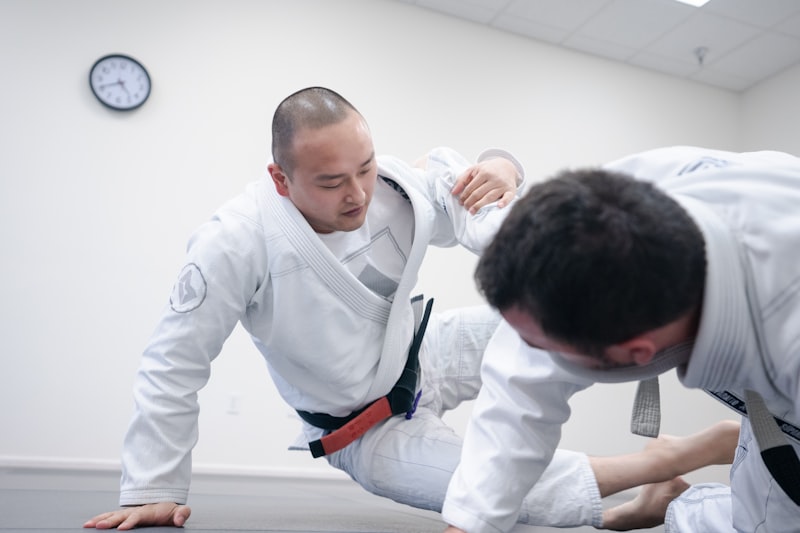
A classic beginner mistake is focusing on winning every roll rather than absorbing techniques. In many cases, white belts enter each sparring session aiming to submit their partner at any cost. This attitude may seem productive, but in fact, it limits growth and discourages healthy learning.
When you constantly try to win, you miss valuable lessons. For example, you may avoid risky positions just to avoid losing. However, BJJ rewards those who embrace discomfort. Every failed escape or submission attempt is a chance to improve. This shifting mindset can turn training into a process of learning rather than just competition.
In addition, white belts who aim only for victory tend to resort to their strongest qualities. They may rely on athleticism or aggression, which stalls true technical progress. According to Renzo Gracie Academy coaches, beginners who relax and explore new movements learn twice as fast as those fixated on ego-driven sparring.
Moreover, this approach can harm relationships with teammates. When rolling too hard or refusing to lose, you may injure yourself or your partner. In fact, Gracie Barra includes “training with ego” among the most dangerous beginner habits.
A better practice is to treat each round as a learning session. For instance, set a goal, such as practicing escapes or trying a specific sweep. This turns sparring into focused practice. Over time, your development will outpace those who look only for fast wins.
Beginners who embrace this learning focus often report better retention, fewer injuries, and stronger fundamentals by the time they reach blue belt. Your time in the white belt phase is an opportunity to build a solid base for your future in BJJ.
Neglecting Defense and Survival Skills

White belts may feel pressure to learn advanced submissions quickly. It is common to see students spend hours viewing flashy moves online, hoping to replicate them on the mats. However, neglecting basic defense and survival skills is one of the key mistakes new students make.
Strong defense is the foundation of BJJ. Learning to frame, maintain posture, and escape from bad positions is more important than mastering complex attacks at first. In fact, a study by Jiu Jitsu Times found that students with good defensive habits had a 40% lower rate of injuries and longer retention in training.
For example, learning to escape the mount or side control is essential for white belts. The longer you can survive, the more chances you will get to escape or counterattack. In addition, focusing on defense teaches patience, awareness, and resilience. These are skills that serve you throughout your BJJ journey.
A practical approach is to dedicate time during open mats to practice escapes. Ask higher belts to put you in tough spots and focus only on surviving, not attacking back. This builds confidence and helps you stay calm under pressure. As a result, your overall game will improve, and you will move from defense to attack more naturally as you advance.
In summary, neglecting survival skills makes you an easy target for more experienced players. Strong defense is what sets successful BJJ students apart from those who quit early or get hurt.
Poor Posture, Positioning, and Body Awareness
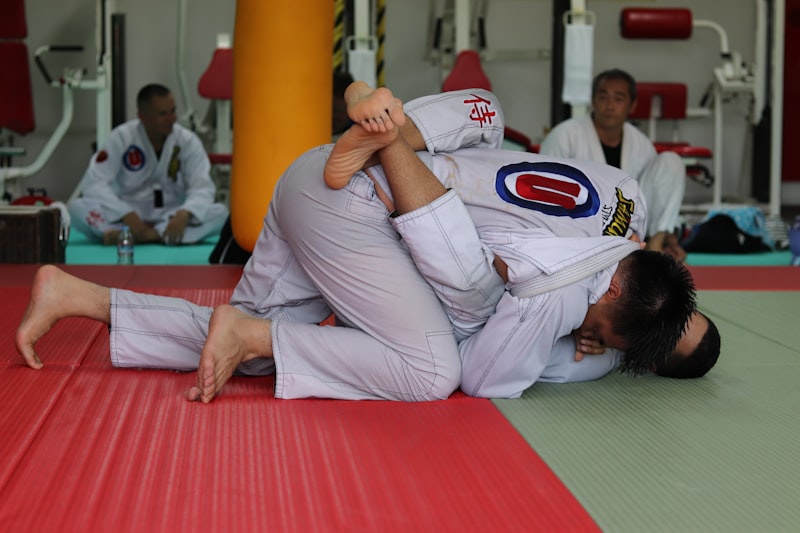
One of the most overlooked mistakes among new BJJ students is the lack of proper posture and positioning. Good posture allows you to maintain control, expect attacks, and move with balance. Beginners tend to forget posture, which exposes them to sweeps and submissions.
For example, when playing in someone’s guard, white belts often lean too far forward or let their arms hang in dangerous spots. This posture opens them to arm bars and sweeps. Coaches often correct these errors, reminding students to keep elbows close and back straight. Proper body alignment is vital for safety and control.
Awareness of weight distribution is equally important. Beginners often put too much weight on their hands or knees, making it easy for skilled opponents to reverse or sweep them. Learning how your body position affects leverage can prevent many common failures on the mat.
Drilling positional sparring is a great way to build this awareness. For example, spend five minutes only maintaining guard or escaping mount. This focus sharpens your balance and timing, making you harder to sweep or submit.
It is also important to pay attention to your own flexibility and physical limits. Some white belts force movements that their bodies are not ready for, risking injury. It is better to tap and try again than to fight through pain and cause long-term problems.
Coaches suggest reviewing basic positions such as closed guard, side control, and mount until they become natural habits. For white belts, mastery of posture and body awareness will make every aspect of training safer and more effective.
Skipping Fundamentals and Relying on YouTube Techniques
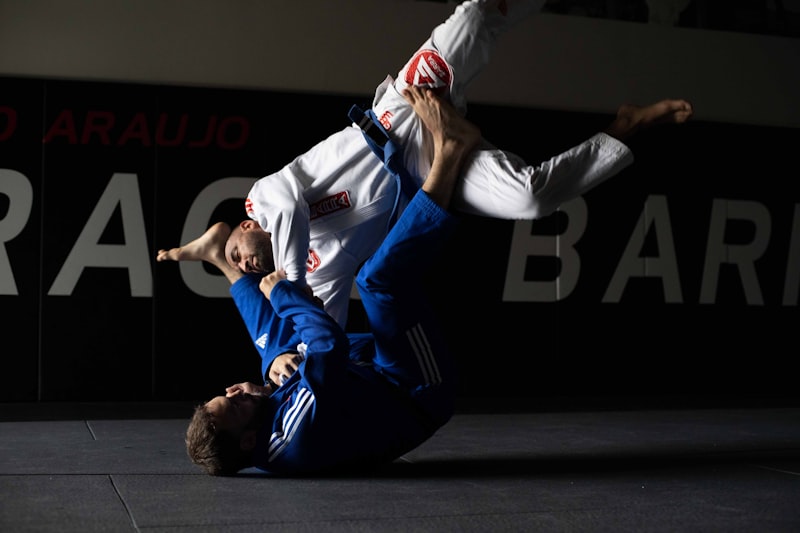
Many white belts want to skip ahead and learn flashy moves from online videos. This approach can backfire, especially if the basics have not yet been mastered. Focusing on advanced submissions or tricky guards too soon leads to confusion and weak fundamentals.
BJJ is built on simple concepts such as posture, frames, shrimping, and bridging. These are practiced daily in most reputable academies. According to data from BJJ Fanatics, students who drill fundamentals for at least 15 minutes each session show 35% greater improvement in retention and sparring success during the first six months.
Online techniques, while exciting, may not match your body type or fit your academy’s style. In addition, these moves are usually demonstrated by black belts who have spent years perfecting the basics. Without a solid foundation, more advanced attacks will rarely work against skilled partners.
A better approach is to treat online resources as supplements, not main instruction. Watch videos that reinforce what your coach teaches, focusing on escapes, guard retention, and posture. Ask your instructor for feedback and prioritize the basics during sparring and drilling.
For instance, if your gym focuses on closed guard, spend extra time learning posture, breaking guard, and retaining it. This solid base will allow you to add more advanced attacks naturally as you progress through the belts.
Finally, training journal entries and taking notes after class can help you track progress. Reflecting on your basic skills and reviewing them weekly helps retain techniques and speeds up development.
Conclusion

Mistakes white belts make in BJJ are part of the learning experience. However, by understanding and avoiding these key errors, you can advance more smoothly. Focus on technique over strength, aim for learning over winning, and embrace defense as your foundation. Prioritize posture and body awareness, and always build strong basics before chasing complex moves.
Each session on the mat is a chance to improve. White belts who keep a humble mindset and show respect for teammates will find both growth and enjoyment in BJJ. Set clear goals, ask questions, and measure your progress. In the end, avoiding these common pitfalls will put you on the path to success in Brazilian Jiu-Jitsu. For more on BJJ fundamentals and etiquette, check reliable sources like Jiu Jitsu Times or Gracie Barra.
Start your next class with a focus on steady growth, and remember: every black belt was once a white belt who learned from their mistakes.