
If you want to improve your fitness, using the best boxing conditioning training can help you unlock your full potential. This approach combines strength, speed, and stamina to build a powerful athlete, whether you are a beginner or advanced.
Boxing conditioning does much more than sharpen your punch. In fact, this type of training boosts heart health, muscle power, and mental focus. As a result, more people in 2026 turn to boxing-inspired workouts for effective results.
In this guide, you will learn how to build your own boxing conditioning plan. You will also see real examples, recent data, and expert tips. Ready to take your fitness to the next level? Let’s dive in.
The Core Elements of the Best Boxing Conditioning Training
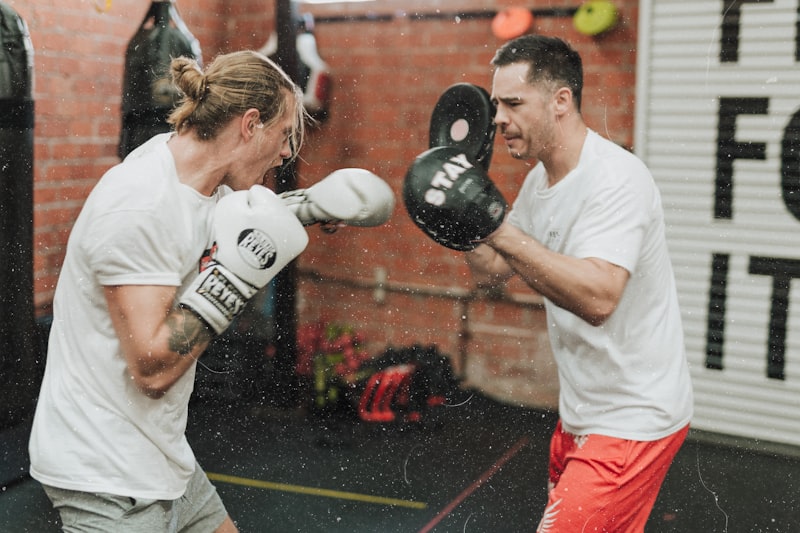
When you start the best boxing conditioning training, it is important to focus on the core elements that make this method so effective. Boxing is more than just punching a bag. It demands a high level of total-body fitness.
First, strength and power are key. Boxers need explosive muscles for powerful strikes. This comes from exercises like push-ups, pull-ups, squats, and medicine ball throws. To build speed, many boxers add plyometric moves, such as jump squats and fast footwork drills.
However, conditioning is not only about building muscle. Endurance is just as vital. Boxers need strong hearts and lungs to last through every round. In fact, a study by the British Journal of Sports Medicine shows that elite boxers spend 50% of training time on aerobic conditioning. This includes running, interval sprints, and shadowboxing.
In addition, boxing conditioning sharpens agility and reaction. Agility ladders and cone drills improve foot speed. Reaction drills, like catching a tennis ball or using focus mitts, help boxers react quicker. These skills are essential in the ring, but they also improve coordination in daily life.
Finally, every great boxing training plan pays attention to rest and recovery. Rest days, stretching, and active recovery prevent injury. Overtraining can lead to fatigue and reduced performance. Therefore, balancing hard work with rest is part of what makes boxing conditioning so effective.
Building a Conditioning Circuit
A simple circuit for beginners might look like this:
- 3 minutes jump rope
- 1 minute push-ups
- 1 minute squats
- 1 minute burpees
- 3 minutes shadowboxing
Repeat the series three times. Rest 1–2 minutes between sets. This circuit builds strength, speed, and endurance together. As you advance, you can add more rounds or new exercises.
Proven Boxing Conditioning Workouts and Their Benefits
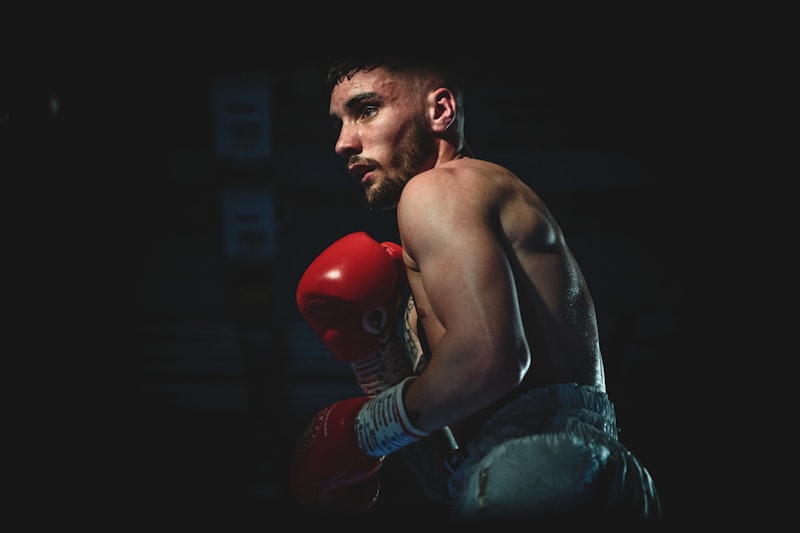
Some conditioning workouts are favorites of top-level boxers because they deliver real results. These routines mix cardio, strength, and skill. As a result, they are perfect for athletes in 2026 who want to train like champions.
One highly effective routine is interval running. For example, many boxers use “roadwork” by running at a steady pace for 2 minutes, then sprinting for 1 minute. Repeat for 30 minutes. This helps build strong cardiovascular capacity while mimicking the bursts of energy needed in a boxing match.
Another top option is heavy bag training. A typical routine involves 3-minute rounds on the bag with 1-minute rest, similar to an actual boxing match. Focus on fast, powerful punches mixed with footwork drills. Therefore, this helps improve offensive and defensive skills along with overall stamina.
High-intensity interval training (HIIT) is also popular in the best boxing conditioning training plans. For example, alternate 30 seconds of intense exercise (like jumping lunges or mountain climbers) with 30 seconds of rest. Repeat for 15–20 minutes. Scientific reviews, such as from Harvard Health Publishing, show that HIIT improves aerobic and anaerobic capacity faster than steady cardio.
It is important to remember that every session should start with a proper warm-up. This might include jumping rope or light shadowboxing for 5–10 minutes. Cooling down with stretching will also help your muscles recover and reduce soreness the next day.
Finally, tracking your progress helps keep you motivated. Many boxers measure rounds completed, rest time, punch counts, or even heart rate during sessions. Apps and fitness trackers can provide easy ways to collect and view these stats.
Expert Tips to Get the Most from Your Boxing Conditioning
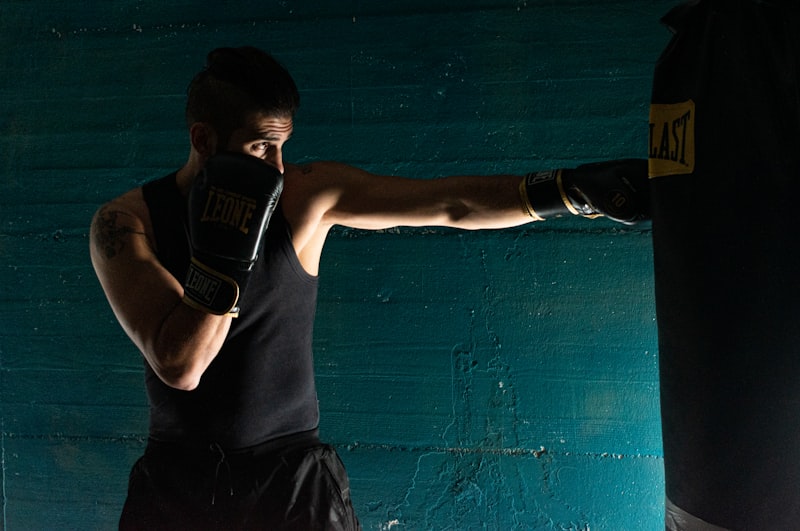
Getting the most from your boxing conditioning means doing more than just working hard. Smart training, good technique, and recovery strategies all play a part.
First, focus on your form. Practicing correct punching and footwork reduces injury risk and improves power. In addition, proper form helps you get more benefit from each round. Many gyms in 2026 offer video feedback to help boxers correct their movements in real time.
Hydration and nutrition matter, too. Boxers work hard, so it is important to fuel your body right. Eat plenty of lean proteins, complex carbs, and fruits/vegetables. Drink water before, during, and after your session. As a result, your body will recover faster and be ready for the next workout.
Adding strength training 2–3 times a week can also boost your results. Use bodyweight exercises or small weights. Focus on compound movements such as push-ups, squats, and planks. These moves target every muscle group used in boxing.
Rest is crucial. Many professionals suggest taking at least one full rest day each week. Gentle activities like walking or yoga help support recovery. Sleep is equally important. Most boxers aim for at least 7–8 hours a night to restore energy.
Remember, variety keeps boredom away and avoids training plateaus. Try different workouts, new drills, or join a group class for motivation. Modern boxing apps offer guided routines with progress tracking, making it easier for anyone to stick with a plan.
Boxing Conditioning for Different Skill Levels
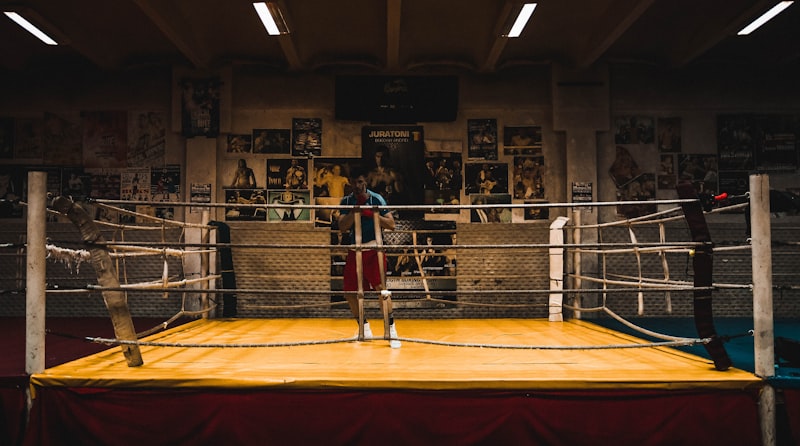
Conditioning should match your experience level, fitness goals, and health status. Beginners need to start slow and focus on solid basics before raising intensity.
For those new to boxing, basic routines should have simple moves like shadowboxing, jump rope, lunges, and light bag work. Aim for 20–30 minutes, three times a week. Focus on learning good form and building a foundation.
Intermediate boxers can use more rounds, add advanced drills, or mix in HIIT sessions. Workouts might last 40–60 minutes with tougher circuits, including burpees, medicine ball slams, or sprints. As a result, you will develop more power and stamina.
Advanced athletes or those who box for competition need high-level conditioning. Their routines often mimic real fight conditions. This includes 8–10 rounds on the bag, intense sparring, and regular interval sprints. They might train up to 5–6 days a week, always rotating focus to avoid burnout.
Both men and women can benefit. In fact, the number of women joining boxing gyms rose more than 30% from 2024 to 2026, according to industry reports. Boxing offers a whole-body workout, helps with weight management, and builds confidence for all skill levels.
Always talk to a doctor before starting any new exercise program, especially if you have health risks. Many gyms offer beginner programs designed to teach core skills safely.
How Modern Tech and Apps Enhance Boxing Conditioning
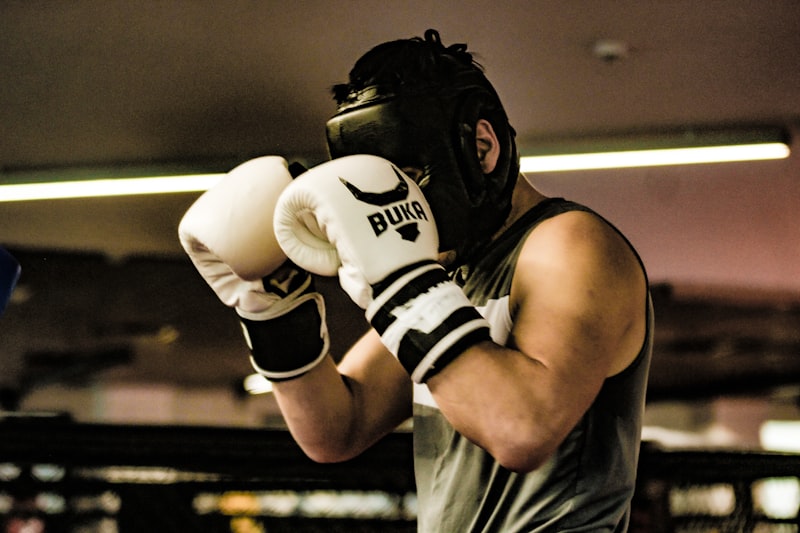
Technology plays a big role in boxing conditioning in 2026. Wearables, smart gloves, and AI-driven apps help bring science into each workout.
Boxers now use fitness trackers that measure heart rate, calorie burn, and punch speed. Some smart gloves record punch force and count. This gives immediate feedback, helping athletes set goals and track improvements.
Training apps offer guided workouts with real-time coaching. They can create custom plans based on your goals and current skill level. Several leading apps feature interactive video lessons and use motion tracking to correct your form as you move. As a result, beginners learn faster, and advanced athletes sharpen their technique safely.
Virtual reality (VR) boxing games are also popular. These allow users to practice skills in real-time scenarios or go through simulated fights. While fun, they also provide real fitness benefits and can fit into a conditioning routine for extra motivation.
Additionally, social platforms within fitness apps help users stay accountable. Sharing progress, joining challenges, or competing with friends boosts consistency. Tech makes the best boxing conditioning training more accessible and fun for everyone.
Conclusion

Boxing conditioning is a powerful way to boost fitness, stamina, and strength. By including strength moves, intense cardio, smart recovery, and tech tools, you get faster results and avoid plateaus. The best boxing conditioning training is never boring—it keeps your body and mind challenged at every stage.
Set your fitness goals and pick a plan that matches your level. Use real data, track your progress, and enjoy the journey. Want to start? Sign up for a beginner class, download a trusted app, or use these routines at home. In 2026, anyone can train like a boxer—with the results to show for it.
For more science-backed training tips and updates on boxing fitness, visit Centers for Disease Control and Prevention – Physical Activity.
Stay strong, keep learning, and make every round count.