
When people compare conditioning vs resistance training, they often wonder which is better for health, fitness, and performance. Both approaches help improve physical abilities, but they work in different ways. Understanding the differences helps you make the best choice for your personal goals.
Conditioning and resistance training each have unique effects on the body. In this article, we’ll explain what each method involves, highlight their benefits, and help you build a smarter workout routine. This guide will be especially helpful for readers of ismartfeed.com who want to make data-driven and informed fitness choices.
Whether you want to lose fat, gain muscle, or boost endurance, learning about these training methods gives you power over your progress. Let’s start by understanding what sets these styles apart and how they fit various goals.
What Is Conditioning vs Resistance Training? Key Differences Explained

Before choosing a method, it helps to know what conditioning vs resistance training actually mean. These terms often get mixed up. However, each has a specific definition and offers unique benefits.
Conditioning, often called aerobic or cardiovascular training, focuses on improving the efficiency of your heart, lungs, and circulatory system. It increases your body’s ability to use oxygen during activities. Running, cycling, swimming, and HIIT (High-Intensity Interval Training) are classic examples. This style usually targets overall stamina and the ability to do activities for long periods.
In contrast, resistance training targets muscle strength, power, and size. It includes lifting weights, using resistance bands, bodyweight movements like push-ups and squats, and even some forms of Pilates. The main goal is to overload your muscles so they adapt by getting stronger or bigger. According to the Centers for Disease Control and Prevention (CDC), adults should include muscle-strengthening activities at least twice a week for health.
There are key differences in how each type of training affects your body:
- Conditioning improves heart health, raises endurance, and helps burn calories.
- Resistance training builds muscle, increases bone strength, and boosts metabolism at rest.
- Conditioning uses steady or interval-based movement. Resistance training uses sets and reps with specific loads.
- Better heart health and lower disease risk
- Higher stamina and reduced fatigue
- More calories and fat burned
- Easier tracking with wearable technology
- Larger and stronger muscles
- Higher calorie burn at rest
- Stronger bones and joints
- Easier daily movement and lower injury risk
- 2-3 days of resistance training (e.g., full-body strength days)
- 2-3 days of conditioning (e.g., interval sprints, swimming, cycling)
- 1 day of active rest (e.g., stretching, yoga, light walking)
- Smoother progress and less boredom
- Lowered risk of plateaus
- Reduced injury risk
- More well-rounded fitness
For example, running a mile challenges your aerobic system and falls under conditioning. Lifting a heavy bag multiple times for a set is resistance training. However, both can overlap. HIIT, for instance, may use bodyweight exercises, mixing both elements.
Because of this, the training you choose shapes your fitness outcomes. Understanding these core differences helps you match your workout to your needs.
When Should You Choose Each Approach?
Choosing between the two depends on your goals. For example, if you want to run a marathon, focus on conditioning. If you want stronger arms, focus on resistance work. Some people blend both for balanced results.
Similarly, age, injuries, and fitness level play a role in which style is ideal. Beginners often see quick growth with resistance training. People with heart concerns may start with lighter conditioning.
In summary, conditioning and resistance training are distinct but often work best together for total body wellness.
Benefits of Conditioning: Endurance, Heart Health, and Fat Loss

Conditioning offers several unique benefits that go beyond just burning calories. Because it encourages steady or high-intensity movement, it affects almost every body system.
First, improved cardiovascular health is a top benefit. By making your heart pump harder, conditioning helps lower blood pressure and resting heart rate. According to the American Heart Association, regular aerobic exercise reduces the risk of stroke, high blood pressure, and some heart diseases.
Second, endurance grows over time. For example, if you start walking 10 minutes each day and add a minute each week, you’ll notice less fatigue. Runners often measure improvements by how far they can run without stopping. Cycling, rowing, and swimming also follow this pattern.
Third, weight management and fat loss are supported by conditioning workouts. Steady-state activities like jogging or fast-paced walking burn calories during the session. High-intensity interval sessions, like hill sprints or circuit workouts, can cause the “afterburn” effect. This means the body keeps burning calories even after the workout ends. In fact, a 2025 review in Sports Medicine showed that interval-style conditioning is effective for reducing body fat and supporting metabolic health.
In addition, regular conditioning helps balance blood sugar and cholesterol. People with type 2 diabetes, for example, often use moderate aerobic activity to manage their condition.
For tech-savvy readers who use fitness trackers or apps, conditioning sessions are easy to record and analyze. Smartwatches track heart rate and calories, helping you see progress over time. Because of this, integrating digital monitoring supports better results, making this style accessible to users on ismartfeed.com.
Finally, conditioning can be done anywhere. Bodyweight options like running, jump rope, and stair climbing do not need much equipment. This makes it budget-friendly and simple to add to any routine.
In summary, the key results from conditioning include:
However, while the benefits are clear, there are also some limitations. Conditioning alone may not increase muscle mass or bone strength. For those goals, resistance training is key.
Resistance Training: Muscle Growth, Metabolism, and Bone Health
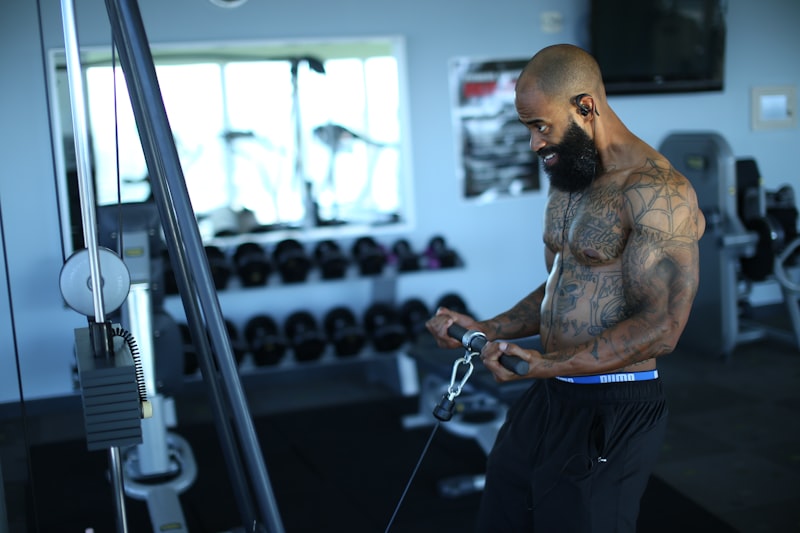
On the other hand, resistance training targets many benefits that conditioning cannot provide. This method focuses on developing stronger, larger muscles through repeated efforts against resistance.
One primary benefit is muscle growth (hypertrophy). For example, lifting weights three times per week can increase muscle size and definition. Muscle not only helps with sports or daily tasks, but also shapes how the body looks. According to the CDC, muscle strength is vital for healthy aging and quality of life.
Secondly, resting metabolism increases because of resistance training. Muscles burn more calories at rest than fat, so more muscle means you burn more energy even when sitting. A 2025 study in the Journal of Strength and Conditioning Research showed that regular resistance training increases metabolic rate by up to 7%. Therefore, this practice is useful for people aiming for weight loss or long-term health.
Another key benefit is stronger bones and lower injury risk. Lifting weights stresses bones, making them denser. Because of this, adults who do resistance training often have less risk of osteoporosis. The extra muscle and joint stability also reduces injury from falls, which is important as we age.
Moreover, resistance training helps improve functional movement. Lifting, carrying, and walking are easier with stronger muscles. Daily life tasks, like carrying groceries or climbing stairs, take less effort.
For tech-focused readers, many smart gyms and apps track your resistance sessions. For instance, apps now log weights, reps, and sets and even give automated feedback on your progress. Wearable devices like smart rings can also show recovery status and help you time your workouts.
People often worry about getting bulky. However, moderate resistance training shapes the body without adding excess size. Men and women of all ages can benefit. As a result, many physical therapists recommend resistance movements to recover from or prevent injuries.
In summary, the main benefits of resistance training are:
These advantages are especially important for readers who want more than just cardio health. If building a durable body is your main goal, resistance training should be in your plan.
Conditioning vs Resistance Training: Choosing the Best Strategy for Your Goals
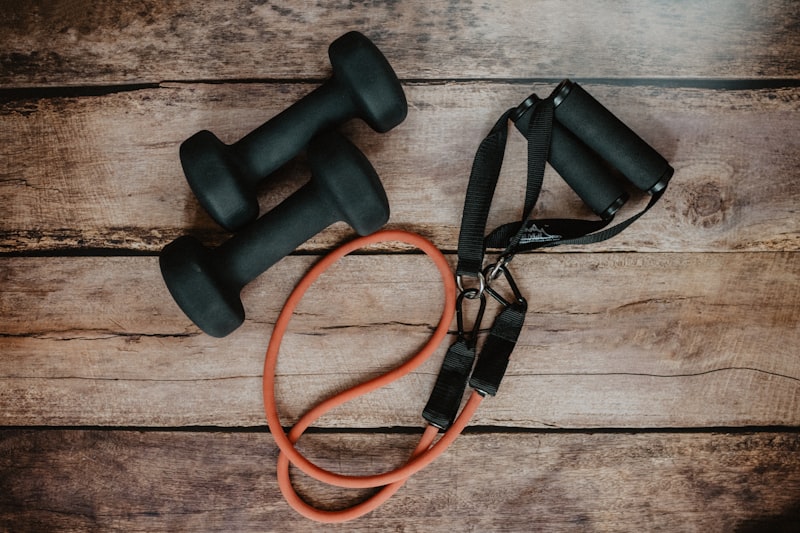
Choosing between conditioning vs resistance training depends on your main objective. Both styles offer unique and valuable results. In 2026, people use technology and data to make smarter fitness choices. It is easier than ever to customize your approach.
For fat loss: Both options can help. Conditioning burns more calories during the workout. However, resistance training increases the calories you burn after the workout. Therefore, combining both gives the best results.
For strength and muscle: Resistance training is essential. While some conditioning activities use body weight, lifting added resistance drives bigger gains.
For heart and lung health: Conditioning should be the focus. Nevertheless, lifting weights also slightly helps the heart by increasing circulation.
For aging and bone strength: Resistance training offers crucial benefits. Lifting weights helps keep bones dense and muscles strong. This protects against falls.
If time is limited: Try hybrid workouts. For example, circuit-style routines mix both styles. You can use weights in a fast-paced manner, getting your heart rate up. This can give you the best of both worlds.
Tracking your progress: Today’s apps help you see trends and stay motivated. Conditioners may track heart rate or distance. People lifting weights often log lifts and sets. Because results appear at different speeds, using data gives a clearer picture of your progress.
A sample weekly plan for a balanced approach:
For readers of ismartfeed.com, smart sensors and fitness platforms can make it easy to mix both styles. In fact, many popular programs now offer guided routines that automatically rotate between strength and cardio. You can also join community challenges that track both forms of training.
Real-World Example: HIIT and Smart Training
High-Intensity Interval Training (HIIT) is a method that combines both conditioning and resistance movement. For instance, a typical HIIT session might involve 30 seconds of push-ups (resistance) followed by 30 seconds of jump rope (conditioning). This combination increases heart rate while building muscle.
Studies show that HIIT may burn more fat than steady-state cardio in less time. In a 2025 meta-analysis, researchers found that three HIIT sessions per week led to greater body composition changes in 12 weeks compared to steady running.
For people who want fast results or have limited time, mixing both methods may be best.
Practical Tips for Adding Conditioning and Resistance Training to Your Routine
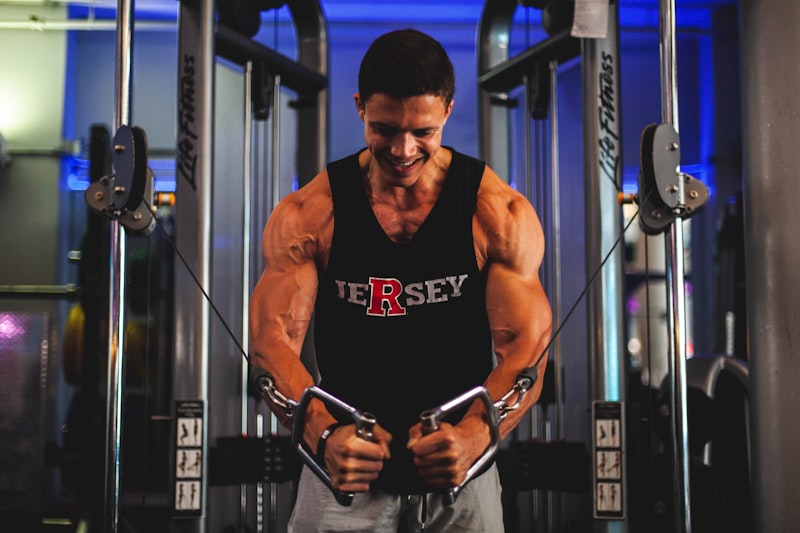
Incorporating both conditioning and resistance training into your weekly plan is practical and effective. This approach supports fitness gains, weight management, and lifelong health.
First, start by assessing your current fitness level. Beginners should pick low-impact activities and simple bodyweight exercises. In fact, even daily walking and basic squats or push-ups can make a big difference over time.
Second, set clear, measurable goals. For example, “I will walk briskly for 30 minutes three times a week” or “I will perform two sets of 10 squats and push-ups every other day.” Tracking progress, especially with wearable devices or apps, helps maintain consistency and motivates you as you see your effort pay off.
Third, focus on proper technique. Conditioning workouts require good posture to avoid strain. Resistance moves need proper form to prevent injury. Smart trainers and online tutorials often guide technique with step-by-step video breakdowns.
Fourth, mix up your workouts. Over time, your body adapts to repeated routines. You might add some new intervals to your cardio or try new strength moves to keep your muscles challenged. For instance, apps or trackers on ismartfeed.com recommend workout changes based on your recent activity, which leads to better results.
Another practical tip is to allow for rest and recovery. Muscles grow and the body adapts during rest. Therefore, do not overlook days off or lighter sessions like stretching or gentle yoga.
Finally, listen to your body. While pushing yourself helps you grow, sudden pain or lasting fatigue means it’s time to slow down. This advice is always relevant, even if smart technology helps you track every detail.
To sum up, blending conditioning and resistance practice leads to:
Adapt your plan based on your needs and enjoy the mix of both strategies.
Conclusion
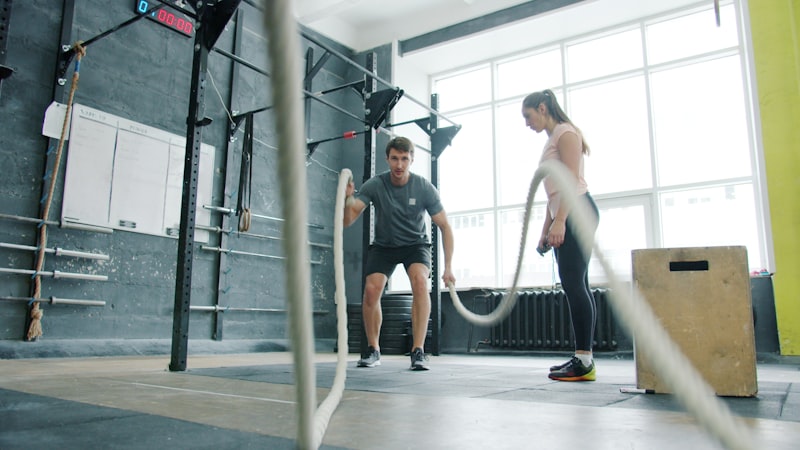
In summary, when looking at conditioning vs resistance training, each approach offers unique and powerful benefits. Conditioning helps your heart, lungs, and endurance. Resistance work builds muscle, supports metabolism, and strengthens bones.
For the smartest results in 2026, combine both types for complete health and wellness. Use technology and monitoring apps to track your progress and adjust your workouts.
Ready to take your fitness to the next level? Start blending conditioning and resistance training into your routine today, and watch your progress grow. For more smart fitness advice, explore more expert resources right here on ismartfeed.com.