
Building a personal workout space starts with choosing the essential equipment for home conditioning. In 2026, more people are choosing to exercise at home for convenience and health reasons. Therefore, having the right gear is key to seeing real progress.
Fitness trends have changed, but the core approach remains simple. The best home workouts focus on a mix of cardio, strength, and flexibility. However, getting results depends on having the proper tools and setting. In this guide, we’ll break down what you truly need for an effective setup.
Smart choices can turn any room into a powerful training zone. In addition, upgrading your equipment can help you stay motivated and get better results. Let’s dive into the must-have items and how to set up your home for success.
The Core Essential Equipment for Home Conditioning
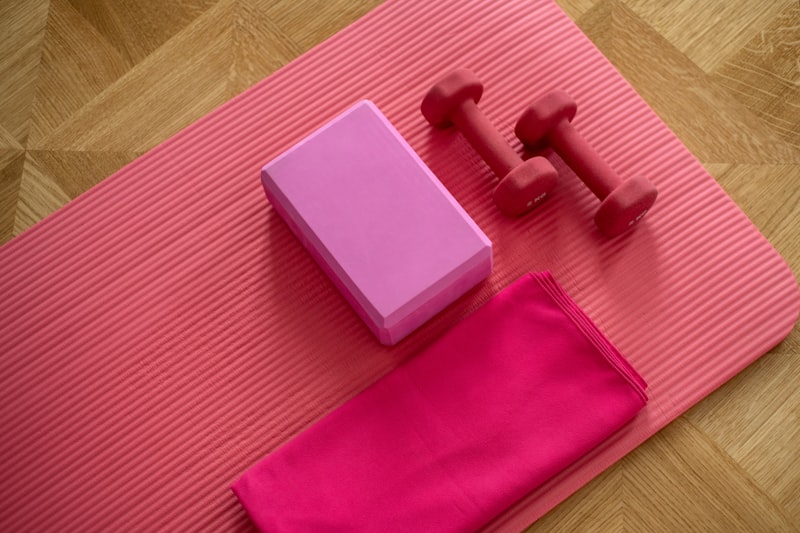
Every strong home workout routine relies on some basic tools. The right equipment helps you train safely and effectively. In fact, experts agree that a blend of cardio, strength, and mobility tools is best. Veja tambem: How Often Should You Do Conditioning Workouts? Science-Based Guide.
First, consider space. Not everyone has a home gym or even a spare room. Many essential pieces are compact or flexible. For example, resistance bands pack small but offer big results. They can target all major muscle groups. In addition, they are great for people at any fitness level.
Dumbbells are another top choice. Adjustable dumbbells are popular in 2026 because they save space. You can change the weight quickly for different exercises. Similarly, kettlebells offer both strength and cardio benefits. Studies show kettlebell workouts burn up to 20 calories per minute[^1].
A sturdy exercise mat is also crucial. This simple item protects your joints and floors. Mats are needed for stretching, yoga, and core work. Choose one at least half an inch thick for comfort.
Cardio is a key part of conditioning. However, you do not need a bulky treadmill. Compact alternatives exist. For example, jump ropes boost heart rate and coordination, while folding steppers or mini exercise bikes provide excellent aerobic workouts in small spaces.
Finally, having a foam roller supports recovery. Regular rolling may improve blood flow and reduce soreness. Because of this, recovery tools can help you maintain consistency and prevent injuries.
^1]: [Harvard Health – Calories burned in 30 minutes for people of three different weights
Smart Tech Devices to Optimize Home Conditioning
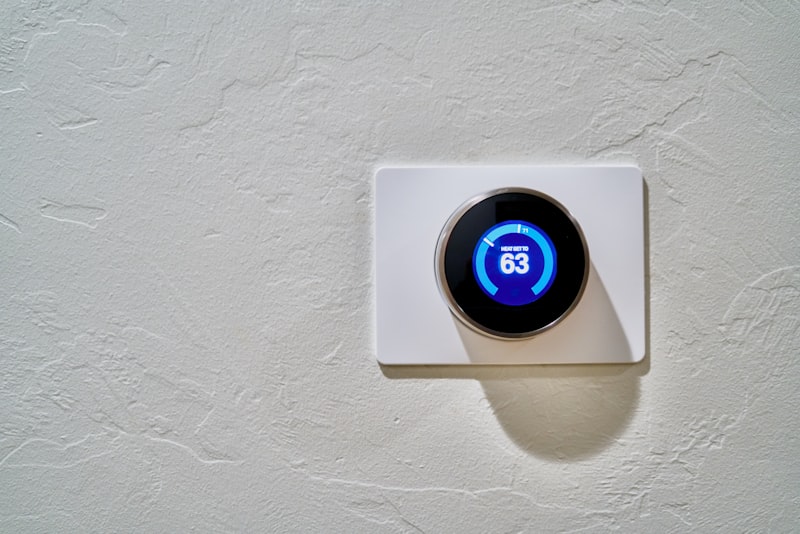
Technology is improving home fitness in 2026. Smart devices are now part of essential equipment for many. They help track progress and personalize your experience.
Fitness trackers are almost a must-have. Modern models track heart rate, steps, calories, and sleep. As a result, you get constant feedback on your health and activity. For example, the top brands like Fitbit and Garmin offer phone syncing and detailed data analytics.
Smart scales can be another game changer. They track body composition, such as body fat and muscle, not just weight. Therefore, you see a fuller picture of your progress. Some connect with your smartphone, making it easy to spot trends over time.
Interactive home gym systems are gaining ground. Products like the Peloton Bike, Mirror, or Tempo Studio offer live and on-demand classes. While these are a bigger investment, they guide your workouts and keep you motivated. In addition, online leaderboards can add friendly competition.
Similarly, many home exercisers use smart speakers to play music or follow guided workout routines. Setting reminders or using voice commands can streamline your sessions. Because of this, tech tools both save time and help you train smarter.
However, tech is only helpful when you use it consistently. Keep your devices charged and update their software regularly. In summary, smart tools add value but should support, not replace, good fitness habits.
Creative Solutions for Limited Space and Budget
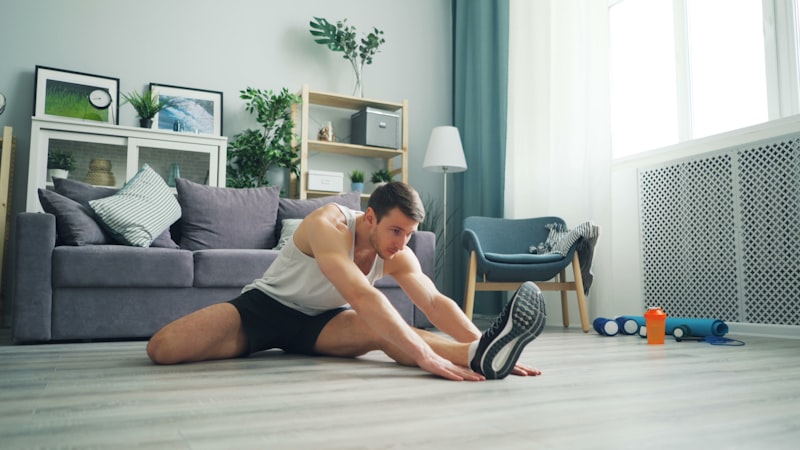
Not everyone has a dedicated home gym or a big budget. However, anyone can set up effective conditioning spaces with a few smart choices. In fact, the best setups often come from adapting simple items for multiple uses.
Resistance tubes are one low-cost alternative. They provide similar benefits to weights but are lighter and easier to store. For example, a set with handles and door anchors allows for chest presses, rows, and curls. Similarly, mini resistance loops are great for glute and hip work.
Bodyweight training requires almost no gear. With a solid pull-up bar that fits in a doorway, you can target your upper body and core. For push-ups, simple handles or stands increase range of motion and comfort.
Furniture can sometimes double as equipment. A strong chair can support step-ups or triceps dips. Even a towel can replace a slider on hardwood floors. For example, use a towel to do sliding lunges or plank holds for extra challenge.
DIY options also exist. In 2026, many still use filled water bottles or sandbags as makeshift weights. This approach saves money and is easy to adjust. For stretching, a yoga strap can be made from an old belt.
Invest in items that give you the most value. Start your collection with small pieces, then upgrade as your needs grow. Remember, consistency is more important than fancy tools.
Setting Up a Safe and Motivating Home Workout Environment
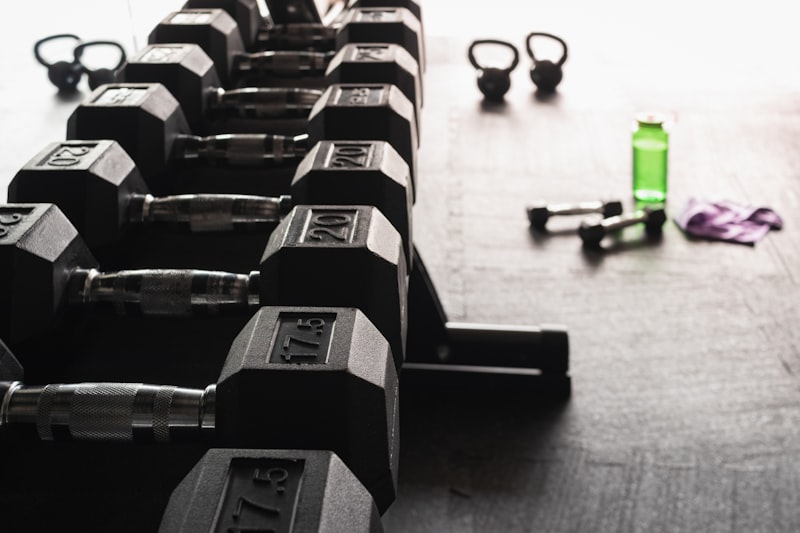
The best conditioning programs rely on more than just equipment. The way you set up your space plays a critical role in your routines. In addition, your environment affects motivation and safety.
Choose a dedicated workout spot. This could be a spare room, garage, or even just a clear area in your living room. Having a consistent place to train helps build routine. In addition, keep your equipment visible and easy to access.
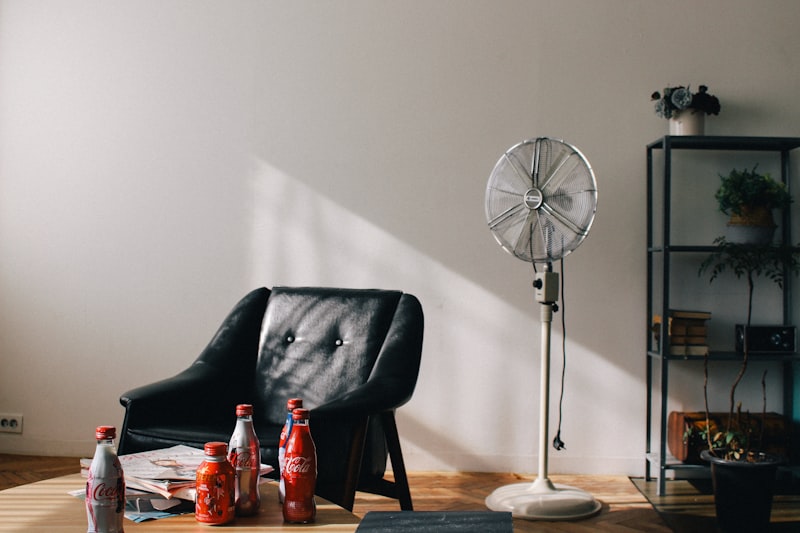
Good lighting is essential. If possible, pick a space with natural light. Bright spaces boost mood and energy. If you use a basement or windowless room, invest in bright LED lamps. Also, add a fan or portable air conditioner for comfort.
Flooring matters, too. If the area has hard floors, use mats or puzzle-piece foam tiles. This reduces impact on your joints and prevents slipping. Make sure there is enough room to move freely in all directions.
Storage can be a challenge. Use shelves, bins, or wall hooks to keep equipment organized. For example, hang resistance bands or store dumbbells under a bench.
For motivation, personalize your space. Hang inspirational posters or keep a workout journal visible. Play upbeat music or use a smart speaker for playlists. In fact, small environmental changes can boost your desire to train.
Finally, safety first. Always check equipment for wear or damage. Clean mats and surfaces weekly. If you exercise near children or pets, secure your gear after each session to prevent accidents.
Conclusion
Creating an effective home conditioning setup in 2026 starts with the essential equipment for home conditioning. Focus on tools that fit your space, budget, and goals. From simple resistance bands to advanced smart devices, each item adds unique value.
Above all, prioritize safety and consistency. Start with a few key pieces and build over time. Remember, regular exercise matters more than expensive gadgets. For more advice on smart home fitness solutions, visit expert sources like Mayo Clinic’s home fitness tips.
Build your smart home gym step by step. As a result, you will enjoy better health, strength, and confidence all year long.