
Beginner mistakes in basic BJJ positions can slow down progress for new martial artists. If you want to build a strong foundation in Brazilian Jiu-Jitsu, understanding these errors is crucial. Saiba mais sobre How to Master Basic.
Brazilian Jiu-Jitsu (BJJ) requires proper technique in every position. Even minor mistakes can make escaping or controlling an opponent much harder. Many new students overlook key details, which leads to frustration. This article explores the most common errors in core positions: guard, mount, side control, back control, and transitions.
We will also explain how to avoid these beginner pitfalls using practical tips and real examples. If you want to close gaps in your fundamentals, read on.
Guard Position: Mistakes New BJJ Students Make and How to Fix Them
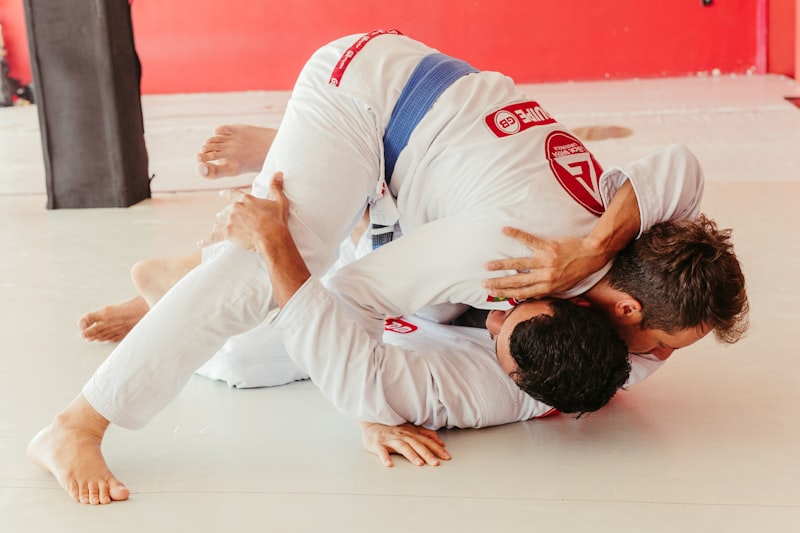
The guard is a fundamental position in BJJ. Yet, many new practitioners make simple errors when playing guard. These mistakes can lead to lost sweeps, failed submissions, or easy guard passes by the opponent. Veja tambem: How to Develop Strong Base in BJJ Fundamentals: Essential Core Movements.
One common beginner mistake is keeping the feet flat on the mat when using closed guard. In fact, this weakens control and makes it easier for the opponent to open your guard. Your feet should stay on the opponent’s hips or locked behind their back. This gives you better leverage and control. Veja tambem: Exercises to Improve BJJ Hip Escapes: Essential Drills for Progress.
Another frequent error is relying only on arm strength for grips. Many beginners hold the gi sleeves or wrists tightly, but do not use their legs and hips. However, using your whole body to control distance and posture is key in BJJ. For example, if you want to break your opponent’s posture, use your core and hips to pull, not just your arms. Veja tambem: What Are the Main Core Positions in BJJ? Essential Foundations Explained.
Posture is also a big issue. Beginners often lie flat on their back when playing guard. This limits your movement and makes it hard to attack or defend. Instead, sit up or keep your chest forward when you can. This helps you transition to open guard or attack. Veja tambem: How to Combine Guard Retention with Basic BJJ Movements for Beginners.
Beginners tend to forget about the importance of angle. Staying square in front of your opponent allows them to pressure directly. Instead, create angles with your hips to set up submissions or sweeps.
Finally, ignore climbing up with your legs during attacks is another classic error. When setting up an armbar or triangle, your hips and legs must climb high for control. If your legs stay low, your moves will lack power and control.
The best way to correct these mistakes is through mindful drilling. Focus on posture, angle, and leg position in every guard drill. Good instruction can make a big difference as well. For more in-depth analysis, see this BJJ guard fundamentals overview.
Mount and Side Control: Avoiding Core Positional Pitfalls
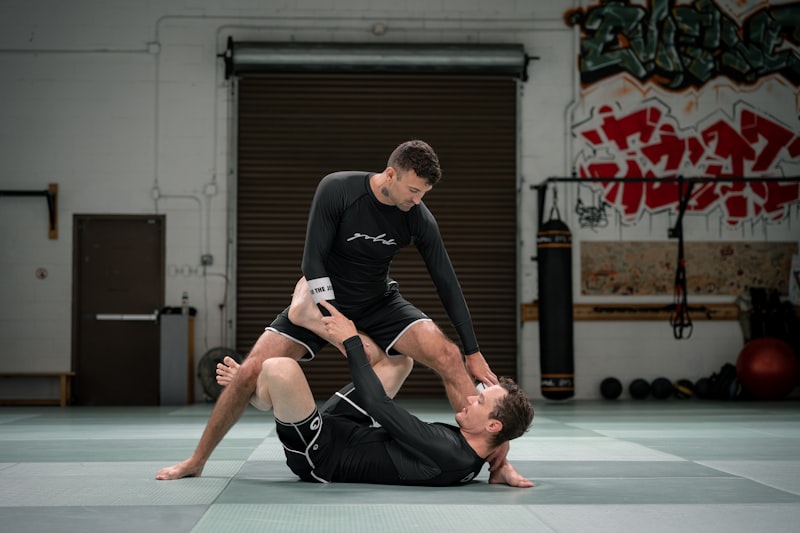
Mount and side control are dominant ground positions in BJJ. They offer many opportunities to attack and control. Yet, beginners often lose these positions or let opponents escape.
A top mistake in mount is sitting too high or too low on the opponent’s chest. If you sit too high, you risk losing balance. Too low, and the opponent can bridge easily to escape. The right mount should be “hips over hips.” Your hips should match the middle of their torso.
Another common error is neglecting the use of “hooks” with your feet. Hooks mean keeping your feet flexed and angled under the opponent’s thighs. This helps prevent them from moving or bridging you off. If you let your feet float or cross your ankles, you lose stability.
Hand placement is also crucial in both mount and side control. New students will often post their hands on the mat instead of controlling the opponent’s arms or head. In fact, this makes it easy for the bottom player to grab and use those arms to sweep or escape. Instead, anchor your hands high on their chest, or use the cross-face to limit movement.
In side control, beginners frequently fail to control the hips or block the far side. For example, they may focus too much on chest pressure, forgetting about the opponent’s ability to turn or shrimp away. Always use your knee or arm to block the hips, and keep your weight distributed.
Timing for submissions is another problem. Many new students rush into armbars or chokes from mount or side control. They lose good position because they do not wait for the right opening. It’s better to keep your base and control until you see a clear chance for submission.
Lastly, lack of appropriate pressure is a common error. Some beginners lean too far forward, making it easy for the opponent to roll them. Others stay too light, letting the bottom player move freely. Practice applying pressure with your chest and hips, but keep your weight balanced.
Regular positional sparring (specific training from mount or side control) helps new students develop sensitivity. Pay attention to feedback from experienced training partners and coaches.
Back Control and Transitions: Key Errors and Effective Corrections
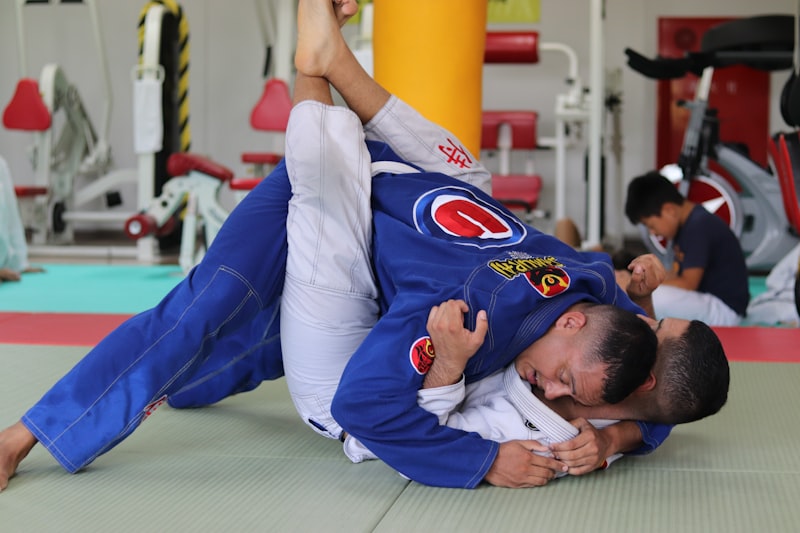
Back control is considered the most dominant position in Brazilian Jiu-Jitsu. Nevertheless, maintaining it is often challenging for beginners. Individuals new to BJJ frequently lose this control through preventable errors.
A major mistake is failing to secure seatbelt grips or hooks before attacking a choke. Beginners often rush to grab the neck without first stabilizing their opponent. As a result, the person on bottom escapes before any submission is possible. Always secure both the seatbelt grip (one arm over the shoulder, one under the armpit) and your hooks (feet controlling inside the opponent’s legs).
Hand fighting is another critical piece often neglected. For example, beginners may focus solely on choking, without controlling their opponent’s hands. However, smart opponents will peel your hands off or use them to break your control. Active hand fighting is required to keep control and set up attacks.
Another common error during transitions is leaving too much space. Whether moving from mount to back or switching between positions, beginners often give room for escapes. For instance, when sliding from mount to back control, keep your chest glued to your opponent and maintain constant pressure. Allowing space will result in lost positions.
When transitioning from side control, many beginners lift up high to move around. This lightens the pressure and gives the opponent a chance to recover their guard. The key is to slide, not jump, keeping your weight heavy at all times.
Additionally, failing to anticipate an opponent’s escape attempts (like the bridge or “shrimp”) is a fundamental mistake. New students often react late, which lets the other person escape. Train yourself to read these movements early and adjust your base or control accordingly.
A supportive learning environment helps fix these errors quickly. According to statistics from the International Brazilian Jiu-Jitsu Federation, students who practice drilling transitions regularly improve retention rates by over 30%.
Drilling and Mindset: How to Avoid Repeating the Same Errors
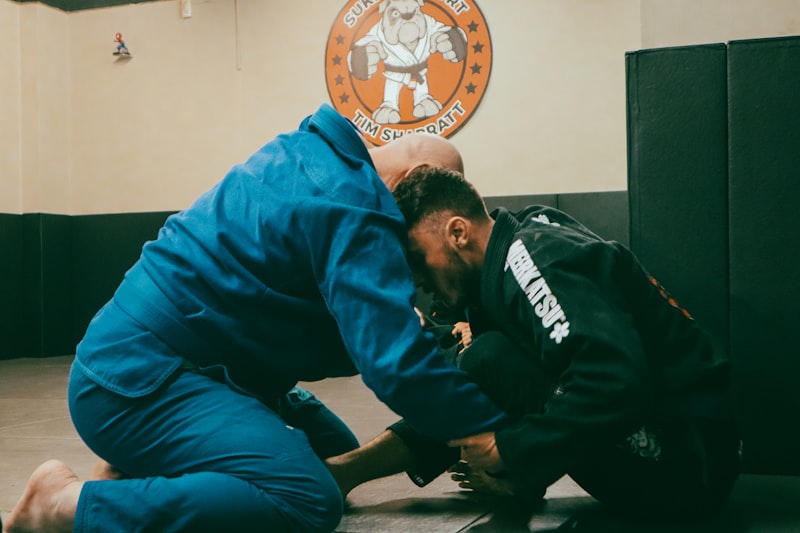
Once you know the beginner mistakes in basic BJJ positions, you need strategies to avoid repeating them. Consistent practice and the right mindset are essential.
First, prioritize quality over speed. Many new athletes try to move fast in order to impress or keep up. Fast movement can mask technical errors and lead to sloppy progress. Focus on slow, smooth drills. Review each step of the position and check your posture, grip, and base.
Record your training sessions or ask higher belts for feedback. In fact, video review is a proven tool in modern grappling. It helps you spot subtle errors you might miss during live drilling. Even five minutes of watching your own rolls each week can accelerate improvement.
Change your mindset about mistakes is another key. Instead of seeing mistakes as failures, view them as learning moments. Ask yourself: What did I do that allowed the escape or sweep? How could I use better posture, angles, or pressure next time?
Work from disadvantageous positions in training. If you only start in dominant spots, you may not learn how opponents escape or attack. By drilling escapes from bottom positions or bad spots, you learn common sequences and reactions.
Finally, make fundamentals part of your daily routine. Warm-ups should include key movements like shrimping, bridging, and hip escapes. Build muscle memory for these movements before working on advanced drills.
If you can train three or more times per week, studies show your retention of basic positions and escapes can increase significantly. In summary, the right habits help build a solid BJJ foundation.
Conclusion
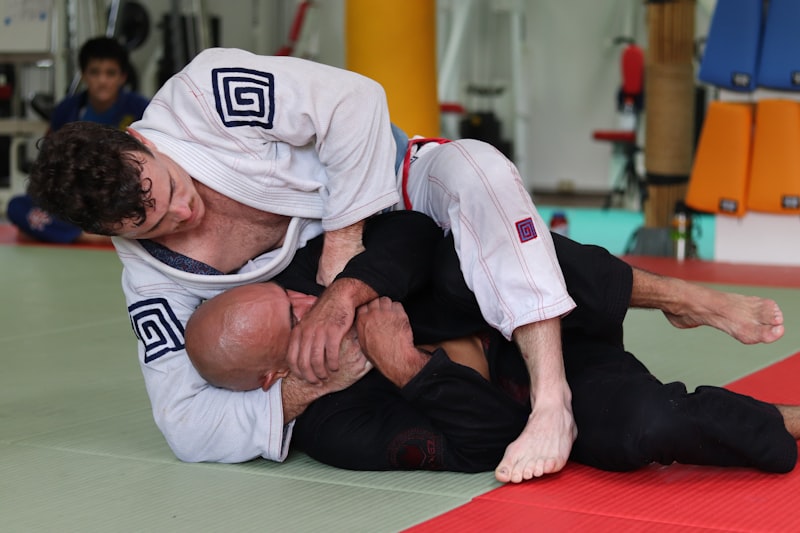
Understanding and correcting beginner mistakes in basic BJJ positions will accelerate your progress on the mats. By focusing on posture, control, and proper transitions, you lay the groundwork for future success.
Stay mindful of your technique and seek feedback from coaches and teammates. Drill specific situations and treat every mistake as a step toward mastery. With patience and consistent effort, your fundamental BJJ skills will improve steadily.
If you’re looking to deepen your understanding of BJJ core positions, review extra resources, ask your instructors, and never stop learning. Start fixing the basics today for long-term gains in your training.