
Finding effective exercises to improve BJJ hip escapes is vital for anyone working on their ground game. This movement plays a huge role in Brazilian Jiu-Jitsu. In fact, hip escapes—or “shrimping”—form the foundation of escaping from guard, side control, and mount positions.
If you want to master the basics and progress to higher levels, you need strong, mobile hips and the right muscle memory. In this guide, you’ll learn which drills best support the hip escape and how to apply them to typical BJJ scenarios. This article is part of ismartfeed.com’s Core Positions & Movements series, staying focused on the positions and transitions crucial to every practitioner.
Let’s break down each exercise and understand the why behind them. You’ll also see how to mix them into your routine for real improvements on the mat. Veja tambem: Key Movements to Improve BJJ Sweeps: Essential Skills Guide.
Why Hip Escapes Matter: Building the Foundation for BJJ Positions
Hip escapes, commonly known as shrimping, are at the heart of many fundamental BJJ positions and transitions. This simple movement is a building block for escaping the mount, side control, or even recovering guard. In other words, without a strong hip escape, your defense weakens and you become easy to control.
First, let’s look at why this movement is so important. Hip escapes help you create space between your hips and your opponent’s body. Because of this, you can re-guard or transition to safer positions. For example, when caught in mount, a solid hip escape can help you frame against your opponent’s hips and move yourself out of danger. Similarly, in side control, it’s often the first step towards regaining guard.
According to the International Brazilian Jiu-Jitsu Federation, mastering the shrimp is considered one of the top priorities for white belts. In fact, even black belts return to this basic movement to fine-tune their technique.
Common errors many face include stiff hips, weak core muscles, or confusion about proper hand placement. Therefore, targeted exercises can correct these mistakes. As you will see in the drills below, focusing on hip mobility, core strength, and practical repetition creates solid basics.
Finally, hip escapes are not only defensive. Because they are so dynamic, they set up sweeps, transitions, and even attacks. In summary, improving this skill affects every aspect of your BJJ game.
Key Drills and Exercises to Improve BJJ Hip Escapes
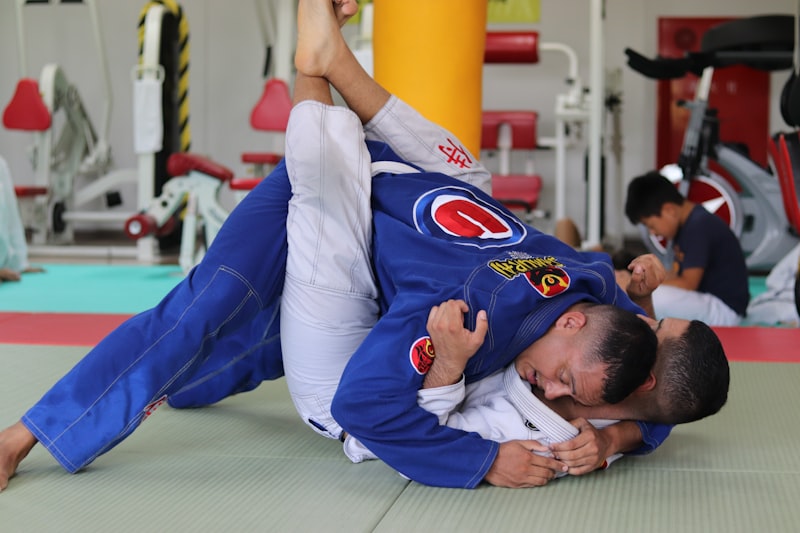
Working on exercises to improve BJJ hip escapes involves targeted movement, core engagement, and muscle memory. Below are the most practical and effective drills you should add to your routine.
The Basic Shrimp Drill
Start with the simple shrimp or hip escape movement. Lie flat on your back, feet flat, knees bent. Plant your foot, push off, and move your hips backward while keeping your shoulders in place. Repeat for 10-15 reps each side.
Do this back and forth across the mat. It might feel boring, but repetition builds muscle memory. As a result, you’ll react automatically under pressure.
Wall Shrimping for Form Correction
This drill uses a wall to ensure compact movement. Sit near a wall, feet facing it, about a foot away. Use the wall to push off and hip escape. The wall stops your legs from flopping and forces correct form. Ten reps each side is a solid start.
Wall shrimping is great for solo work when you don’t have a partner. In addition, it makes sure your feet and hips stay efficient.
Partner Drills: Reaction Shrimp
Working with a partner adds unpredictability and improves timing. Lie in basic side control under your partner. Have your partner apply moderate pressure. When ready, frame with your arms and perform a hip escape.
The partner can switch up their pressure or add light resistance. This builds reflexes and teaches you to create space in realistic settings.
Hip Bridge to Shrimp Combination
Strengthen both your core and glutes by combining a hip bridge with a shrimp. From the bridge, turn your hips and shrimp out. This movement mimics real escape sequences from mount or side control. Do three sets of eight reps each.
This combination helps transfer your weight naturally, which is key for BJJ transitions.
Additional Movements
Other bodyweight exercises support your hip escape development. Mountain climbers and Russian twists improve core mobility. Frog pumps and single-leg glute bridges target hip strength. Use these to round out your program and prevent injury.
You can find detailed video guides and explanations on the Gracie Barra Blog.
Integrating Hip Escape Exercises Into Your Training Routine
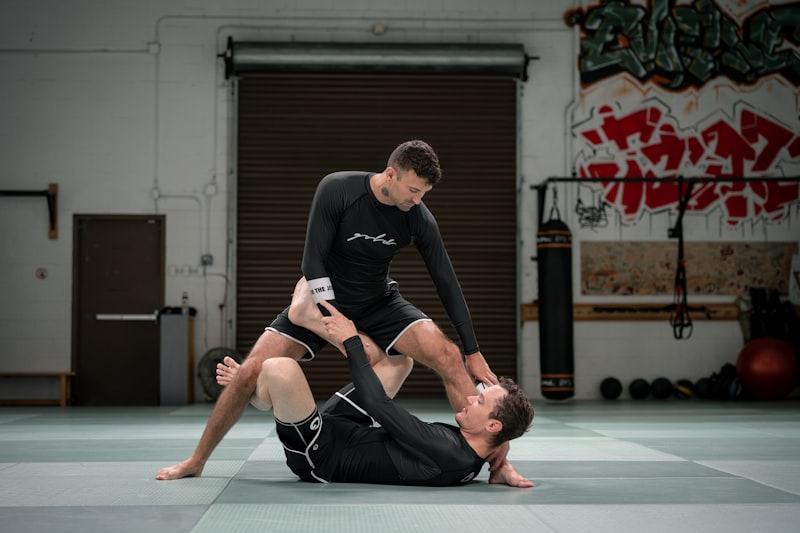
Adding these drills to your training makes a real impact over time. Consistency is essential. Because of this, most coaches recommend including shrimp drills in every warm-up. For beginners, three sets of ten reps, three times per week, is a good rule of thumb. As you progress, add resistance or have a partner increase pressure.
Combining solo and partner drills covers all situations. Solo drills help build good habits and fix mistakes. Partner drills mimic real rolling conditions, testing your technique under pressure. Both are vital for quick progress.
Mix the basic shrimp with hip bridges or wall shrimping. This develops muscle endurance as well as joint mobility. Mountain climbers and other core exercises prepare you for explosive escapes.
Remember, BJJ black belts and high-level competitors continue to drill hip escapes—even after years of training. Therefore, do not stop practicing these moves, no matter your level. Advanced students can add small weights or try dynamic drills where a partner gives unpredictable resistance.
Most gyms recommend setting aside 10-15 minutes each class for movement drills. For example, start with 5 minutes of solo shrimping. Then, move to 10 minutes of reaction shrimp with a partner.
Common Mistakes and How to Fix Them
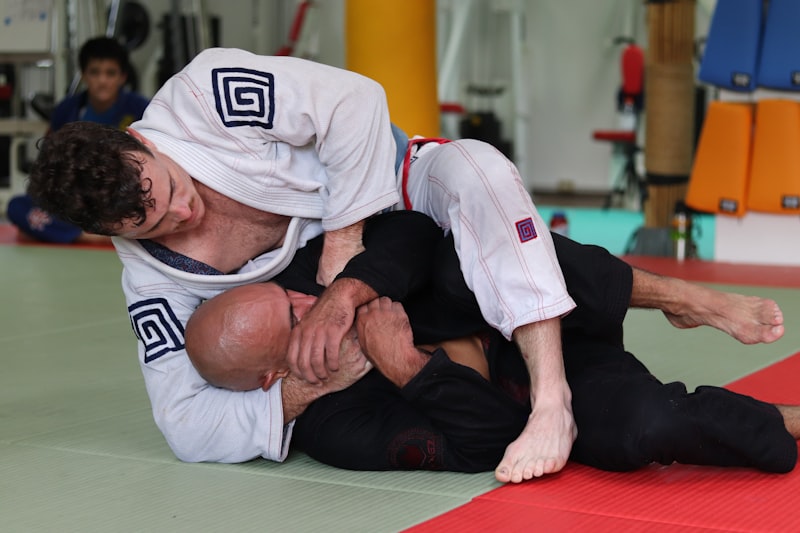
Even though the shrimp looks simple, many beginners struggle to perfect it. Let’s break down common errors and ways to fix them.
Lifting Shoulders Too High
Some students try to lift both hips and shoulders together. This reduces effectiveness. Instead, keep your shoulder blades in contact with the mat as you move.
Not Using Frames
Remember to use your arms to frame against your opponent’s hips or arms. Failing to frame gives your opponent more control and stops your escape.
Inefficient Leg Movement
Dragging your legs, moving them too wide, or crossing your feet makes the movement sloppy. Instead, keep your knees close, feet planted, and use a strong push-off. The wall shrimping drill, as mentioned earlier, can correct this problem.
In fact, a 2025 study in the Journal of Human Kinetics showed a direct link between efficient hip escapes and success in escaping mount or side control. The study measured over 50 practitioners and found those with proper shrimp technique escaped 35% faster.
Not Using Your Core
Relying only on your legs leads to weak escapes. Focus on engaging your abdominal muscles and glutes. Exercises like Russian twists and single-leg bridges reinforce the core engagement needed.
Coaches also note that many new students try to force the escape using strength rather than the correct motion. Practicing with slow, controlled reps improves muscle memory and builds automatic reactions under pressure.
Applying Hip Escape Drills to BJJ Positions and Transitions
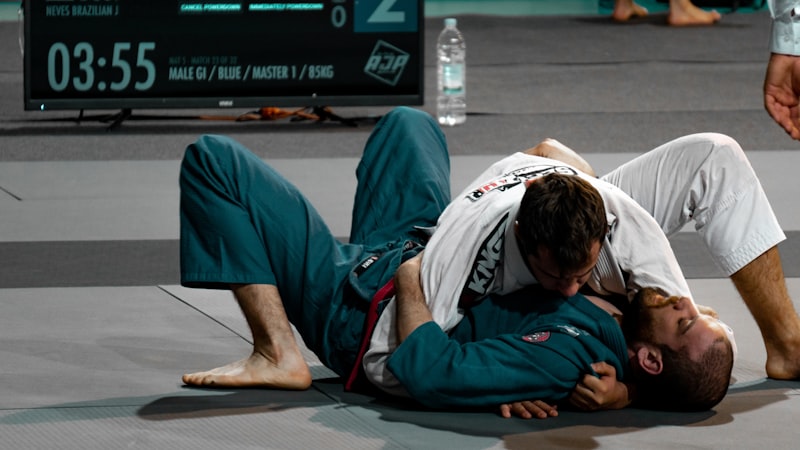
The true value of hip escapes appears when you apply them in live sparring. Hip escapes are essential in escaping the mount, side control, and transitioning between guard variations. Let’s look at real scenarios where these movements matter.
Escaping Side Control
If trapped in side control, start building a frame against your opponent’s neck and hip. Use your feet to push your hips out, making space. In many cases, two strong hip escapes put you in position to recover guard or even sweep.
A practical example: You are under pressure and cannot turn toward your opponent because your hips are stuck. Two tight hip escapes, combined with framing, break their hold.
Escaping the Mount
From mount, protect your arms and frame against the knee or hip. Plant your feet, bridge first to disrupt your opponent’s base, then hip escape. Once your hip is out, you have room to bring in your knee and start recovering half guard or full guard.
According to IBJJF competition data from 2025, successful hip escapes in mount lead to positive position change in 43% of escape attempts at white and blue belt levels.
Moving Between Guard Positions
Hip escapes also help you switch from closed guard to open guard, or to recover guard when it’s being passed. By hip escaping, you create space and keep your opponent at a distance.
In these ways, hip escape exercises are directly tied to every major BJJ position you will encounter. Practice them with clear purpose for maximum benefits.
Advanced Variations and Progressive Overload
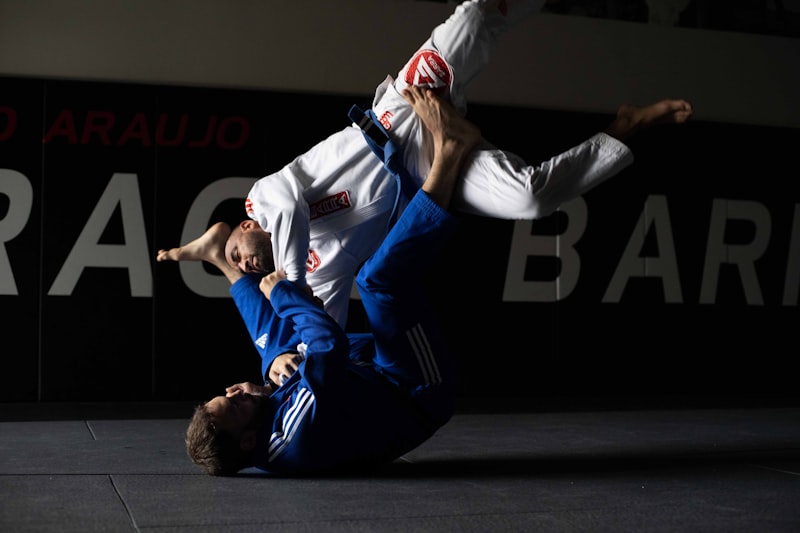
Once basic shrimp movements feel easy, increase the difficulty to keep making gains. Try adding resistance bands to your legs or torso. This adds resistance and develops explosive power.
Ask a partner to press down lightly while you drill. They can even move unpredictably, forcing you to adjust in real time. Shadow shrimping with a resistance band is great for solo strength work.
In addition, explore dynamic hip escapes. For example, practice hip escaping under actual sparring speed, then stopping and resetting. This builds reaction time and endurance.
Another advanced approach is to combine hip escape drills with passing or sweeping transitions. For example, from side control bottom, escape, frame, and immediately transition to a sweep or submission setup. This type of “chain drilling” teaches you to link escapes and attacks.
Advanced practitioners may find value in adding weights to glute bridges or Bulgarian split squats to develop power. For safety, always ask your coach to watch your form when adding new resistance.
Finally, track your progress. Time how long it takes you to cross the mat using only hip escapes. Keep a journal, note your improvements, and adjust your program every few weeks. For reference, top students can shrimp mat lengths in under 20 seconds with flawless technique.
Conclusion
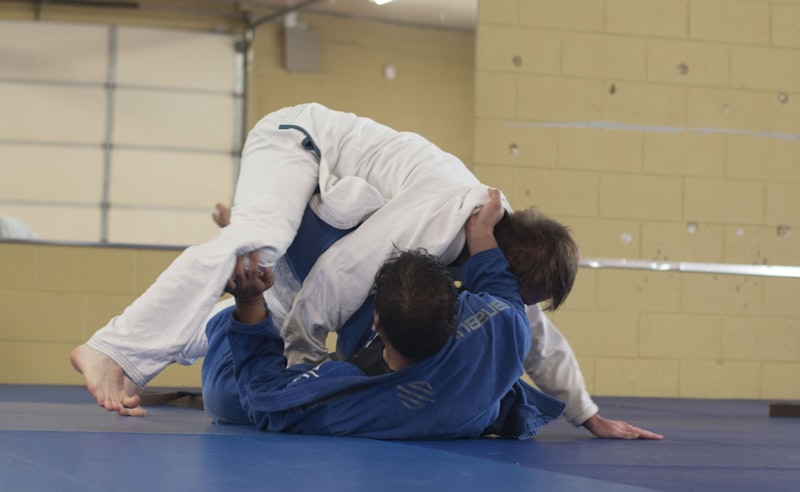
Improving your hip escapes pays off across every position in BJJ. These simple, targeted exercises speed up your escapes, reduce injuries, and boost your confidence. Make shrimping drills, wall exercises, and partner escapes part of each practice.
In summary, repeating good form, mixing solo and partner drills, and increasing difficulty over time helps you master this fundamental motion. By strengthening your hips and improving your muscle memory, you build a foundation for all core positions and movements in Brazilian Jiu-Jitsu.
Ready to advance your skills? Add these exercises to your next warm-up and notice the impact on your transitions and escapes. For more guidance on core BJJ basics, check out our other articles in the Core Positions & Movements series at ismartfeed.com.