
If you are looking for a beginner guide to active recovery days, you are in the right place. Effective recovery and smart mobility are vital for grapplers who want long-term progress without setbacks. This article covers everything you need to know to structure meaningful active recovery days into your grappling routine.
Most grapplers think rest means doing nothing. In fact, active recovery can help your body heal faster, improve your mobility, and prevent common injuries that stop progress on the mat. Let’s break down what active recovery really means and how to make it work for you.
What Are Active Recovery Days? A Beginner Guide for Grapplers
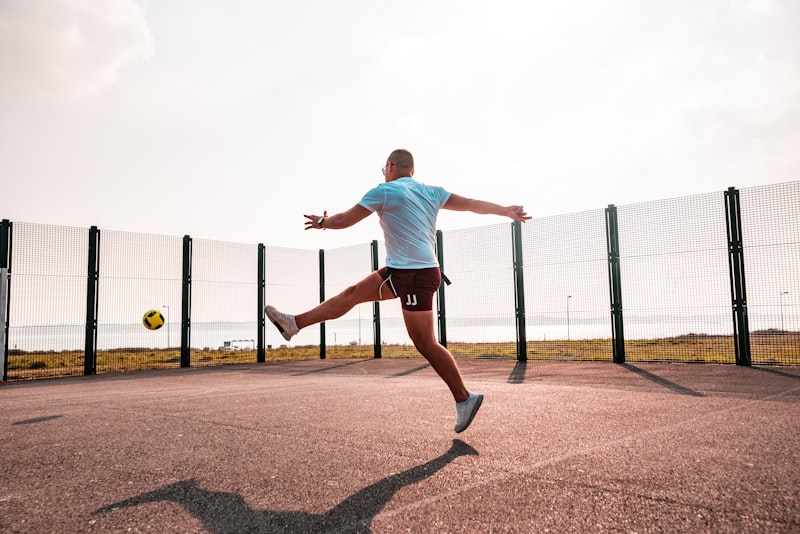
Active recovery days are structured periods of low-intensity movement and gentle exercise. These days are different from total rest days. Instead of staying still, you keep moving in ways that help your body heal.
For grapplers, this practice focuses on increasing joint mobility, boosting blood flow, and flushing out waste from hard sessions. While intense training puts microtears in your muscles, light movement can help supply oxygen and nutrients needed for recovery. Because of this, most top grapplers and athletes use these days to stay loose and improve their flexibility. Veja tambem: How to Use Resistance Bands for Injury Prevention: A Grappler’s Guide.
For example, a study published in the Journal of Strength and Conditioning Research found that active recovery can speed up the removal of lactic acid and reduce muscle soreness more than complete rest source. Therefore, adding these days to your training week can help you train harder, more often, and with less risk of injury.
Active recovery does not mean pushing through pain. Instead, it is about smart movement. This may include mobility drills, controlled stretching, yoga flows, or light aerobic activity. No matter your skill level, you should focus on exercises that keep your joints healthy and muscles supple.
In other words, active recovery is essential for progress in grappling without tipping into overtraining. Whether you are brand new or a seasoned athlete, you can start to feel the difference with just one or two sessions each week. As a result, you keep gains from hard training and avoid setbacks from injury.
Examples of Active Recovery for Grapplers
Not sure what counts as active recovery? For grapplers, great choices include:
- Joint mobility drills (hips, shoulders, neck)
- Dynamic and static stretching routines
- Gentle yoga or flow sessions designed for athletes
- Light activities like swimming, cycling, or brisk walking
- Using a foam roller or lacrosse ball for self-myofascial release
- Hip CARs (Controlled Articular Rotations): Expand hip range, reduce risk of groin pulls.
- Neck and shoulder rotations: Improve neck strength and protect against cranks.
- Wrist and ankle circles: Help prevent strain when posting or escaping.
- Schedule It Like Training
- Listen to Your Body
The key is to keep intensity low. If you are out of breath, sweating heavily, or feel joint stress, you’ve gone too far. If you can speak in full sentences, you are at the right pace.
Building a Simple Active Recovery Routine for Grapplers
Knowing what to do is one thing. Building a routine is another. Many grapplers struggle with consistency, but a planned approach makes active recovery easy to stick with.
First, set aside one or two days a week for active recovery. For example, use the day after your hardest rolling sessions or tournaments. This day is not about competition; it’s about gentle, focused movement.
Start with a total-body mobility warm-up. This could involve cat-cow stretches for your back, shoulder circles, hip openers, and ankle rolls. These drills target joints that get tight during grappling but are often ignored. For example, try 30 seconds of each drill for three rounds.
Next, move into targeted stretching. Grapplers often have tight hip flexors, hamstrings, and shoulders. Use static stretches for these areas, holding each stretch for 30-60 seconds. In addition, add dynamic stretches like leg swings and arm circles to loosen up further.
Yoga can enhance relaxation and flexibility. Choose short yoga routines meant for athletes. Focus on moves like downward dog, pigeon pose, and child’s pose. These improve spine, hip, and shoulder health—three areas critical for grapplers.
Finally, finish with self-myofascial release. Use a foam roller or ball to target sore spots along your upper back, legs, and arms. Roll each area for about one minute. This helps reduce tightness and improve blood flow. For grapplers, pay special attention to the lats, IT bands, and neck muscles, which get overworked on the mats.
Consistency is key. It is better to do 20-30 minutes of active recovery twice a week than one long session once in a while. Over time, you’ll feel more flexible, move better on the mat, and notice fewer nagging aches.
Injury Prevention and Longevity: Why Grapplers Need Active Recovery
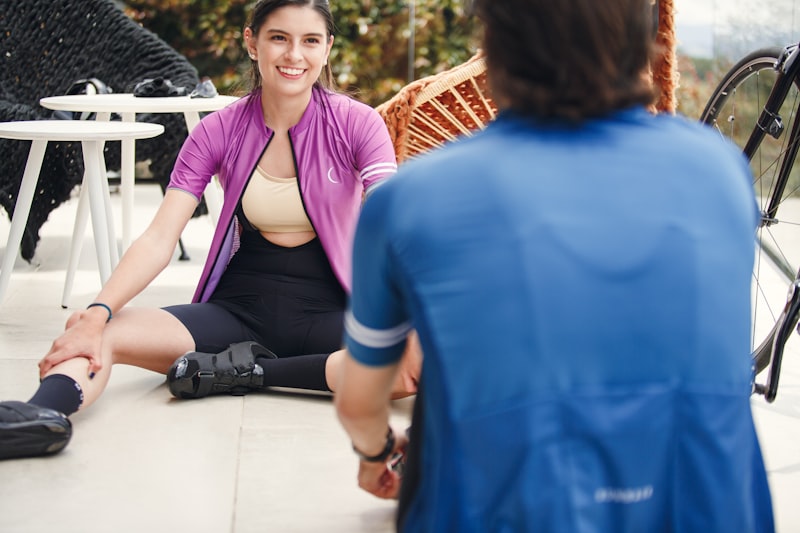
Injury prevention is one of the most important reasons to include active recovery. Grapplers face high stress on their joints, especially shoulders, neck, and knees. Without good mobility and regular recovery, these areas can become injury-prone.
For instance, data from the British Journal of Sports Medicine shows that Brazilian Jiu-Jitsu athletes have some of the highest rates of musculoskeletal injuries among combat sports link. Most injuries relate to limited mobility or insufficient recovery rather than freak accidents.
Because of this, active recovery is essential. When you perform mobility drills and targeted stretching, you help restore full range of motion in your joints. This reduces the risk of injury from overuse or bad technique. In addition, gentle movement flushes inflammatory waste from the body, speeding up healing from minor strains or bruises.
Another key benefit for grapplers is better body awareness. By focusing on active recovery, you learn early signs of tightness or weakness. For example, if your hips feel stiff during mobility work, you can address it before it leads to bigger problems.
You also build mental consistency by making recovery a non-negotiable part of your week. Many grapplers think recovery is for the “weak,” but research proves the opposite. Grapplers who commit to mobility and targeted recovery can often train longer, avoid chronic pain, and enjoy more years on the mat.
Mobility Drills That Protect Against Common Grappling Injuries
Not all exercises help prevent injury. Focus on drills that mimic grappling movements and target joint stability. Top moves include:
By spending just 10-15 minutes on these drills during an active recovery day, you support the health and durability of your joints. In summary, small actions on your off days can mean a much longer, safer athletic career.
Practical Tips to Make the Most of Active Recovery Days
Even if you understand the science, the hardest part is sticking to recovery habits. Here are practical tips to help grapplers succeed with this approach:
Treat your recovery days with the same respect as hard sessions. Write them in your training calendar. Invite teammates to join for accountability.
If active recovery feels like hard work, slow down. The goal is healing, not soreness. Adjust intensity based on how you feel.
- Avoid Triggers
- Combine with Mental Recovery
- Track Your Progress
- Seek Expert Advice
- Adapt as Needed
Skip moves that stress injured areas. For example, if your knee is sore, avoid deep squats and focus on upper-body and ankle mobility instead.
Stress is not just physical. Use recovery days for deep breathing, meditation, or mindfulness. This supports faster healing.
Note small improvements in flexibility, movement, or pain level. This makes success visible, keeping you motivated for future sessions.
If you are new to mobility drills, ask your coach or a physical therapist for feedback. Proper form is just as important as showing up.
Your needs will change with training cycles and age. Adjust drills and routines as your body adapts. Stay flexible—both mentally and physically.
Bringing structure, variety, and patience to your active recovery makes all the difference. The right plan can take you from stiff and sore to nimble and strong.
Conclusion
Active recovery is not a luxury—it is a key tool for every grappler. As this beginner guide to active recovery days highlights, it prevents injuries, keeps you mobile, and helps you progress faster. In addition, smart routines improve longevity and daily performance.
If you want to train harder without getting hurt, make active recovery part of your regular schedule. Start simple, focus on mobility and gentle movement, and track your progress over time. Your body—and your grappling—will thank you.
For more tips on safe training routines, mobility drills, and preventing injuries, check out the latest posts at ismartfeed.com. Start making active recovery work for you today—your future self will be glad you did.