
Understanding how to use resistance bands for injury prevention can help grapplers protect joints, build strength, and stay on the mats longer. In fact, resistance bands are now recognized as one of the best tools for mobility, recovery, and guarding against training-related injuries in 2026.
Resistance bands offer accessible ways to increase range of motion, support recovery, and add safe resistance. Because injury prevention is crucial for grapplers, knowing how to add these bands to daily routines makes a big difference.
In this article, you will learn practical strategies to use resistance bands in injury-preventing drills, mobility practices, and recovery routines designed for grapplers and combat athletes.
Why Use Resistance Bands for Injury Prevention in Grappling?
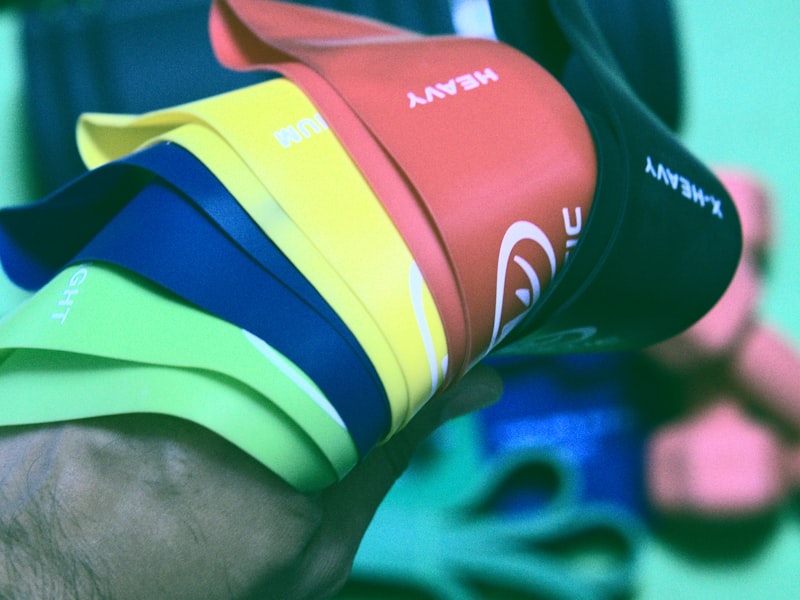
Resistance bands have exploded in popularity among grapplers in recent years. One reason is their ability to help protect key joints and support muscle control without putting extra stress on the body. Using resistance bands for injury prevention is a smart choice for several reasons. Veja tambem: Common Mistakes in Training Recovery: How Grapplers Sabotage Results.
First, grappling is demanding on the shoulders, knees, and back. Regular pulling, twisting, and explosive movements can strain the connective tissues. Bands allow athletes to strengthen stabilizing muscles in these vulnerable areas without using heavy weights. This reduces the risk of common injuries, such as rotator cuff sprains or ACL strains. Veja tambem: How to Prevent Overuse Injuries in Training: Practical Mobility Tips.
In addition, bands add gentle, constant resistance throughout a full range of motion. Unlike traditional weights, they provide variable tension—increasing as you stretch the band—which helps activate smaller stabilizer muscles. For example, a study in the Journal of Strength and Conditioning Research showed that resistance band exercises improve joint stability and muscle activation in athletes, leading to fewer overuse injuries. Veja tambem: Importance of Mobility Work for Strength Training: Maximize Gains in 2026.
Similarly, bands are versatile and portable. Therefore, grapplers can use them anywhere—in the gym, at home, or even at tournaments for warm-ups and cooldowns. You can use them for dynamic warm-ups and strength building, and to aid recovery between hard training sessions. Veja tambem: Top Yoga Poses for Muscle Recovery and Flexibility: Grapplers’ Guide.
Finally, resistance bands offer scalable difficulty. Beginners and advanced grapplers both benefit because bands range from light to heavy tension. Everyone can adjust intensity without risking joint overload.
For these reasons, learning how to use these simple tools is essential for injury prevention in any grappling discipline.
Common Grappling Injuries Addressed by Bands
Shoulder impingement, knee sprains, lower back pain, and elbow hyperextension are frequent complaints among grapplers. Regular resistance band drills target the supporting muscles of these joints. This extra support lowers injury rates and helps with recovery after minor strains.
Essential Resistance Band Drills for Mobility and Joint Health
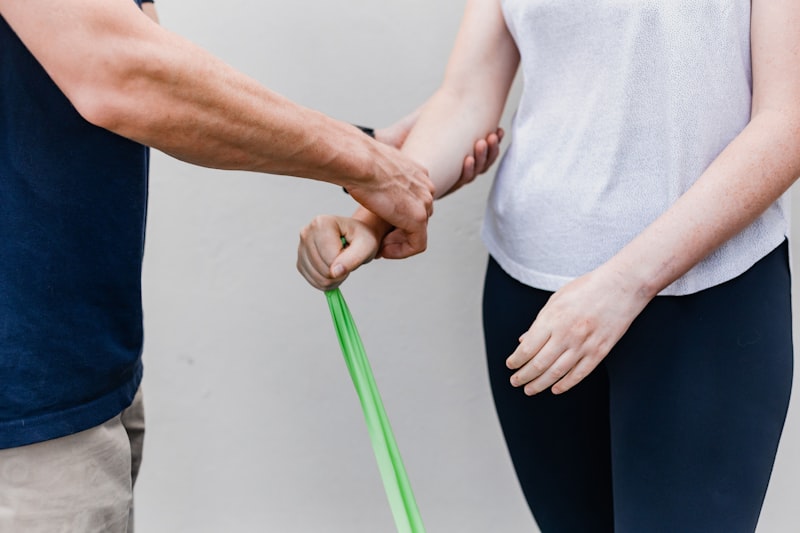
Knowing the right resistance band drills is key if you want to stay healthy as a grappler. Well-chosen exercises support both mobility and stability, helping to prevent chronic injuries. Below are several band-based routines highly effective for grapplers.
Shoulder Activation and Rotator Cuff Health
Many grapplers struggle with shoulder injuries due to constant gripping and rotation. Resistance bands help with both activation and stabilization.
- External Rotation Drill: Anchor the band at waist height. Keep your elbow by your side. Pull the band outward, rotating your forearm away from your body. This strengthens the rotator cuff, which helps prevent shoulder impingement.
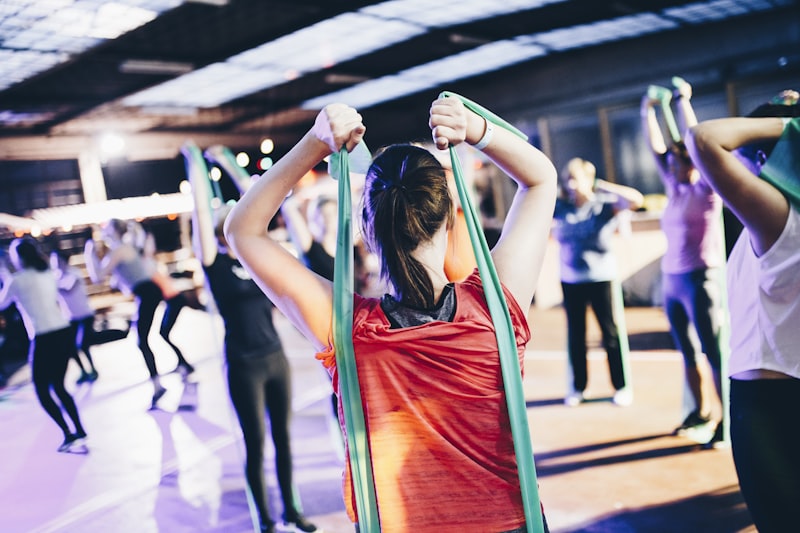
- Overhead Pull-Aparts: Hold the band with both hands above your head. Pull it apart by squeezing your upper back and shoulder blades. This drill improves scapular mobility and helps prevent “rolled shoulder” posture caused by constant grappling.
- Monster Walks: Place a loop band just above your knees. Walk sideways, keeping tension on the band. This activates the glutes and builds hip strength, providing knee support.
- Terminal Knee Extension: Anchor the band behind your knee and walk forward, extending the leg. This exercise fires up the muscles on the front of your thigh and helps protect against knee overuse injuries.
- Dead Bug with Band: Loop a light band around the feet. Lying on your back, alternate extending your arms and legs. The band forces the core to stabilize, reducing risk of lower back strains.
- 2 sets of 10-15 band pull-aparts (upper back)
- 2 sets of 10-15 external rotations (shoulder)
- 2 sets of monster walks, 10 steps each way (hips and glutes)
- 1-2 sets of hamstring or quad stretches using a band (flexibility)
- Loop Bands: Perfect for lower body exercises like monster walks or hip bridges.
- Tube Bands with Handles: Useful for upper body work such as rows or external rotations.
- Flat Bands: Great for stretching and general activation work.
- Never overstretch a band beyond 2.5 times its resting length.
- Anchor bands to sturdy, immovable objects.
- Maintain control throughout the range of motion. Letting bands “snap” back can cause injury.
Knee and Hip Stability Drills
Grappling puts a lot of stress on the knees. Weak hips and glutes increase this risk. Resistance bands help strengthen these muscle groups.
Spine and Core Mobility
A stiff or unstable lower back is a common cause of grappling downtime. Resistance bands offer safe ways to train the core.
In fact, adding just 10 minutes of these band drills three times a week shows marked improvement in mobility and injury resilience.
Tips for Effective Mobility Work
Always start each workout with a dynamic warm-up using bands. This increases blood flow and activates stabilizer muscles before rolling. After training, use gentle band exercises to cool down and stretch tight areas, which reduces soreness and supports faster recovery.
Integrating Resistance Bands Into Your Grappling Recovery Routines
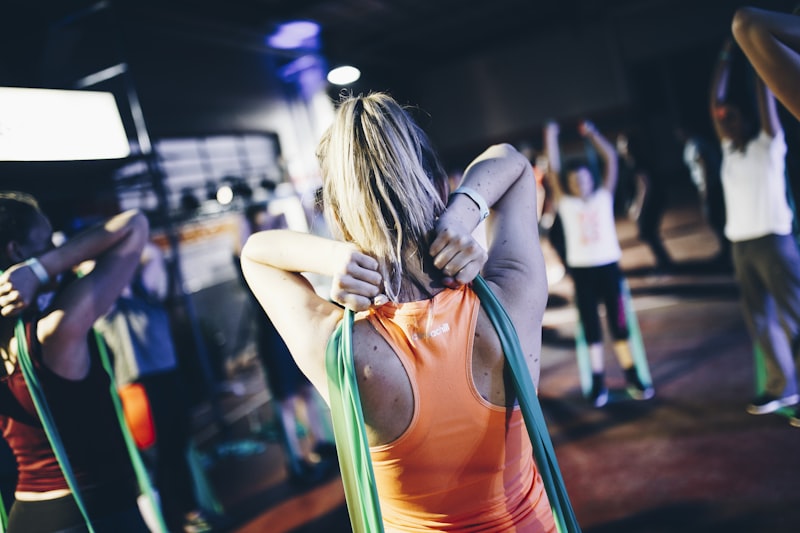
Post-training recovery routines are essential for grapplers, especially when training multiple times each week. Resistance bands are perfect for active recovery, as they trigger blood flow and muscle repair without adding heavy impact. This section focuses on using bands for cooldowns, stretching, and gentle “prehab” work.
Active Recovery and Blood Flow
After hard sessions, gentle band movement helps flush metabolic waste from tired muscles. This improves circulation and speeds up healing.
For example, “band pull-aparts” and “slow monster walks” can be done at low intensity during cooldowns. These movements are effective for maintaining mobility and reducing swelling. According to the American Council on Exercise, resistance bands in active recovery can decrease next-day soreness and speed up soft tissue repair.
Stretching and Flexibility
Bands are also great for deep stretches. You can use them to hold gentle tension as you stretch tight areas. This allows for a controlled increase in flexibility. For example, place a band around your foot while lying down and gently pull your leg up for a hamstring stretch. This can improve high-guard retention and guard recovery for Brazilian Jiu-Jitsu athletes.
Prehabilitation (Prehab) Protocols
Besides rehab, bands help “prehab”—that is, training to prevent injuries before they occur. Prehab exercises use light resistance bands to target areas vulnerable to repetitive stress, such as the shoulders or groin. 10-15 minutes of band prehab after each session can lower injury risk over time.
Sample Grappler Recovery Routine (15 Minutes Post-Training)
Perform these exercises with light resistance and slow, controlled movement. In addition, focus on deep breathing to aid relaxation.
How to Select and Care for Resistance Bands
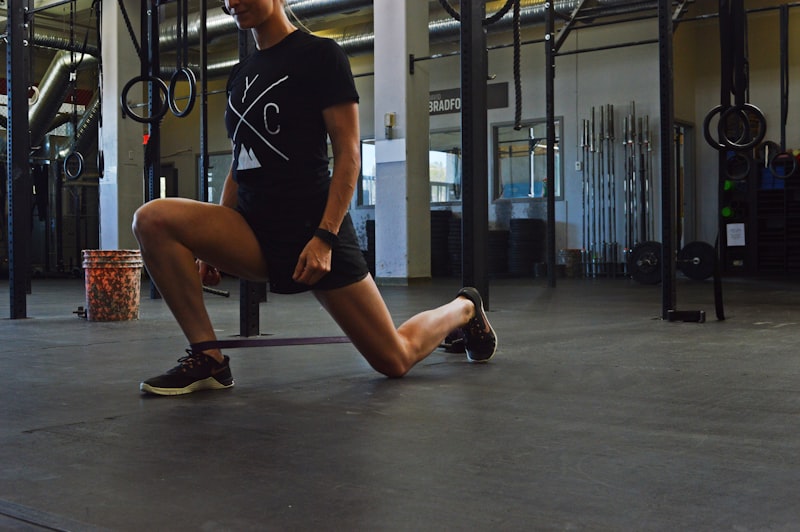
Choosing the right resistance band is important for both effectiveness and safety. Not all bands are created equal, and knowing what works best for grapplers makes a difference. Here are key tips on selection and care.
Selecting Resistance Bands for Grapplers
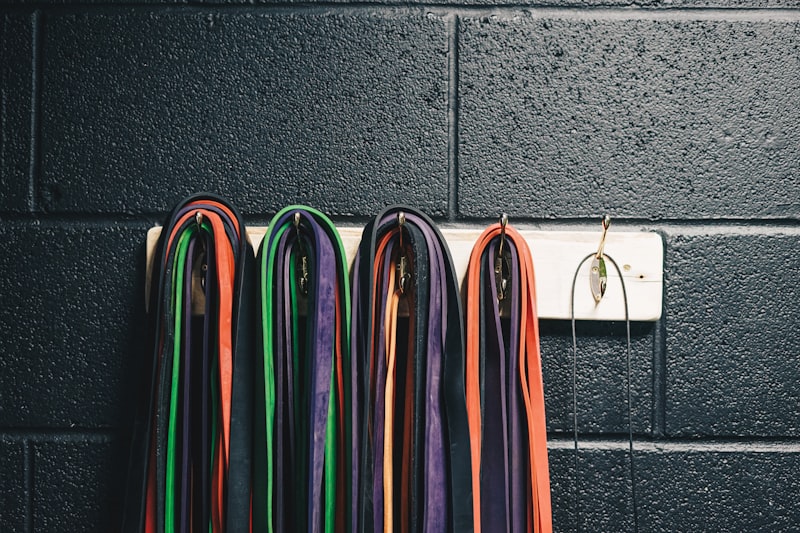
Resistance bands come in various shapes, thicknesses, and strengths. For injury prevention and recovery, focus on these types:
In 2026, most quality brands print resistance levels directly on the bands, ranging from light to extra-heavy. Beginners should start with light resistance, around 5-15 pounds, and only move up as strength improves. For advanced grapplers, a medium band is often preferred for prehab drills, while heavy bands are best reserved for specific strength circuits.
Caring for Your Bands
Proper band care prevents snap injuries. Inspect bands before each use. Replace them if you notice cracks, thin spots, or signs of wear. Store bands away from direct sunlight and sharp objects, as both degrade latex and fabric faster. Wash with mild soap and water if they become dirty.
Band Safety Tips
Finally, always check with your coach or a physical therapist if you’re unsure about your technique or which drills are best for your needs.
Common Mistakes and How to Avoid Them
While resistance bands are generally safe, mistakes can lead to poor results or even minor injuries. Recognizing and correcting these mistakes ensures you get the most injury prevention benefit from your training.
Mistake 1: Using Bands That Are Too Heavy
Some athletes choose bands with excessive resistance, thinking it will develop more strength. However, too much resistance turns prehab into outright strength work. This can overload smaller stabilizer muscles. Instead, stick with light or medium bands for injury prevention routines.
Mistake 2: Poor Technique and Rushed Movements
Quick, jerky movement reduces the benefit of band training. It can actually cause small strains, especially in the shoulder or elbow. Instead, move with control, maintaining constant tension.
Mistake 3: Neglecting Unilateral (One-Sided) Training
Most grappling movements happen in all directions, not just in symmetrical patterns. Unilateral resistance band work, like single-arm rows or lateral walks, helps correct muscle imbalances. Therefore, include one-sided drills weekly to ensure balanced development and reduce injury risk.
Mistake 4: Inconsistent Use
To see real benefits, use resistance bands regularly. Adding bands to warm-ups, cooldowns, or off-day recovery routines is more effective than using them only after you’re already injured.
Mistake 5: Skipping Band Warm-Ups on Intense Days
On days with hard sparring or drilling, proper prep is even more critical. Band warm-ups prime the nervous system, activate stabilizers, and reduce injury risk. Skipping this step is a recipe for setbacks.
See more on sport-specific injury prevention from trusted sources like Johns Hopkins Medicine.
Conclusion
In summary, knowing how to use resistance bands for injury prevention is key for grapplers who want to train smarter, not just harder. Bands are versatile, affordable, and proven to boost joint health, mobility, and resilience to injury.
To get the most from this approach, choose appropriate drills for your needs, use bands consistently, and focus on form—not just resistance. Including band exercises in warm-ups, cooldowns, and recovery routines helps keep you strong and injury-free all year.
Start with light resistance, master the basics, and you’ll notice real improvements in your performance and long-term health. Take action and add resistance bands to your next grappling session—your joints will thank you.
For more research-backed guidance on mobility, recovery, and injury prevention for grapplers, explore the expert articles at isMartFeed.com.