
Many grapplers unintentionally slow their progress by repeating common mistakes in training recovery. This happens more often than people realize. While intense battles and hard drilling sessions shape your skill, real gains take place during recovery.
Neglecting recovery leads to poor mobility, stubborn injuries, and plateauing progress. Learning to avoid these mistakes, therefore, is crucial for both hobbyists and competitive athletes.
In this guide, you will learn the most overlooked recovery errors. You’ll also get practical examples tailored to combat athletes. By the end, you will have actionable tips to keep you healthy, flexible, and ready for every round.
Skipping Key Elements of Recovery: Stretching and Mobility Drills
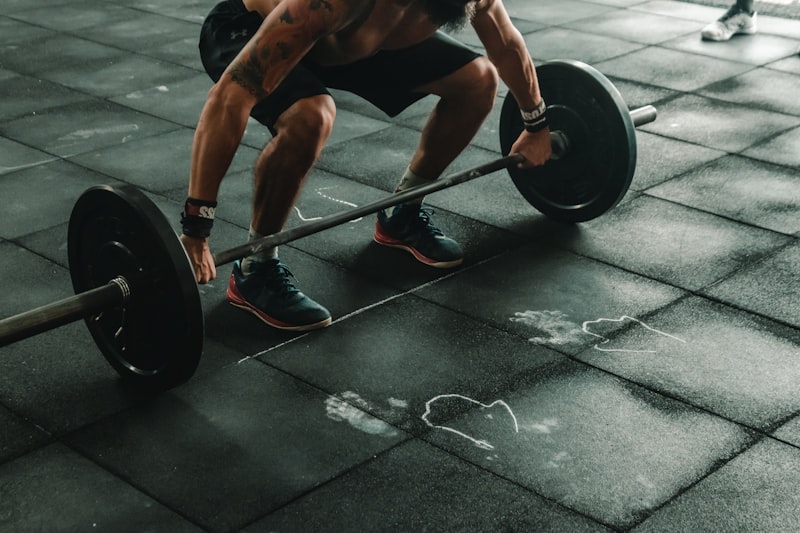
Failing to include stretching and mobility drills is a primary reason many grapplers face chronic stiffness and injuries. The most common mistakes in training recovery often start with athletes treating cool-downs as optional. In fact, proper cool-down and stretching routines are essential, especially after intense grappling.
For example, many grapplers finish live rolls or drilling sessions and walk straight out of the gym. This neglect often leads to tightened hip flexors, sore shoulders, and aching backs the next day. Over time, muscle tightness reduces range of motion. As a result, you become more injury-prone and less efficient on the mat. Veja tambem: How to Prevent Overuse Injuries in Training: Practical Mobility Tips.
Adding just 10-15 minutes of targeted stretching and active mobility work helps you recover faster. According to the American Council on Exercise, cool-down routines reduce soreness and help joints stay supple. For grapplers, hip, shoulder, and spine mobility drills are especially valuable. Veja tambem: Importance of Mobility Work for Strength Training: Maximize Gains in 2026.
In addition, it’s a mistake to use only static stretching. Dynamic mobility drills, such as controlled hip rotations or shoulder CARs, help restore joint function after training. Skipping these steps may feel harmless in the short term. However, over weeks and months, tightness and poor mobility accumulate. This can lead to nagging injuries or even time off the mat.
Therefore, focus on making stretching and mobility drills a core part of every training session. Incorporate specific movements based on your grappling style and known weak points. Finally, remember that good habits built during recovery improve both performance and injury prevention for grapplers.
Example Mobility Protocol for Grapplers
A simple protocol could include: 5 minutes of dynamic hip flows, 5 minutes of shoulder dislocates, and 5 minutes of deep static holds for tight areas. Performing these after each session helps restore normal muscle length and joint health.
Ignoring Sleep and Nutrition: The Most Overlooked Recovery Factors
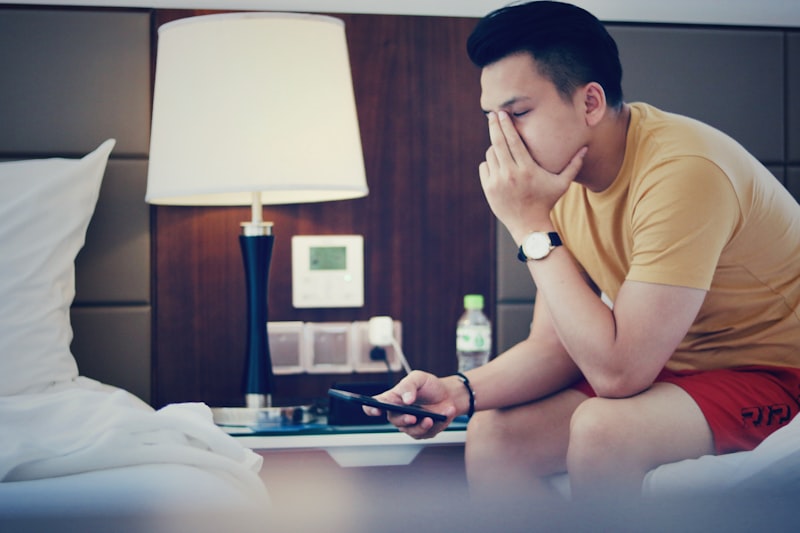
Sleep and nutrition play major roles in how well your body recovers after tough grappling. However, many athletes focus solely on supplements or external therapies. They forget the basics: eating well and getting enough sleep. This is one of the most common mistakes in training recovery for grapplers.
Good sleep is not just about feeling rested. It helps your muscles repair and store new movements in your brain. Research from Sleep Foundation shows athletes who get at least 7-9 hours recover faster and have better reaction times. On the other hand, those who lack sleep are more likely to get injured and see a drop in training performance.
Nutrition is just as important. Many grapplers either overeat unhealthy food or under-fuel their bodies after a hard session. This approach leads to poor muscle growth, slow recovery, and low energy. Instead, aim for a mix of lean protein, complex carbs, and healthy fats after training. For instance, eating grilled chicken with rice and vegetables within 60 minutes post-workout helps speed up recovery.
In fact, poor nutrition and lack of sleep also weaken your immune system. As a result, you get sick more often or struggle to bounce back from tough training weeks. Therefore, schedule sleep like you schedule training. Prep meals ahead of time to ensure you refuel properly. Over time, these healthy habits make a clear difference in mobility, healing, and performance.
Ignoring these basics is easy to do with a busy lifestyle. However, they are the foundation for all other parts of recovery. Prioritize sleep and balanced meals to avoid this common recovery mistake.
Overreliance on Passive Recovery Methods and Gadgets
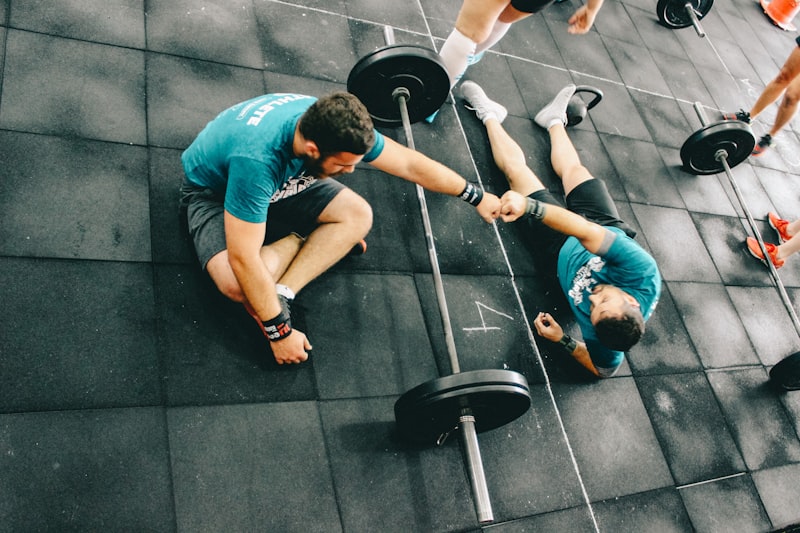
Many athletes fall into the trap of relying too much on tools or passive recovery methods. Examples include foam rolling, massage guns, or expensive compression gear. While these can help, making them your only recovery routine is one of the leading common mistakes in training recovery.
This approach feels easier than active movement. However, research has shown that these gadgets, if used alone, do not address root problems like muscle imbalances or poor technique. For example, foam rolling the IT band gives some temporary relief. However, if you do not also strengthen weak areas or improve movement patterns, the pain often returns.
In addition, relying on ice baths or massage as your sole method can lead to passive recovery. Passive strategies help with soreness, but they do not boost blood flow or restore mobility like active recovery does. For grapplers, who use a wide range of muscles and joints, only moving and stretching can maintain joint health and flexibility.
It is important to use passive tools as supplements rather than the foundation. For instance, use a massage gun to relax tight quads after training, then follow with a light walk or dynamic stretching. This approach combines temporary relief with lasting results.
Similarly, don’t let expensive gadgets replace simple, proven techniques. Many world-class grapplers use basic methods like gentle movement, breathwork, and focused stretching. These continue to outperform gadgets when it comes to long-term health and performance.
Building a Balanced Recovery Routine
Start with low-intensity aerobic work (such as cycling or swimming) after hard grappling. These activities promote blood flow and speed up muscle repair. Then, add mobility drills and light stretching. Use passive tools to manage pain, but not as a substitute for these key steps.
Returning Too Soon After Injury or Hard Sessions

One of the riskiest mistakes grapplers make is coming back too soon after an injury or intense training. Grappling is physically demanding. In addition, it often involves awkward positions that stress joints and tendons. Therefore, cutting corners with recovery leads to further problems.
Returning early often causes small injuries to become bigger ones. For example, a minor elbow strain can turn into a month-long layoff if you ignore pain after a tough class. According to the National Institute of Arthritis and Musculoskeletal and Skin Diseases, failing to let injuries heal leads to chronic pain, longer downtimes, and repeat issues.
Part of the problem comes from the drive to compete. Grapplers hate missing class or matches. However, ignoring your body’s warning signs has bigger consequences. Listen to signals like lingering swelling, sharp pain with certain moves, or persistent soreness. These are your body’s way of saying, “Stop and recover.”
Rest days and proper injury management prevent setbacks. This does not mean full inactivity. “Active rest” can include light movement, gentle stretching, or swimming. These promote blood flow and healing without overloading sore areas.
In addition, always follow professional advice when injured. Skipping rehab sessions or returning before getting cleared is a recipe for long-term issues. If you develop a pattern of small injuries, review your routine. Are you stretching enough? Sleeping well? Addressing these questions can help avoid repeat mistakes.
Finally, take pride in smart recovery. In fact, most elite grapplers are known not just for hard rolls but for knowing when to slow down. Long-term success on the mat depends on a balanced approach.
Lack of Consistency and Planning in Recovery Strategies
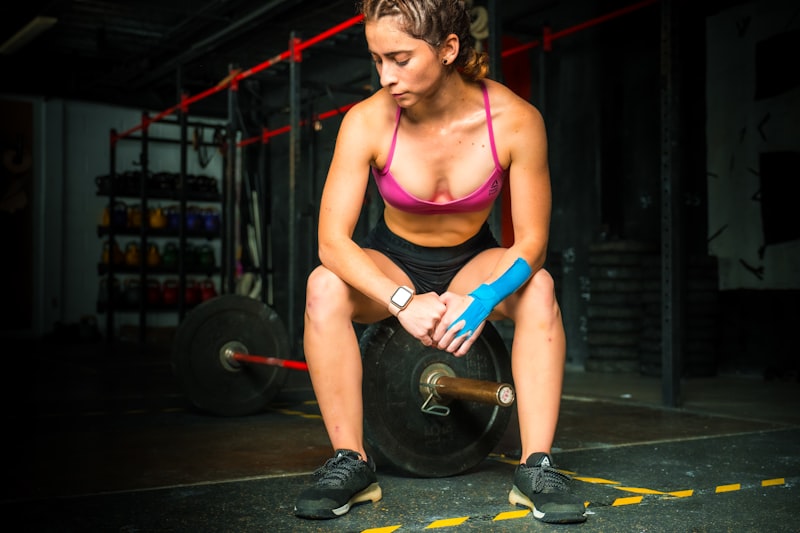
A major error that grapplers make is the lack of a clear plan for recovery. Often, recovery routines are treated as optional or left to chance. However, consistency is critical for true progress. Training hard without regular recovery routines is unsustainable.
Without a plan, it’s easy to skip mobility work, forget to prep meals, or sacrifice sleep. Over a few weeks, this approach leads to accumulated fatigue, loss of mobility, and higher risk of injury. For example, athletes who sometimes stretch after training and sometimes don’t, report more knee and shoulder pain than those who stick to a routine.
Studies show that consistent recovery habits reduce the risk of overuse injuries by up to 40%. For grapplers, whose training schedules change often, this means having a simple, actionable plan that adapts to your week. For instance, many Brazilian Jiu-Jitsu athletes schedule 2-3 dedicated mobility sessions and have a clear post-training routine after every class.
Tracking your recovery also leads to better results. Use a notebook or an app to record hours of sleep, stretching time, or how sore you feel on different days. As a result, you can spot patterns before small aches become big issues. Similarly, advance planning with an injury-prevention focus pays long-term dividends.
In addition, share your plans with coaches or teammates. Accountability increases the chance you stick to your routine. This simple step often results in better attendance at recovery sessions and improved long-term health for the whole team.
Consistency and planning may not sound as exciting as learning a new submission. However, they are just as important for staying healthy and progressing on the mat.
Conclusion
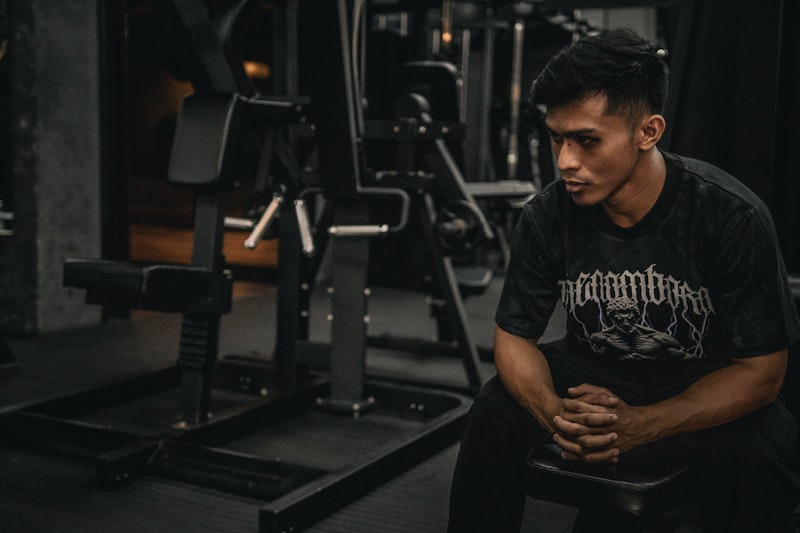
Grapplers who understand and address the common mistakes in training recovery put themselves in the best position for long-term success. Skipping mobility work, neglecting sleep and nutrition, over-relying on passive tools, returning too soon after injury, and lacking consistent routines can all hurt your performance and increase injury risk.
Commit to daily stretching and active mobility after training. Prioritize quality sleep and balanced eating. Use gadgets as a supplement, not a solution. Listen to your body and respect rest days—especially after injuries. Finally, build a consistent, adaptable plan and stick to it.
Take charge of your recovery starting today. Your joints, muscles, and performance on the mats will thank you tomorrow. For more expert tips on mobility, recovery, and injury prevention, visit ismartfeed.com regularly and protect your passion for grappling.