
If you have ever wondered what is a guard system in grappling, you are not alone. This concept defines many strategies seen in Brazilian Jiu-Jitsu, submission grappling, and MMA. Understanding guard systems is essential for anyone looking to improve sweeps, submissions, and defensive skills from the bottom.
In this article, we explain how guard systems work in grappling. We cover their main types and why their structure matters. You will learn about closed, open, and half guard structures. We will also show how off-balancing and sweep combinations fit into the guard system.
By the end, you will have a clear idea of why guard systems matter in modern grappling. Whether you are new to the sport or want to advance your game, this guide will help you build a strong foundation.
What Is a Guard System in Grappling? Core Principles and Importance
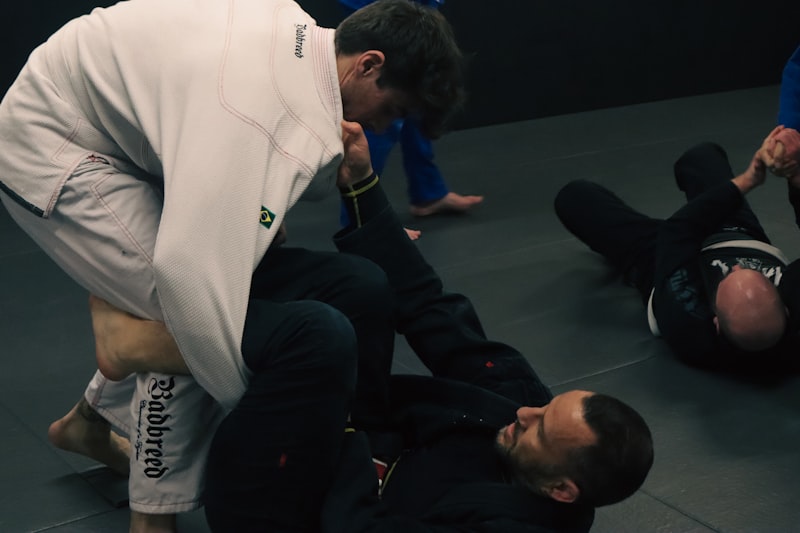
A guard system in grappling means the framework of positions, grips, and tactics a person uses from the bottom. The goal is to control the opponent, prevent passes, and create attacks. These systems combine physical structure, grip strategy, and active movement. Veja tambem: List of Essential Guard Sweeps: Key Techniques for BJJ Success.
For example, in Brazilian Jiu-Jitsu, the guard is not only a defensive position. It is the start point for many sweeps and submissions. In fact, a guard’s strength lies in its structure and transitions. This is why top grapplers spend years mastering different guard systems. Veja tambem: How to Counter Guard System Attacks: Strategies for Sweeps and Guard Structures.
A good guard system allows smaller practitioners to handle bigger opponents. It creates distance, controls posture, and sets up attacks. Each system has its own way to use leverage, grips, and angles. Because of this, some are better for sport jiu-jitsu, while others fit MMA or self-defense. Veja tambem: Guard Retention vs Guard Sweeps Explained: Key Concepts and Strategies.
The importance of understanding your guard cannot be overstated. A weak or static guard invites passes and submissions from the top. In contrast, a dynamic guard system allows you to off-balance, control, and sweep the opponent. This principle applies to both gi-based and no-gi grappling arts.
Top academies break down the guard into several systems. These include closed guard, open guard (like De La Riva or spider guard), and half guard. By studying each, you learn to use structure and timing. This approach turns the bottom into an offensive position.
Therefore, building your guard system requires practice, study, and experimentation. Every athlete develops strengths in different guard systems based on body type, flexibility, and personal style. For more information and examples, see this tutorial from BJJ Fanatics.
How Guard Systems Differ by Ruleset
Guard systems change depending on the rule set. For example, in gi jiu-jitsu, sleeves and pants offer extra grips. As a result, certain spider guard or worm guard systems are only effective in gi settings. In no-gi, grips are limited to the body. This means systems like butterfly guard or half guard are more popular for sweeps and submissions.
In summary, guard systems are not “one size fits all.” They evolve with the sport, the athlete’s goals, and the competition rules. You must adjust your tactics based on these factors for the best results.
Closed, Open, and Half Guard: Structure and Control Differences
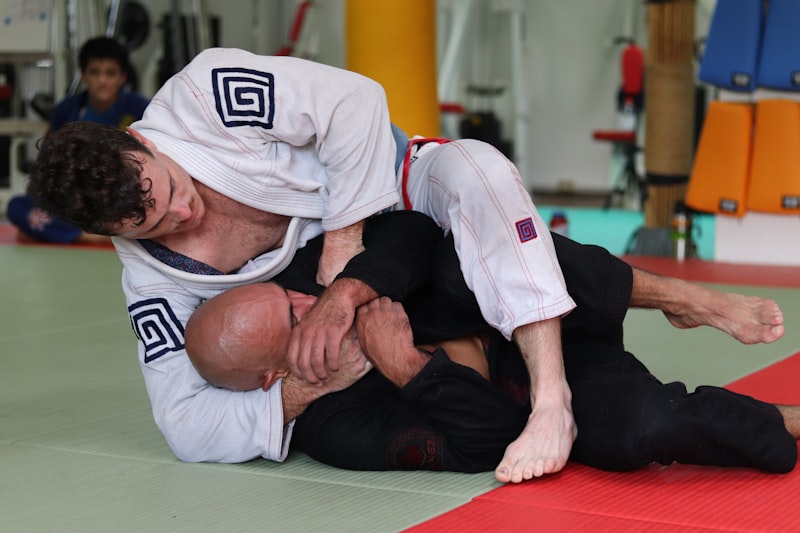
The main guard systems can be divided into three broad types: closed guard, open guard, and half guard. Each has unique structures, grips, and tactical options.
Closed guard involves locking your legs around your opponent’s waist. This creates a closed circuit, which limits their mobility. In closed guard, you can control posture, break their balance, and set up submissions. For instance, the classic hip bump sweep or armbar comes from closed guard. Because it limits offense and defense, many beginners start here.
Open guard, on the other hand, means your legs are not locked around the opponent. Instead, you use feet on hips, shins, or hooks to control distance. Examples include De La Riva guard, spider guard, and butterfly guard. Open guard adds more mobility but requires active grips and constant adjustment. It also offers more off-balancing options and a wider range of sweeps.
Half guard occurs when one of your legs traps only one of the opponent’s legs. The classic half guard is where your inside leg is under their leg, and your outside knee blocks their body. From here, you can create leverage for sweeps, or use frames to escape. As a result, half guard is favored by many high-level grapplers, both in gi and no-gi. For example, the deep half guard is a powerful position for sweeping larger opponents.
Closed guard gives more control, while open guard offers mobility and variety. Half guard is a blend, providing leverage and transition paths to both offense and defense.
All of these guard structures use the concepts of frames, hooks, and grips. Frames are strong body parts (like your forearm or shin) used to block the opponent. Hooks involve placing your feet or arms to create angles or traps. Grips, whether on a gi or on the body, give you the ability to control limbs and posture.
Because grappling is so dynamic, you often transition from one guard system to another. Therefore, a strong guard game combines elements of each system. Learn when to switch and how to connect them for sweeps and submissions.
Off-Balancing and Sweeps: Attacks from the Bottom Guard
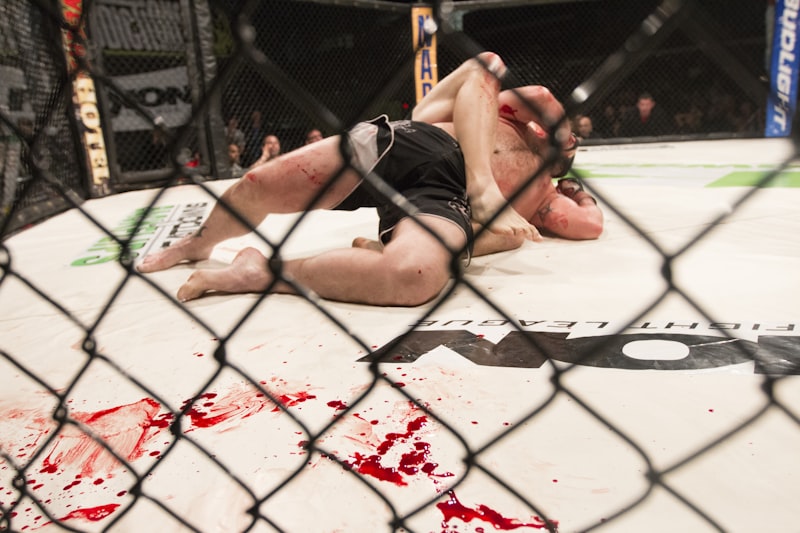
A key reason grapplers focus on guard systems is to attack from the bottom. Off-balancing (also called “kazushi” in judo) is the art of making the top player lose balance. As soon as they shift their weight, you can launch sweeps or submissions.
For example, in closed guard, you can use your legs and grips to break your opponent’s posture. By pulling with your legs and pushing with your arms, you move their center of gravity. This makes them less stable. Once off-balanced, you can go for sweeps like the flower sweep or hip bump sweep.
Open guard uses your feet, hooks, and grips to control distance and create angles. Guards like De La Riva or spider guard make it hard for the opponent to establish a wide base. In fact, modern grapplers use daily off-balancing drills to improve sweep rates. High-level athletes like those in the International Brazilian Jiu-Jitsu Federation World Championships often score by using complex sweep chains. These techniques are rooted in strong guard systems.
Half guard’s unique property is its use of leverage from the bottom. By applying knee shields or underhooks, you limit your opponent’s movement. The “Old School” and “Electric Chair” sweeps made popular by Eddie Bravo show just how powerful half guard leverage can be. After off-balancing, you can reverse, come on top, or find submissions like kneebars or kimuras.
Because of this, sweeps are scored highly in most sport BJJ competitions. Successfully sweeping lets the bottom player become the top player, earning points or improving their position for submissions. The best guard systems allow you to chain off-balancing actions into multiple sweep options.
However, sweeps are not the only goal. Some guard systems, like lasso guard, give you the option to shift from defense to aggressive attacks within seconds. This ability to transition is what separates static, beginner guards from advanced systems.
Building an Effective Guard System: Drills, Transitions, and Individualization
To develop a strong guard system, you need more than knowledge of positions. Consistent drilling and live sparring are key. Start by mastering the underlying structures (closed, open, half). Then, focus on how to transition between them. For example, if your closed guard opens, can you move to De La Riva or half guard without exposing yourself to passes?
Drills should include off-balancing (the act of disrupting your opponent’s base) and follow-up sweeps. For example, practice “scissor sweep” from closed guard, then flow into “triangle choke” if the sweep fails. In fact, modern grapplers train guards as “chains” rather than isolated moves.
Customizing your guard system is also vital. Every athlete has a unique body type, flexibility, and game preference. Some favor dynamic open guards for fast movement. Others use tight closed guard because of shorter legs. Therefore, experimenting with structures and observing what works is crucial. Over time, your guard system should become a reflection of your personal style.
High-level coaches often advise students to develop at least one “A-game” guard system. This allows you to have a go-to strategy when under pressure. From there, adding secondary guards increases your ability to adapt mid-match.
In addition, transition drills help you recover guard after failed sweeps or when the opponent tries to pass. The best athletes can switch from De La Riva to half guard or from butterfly to closed guard to maintain control. As a result, these transition skills are valuable for both competition and self-defense settings.
Finally, studying match footage is a proven method to see guard systems in action. Analyze top athletes and how their guards lead to sweeps and submissions. For in-depth breakdowns, check resources from BJJ Eastern Europe.
Conclusion

A guard system in grappling is much more than a defensive stance. It is a structured set of grips, positions, and tactics that allow the bottom player to control, attack, and sweep. Understanding what is a guard system in grappling helps you build a stronger, more effective bottom game.
By exploring the differences between closed, open, and half guard, you can choose strategies that fit your body and goals. Off-balancing and sweeps are at the heart of guard systems, making them central to success in BJJ and submission grappling.
If you want to improve, start mastering one guard structure, then connect your sweeps and attacks into a complete chain. Regular drilling, transition practice, and guard retention skills will take your bottom game to the next level. For more tips and technical guides, keep exploring the Guard Systems & Sweeps category at ismartfeed.com.