
Understanding the key movements to improve BJJ sweeps is vital for anyone serious about progressing in Brazilian Jiu-Jitsu. Good sweeps can turn a defensive guard into an offensive position and help you control the ground game.
Developing strong sweeps is not only about technique. It also relies on timing, leverage, and body mechanics. In this guide, we explore the fundamental movements and concepts every BJJ practitioner needs to improve their sweeps from the ground up.
We will cover the foundations, core positions, essential drills, and common mistakes. Whether you’re a white belt or a seasoned grappler, mastering these movements will raise your overall performance on the mats.
The Foundations: Why Key Movements Matter for BJJ Sweeps
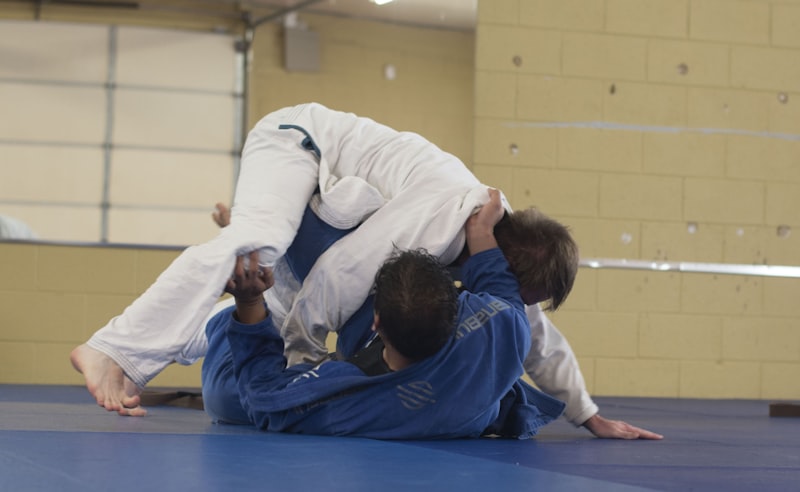
Every sweep in Brazilian Jiu-Jitsu starts with a few core movements. To improve, you need to focus on hip mobility, proper bridging, and how you control your opponent’s posture. Because of this, the basics deserve regular practice. Veja tambem: Understanding Connection and Posture in Fundamental BJJ Positions.
For example, the hip escape (shrimp) is a vital movement. It helps you create space and angle for many sweeps. In addition, a solid bridge or “upa” motion generates the power you need to lift and off-balance your opponent.
Posture and grip also play a huge role. Without breaking your opponent’s balance, most sweeps will fail. Therefore, learning how to disrupt their center of gravity is key. Many top-level athletes, as seen in IBJJF competitions, drill these basics daily.
According to BJJ Fanatics, correct movement creates the chance for every successful sweep. Grip fighting and weight distribution make it hard for your opponent to base or counter.
Finally, focusing on these fundamentals prevents your movement from becoming predictable. This approach gives you more options for sweep variations and transitions. As a result, your guard game will get stronger and more dynamic if you start refining the basic body mechanics early.
Core Movements Explained
First, the hip escape lets you create space and adjust angles. Second, the technical stand-up helps you return to your feet safely after a failed sweep or scramble. Third, proper bridging allows explosive movements when you try to reverse positions.
All these movement patterns should be drilled as often as guard sweeps themselves. Because of this, top instructors like John Danaher recommend spending at least 10 minutes each class on these core skills.
Mastering Core BJJ Positions for Effective Sweeps
To execute strong sweeps, you must understand the main guard positions and transitions. These include closed guard, open guard, half guard, and butterfly guard. Each requires its own movement patterns.
For example, in closed guard, you rely on breaking posture and controlling wrists or sleeves. This control sets up classic sweeps such as the scissor sweep or hip bump. The key movement here is pulling the opponent forward, lifting your hips, and turning at your waist.
However, open guard demands a different approach. Here, hooks with your feet and active grips help control the distance. From the open or spider guard, movements like the lasso or De La Riva sweep use your legs for leverage. Therefore, strong core and hip strength are critical.
Half guard is another important position. Many advanced sweeps start here, using knee shields, underhooks, and bridging motions. Maintaining an underhook while off-balancing your opponent with your hips is often what makes or breaks a successful sweep from half guard.
In butterfly guard, you use both feet as hooks inside your opponent’s legs. The main movement is a lifting motion with your hips and thighs, often paired with pulling or pushing their upper body. In this position, timing is everything.
For white and blue belts, understanding the unique movement patterns of each guard position will help you match the right sweep to the situation. It will also make your transitions between guards smoother and safer.
Furthermore, progressing through these positions teaches you how to recover if a sweep fails. For example, if your scissor sweep does not work, you may transition to a collar drag or arm drag, using similar hip and grip mechanics.
Many BJJ schools follow this structure to teach guards and their sweeps. In fact, a study from The Journal of Martial Arts Research found that practitioners who drilled multiple guard movements had a 30% higher sweep success rate over a six-month period.
The Most Effective Drills to Build Sweeping Power
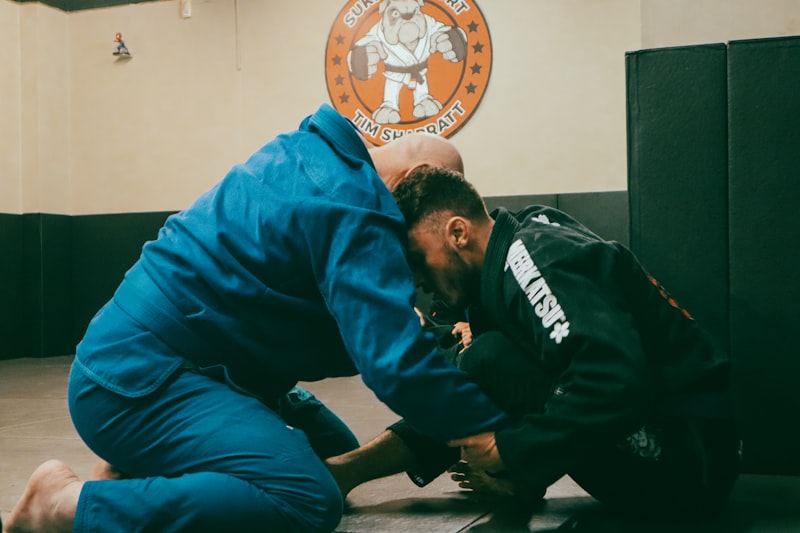
Drilling is essential for internalizing the movements behind every sweep. The more you repeat the right mechanics, the more automatic your actions become in a live roll. Because of this, many instructors start each class with solo and partner drills focused on guard work.
A key drill is the hip escape. Start lying down, then push off one foot and slide your hips away from your partner. This movement builds the habit of shifting your center of gravity and can be done solo or with a partner providing light resistance.
Another helpful drill is the bridge and roll. Bridge your hips as high as possible while keeping your neck safe. Then roll to one shoulder, mimicking the momentum required for sweeps like upa or pendulum sweeps. In addition, the technical stand-up drill helps with sweeps that lead to takedown or scramble situations.
Drilling with resistance is the next step. For example, practice the scissor sweep against a partner who gives 30-50% resistance. This helps you learn to adjust your angle, timing, and grip under more realistic pressure. You will quickly see where your technique fails, and improve much faster.
Band-resisted hip raises and core stabilization exercises also build functional strength for sweeps. Research from strength and conditioning experts shows that grapplers who include these exercises in their routines maintain balance better and finish more sweeps.
Finally, positional sparring—where you only fight from the bottom guard and aim to sweep—will help you link all the core elements. Focus on technique, not power. Over time, you will feel the difference as your sweeps become smoother and more effective.
Timing, Leverage, and Angle: The Science Behind Sweeps
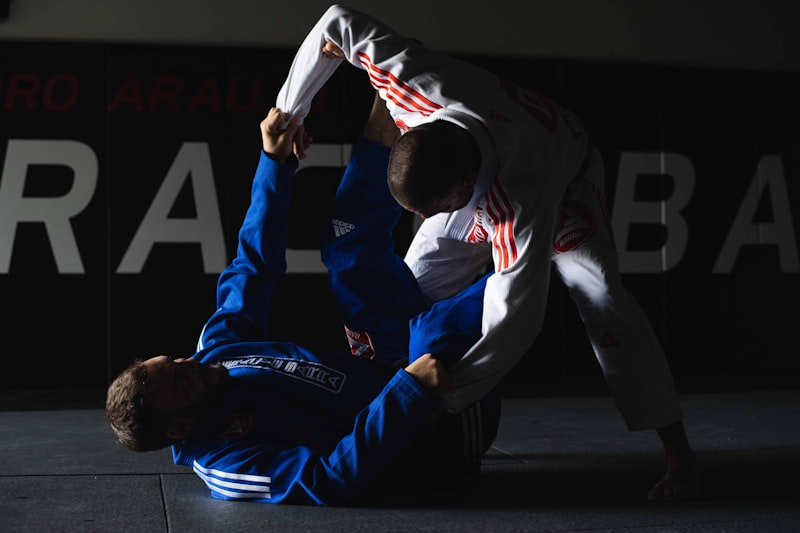
Effective sweeps depend on more than brute strength. Small details in timing, angle, and leverage make a major difference. Understanding these concepts will improve your success, even against stronger or heavier opponents.
First, timing is critical. You want to attack when your opponent is off-balance or focused on passing your guard. For example, if they lean forward, you can hit a hip bump sweep. However, if you wait too long, they may stabilize and shut down your attack.
Angle is another essential part of the puzzle. When you sweep, you rarely go straight back or straight to the side. Instead, you find a diagonal path that takes advantage of weak points in your opponent’s posture. The angle at which you load and redirect their weight can double the power of your sweep.
Leverage sets BJJ apart from other grappling arts. By using your hips as a pivot and controlling your opponent’s limbs, you make small force movements far more effective. For instance, with the pendulum sweep, swinging your leg generates momentum that makes even bigger opponents light.
Practicing Kazushi, or off-balancing, is a traditional method from judo that fits perfectly into BJJ sweeps. Many sweeps—like scissor, flower, and butterfly—start with a strong off-balance. In fact, Brazilian Jiu-Jitsu black belts credit their high sweep rate to constantly disrupting their opponent’s base before executing any motion.
Breathing and body tension also matter. Keeping your core tight during the sweep helps protect your lower back and directs your force. As a result, you move as a single unit, making the sweep harder to resist.
These small details add up. According to data collected by top competition coaches, the best sweepers in IBJJF events in 2026 succeed because their timing and leverage are better—not because they are stronger. Learning these lessons early can save years of wasted effort.
Common Mistakes and How to Fix Them in BJJ Sweeps
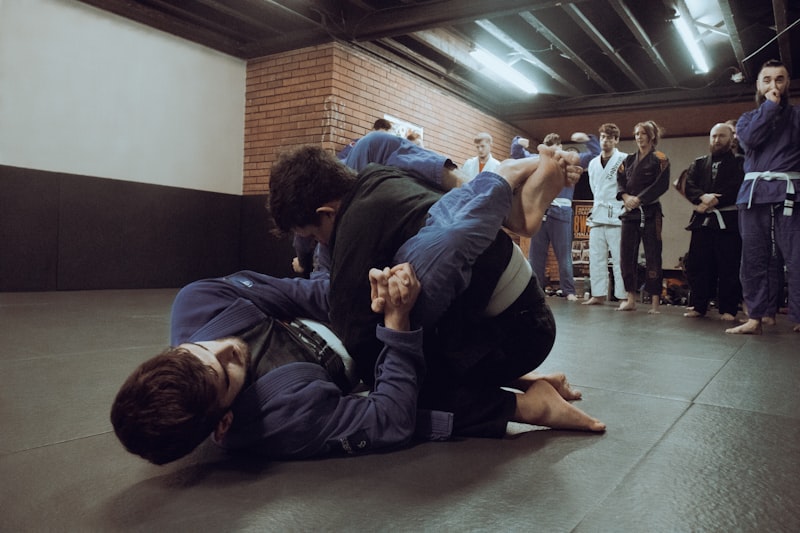
Even seasoned grapplers struggle with sweep timing and mechanics. Many people make the same errors, which hold back their game. By focusing on these points, you can troubleshoot your sweeps and get better results.
One common mistake is forgetting to break your opponent’s posture before sweeping. If they are stable, they will not move no matter how much force you use. Therefore, always connect a pull or push with your grip before you sweep.
Another error is relying only on your arms, rather than using your hips and legs. Your lower body generates much more power. In addition, failing to angle your hips leads to weak or predictable sweeps that are easy to counter.
Some practitioners also neglect to follow through after the sweep. If you pause or hesitate, your opponent may base out or recover guard. Therefore, make sure you transition directly to a dominant position, like mount or side control, as soon as your sweep lands.
Drilling slowly and with purpose is a solution to many of these mistakes. Slow motion sweeps help you notice every part of the move. Filming your rolls can also show where your timing or angle breaks down.
Furthermore, neglecting to link movements is another issue. Success often depends on chaining sweeps together. For example, if a butterfly sweep fails, switch immediately to an X-guard or single-leg sweep. This pressure keeps your opponent guessing and opens more opportunities to reverse the position.
Lastly, keep patience in mind. High-level sweeps take time to master. Focus on small improvements in hip movement, grip, and posture each week. Over time, these details will lead to much more consistent success on the mats.
Conclusion
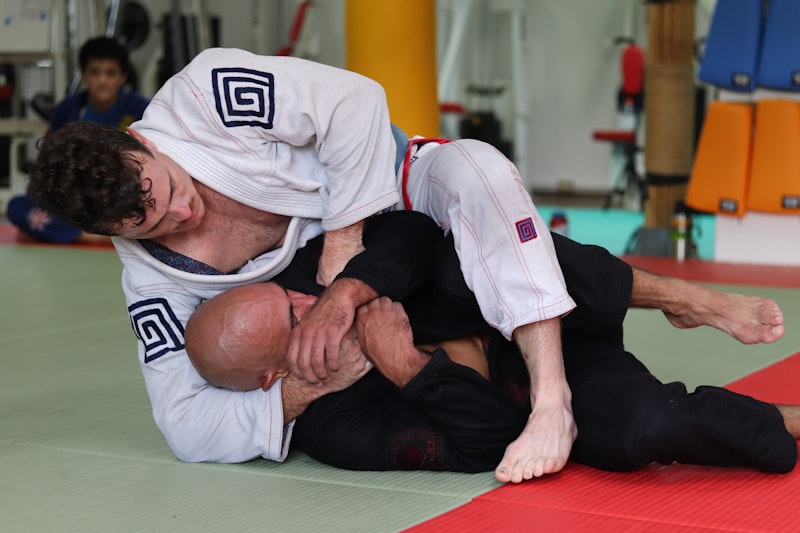
Key movements to improve BJJ sweeps form the base of a solid ground game. By focusing on hip escapes, bridges, proper grip, and breaking posture, you set yourself up for effective sweeps. In addition, learning the right mechanics for each guard position means you will always have options.
The most successful practitioners drill these skills often and pay close attention to timing and angle. Addressing common mistakes early will speed up your progress. For best results, combine solo movements, partner resistance, and positional sparring.
Ready to strengthen your sweeps and become harder to control? Start practicing these core movements and drills in every class. With patience and focus, you’ll notice big gains in your BJJ sweeps and overall control. For more insights on BJJ fundamentals, keep reading the Core Positions & Movements section at ismartfeed.com.