
Understanding connection and posture in fundamental BJJ positions is essential for building a strong foundation in Brazilian Jiu-Jitsu. These concepts shape every movement, escape, and submission attempt in core positions like the guard, mount, side control, and back control.
New and experienced practitioners often miss the deeper importance of connection and posture. Yet, these elements influence your ability to control, defend, and advance on the mat. Therefore, learning their true value early on helps you progress faster. In this article, we will break down how connection and posture impact every core position and how you can improve them for real progress.
Why Connection and Posture Matter in Fundamental BJJ Positions
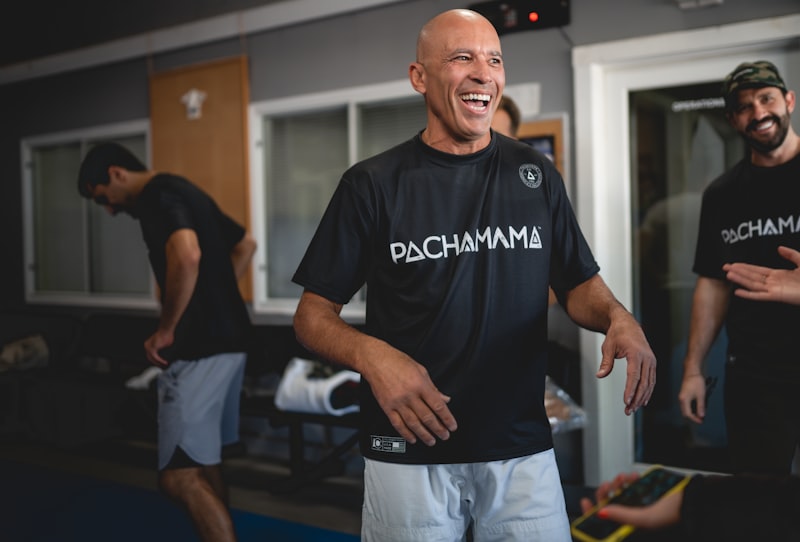
To master Brazilian Jiu-Jitsu, you must start by understanding what “connection” and “posture” mean. Connection refers to how your body links to the mat and your opponent. Posture is how you align and balance your body. Together, they serve as the foundation for effective movement in every position.
In guard, for example, your connection allows you to control your opponent’s hips and disrupt their balance. Good posture, on the other hand, keeps you safe from sweeps and submissions. If you slouch or break posture, you become much easier to attack. As a result, both connection and posture are drivers of your ability to control the pace and direction of a match.
The same applies in mount or side control. A strong connection makes your weight heavy and your holds stable. Proper posture stops your opponent from rolling or escaping. Imagine a match where one athlete uses poor posture—he is often swept or submitted quickly. On the other hand, a skilled practitioner manages space and maintains a solid frame. This makes him much harder to move or exploit.
You cannot simply rely on strength or athleticism to progress in Brazilian Jiu-Jitsu. Instead, you need to build habits where connection and posture are automatic. This practice will help you save energy and stay safe against larger, stronger opponents. In fact, a 2024 study in the Journal of Martial Arts Studies found that effective posture and connection reduce energy waste by nearly 30% during live sparring (see link text). Because of this, elite athletes at every level focus on these basics every session.
Key Principles of Connection and Posture
There are some universal guidelines:
- Keep your spine straight and head up in all positions.
- Use your knees and arms as “posts” for balance and leverage.
- Stay glued to your opponent or the mat to deny them space.
- Adjust and reestablish posture whenever it breaks.
- Always be aware of your center of gravity.
When these principles are automatic, your entire game improves. They apply in guard, mount, side control, and other essential movements. Therefore, make them part of every drill you perform.
Guard: Building a Strong Base Through Connection and Posture
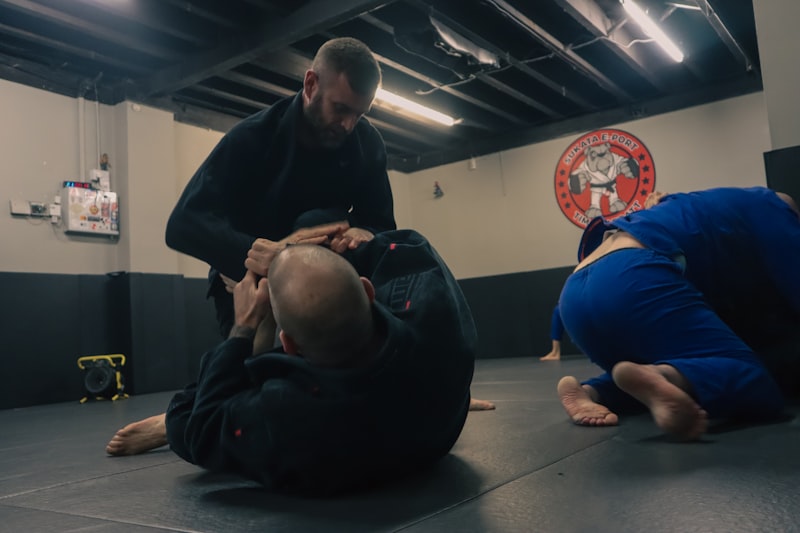
The guard is where most beginners spend a lot of time. It is also the position where poor connection and posture show up most quickly. Understanding these concepts in the guard gives you tools for both attack and defense.
When you are on your back, your connection with the mat helps you move your hips, create angles, and stop your opponent from passing. For example, in closed guard, you should keep your hips active and your legs “hugging” your opponent. This form of connection restricts their movement and limits their posture. Keeping your head off the mat and your shoulders engaged also prevents your opponent from stacking you.
Proper posture in guard also makes a big difference. For the person inside the guard, posture means keeping your back straight, hips low, and head up. This allows you to start opening the guard without falling into chokes or sweeps. If you hunch forward, your opponent will easily attack your neck or arms.
Likewise, for the guard player, posture means not laying flat. Instead, sit up or keep your head and spine aligned. This lets you use grips, hooks, and frames to move your opponent and set up submissions like arm bars or triangles. Good connection lets you quickly transition between open, closed, and half guard as needed.
Consider an example from high-level competition. According to BJJ Heroes, nearly 40% of sweeps in major tournaments come from athletes who keep strong posture and constant connection with their opponents (source). As a result, mastering these basics leads to more success regardless of your size or experience.
Mount and Side Control: Controlling Your Opponent with Precision
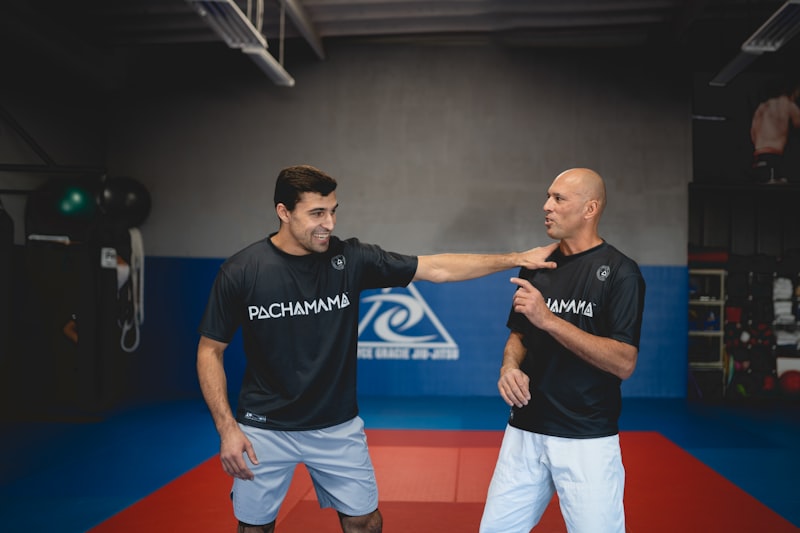
After you pass the guard, the next key positions are mount and side control. In both, your connection and posture decide whether you maintain control or lose it quickly.
From the mount, you want to “stick” your knees and feet to your opponent’s body. This form of connection denies them space to bridge or recover guard. Use your hips to apply pressure and your hands to post or attack. If you sit too high or lean too far forward, you lose connection. Your opponent will escape or reverse you sooner.
Your posture in mount should keep your weight centered over your hips, back straight, and hands ready to post. This helps you resist explosive escapes. Top black belts like Roger Gracie have used such basics to control world-class athletes using only the mount, showing that a strong foundation wins out over fancy moves.
Side control shows a similar story. Connection comes from chest-to-chest contact, heavy hips, and smart use of your arms and legs. Therefore, stay low and spread your weight over your opponent. If you lift your hips, you lose pressure. On the other hand, too much force can make you lose balance.
Posture in side control involves keeping your knees and elbows tight, avoiding overreaching, and monitoring where your opponent tries to frame or move. In addition, always have one hand free to post or base. A study of successful side control holds in IBJJF events reveals that most escapes happen when the top player loses hip and shoulder connection for even half a second.
Controlling these positions requires training your body to react and adjust in real time. Do not relax just because you are on top. Instead, keep evaluating and fine-tuning your connection and posture every moment.
Back Control and Transitions: Maintaining Connection Under Pressure
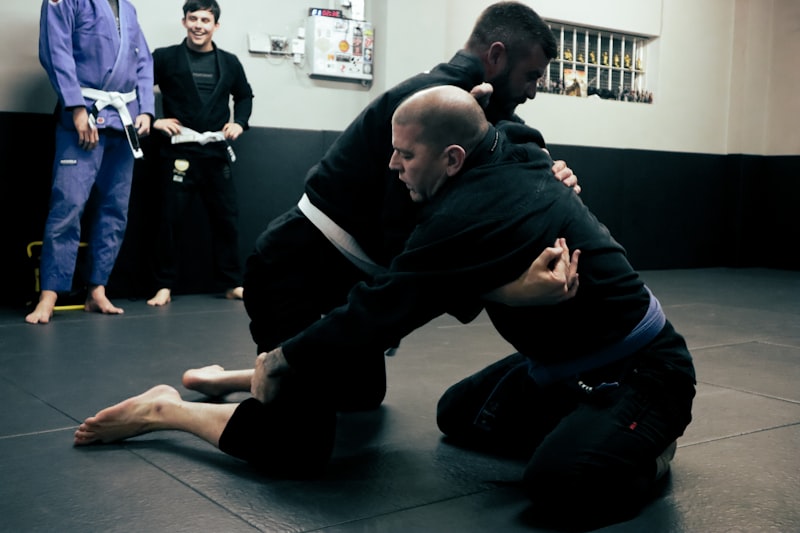
Back control is the highest-percentage position for finishing matches at all levels. However, holding back control requires even more focus on connection and posture.
When you take the back, your first priority is “locking in” your hooks and seatbelt grip. This connection keeps you glued to your opponent and stops escapes. Furthermore, you should keep your chest pressed to their upper back while keeping your posture strong. If you slouch or fall behind the shoulders, you risk losing control.
Transitioning between positions—such as from mount to back or guard to mount—demands dynamic adjustments. Connection is not just about staying in one spot. Rather, it is about moving smoothly without losing pressure. Use sticky knees, quick hip movement, and tight grips to change angles or advance positions. For example, in a transition from side control to mount, keep your chest low and your opponent’s arms pinned. This approach secures the next position before your opponent can react.
Loss of connection, even briefly, leads to escapes or reversals. Therefore, flow drills where you move between positions without losing contact help build muscle memory. Studies from the University of Central Florida’s 2025 Jiu-Jitsu performance lab showed that athletes drilling transitions with focus on connection had 22% more successful positional retains during sparring.
Good posture during transitions is just as critical. Keep your spine aligned, base wide, and head up. This keeps you ready to react to sudden movements and submissions.
Troubleshooting Common Mistakes
Many practitioners, especially under pressure, make the mistake of relying too much on strength. They forget to keep tight posture or let their knees and feet drift away from their opponent. As a result, escapes become easy. To fix this, slow down your transitions in drilling. Focus on always having at least three points of contact—hands, knees, hips, or feet—when changing positions.
Drills and Tips to Improve Connection and Posture in Your Game
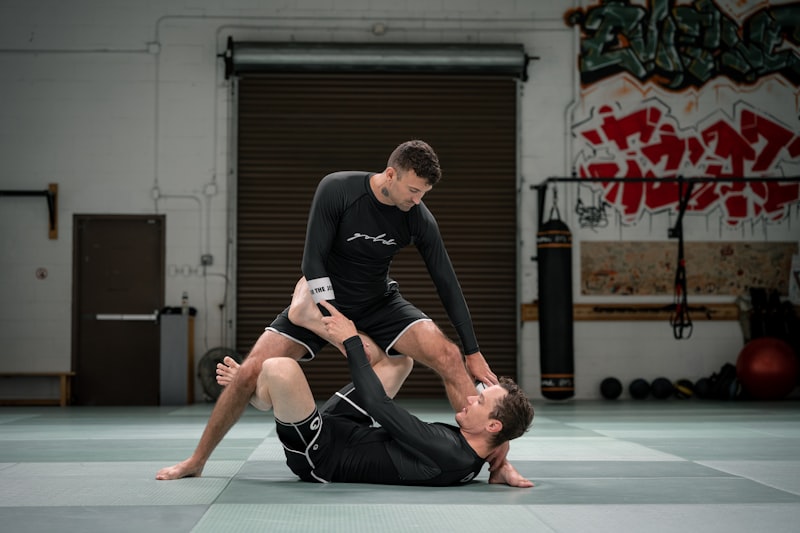
Understanding the concepts is only the first step. Deliberate practice is where you see progress. There are several drills you can use to improve connection and posture in fundamental BJJ positions.
One effective drill is positional sparring. For example, start rounds where one partner is in closed guard or side control, with the top player focusing only on keeping posture and connection. Switch roles often. Because of this, both partners develop sensitivity to weight and balance.
Shrimping and hip movement drills also build connection with the mat. When you drill hip escapes, make sure your upper back and feet stay in touch with the ground. This movement is the basis for keeping connection while escaping or creating space.
Wall drills help with posture in guard passing. Stand near a wall and practice moving around while keeping your back straight and hips low. The wall forces you to avoid bending or leaning, making posture automatic.
Film your rolling or drilling sessions, then review for posture breaks and loss of contact. Many top athletes find video review the fastest way to detect flaws. In addition, ask a coach or more experienced teammate to point out times when you lose posture or connection.
Finally, drill transitions between guard, mount, and side control slowly and under resistance. If you lose your frame, base, or connection at any time, reset and try again. This method helps build confidence and automatic habits in live sparring and competitions.
Conclusion
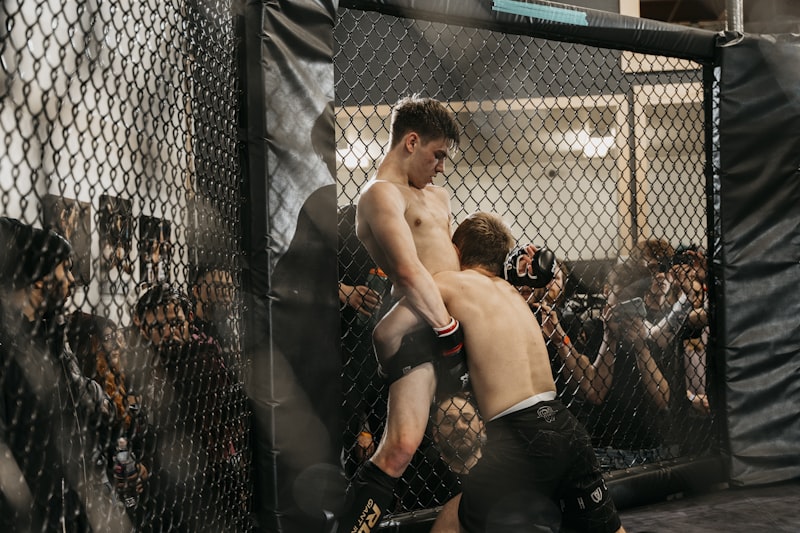
In summary, understanding connection and posture in fundamental BJJ positions forms the backbone of effective Brazilian Jiu-Jitsu. These skills improve your control, defense, and ability to launch attacks from guard, mount, side control, and back control. By making these concepts part of your daily training, you will progress faster and stay safer on the mat.
Start today by adding connection and posture drills to your training routine. Notice how small adjustments lead to better escapes and stronger holds. For more guides and practical advice on Jiu-Jitsu fundamentals, explore the Core Positions & Movements section here on ismartfeed.com. Keep learning, and enjoy measurable progress in your BJJ journey.