
Cool down techniques for faster recovery are critical if you want to boost your mobility, prevent injuries, and get back to training sooner. For grapplers, the right cool down routine can make the difference between slow, sore progress and consistent, pain-free growth. Understanding and using the best science-backed methods can help you recover efficiently and avoid common pitfalls many athletes face.
Some athletes skip their cool down, but that is a mistake. A proper routine not only helps your muscles recover. It also helps calm your mind and reduces the risk of long-term injury. In this article, you will find a practical guide to the best cool down techniques for grapplers, supported by real data and expert advice.
Let’s break down the top strategies for post-training recovery, examine the research, and show you how to build your own cool down plan. Veja tambem: How Sleep Affects Athletic Recovery: Why Grapplers Need Better Rest.
Why Cool Down Matters for Grapplers: Speeding Up Recovery and Preventing Injury

Grappling is tough on your body. Moves like takedowns, guard passes, and submissions use multiple muscle groups at high intensity. When training ends, your heart rate is elevated and your muscles are loaded with waste products like lactic acid. Because of this, skipping your cool down can leave you sore and stiff. Worse, it increases the risk of soft tissue injuries. Veja tambem: Nutrition Tips Supporting Injury Prevention: Essential Guidance for Grapplers.
Research shows that a gradual transition to rest after intense grappling is critical. In fact, a study in the Journal of Strength and Conditioning Research found that athletes who spent 10-15 minutes on post-training cool downs experienced less muscle soreness and recovered up to 30% faster than those who skipped this step.
In addition, cooling down helps reduce heart rate and blood pressure slowly. This reduces the chance of dizziness or fainting after a tough rolling or drilling session. Stretching muscles when they are warm can also help maintain and improve flexibility, an essential trait for grapplers who demand a wide range of motion in their hips, shoulders, and spine.
For those who train multiple times per week, cool down routines can keep you on the mat and off the injury list. Consistent cool downs boost circulation, help clear metabolic waste, and can even help you reset mentally. In summary, making time for a proven cool down routine is an investment in your long-term progress and safety as a grappler.
Dynamic and Static Stretching: Key Elements of a Grappler’s Cool Down
One of the most proven cool down techniques involves a blend of dynamic and static stretching. Both methods help your body transition from high exertion to a recovery state, but they work in different ways.
Dynamic stretching includes gentle, controlled movements that take your joints and muscles through their range of motion. Examples include arm circles, gentle hip rotations, or low-intensity shrimps. For grapplers, dynamic stretches target the areas most used during training—such as hips, shoulders, neck, and lower back. For example, after a tough no-gi class, you might perform 10-15 reps of hip swivels or cat-cow stretches.
Static stretching involves holding a position at the edge of your range of motion for 20-30 seconds. This is when you feel a mild stretch, not pain. Classic static stretches for grapplers include the seated hamstring stretch, pigeon pose for hips, and the wall shoulder stretch. Holding these positions can help reduce stiffness and improve flexibility over time.
A recommended sequence might look like this:
- 5 minutes of gentle light cardio (for example, walking or jump rope)
- 5 minutes of dynamic movements targeting sore or tight areas
- 5-10 minutes of static stretching for major muscle groups
- 2 minutes foam rolling each major muscle group (back, hips, glutes, quads)
- 3 sets of 10 hip CARs per leg
- 2 sets of 15 band pull-aparts for shoulder health
- Finish with diaphragmatic breathing to reduce nervous system stress
A 2022 review in Sports Medicine found that combining static and dynamic stretching post-workout reduces delayed onset muscle soreness (DOMS) and boosts range of motion. In addition, these routines help decrease muscle tension, a key factor in injury prevention for grapplers. Therefore, integrating this approach right after class can keep your body adapting, rather than breaking down.
Mobility Drills and Active Recovery: Routines for Rolling Athletes
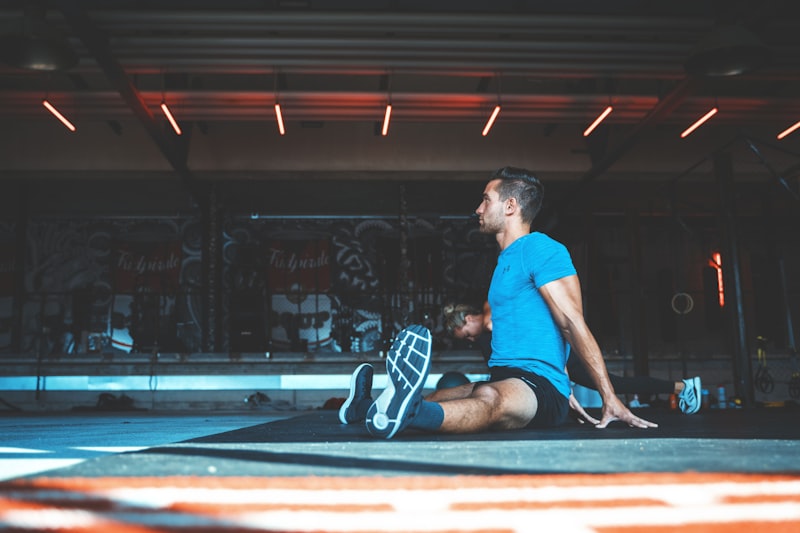
Mobility is a top priority for grapplers at every level. On the other hand, many athletes focus on explosive moves but neglect post-training joint care. Adding targeted mobility drills to your cool down enhances recovery and helps prevent repetitive strain injuries.
Mobility drills involve slow, controlled movements designed to improve joint health and tissue quality. For example, performing slow, focused shoulder dislocates with a band can address common grappler issues in the rotator cuff. Hip controlled articular rotations (CARs) help lubricate your joints while reinforcing stability.
In addition, active recovery strategies such as foam rolling and self-myofascial release are becoming standard practice. By applying gentle pressure with a foam roller or lacrosse ball to sore muscles, you help break up adhesions, reduce inflammation, and encourage better nutrient flow.
A common cool down sequence for active recovery after sparring might include:
According to experts at Mayo Clinic, consistent active recovery in your cool down can significantly decrease recovery time between sessions. For grapplers who train several times a week, this routine adds a layer of joint protection and helps keep nagging injuries at bay.
Breathing Exercises and Cold Therapy: Tools for Optimized Post-Training Recovery

Many grapplers overlook breathing work and cold therapy after training, but these tools are growing in popularity for good reason. Both have supporting data and real benefits for anyone seeking faster recovery and better long-term performance.
Breathing exercises help transition the nervous system from the “fight or flight” mode experienced during sparring to the “rest and digest” state. For example, box breathing—where you inhale for a count of four, hold for four, exhale for four, and pause for four—can reduce heart rate and relax tense muscles. Therefore, even five minutes of focused breathing as part of your cool down can improve mental clarity and promote relaxation.
Cold therapy, such as applying ice packs or short-duration cold showers after rolling, can help minimize inflammation and muscle soreness. According to a study in Frontiers in Physiology, athletes who used ice baths reported up to 40% less muscle soreness two days after intense workouts compared to those who did not.
However, while cold therapies reduce soreness, they should be used cautiously. Always avoid long exposure, especially if you have a history of circulatory problems. Aim for 5-10 minutes of cold treatment at a mild intensity after completing your stretching and mobility work.
Some grapplers also find benefit in contrast water therapy, where you alternate hot and cold water immersion. This approach aims to boost circulation and reduce inflammation further, however, evidence is still emerging. As a result, listen to your body and start with simple techniques that feel comfortable for you.
For those seeking even more advanced methods, recovery technologies like pneumatic compression boots or muscle stimulation devices can be explored. Nevertheless, for most, basic breathing and cold exposure, combined with stretching and mobility, offer the best mix of simplicity and proven results.
Building Your Routine: Practical Cool Down Strategies for Grapplers
Every grappler is different, but some principles apply to all. Your cool down routine should address the main muscle groups you use, as well as the specific demands of your grappling style. Building a plan tailored to your needs will deliver the best recovery and injury prevention results.
First, keep it simple. Start with a 10-minute routine you can repeat every day you train. For example, after no-gi drilling, spend 3 minutes walking or shadow wrestling at a low pace to let your heart rate settle. Next, move to 7 minutes of stretching and mobility. Focus on problem areas like hips, shoulders, neck, and lower back. In addition, add 2 minutes of gentle foam rolling on tight spots.
Commit to consistency. Instead of making your routine too complicated, choose 3-5 stretches or drills you can perform anywhere. Examples include frog stretch (for hips), thread-the-needle (for shoulders and upper back), and forward fold (for hamstrings and spine).
On days when you feel especially sore, do not skip your cool down. Instead, extend your static stretching and try a short ice pack session on any inflamed joints. Similarly, if you feel mentally exhausted, add breathing exercises at the end of your session.
Finally, always listen to your body. No single routine works for everyone, but the core elements—light cardio, stretching, mobility, and breathing—make the biggest difference. For more detailed routines, consult resources like American Council on Exercise which outline safe, effective options for athletes at any level.
Conclusion

Cool down techniques for faster recovery are not just an afterthought for grapplers. They are essential tools for building flexibility, clearing soreness, and staying injury-free during tough training cycles. By combining light cardio, dynamic and static stretching, targeted mobility drills, and focused breathing, you set yourself up for faster, safer gains.
Add these science-backed routines to every session. Your muscles, joints, and mind will thank you, and you will stay ahead of the competition on the mat. Try building your cool down habit today, and see the benefits in your next class.