
Many athletes are asking how sleep affects athletic recovery and what it means for grapplers. The answer is simple. Sleep is one of the most important tools for effective recovery, mobility, and injury prevention. For those who train in grappling sports, poor sleep could delay muscle repair and increase injury risk. In this article, we look at the science and practical steps behind getting the most out of your rest.
Grapplers push their bodies hard through tough training and competition. Therefore, understanding this practice is crucial for staying on the mats longer and reducing setbacks. Let’s dive into why quality sleep should be a non-negotiable part of every grappler’s recovery routine.
How Sleep Affects Athletic Recovery for Grapplers

Sleep is the body’s prime time for healing and rebuilding tissue. This includes the muscles, joints, and tendons that grapplers rely on. When an athlete sleeps, several key recovery processes take place. First, the body increases the release of growth hormone. This hormone kickstarts tissue repair and new cell growth. Veja tambem: Nutrition Tips Supporting Injury Prevention: Essential Guidance for Grapplers.
In addition, the immune system becomes much more active during sleep. It repairs microtears and fights off inflammation caused by hard training. On the other hand, missing out on sleep can slow or even stop these processes. This leads to muscle soreness, longer healing times, and a higher risk of nagging injuries.
Several studies link sleep to athletic performance. For example, research published by the National Institutes of Health found that athletes who slept less than 7 hours per night had a 1.7 times higher risk of injury than those who slept more than 8 hours. Similarly, sleep helps the mind recover. It allows athletes to process complex techniques, improve reaction time, and maintain discipline—skills that are vital on the mat.
In summary, grapplers who prioritize sleep give their bodies the best chance to heal, rebuild, and improve training results. Missing sleep, even for a few days, can lower overall performance and leave athletes more prone to overuse injuries.
How Sleep Quality Impacts Recovery Speed
The quality of sleep matters just as much as how much time is spent in bed. Deep sleep is essential for hormone production and tissue repair. Light or disrupted sleep can prevent the body from cycling through deep and REM stages. Therefore, grapplers who wake up often or struggle to fall asleep may be sabotaging their own recovery. Using tools like sleep tracking apps or simple sleep diaries can help pinpoint sleep quality issues and guide improvements.
The Role of Sleep in Muscle Repair and Injury Prevention
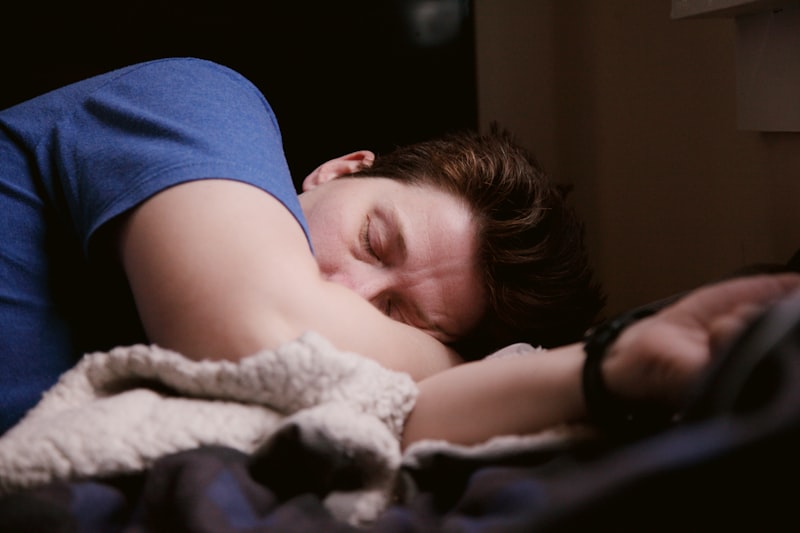
The repair of muscle tissue is at the core of every grappler’s recovery. During training, tiny tears form in muscles. This is a normal sign of effective training. However, these tears must heal before an athlete trains again at full capacity.
Sleep, especially the deep stages, triggers protein synthesis and muscle growth. Growth hormone is released in greater amounts, starting the repair of strained or stretched fibers. As a result, this hormone burst ensures that tissue is rebuilt stronger and ready for the next session.
In addition, while sleeping, the body balances important chemicals like cortisol and testosterone. High cortisol (the stress hormone) slows recovery and can lead to soft tissue breakdown. Quality sleep keeps cortisol in check and testosterone at healthy levels.
For injury prevention, sleep supports balance and reaction time. When under-slept, athletes lose focus and coordination. This raises the risk of falls, mishaps, or getting caught in poor positions on the mat. According to a review in Sleep Medicine Reviews, poor sleep is a major risk factor for both acute and overuse injuries in contact sports.
Finally, the body relies on the nighttime repair window to restore connective tissues. Ligaments and tendons in the knees, elbows, and shoulders are all reinforced overnight. Skipping sleep means these structures stay vulnerable, increasing injury odds during hard rolls or competitions.
How Sleep Supports Mobility, Flexibility, and Recovery Routines
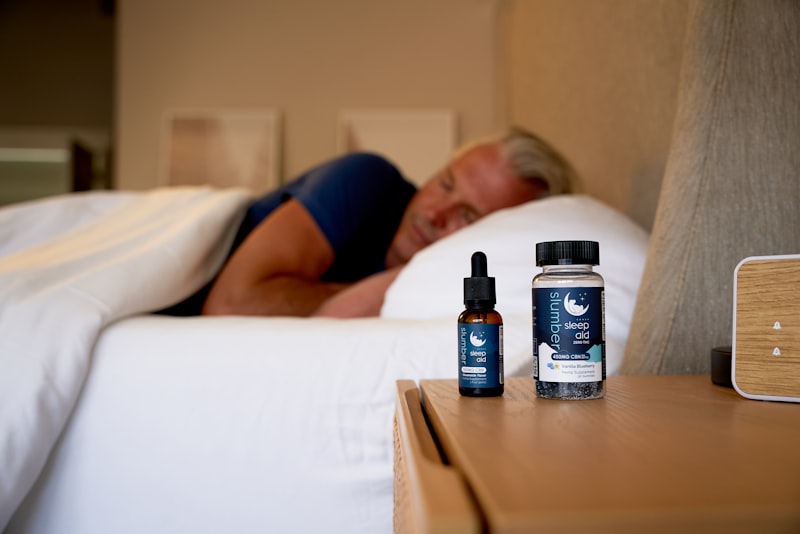
Mobility is vital for grapplers to perform at their best. Restorative sleep plays a key role in allowing the body to adapt and gain flexibility. When an athlete sleeps well, the nervous system has a chance to reset. Stiffness and soreness from previous workouts are reduced because the body processes and clears out metabolic waste.
Therefore, athletes who follow a routine of stretching or mobility drills will see better results if these routines are combined with healthy sleep habits. The nervous system also drives muscle relaxation overnight. It helps lengthen tight muscle fibers that can restrict joint movement. For example, studies show that deep sleep can increase pain tolerance and lower muscle tension, both of which are needed for dynamic movement in grappling.
In addition, well-rested athletes have more energy for dedicated mobility drills each day. Chronic sleep loss, on the other hand, can lead to skipped sessions or poor focus during rehab, foam rolling, or stretching. For grapplers working to recover from strains or overuse injuries, combining sleep and recovery protocols like massage or light movement is essential.
Finally, sleep also impacts flexibility gains at the cellular level. Collagen tissues, which help muscles and ligaments stretch, are rebuilt more efficiently when sleep is adequate. If sleep suffers, collagen repair falls behind. This means slower recovery from hard splits, bridging drills, or other range-of-motion work on the mats.
Practical Strategies for Grapplers to Improve Sleep and Recovery
Knowing the science is one thing. Building real habits is another. Practical steps can help grapplers get enough quality rest for maximum recovery.
First, set a consistent bedtime. Irregular sleep schedules confuse the body’s internal clock. This makes it harder to enter deep, restful sleep. Going to bed and waking up at the same time, even on rest days, sets a strong rhythm.
Second, build a wind-down routine. Turn off screens at least 30 minutes before bed. Blue light from phones and computers delays melatonin release, making falling asleep harder. Instead, read a book, stretch gently, or practice deep breathing.
In addition, make the sleeping area as dark and quiet as possible. Use blackout curtains or an eye mask. Studies, such as those reported by Sleep Foundation, show that a cool, dark room supports better sleep quality.
Other practical tips include:
- Avoid caffeine after mid-day
- Limit alcohol, as it disrupts deep sleep
- Use apps to track and analyze sleep
- Address chronic pain with mobility and stretching routines early in the evening, not late at night
For grapplers, stacking sleep with other recovery habits magnifies results. For example, active recovery days—like attending yoga or mobility-focused classes—can help promote deeper sleep that same night. Likewise, prioritizing post-training nutrition supports muscle repair and helps stabilize blood sugar, making sleep easier.
Finally, if sleep issues persist despite good habits, talking to a doctor or sleep specialist is wise. Sleep disorders like insomnia or sleep apnea are treatable. Professional support may be key for grapplers struggling to recover and stay injury-free.
Conclusion

Quality sleep is one of the most overlooked tools for recovery, injury prevention, and long-term mobility, especially for grapplers. Understanding how sleep affects athletic recovery is vital—it powers muscle healing, injury prevention, flexibility gains, and whole-body balance. By focusing on both the amount and quality of sleep, and combining this with smart mobility and recovery routines, grapplers can train harder, recover faster, and stay on the mats for years to come.
Therefore, make sleep a core part of your daily recovery plan. Start tonight—prioritize rest, track your progress, and watch as your body thanks you with better performance, fewer injuries, and increased resilience. For more science-backed advice on optimizing your grappling and staying injury-free, keep exploring iSmartFeed’s recovery and mobility resources.