
Learning guard passing techniques for beginners in BJJ is a vital skill every white belt must develop early. This practice helps you move from your training partner’s guard to a more dominant position, which will lead to improved control in rolling sessions.
Guard passing may seem overwhelming at first. However, understanding the basics and why these skills matter can help you survive—and even thrive—during your first classes on the mats. This guide will break down essential steps, popular beginner techniques, and the mindset to develop healthy habits from your first day.
Brazilian jiu-jitsu is unique because most fights or sparring sessions start with one person playing guard. As a beginner, learning how to pass different guards safely and efficiently will make you feel more confident. In addition, you will base your progress on real skills that matter for every level.
Why Guard Passing Is Crucial for White Belts
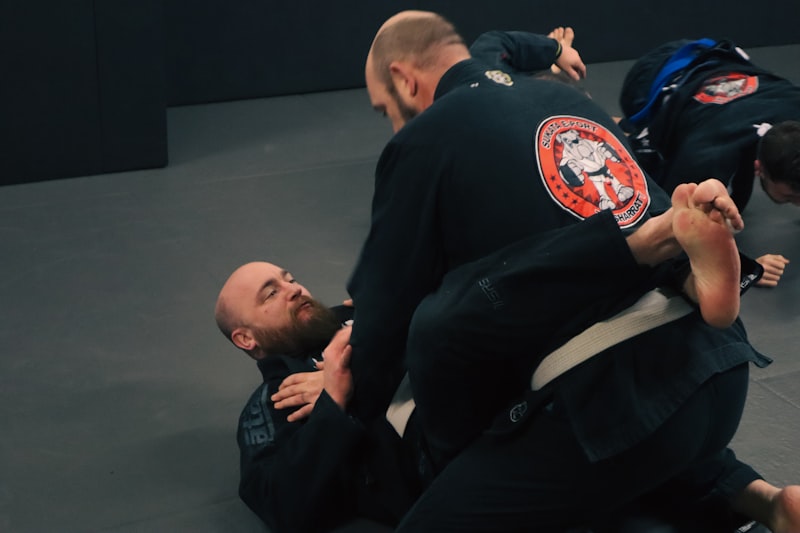
For new students, guard passing shapes much of your early grappling experience. In fact, most rolling matches at the white belt level revolve around one person trying to pass while the other tries to retain or recover their guard. Therefore, guard passing is not just a technique—it’s a foundation of the sport. Veja tambem: How to Improve Faster as a BJJ White Belt: Essential Tips.
Most submissions and dominant positions in Brazilian jiu-jitsu begin after a successful pass. For example, the famous “side control,” “mount,” and “north-south” positions all require you to pass your opponent’s legs. Because of this, white belts who focus on passing develop offense faster than those who do not. Veja tambem: Common BJJ Terms Explained for Beginners: Your First White Belt Guide.
In addition, passing guard safely prevents you from getting swept or submitted. Sweeps and submissions often start when a passer makes mistakes or leaves space. For beginners, learning to control your opponent’s hips, keep your posture, and move with purpose helps prevent these outcomes. Veja tambem: How to Survive Rolling as a BJJ Beginner: Practical Tips for White Belts.
Take the knee-cut pass as an example. This is one of the most commonly taught beginner passing moves. The power of this technique comes from using your knee as a wedge. It allows you to split your opponent’s guard and flatten them. As a result, you gain control and limit their movement.
According to a 2025 survey by the International Brazilian Jiu-Jitsu Federation, 68% of white belt matches that ended in points were won by the person who first completed a guard pass. This data shows that guard passing is not just academic—it’s a proven key to both sport and self-defense outcomes.
Finally, learning to pass guard builds mental toughness. Beginners often feel intimidated or stuck when their first few passes fail. However, practicing these basics will develop your confidence and your ability to keep trying, even when tired. In summary, focusing on this skill means developing good habits, safe defense, and long-term success.
The Three Elements of Effective Guard Passing
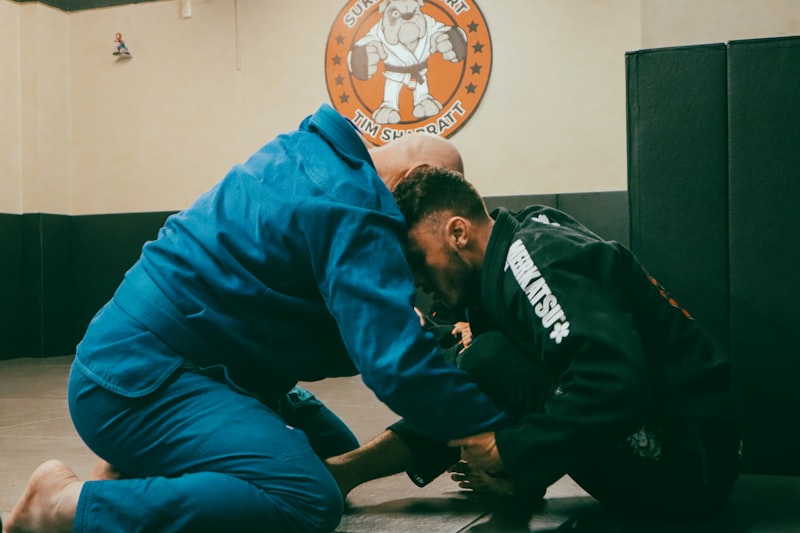
Passing guard may look different depending on size, style, or rule set. However, all effective passing for beginners follows three core principles: posture, pressure, and positioning. Let’s break these down.
First, posture means keeping your spine straight and your head up. Good posture stops your opponent’s attacks and sweeps. If you bend forward, you are easy to off-balance or submit. In other words, always start with a strong spine and look forward, not down.
Next, pressure is a term you will hear often in BJJ, especially when passing. Pressure means using your body weight to control your training partner. As a beginner, you do not need to be strong. Instead, let gravity work for you. Put your chest, shoulder, or hips on your partner to slow them down. Because of this, they will struggle to move or set up submissions.
Finally, positioning is about where you put your body, hands, and knees. For example, always keep your elbows close to your body and your knees pointed out. This stops your opponent from pulling your arm or sneaking their legs back in. In addition, it lets you react fast if they start a sweep.
Let’s look at a practical example: Suppose your partner is playing “closed guard” and you want to pass. You would start with good posture by keeping your head up. Next, you would place your hands safely on your partner’s body (not on the mat) to avoid being arm dragged. Then, you apply pressure by dropping your hips and slowly working to open the legs, all while staying in good position.
Understanding these three elements is important because, at white belt, it is easy to rush or try risky moves. However, focusing on posture, pressure, and positioning will make all your passes safer and more reliable. In fact, many higher belts return to these basics every time a new guard or sweeping trend appears.
Classic Guard Passing Techniques All Beginners Should Know
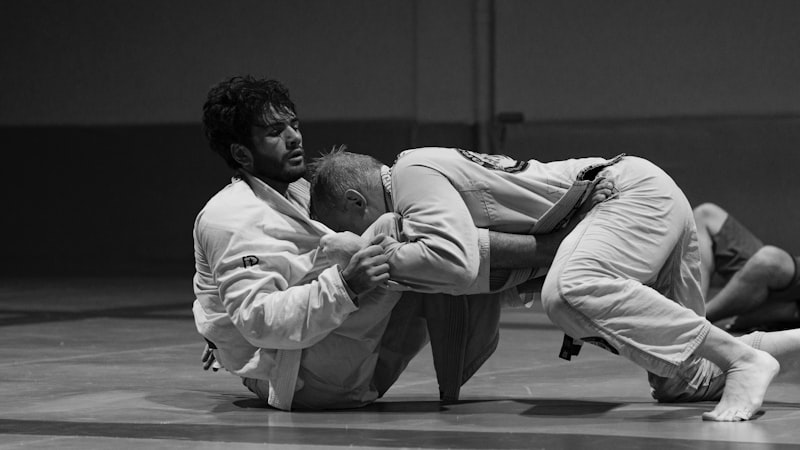
There are many ways to pass guard, but a few core techniques are perfect for new BJJ practitioners. Instructors worldwide agree that these moves teach core body mechanics and key BJJ habits.
Toreando (Bullfighter) Pass
The Toreando pass is a staple for new students. In this pass, you control your partner’s legs at the knees or shins. Then, you move their legs to one side while stepping around, like a bullfighter in a ring. This pass uses speed and angling instead of raw force.
For example, after breaking open your training partner’s guard, grip both pant legs. Push their legs to one side and move your own body to the opposite. This makes it harder for them to chase you with their hips. However, beginners often make the mistake of leaning too far forward, which can lead to sweeps. Always stay balanced.
Knee-Cut Pass
The knee-cut (also called knee slice) pass is one of the most high-percentage passes at all levels. In this technique, you thread your knee across your opponent’s thigh while sliding your hips down. Meanwhile, your upper body controls their arms or collar.
For example, after your partner opens their legs, you control an inside lapel and the opponent’s knee. Then, drive your knee diagonally across their thigh while pushing their top leg down. Finish by flattening them with chest pressure.
As a result, you cut through their guard without risking your balance. This move works well for beginners because it teaches how to use hip movement, posture, and pressure at the same time.
Double Underhooks Pass
This pass uses your arms to reach under both of your partner’s legs. From here, you lock your hands together and lift their hips. At the same time, you drive forward to stack their legs toward their chest. Finally, you circle around their legs for control.
This pass is strong because it limits your opponent’s ability to move their hips. However, always watch for submissions like the triangle or omoplata. Keep your elbows tight and your eyes up.
Stack Pass
The stack pass involves driving your opponent’s knees toward their face while controlling their legs. This pass is especially strong for white belts against flexible training partners. By putting your partner’s hips over their shoulders, you make it hard for them to use their guard.
However, avoid using too much muscle. Good positioning and timing are what make the stack pass work. In fact, jiu-jitsu legend Saulo Ribeiro has said that stack passing teaches new students both control and patience.
For a step-by-step video guide to these passes, you can visit BJJ Fanatics.
Developing Your Guard Passing Game: Drills and Mindset
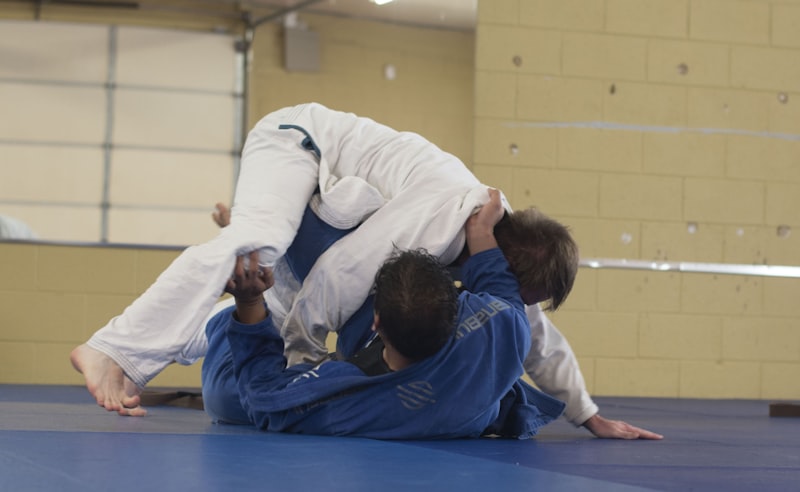
Learning individual moves is important, but drills help you turn techniques into real skills. As a white belt, practicing key drills will help your brain and body “remember” good habits.
Basic Movement Drills
First, practice moving on your knees and feet while keeping a straight spine. For example, you can set up cones or imaginary lines on the mat and practice “shuffling” around them without bending forward. As a result, you will learn to control distance and angles.
Grip fighting is another essential drill. With a partner, take turns grabbing sleeves, pants, or the belt and breaking each other’s grips. This helps you feel confident when starting a pass.
“Guard Passing Rounds” for Beginners
Specific sparring, sometimes called “positional rolling,” is the best way to build passing skills safely. In fact, many instructors have new students start every round from inside the guard. Your goal is simple: try to pass while your partner defends.
Because these rounds are short and focused, you learn faster and avoid overwhelm. In addition, you get used to both offense and defense, which makes you a better training partner in the long run.
Common Mental Traps (And How to Avoid Them)
Many beginners panic when a pass fails or when their partner moves fast. However, staying patient and moving slowly will help you more than trying to “explode” past the legs. In fact, most high-level passes work because of small adjustments, not big, risky moves.
Always reset your posture before another try. If you get stuck, it is better to retreat and start again than to fight blindly and get swept.
In summary, drilling and specific rolling with clear goals will fast-track your success with guard passing.
Tips for Survival: Troubleshooting and Common Mistakes
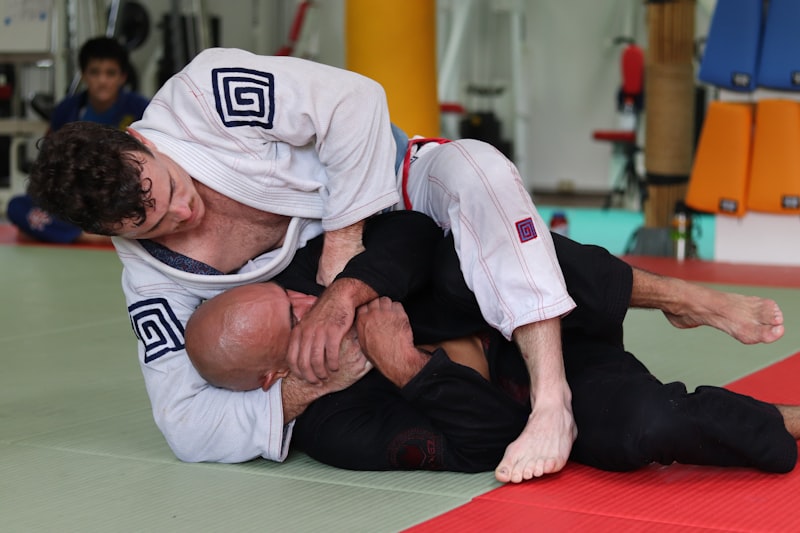
Even with good instruction, every beginner struggles with certain traps. Recognizing and correcting these issues is a big part of early BJJ growth.
First, many white belts shoot for a pass too quickly and fall into submissions. Always remember to control the legs and hips before finishing your movements. In other words, patience often wins.
Second, don’t grip with only your hands. Use your whole body—hips, chest, and shoulders—to control your opponent. If your hands tire out fast, it’s because you are not using body pressure correctly.
Third, avoid leaving space between your elbows or knees. Gaps create openings for sweeps and submissions. This is a top reason new students get caught in triangles from inside the guard.
If a pass fails, do not freeze. Either reset and try another pass, or switch sides. Staying loose and active, rather than stiff and scared, is key.
Ask your instructor about common passes that work best for your build and athleticism. For example, smaller grapplers often excel at speed-based passes like Toreando, while heavier or taller players can use stack and pressure passes more effectively.
Finally, always ask upper belts for feedback. Watching videos online is helpful, but nothing beats live practice and real advice from experienced teammates.
Conclusion
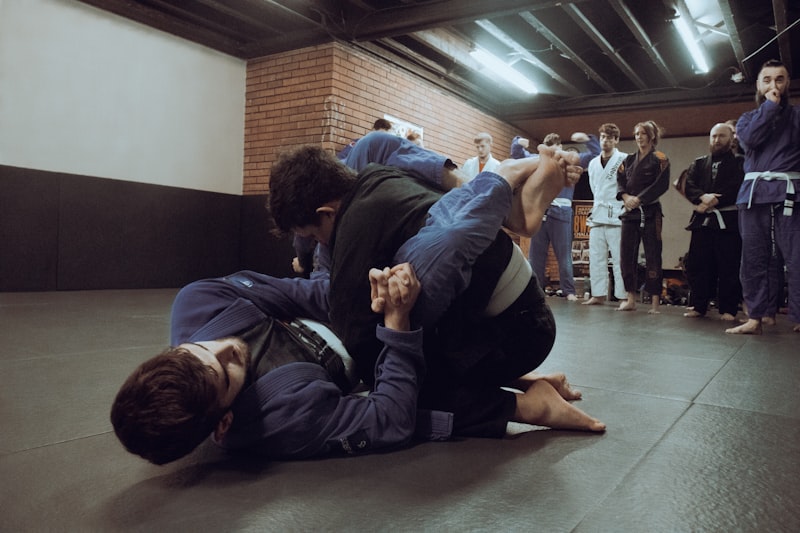
In 2026, guard passing techniques for beginners in BJJ remain a core skill for every white belt. By focusing on posture, pressure, and positioning, you develop both safety and control. Classic passes like Toreando, knee-cut, double underhooks, and stack pass offer reliable options you can start learning in your first few months.
Drilling and specific sparring help you turn these moves into habits. Avoid rushing or relying on strength alone. Instead, use the body mechanics and tips in this article to feel confident on the mats.
No matter how many times you fail at first, keep practicing. Every class brings new understanding. Over time, these essential passing skills become natural. For more white belt guides and tips, continue exploring ismartfeed.com and learn from trusted BJJ resources. Start building your foundation for success today.