
Nutrition tips supporting injury prevention are critical for grapplers who need to stay strong and agile while avoiding long-term setbacks. In fact, making the right food choices helps protect soft tissues, speed up recovery, and maintain mobility. Therefore, knowing what to eat and when can make the difference between constant progress or a frustrating injury cycle.
For grapplers, mobility drills and stretching routines are only part of the equation. Diet powers the body’s recovery process, maintains stable energy, and can guard against fatigue-related mistakes that often result in sprains, strains, or even worse injuries. By following evidence-based advice, you can support your training and keep injuries at bay.
This guide focuses on real nutrition strategies found useful by grapplers and active athletes in 2026. We’ll share practical suggestions, sample foods, and current research so you can keep rolling on the mats—with confidence in every limb.
The Role of Nutrition in Supporting Injury Prevention for Grapplers

Proper nutrition is the foundation of any injury prevention strategy for grapplers. Many injuries—like muscle strains, pulled ligaments, and joint pain—arise when tissues are not fueled or repaired well. For example, if your diet does not include enough protein, your muscles may struggle to repair micro-tears caused by hard sessions on the mats.
Carbohydrates play a key role as well. They provide the main source of energy during high-intensity drills, grappling, and conditioning. Grapplers who under-eat carbs may fatigue quickly. As a result, they are more likely to land awkwardly or react slowly, both of which increase injury risk.
Hydration is equally vital. Dehydrated muscles and tendons are much more likely to cramp, pull, or tear. In fact, research from the American College of Sports Medicine shows even mild dehydration can reduce agility and joint mobility by up to 10%.
Fatty acids—especially omega-3s—also help. They reduce inflammation, which is necessary for muscle recovery after intense rolling or strength training. Because of this, diets rich in fish, flaxseed, or walnuts can directly support tissue healing and joint comfort.
Finally, micronutrients such as vitamins C, D, E, calcium, and magnesium are all needed for tendon health, bone strength, and immune support. Many injury-prone grapplers are deficient in at least one micronutrient due to a limited or unbalanced diet.
In summary, a balanced approach with attention to protein, carbs, hydration, healthy fats, and key vitamins is your first shield against preventable injuries on the mats.
Common Nutrition Mistakes That Raise Injury Risk
Grapplers sometimes make choices that make injury more likely. The most common errors include skipping meals before practice, relying on low-calorie diets, or favoring supplements over real food. Each misstep can leave your muscle fibers, ligaments, or joints without the building blocks they need. In addition, poor nutrition can slow down response time, which often leads to uncontrolled moves and higher risk for falls or bad landings.
Key Nutrients for Recovery, Mobility, and Injury Prevention
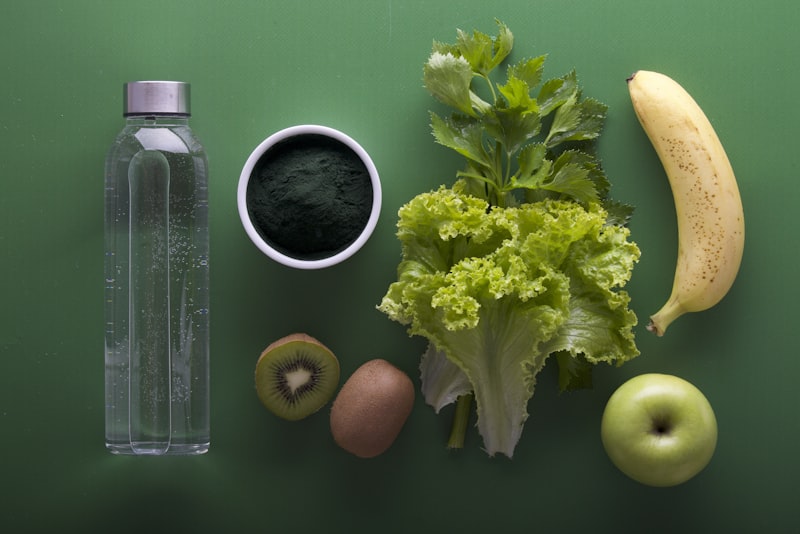
Selecting foods rich in certain nutrients supports faster recovery, better flexibility, and fewer injury setbacks. Here is a look at some of the most important choices:
Protein is the cornerstone for muscle repair and growth. For grapplers training several times per week, aim for 1.6 to 2.2 grams of protein per kilogram of body weight each day. Lean meats, eggs, dairy, soy, and beans are excellent sources. For example, one serving of Greek yogurt after training supplies both protein and calcium, which are necessary for bone strength.
Omega-3 fatty acids, as mentioned earlier, lower inflammation. Fatty fish such as salmon and sardines, chia seeds, and walnuts are strong picks. In fact, a 2026 review in The Journal of Sports Medicine found that athletes who consumed higher omega-3s had lower rates of overuse injuries.
Vitamin C helps make collagen—a key part of tendons and ligaments. Citrus fruits, bell peppers, and strawberries are loaded with this vitamin. Including a source of vitamin C each day supports robust joint tissue, which is important in grappling arts.
Calcium and vitamin D work together to strengthen bones and aid muscle function. Dairy, fortified plant milks, and green leafy vegetables provide calcium. Vitamin D is best produced in the skin with sunlight, but fatty fish or fortified foods can help. This approach ensures bones and muscles stay strong under pressure from takedowns and submissions.
Magnesium is often overlooked but crucial. It helps nerve function, muscle recovery, and bone health. Magnesium-rich foods include nuts, seeds, spinach, and legumes. In addition, it may help reduce cramping and soreness after long sessions.
Zinc and other antioxidants speed up tissue repair and keep the immune system strong. Oysters, pumpkin seeds, whole grains, and lentils are easy ways to meet your zinc needs. Because of this, adding these foods can help you bounce back faster from intense grappling.
Finally, hydration cannot be overstated. Sweat loss during rolling is substantial. For every hour of training, aim for 16–24 ounces of fluids. If you sweat heavily, consider sports drinks with electrolytes.
Careful planning of daily meals and snacks guarantees steady intake of all these nutrients, keeping your joints and muscles injury-resistant.
Practical Nutrition Strategies for Injury Prevention in Grappling
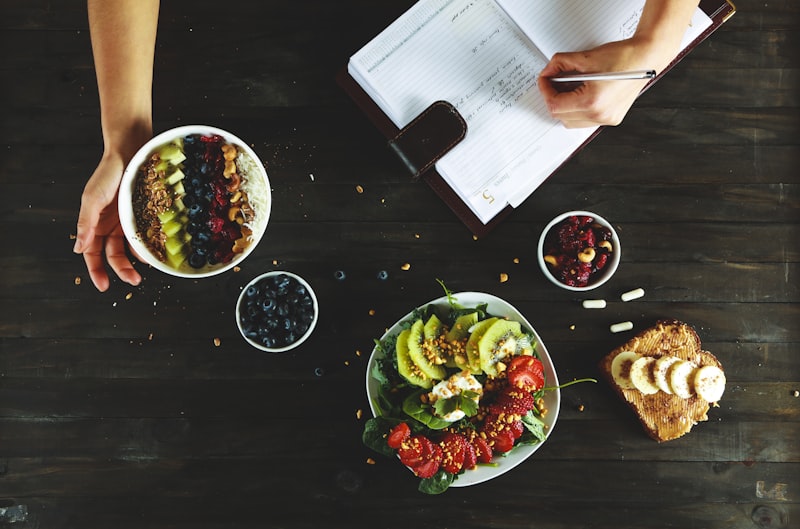
While knowing “what” to eat matters, “how” and “when” matter just as much for grapplers on a tight schedule. A few targeted strategies can help you put this approach into practice.
First, always plan for a pre-training meal or snack. Aim for something high in carbs and moderate in protein, eaten 1–2 hours before training. For example, a banana with peanut butter or a turkey sandwich both fit this rule. This keeps energy high and reduces muscle breakdown during hard rolling.
Second, the recovery window after rolling is crucial. Within 30–60 minutes post-session, eat a meal with both protein and carbs. This step not only speeds up muscle repair but also supports glycogen recovery, which helps your next session go smoothly.
Batch cooking can save time and help avoid reliance on fast food or highly processed snacks. For example, cooking chicken breasts, rice, and vegetables in bulk each weekend ensures healthy leftovers. Simple swaps—such as choosing whole fruit over sugary bars—improve nutrient quality.
Smart snacking is also vital. Nuts, boiled eggs, Greek yogurt, or hummus with veggies are all rich in protein and healthy fats. Unlike processed chips or sweets, these snacks supply the raw materials needed for tissue repair.
Supplements can be helpful but should not replace whole foods. Whey or plant-based protein powders, vitamin D in winter, and quality fish oil may fill in small diet gaps. However, for most grapplers, focusing on real foods is more effective for injury prevention.
Nutrition tracking apps can help busy athletes spot nutrition gaps or excessive calorie restriction. Many apps show trends in protein, micronutrient, and hydration levels. This helps you adjust before repeated mistakes add up to an overuse injury.
In addition, communicate with your coach or nutritionist if you frequently feel tired, sore, or run down. In many cases, small tweaks in your diet have a fast impact on how you feel and move.
Nutrition Timing and Meal Planning to Support Joint Mobility
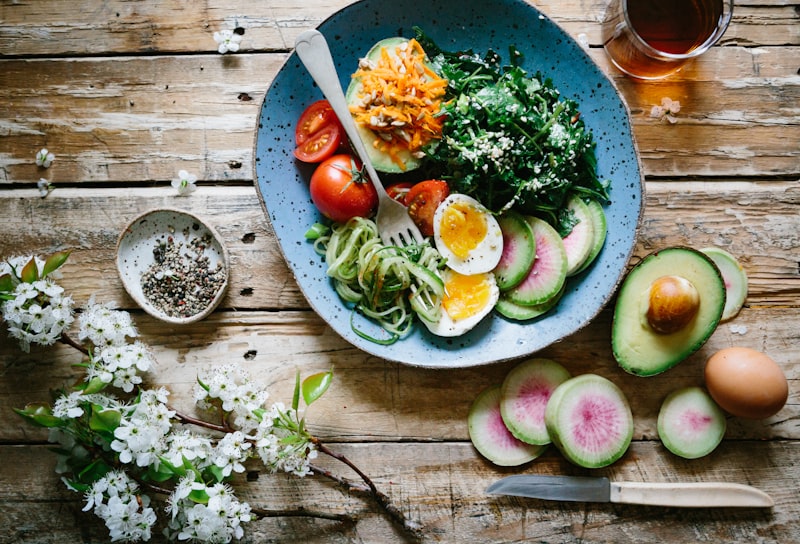
The timing of meals and snacks shapes how well your body can adapt to training stress and protect joint mobility. In grappling, where flexibility and quick recovery are essential, nutrient timing becomes a powerful tool.
Before training, carbohydrates help supply the fast energy needed for dynamic drills and sparring. A light carbohydrate-rich meal 1–2 hours prior—such as oatmeal with berries—ensures glucose is ready to fuel long rolls. In addition, drinking water before and during training maintains joint lubrication and muscle flexibility, reducing the chance of pulls or strains.
During longer training sessions, small sips of water every 10–20 minutes keep the body hydrated and the mind alert. Some athletes also use low-sugar electrolyte drinks if they sweat heavily, especially in hot gyms.
Post-training, focus on recovery. A mix of fast-digesting protein and carbohydrates—such as a protein shake with fruit—starts muscle repair and restocks glycogen stores. In fact, a study from the Gatorade Sports Science Institute states that athletes who eat within this window return to peak mobility more quickly.
Stretching and soft tissue work are more effective when muscles are well-nourished. Because of this, don’t skip a post-training snack, even if you have another session later in the day. For athletes who do not feel hungry after intense exercise, fruit smoothies or drinkable yogurt are good alternatives.
Weekly meal plans that feature a variety of nutrient-rich foods keep inflammation lower and support steady flexibility. For example, aim for two servings of fatty fish per week, a daily fruit or vegetable source of vitamin C, plenty of leafy greens for magnesium, and whole grains over processed cereals. This mix ensures antioxidant protection, softer connective tissue, and optimal joint health for constant progress on the mat.
Addressing Weight Management and Nutrition Myths in Grappling
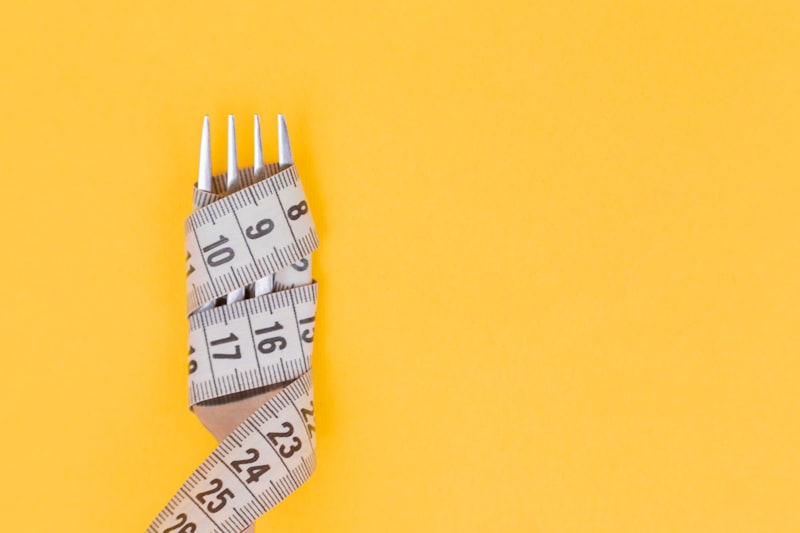
Grapplers often try to cut weight before a match or maintain a low body fat percentage for better agility. However, extreme dieting or rapid dehydration increases the risk of both acute and overuse injuries. Therefore, it is important to approach weight management in a way that does not sacrifice nutrition or safety.
Crash diets often deprive the body of protein, calcium, and key vitamins—leading to higher rates of muscle, tendon, and bone injuries. Furthermore, some athletes skip carbs or fats entirely, believing this will speed fat loss. In reality, these practices lower energy, slow down muscle recovery, and reduce flexibility. As a result, the risk of strains and tears goes up.
Smart weight cuts involve gradual changes. Aim for a weight loss of no more than 1–1.5% of total body weight per week. Focus on eating a variety of nutrient-dense foods instead of cutting out entire food groups. In addition, avoid skipping meals or using dehydration to hit a lower number on the scale.
Another common myth is that supplements alone can “protect” against injury. While vitamins or protein shakes are useful in certain cases, they should never substitute for balanced meals with fruits, vegetables, lean proteins, and whole grains. In other words, the basics of nutrition—and the timing of meals—matter much more.
Finally, remember that each body is unique. Tracking your performance, mood, and energy alongside your meal plan can help you find what works best for you. If unsure, speak to a sports dietitian trained in working with grapplers or other combat athletes.
Conclusion
Nutrition tips supporting injury prevention are essential for grapplers who want to maximize their training, recovery, and mobility. By focusing on quality protein, complex carbohydrates, healthy fats, and key vitamins and minerals, you help your body resist injury and recover faster from hard training.
Consistent meal timing, smart snack choices, and attention to hydration are just as important as any mobility drill. In addition, avoid fast-fix diets and don’t rely only on supplements for your nutrient needs.
If you want to stay on the mats and keep progressing in 2026, make nutrition a top priority—supporting your joints, muscles, and connective tissues from the inside out. Start applying these simple but powerful nutrition habits today. For more guides about mobility and recovery, visit ismartfeed.com or consult a sports nutrition expert as you build your winning routine.