
If you train Brazilian Jiu-Jitsu, you have likely wondered how often should you do strength and conditioning to reach your best performance. This is a common question with big implications for your results, injury risk, and progress on the mats.
Many BJJ athletes try to balance tough rolling sessions, drilling, and supplementary workouts. However, not everyone knows how to fit strength and conditioning into their routine in a way that helps, not harms, their skills or recovery. Therefore, it is vital to base your plan on science, expert advice, and simple logic.
In this article, you will learn how many times per week you should do strength and conditioning to improve your grappling. You will also see how to combine it with BJJ sessions, ways to avoid overtraining, and practical scheduling tips you can use right away.
How Often Should You Do Strength and Conditioning for BJJ?

The answer to how often should you do strength and conditioning relies on your goals, training age, and recovery ability. Most BJJ athletes benefit from two to three sessions per week.
For beginners, two sessions often bring great results. With this frequency, your body adapts while leaving room for technical BJJ work and rest. In addition, studies show full-body resistance training two times per week improves strength and reduces risk of injuries in sports like BJJ.
Intermediate or advanced grapplers sometimes add a third session each week. However, this step up is best for those with good recovery habits, a solid base in lifting, and firm BJJ foundations. Rushing into too many sessions can leave you drained, less focused at practice, or even injured.
For example, a 2022 study in the Journal of Strength and Conditioning Research found that athletes training three days per week gained more functional strength than once-a-week groups. However, the study also notes that recovery days are key for progress. Therefore, unless you compete at high levels, three days per week is usually your upper reasonable limit.
On the other hand, serious competitors with access to quality coaching and supervised programs might see benefit from four sessions weekly—rarely more. But for 90% of BJJ practitioners, two or three is the sweet spot.
Balancing Strength, Conditioning, and BJJ Classes
Finding the right weekly plan means first counting your total training load. For example, if you roll or drill five days weekly, pushing hard in the gym for conditioning three more times may leave you exhausted. In addition, poor sleep or high work stress lowers your recovery capacity.
Aim to schedule strength and conditioning on alternate days from your hardest BJJ classes, or do short sessions after rolling. In fact, some athletes combine technical drilling and lifting in a single session for time efficiency. Regardless, listen to your body and scale back when needed.
Benefits of Smart Strength and Conditioning Frequency for Grapplers

Doing strength and conditioning two or three times per week yields powerful results for BJJ athletes. In fact, research shows strength training not only boosts power, but also makes you more resilient against injuries common in grappling.
For example, hip-dominant moves like squats help stabilize your core. As a result, you are less likely to get hurt in scrambles or takedowns. In addition, proper conditioning builds work capacity, so you tire less quickly in longer rolls or tournaments.
According to the National Strength and Conditioning Association (NSCA), combat athletes should use resistance training and cardio together in a periodized program. This means varying intensity and focus month to month, which leads to better performance and fewer plateaus.
Moreover, a well-timed strength session improves your neural drive—that is, your ability to fire muscles quickly and forcefully. In BJJ, this translates to stronger grips, better escapes, and more forceful sweeps.
However, more is not always better. If you double up on gym sessions without added rest, you may start to overreach. Signs of this include increased soreness, slower recovery, and even trouble sleeping. Because of this, tracking your energy and adjusting is key.
Practical Examples
Let’s consider three BJJ athletes:
- Beginner: Lisa trains BJJ three nights a week. She does full-body strength sessions Tuesday and Saturday, each lasting 50 minutes. She feels fresher at practice and has fewer aches.
- Intermediate: Mike, a blue belt, does BJJ five days a week. He fits two lifting sessions in on Wednesday and Saturday. When his job is less stressful, he adds a short conditioning circuit on Sunday.
- Competitor: Jordan, a brown belt preparing for a tournament, does BJJ six times per week. With a coach’s help, he adds three lifting and two shorter conditioning sessions. He gets a deep tissue massage and focuses on stretching daily to boost recovery.
- Persistent soreness that does not fade after a day or two
- Drop in BJJ performance or motivation
- Trouble sleeping or feeling rested
- Feeling irritable or moody
- Unexplained aches and joint pain
Each uses strength and conditioning to enhance—not replace—their mat time.
How to Schedule Strength and Conditioning with BJJ

A smart schedule allows for quality both in the gym and on the mat. Therefore, when choosing your days, there are a few basic approaches.
Alternating Days
One approach is to alternate BJJ and lifting sessions. For example, do strength work Monday and Thursday, and roll Tuesday, Wednesday, Friday, and Saturday. This method lets your muscles recover from hard work. In addition, it reduces joint and tendon stress as you avoid heavy days back to back.
Same-Day “Stacking”
Some athletes like to stack BJJ and strength on the same day. For example, lift for 40 minutes, then do a technical drilling session. In this approach, place your hardest effort at the start of the session. Beginners should avoid hard conditioning and hard sparring on the same day to protect recovery.
Morning and Evening Split
If you have a flexible schedule, you might lift in the morning and grapple at night. Research shows that with enough time between, the body recovers and can handle both workloads. However, always test this split for yourself and do not ignore warning signs of burnout.
You can read more about safe training and periodization from the American Council on Exercise.
Adjust According to Training Cycles
If you are competing soon, lower gym intensity as the event approaches. In fact, tapering your lifting five to seven days before a big tournament boosts recovery and maximizes performance. Many BJJ athletes find they feel stronger and more energetic when they back off hard strength work right before competing.
On the other hand, during the off-season, you can push harder in the gym and add an extra session if you recover well. In summary, let your goals and calendar guide changes in frequency.
Avoiding Overtraining and Ensuring Progress
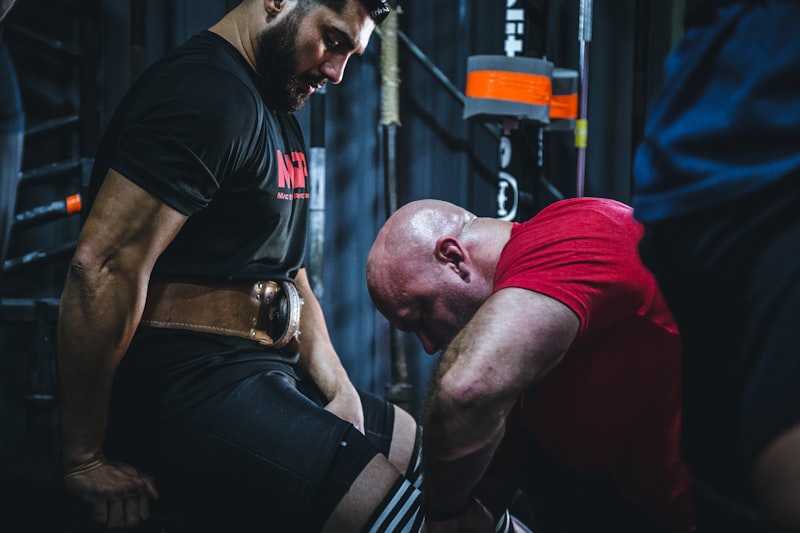
While strength and conditioning improve performance, doing too much can bring setbacks. Overtraining leads to fatigue, bad sleep, loss of appetite, and even weaker immune system response. Therefore, it is important to pay attention to signs your body gives you.
Signs You Are Doing Too Much
In addition, plateaus or lost strength in the gym can signal trouble. If you notice any of these, cut volume or intensity for a week. Also, increase your focus on nutrition, quality sleep, and hydration.
Methods to Support Recovery
Incorporate active recovery like light stretching, foam rolling, or an easy walk on off-days. In addition, make sure you get at least seven to eight hours of sleep each night. For busy athletes, a quick 15-minute nap during the day can speed up recovery.
Proper nutrition also plays a key role. Eat enough protein to support muscle repair (around 1.4-2 grams per kg of body weight). In summary, supporting your recovery helps you get the most out of your training.
Programming Strength and Conditioning for BJJ Success

The right way to program strength and conditioning means focusing on quality, not just quantity. In BJJ, the goal is to support your skills while reducing injury risk.
Exercise Selection
Prioritize compound movements like squats, deadlifts, rows, and presses. These build total-body strength that carries over to grappling exchanges. In addition, add exercises for pulling strength and core stability, such as pull-ups, carries, and leg lifts.
Cardiovascular Conditioning
Conditioning should prepare you for the demands of BJJ rounds. Use short, high-intensity intervals to mimic matches. For example, interval sprints, assault bike sprints, or kettlebell swings for time. On the other hand, keep these sessions short—20 to 30 minutes, once or twice a week is plenty for most.
Periodization and Deloads
Rotate the intensity and volume of sessions across training cycles. For example, after three or four weeks of higher intensity, take a lighter week. This helps your body absorb gains and reduces injury risk.
Finally, get feedback from coaches or more experienced training partners. They can spot patterns and suggest safe adjustments to your frequency or exercises.
Conclusion

Choosing how often should you do strength and conditioning depends on your goals, schedule, and recovery. For most BJJ athletes, two to three focused sessions per week is ideal. Scheduling around your hardest BJJ sessions helps avoid overtraining.
By watching your body’s response, adjusting your plan, and using proven methods, you can boost your strength, endurance, and performance on the mats. Start with a simple plan, keep track, and change as needed.
If you want to learn more or get a sample program, join our community at ismartfeed.com for more science-driven tips for BJJ strength and conditioning. Train smart, listen to your body, and enjoy steady progress.