
A well-designed strength and conditioning workout plan for fat loss can change your Brazilian Jiu-Jitsu (BJJ) performance and body composition. Combining targeted strength training with cardio and smart conditioning is key. This approach also helps boost your metabolism, making fat loss more sustainable.
Many BJJ athletes seek ways to cut fat while keeping strength and stamina. In this detailed guide, we’ll show you how to craft a workout plan that supports fat loss, improves your mat skills, and remains practical for busy schedules.
Why Strength and Conditioning is Essential for Fat Loss in BJJ
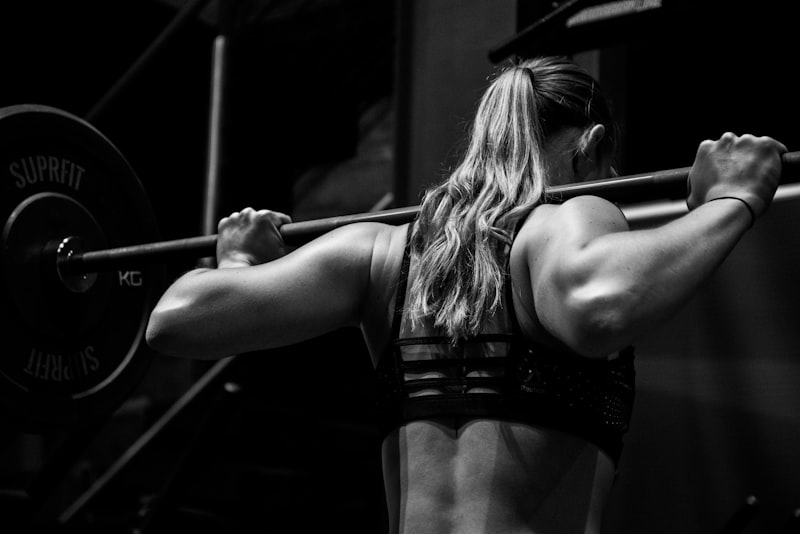
A strength and conditioning workout plan for fat loss does more than just burn calories. It shapes the way you move and compete in BJJ. Unlike fad diets, smart training focuses on preserving muscle, which is vital for grapplers. Muscle mass is a major factor in maintaining a higher resting metabolic rate. In other words, you keep burning calories even off the mat.
In addition, strength-focused routines limit muscle loss during calorie deficits. If you rely only on cardio, you may lose muscle along with body fat. For BJJ, strength protects your joints, increases leverage, and improves performance during long rolls.
Conditioning also plays a key role. Metabolic circuits, sled pushes, and kettlebell swings improve your work capacity. On the other hand, basic steady-state cardio can also support fat loss but may not raise your fitness ceiling as high. For the typical BJJ athlete, mixing both keeps you well-rounded and mat-ready.
In fact, research supports this blended approach. A 2023 study published in the Journal of Strength and Conditioning Research found that combining resistance training with interval conditioning led to more fat loss and better athletic power than cardio alone.
For BJJ, this means you will recover faster between spars, last longer in tournaments, and retain more strength as you drop weight. Therefore, a program that blends strength, cardio, and mat-specific drills works best for targeted fat loss and improved jiu-jitsu.
The Science Behind Losing Fat While Keeping Strength
When you create a calorie deficit from diet and training, your body turns to stored fat for energy. However, without resistance training, it can break down muscle. This is a risk for any athlete, but especially those making weight cuts for BJJ events. As a result, you may feel weaker and slower.
Strength and conditioning battle this effect. Every heavy lift or explosive set tells your body to keep muscle even when calories drop. Similarly, conditioning demands signal your system to adapt for endurance, not just shrink.
Efficient fat loss in BJJ requires well-structured lifting, conditioning, enough protein, and smart calorie control. Consistency and gradual changes help you avoid burnout and overtraining. Finally, always remember that a good plan supports both body composition and on-mat skills.
Structuring a BJJ-Focused Workout Plan for Optimal Fat Loss
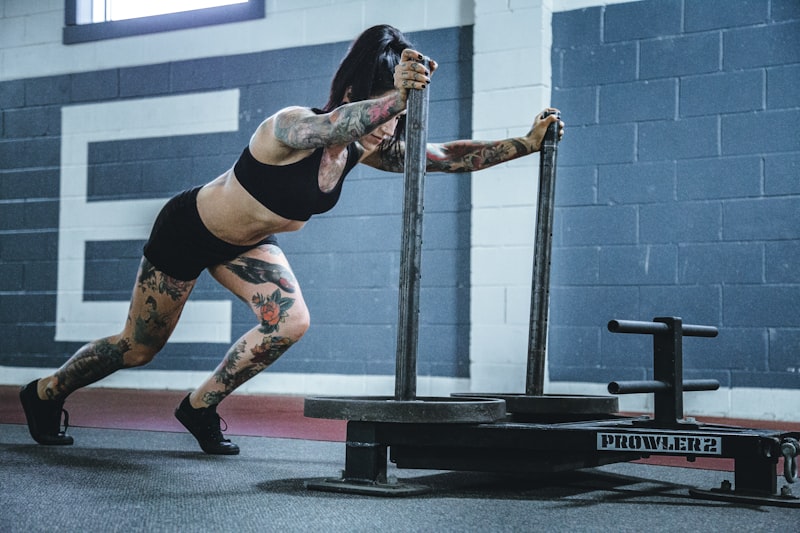
Designing a strength and conditioning workout plan for fat loss that fits a BJJ schedule can be challenging. First, you need the right balance. Too much training can lead to fatigue or injury. Too little, and you might not reach your fat loss goals.
For a typical BJJ practitioner training on the mats three to four times per week, aim for two to three focused strength and conditioning sessions a week. Each should last no more than 60 minutes. This keeps total workload manageable.
A good weekly split might look like this:
- Monday: BJJ class + full-body strength workout
- Wednesday: BJJ class + metabolic conditioning circuit
- Friday: BJJ class + power and plyometrics focus
- Compound lifts: Choose 2-3 major movements such as squats, deadlifts, or pull-ups. Work at 70-80% of your max for 4 sets of 5-8 reps. This intensity preserves muscle and strength.
- Accessory work: Add 2-3 exercises like kettlebell swings, lunges, or rows. Keep reps moderate (10-15) for endurance.
- Core and grip: End with short sets of planks or farmer’s walks, which help with BJJ-specific needs.
- Pick 4-5 exercises (e.g., sled pushes, battle ropes, burpees, medicine ball slams, air bike)
- Do each for 30-45 seconds, resting 20-30 seconds between
- Complete 3-4 rounds
- Kettlebell Swings
- Works hips, glutes, and grip strength.
- High-rep sets (30 on, 30 off for 6-8 rounds) burn fat and improve hip drive needed in escapes and guard passes.
- Sled Pushes or Pulls
- Train full-body drive and endurance.
- Use heavy but manageable weight. Short sprints (40 meters) with limited rest improve conditioning and stimulate fat burning.
- Battle Ropes
- Great for upper body, grip, and shoulders.
- Use intervals (20-30 seconds of max effort) to spike your heart rate and simulate the burst-heavy nature of BJJ rounds.
- Medicine Ball Slams
- Core, shoulders, and explosive power.
- Repeat for 8-12 reps, cycling through between strength sets or as a circuit finisher.
- Rowing Machine or Air Bike Sprints
- Low-impact yet high-output.
- Ideal for conditioning without joint stress. Perform 6-10 rounds of 30-second hard sprints with minimal rest.
- Set Clear Goals: Define whether you want to drop fat, improve conditioning, or compete at a lower weight class. In fact, writing down your goals increases the chance you’ll stick with the process.
- Track Progress: Keep a simple log of sessions, lifts, and body composition changes. For example, weekly weigh-ins, strength PRs, and photos help you see steady improvement.
- Plan Rest: Overtraining is common among BJJ athletes eager to improve quickly. Schedule full rest days and take light weeks as needed. Your body needs time to adapt and recover.
- Listen to Your Body: If you feel run down or notice nagging injuries, scale back and focus on sleep, nutrition, and mobility.
- Find Training Partners: A gym buddy or BJJ teammate increases accountability. In addition, partners can spot you during heavy lifts and join you for extra conditioning drills.
- Prioritize Sleep: Aim for 7-9 hours per night. Poor sleep raises hunger hormones and slows your metabolism, making fat loss harder.
- Seek Out Professional Guidance: If you have specific needs or plateau, talk to a BJJ coach or certified strength and conditioning specialist.
In addition, you can add mobility or light cardio (walking, cycling) on off-days. This helps with recovery.
Here’s what a sample full-body strength session might include:
Metabolic circuits follow a different structure:
This combination allows you to work on both fat loss and the unique demands of jiu-jitsu. You’ll notice better energy on the mats and improved body composition.
Remember, rest and sleep play vital roles in recovery and fat loss. Don’t neglect them. Poor recovery undermines all your hard work, both in the gym and in the dojo.
Nutrition Strategies That Support Fat Loss and Maintain Performance

Many athletes struggle with fat loss because they ignore the role of nutrition. Training is crucial, but your diet makes the biggest impact on body composition. Effective nutrition does not mean extreme restriction. Instead, focus on consistent habits that fuel training and cut unnecessary calories.
First, track your daily calorie intake. Use a free app or a food journal. Most active people see progress targeting a daily calorie deficit of 300-500 calories. This pace supports gradual, sustainable fat loss.
Protein intake matters more than most realize. Aim for 1.0 to 1.2 grams per pound of bodyweight. High protein protects muscle during a calorie deficit and aids recovery after hard rolls and lifts. For example, a 150-pound athlete should target 150-180 grams per day.
Carbohydrates are key for training energy. Don’t cut carbs drastically, especially on BJJ and heavy lifting days. Instead, choose quality sources like oats, potatoes, rice, vegetables, and fruits.
Healthy fats also support joint health and hormone levels. Include sources like olive oil, avocados, fatty fish, and nuts. In addition, stay hydrated. BJJ and conditioning make athletes prone to dehydration, which slows recovery.
Supplements can help in some cases. A basic whey protein powder, creatine, or a daily multivitamin can fill gaps. However, always consult with a sports dietitian before starting new supplements.
According to Precision Nutrition, athletes should avoid crash diets. These approaches backfire by slowing metabolism and causing fatigue. Sustainable results come from small, steady calorie changes and nutrient-focused eating.
Finally, track your progress weekly. Use a scale, simple measurements, or photos. Adjust your intake based on real results, not day-to-day fluctuations. This keeps you focused on fat loss, not temporary water weight changes.
Key Conditioning Drills for BJJ Athletes Seeking Fat Loss
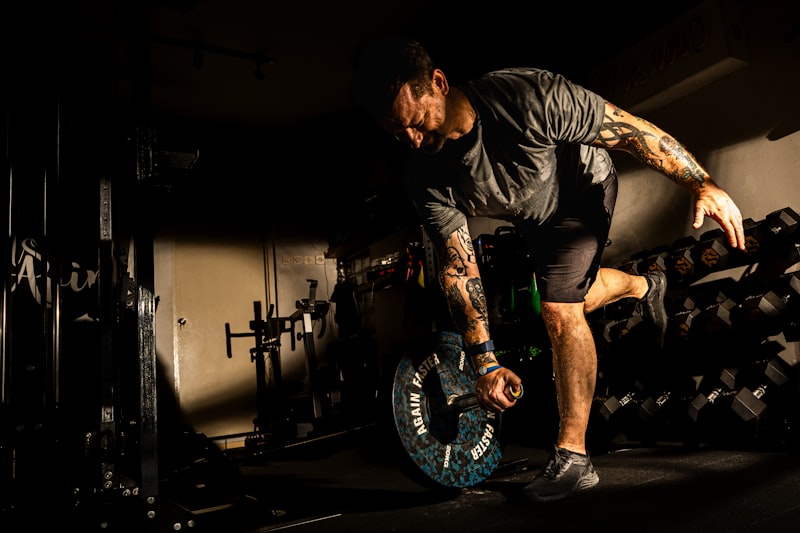
Conditioning shapes the engine that powers your mat performance and speeds up fat loss. Smart conditioning does more than tire you out; it targets fat stores, boosts metabolic rate, and increases your work capacity during rolls.
For BJJ, the best conditioning drills blend movement patterns found in grappling with metabolic demands. This means you train both the cardiovascular system and the muscles you actually use on the mats.
Here are five conditioning drills ideal for BJJ athletes working toward fat loss:
In addition, always include specific BJJ drills in your warm-ups and cool-downs. Shrimping, bridging, and mat crawls double as mobility and movement skill work.
Pairing these drills with a clear workout structure lets you maximize fat loss while sharpening the physical qualities that matter for BJJ. Rotate exercises every block (4-6 weeks) to avoid plateaus.
Research from the National Strength and Conditioning Association notes that high-intensity intervals burn fat more efficiently than moderate-intensity work. On the other hand, steady-state cardio can help when recovery is a concern. Therefore, use shorter, high-effort intervals during peak fat loss phases, and lighter cardio for recovery days.
Practical Tips: Staying Consistent and Avoiding Burnout
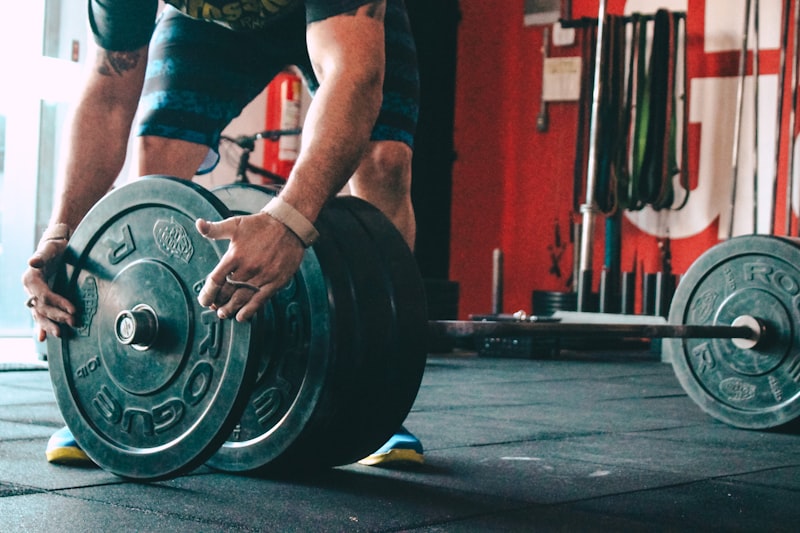
Starting a strength and conditioning workout plan for fat loss is one thing. Sticking with it when life gets busy or motivation dips is another. Consistency, not perfection, leads to the best results. With that in mind, here are a few proven tips to help BJJ athletes stay the course:
BJJ is a demanding sport, both mentally and physically. Because of this, it’s normal for progress to come in waves. With patience and dedication, your fat loss efforts will pay off, and your performance on the mats will keep rising.
Conclusion

A strength and conditioning workout plan for fat loss offers BJJ athletes the chance to cut weight, gain muscle, and boost performance. Such a plan blends full-body strength training with effective conditioning drills and smart nutrition. As a result, you speed up fat loss while keeping strength and stamina for the mats.
Remember, the best approach is gradual, consistent work. Don’t seek shortcuts. Follow the science, listen to your body, and adjust as needed. For more advanced tips, seek guidance from experienced coaches or explore resources like the NSCA.
Ready to upgrade your BJJ and start real fat loss? Use these strategies and see how far you can go—both on and off the mat.