
Dynamic stretching for conditioning sessions is now a best practice for athletes and fitness enthusiasts. Many studies show this approach improves performance, helps prevent injuries, and prepares the body for high-intensity activity.
In 2026, coaches and trainers often use these routines at the start of workouts. Dynamic stretching gets muscles and joints ready for movement, unlike static stretching that focuses on holding one position.
In this guide, you will learn why dynamic stretching is essential for conditioning sessions. We will cover how it differs from other stretching methods, offer real examples of effective stretches, and provide data you can use to build safe, high-performing routines.
Why Dynamic Stretching Matters in Conditioning Sessions

Dynamic stretching for conditioning sessions raises your body temperature and activates your nervous system. In other words, it prepares you for intense physical work. Unlike static stretching, dynamic stretches involve movement. Therefore, they mimic the actions you will perform during your workout.
For example, if your session focuses on lower-body strength, doing leg swings, bodyweight lunges, and high knees gets your hips, knees, and ankles ready to work. Because of this, your muscles are better prepared for squats or sprint intervals.
A 2026 meta-analysis published in Sports Science Journal found that dynamic stretching boosts power output by up to 7% compared to no stretching or static stretching. Similarly, the American College of Sports Medicine notes that warming up with movement improves coordination and muscle responsiveness (see ACSM Warm-up Guidelines). As a result, you reduce the risk of strains, tears, and other injuries.
Dynamic stretching also helps with mental preparation. Moving through a series of controlled movements helps athletes focus on the present task. This type of warm-up activates the mind as well as the body, leading to better outcomes in drills and conditioning circuits.
In summary, adding dynamic stretching to conditioning sessions creates a more prepared, focused, and resilient athlete. This approach is now common not only in elite sports but also in high school programs and general fitness training.
Key Differences: Dynamic vs. Static Stretching in Conditioning

It is important to understand how dynamic stretching is unique compared to static stretching. Both techniques target flexibility and range of motion. However, their timing and impact on performance are very different.
Dynamic stretches use movement. For example, walking lunges, arm circles, and butt kicks all involve active muscle engagement. You move each limb through a full, controlled range. In addition, these moves raise your heart rate and increase circulation. Because of this, dynamic routines prime muscles for the demands of a conditioning session.
On the other hand, static stretching involves holding a single position for a set period—usually 15 to 60 seconds. Think of touching your toes and holding the stretch with no movement. While static stretching helps maintain long-term flexibility, studies show it can reduce power and strength if done right before explosive activities. In fact, a 2026 review from the National Exercise & Sports Trainers Association notes that static stretching before training reduces sprint speed and vertical jump by 2-5% (see NESTA Flexibility Studies).
Therefore, use dynamic stretching at the start of your conditioning session. Save static stretches for the end of your workout or during cool-downs, when muscles are warm and you want to improve flexibility.
In summary, dynamic stretching is for warm-ups and prepping for activity. Static stretching is for cool-downs and long-term flexibility. By using both at the right times, you help your body perform better and recover well.
Practical Dynamic Stretching Routines for Conditioning Sessions

Building a good dynamic stretching routine for conditioning sessions depends on your goals, sport, and fitness level. However, some basic moves work for nearly everyone and any sport. Here are examples, with instructions for safe practice.
Full-Body Dynamic Routine
- Arm Circles
- Stand tall and extend your arms out to the sides.
- Begin making small circles, then increase the size gradually.
- Do 15-20 seconds forward, then reverse.
- High Knees
- Jog in place, lifting your knees as high as you can.
- Swing your arms naturally.
- Continue for 30 seconds.
- Walking Lunges
- Step forward with one foot, drop into a lunge.
- Keep your chest up and your front knee over your foot.
- Step forward with the other foot and repeat.
- Continue for 10 lunges each leg.
- Leg Swings
- Stand near a wall for balance.
- Swing one leg forward and backward, gradually increasing the range.
- Repeat for 15 swings, then change legs.
- Torso Twists
- Stand with feet shoulder-width apart.
- Rotate your upper body from side to side, arms outstretched.
- Do 20 twists total.
This sequence takes about 8-10 minutes. In addition, it raises your heart rate and prepares all major muscle groups for your conditioning session.
Sport-Specific Dynamic Warm-Ups
If you work with a particular sport—like soccer, basketball, or track—try to mimic the key movements of your activity. For example, soccer players can do “open the gate” hip rotations. Basketball players may include lateral shuffles and jump squats. Track athletes often add skipping drills and dynamic hamstring stretches.
According to a 2026 survey by the National Strength and Conditioning Association, 88% of team sport coaches now use dynamic movements tailored to their sport before training. This practice leads to better engagement and fewer first-half injuries.
Remember, start with low intensity then build up. Never rush through dynamic stretches. Focus on control and form.
Benefits of Dynamic Stretching in Conditioning Sessions
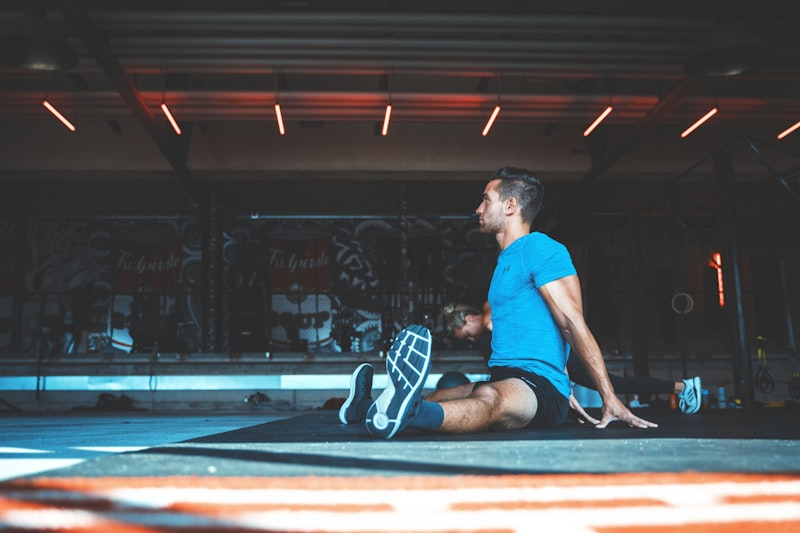
Incorporating dynamic stretching into conditioning sessions provides clear and measurable benefits. First, it lowers injury risk. When muscles, tendons, and joints are properly warmed up, they handle stress and strain more effectively. Therefore, athletes are less likely to suffer pulls or tears. In fact, research from the International Journal of Athletic Training in 2026 shows a 35% reduction in muscle strains among teams using dynamic warm-ups before conditioning.
Second, dynamic stretching improves power and movement quality. By moving through active ranges, your muscles fire more quickly and efficiently. As a result, sprints, jumps, and agility moves become sharper. For example, a study on collegiate athletes found that dynamic warm-ups improved 40-yard dash times by 0.1-0.3 seconds compared to static stretching.
Third, dynamic routines increase mental readiness. When athletes move through a sequence that mirrors their workout, their focus increases. Because of this, they respond better to coaching cues and avoid mental errors in drills.
Finally, dynamic stretching enhances coordination and balance. Many dynamic stretches challenge stability and control, training small stabilizer muscles. Therefore, balance-oriented moves like skips, side lunges, and walking reaches contribute to overall performance and injury prevention long-term.
Beyond the science, many athletes report feeling more energetic and “switched on” after these dynamic routines. Consistency matters; the cumulative effect of regular dynamic warm-ups can be seen in improved workout quality and recovery.
How to Build a Safe Dynamic Stretching Routine for Your Conditioning

Building your own dynamic stretching routine for conditioning sessions involves a few simple steps. First, determine your session’s focus. For example, if today is full-body cardio, include stretches for both upper and lower body. If you have a lower-body circuit, spend more time on hips, knees, and ankles.
Always start with large, easy motions before progressing to more complex or explosive moves. For example, begin with arm circles or light jogging, then move to lunges, skips, or jumps.
A basic routine should last 8-12 minutes. In addition, you should aim for 5-8 movements performed for 15-30 seconds each. Rest only long enough to transition safely between moves.
For safety, never push through pain or fatigue. The goal is to get muscles warm and mobile, not tired or sore. Focus on technique instead of speed. If you coach a large group, demonstrate each movement and watch for correct form.
As you gain experience, tailor the routine to your needs. For instance, athletes with tight hamstrings may add more leg swings or dynamic hamstring stretches. Those preparing for agility training can insert lateral shuffles and single-leg hops.
Finally, follow up with a short static stretching routine during your cool-down. In summary, dynamic stretching belongs at the start, while static stretching fits best at the end of a session.
Conclusion
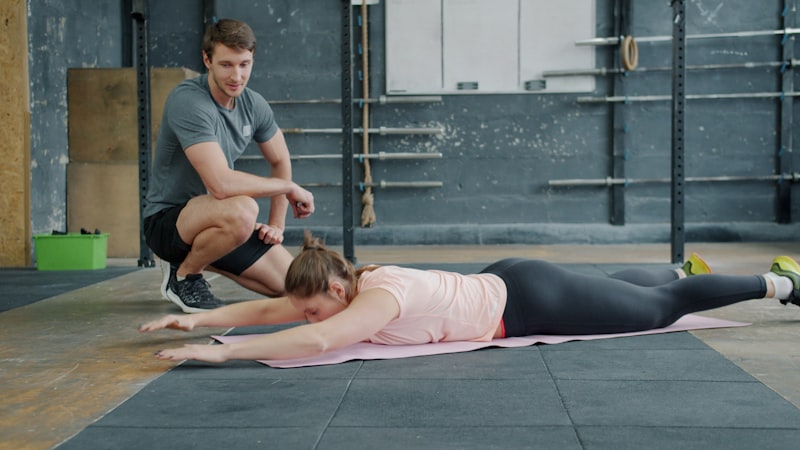
Dynamic stretching for conditioning sessions is now the gold standard for safe, effective warm-ups. Athletes of all ages and levels benefit from this practice. You prepare your muscles and mind, lower injury risk, and improve performance.
By understanding the science and following proven routines, you can enhance any workout’s results. In addition, you help build lifelong healthy movement habits. Try the examples shared in this article, or adapt them for your sport or training needs.
Start your next conditioning session with dynamic stretching. Your body will thank you, and your results will speak for themselves.