
If you are looking for a beginner’s guide to resistance training, you are in the right place. This ismartfeed.com resource covers every key step and answers common questions. Whether you want to build muscle, improve bone health, or increase energy, this guide is for you.
Many people think resistance training is just for athletes. However, it brings core benefits for anyone at any age. In fact, studies show that starting this approach can help improve daily function and long-term health. Let’s explore how you can get started safely.
What Is Resistance Training and Why Does It Matter?

Resistance training, often called strength or weight training, uses your muscles against a force. This force can come from free weights, resistance bands, machines, or even your own body. Regular use of this method brings a number of health perks.
First, resistance training helps to build muscle strength. As muscles get stronger, everyday tasks become easier. Carrying groceries, climbing stairs, and even sitting at your desk require less effort. In fact, according to the Centers for Disease Control and Prevention, this practice also helps prevent age-related muscle loss.
In addition, resistance training supports healthy bones. When you stress your bones using safe exercises, your body responds by making them stronger. This can help reduce the risk of osteoporosis and fractures as you age.
Another key benefit is better metabolism. Muscle burns more calories than fat, even at rest. Therefore, adding this approach to your routine can help with weight control or fat loss.
For beginners, starting with simple movements is best. For example, push-ups, squats, and planks use your body weight as resistance. You do not need fancy equipment to reap early benefits. Just your own body and a bit of space will be enough.
Finally, resistance training can improve mental well-being. It helps manage stress, boosts mood, and gives a sense of achievement. Because of this, it is now recommended for nearly all adults according to the Mayo Clinic.
In summary, resistance training brings real, proven results for both your body and mind. For anyone who wants more strength, better stamina, and lasting health, this method is worth your time.
Understanding the Main Types of Resistance
There are several ways to add resistance while training. In fact, you can choose the method that fits your lifestyle and space.
- Bodyweight exercises: Examples are squats, push-ups, and lunges. These need no equipment.
- Free weights: Dumbbells or barbells let you add or remove weight as needed.
- Resistance bands: These stretchy bands come in different strengths.
- Weight machines: These are found in most gyms and help guide your motion.
- Start light: You can build strength with low resistance at first.
- Focus on form: Move slowly and with control. Make sure you know how to perform each movement before adding weight.
- Warm up: Before any session, spend 5-10 minutes moving. Use movements like arm circles, marching, or side steps.
- Cool down: After you finish, stretch the main muscle groups used.
- Bodyweight squats (10 reps)
- Push-ups (knee or wall, 8 reps)
- Bent-over rows with a water bottle (10 reps)
- Glute bridges (10 reps)
- Plank hold (15 seconds)
- Squat: Works the legs and glutes (squat, goblet squat, chair sit-to-stand)
- Push: Works the chest, shoulders, and triceps (push-ups, overhead press with bands)
- Pull: Targets the back and biceps (bodyweight row, resistance band row)
- Hinge: Focuses on hamstrings and glutes (hip hinge, glute bridges)
- Core: Strengthens midsection (plank, dead bug, bird dog)
Each type has pros and cons. Bodyweight and bands are easy to use at home. Dumbbells and machines may be more useful if you want to progress to heavier loads later.
Getting Started: Safe Steps for Beginners
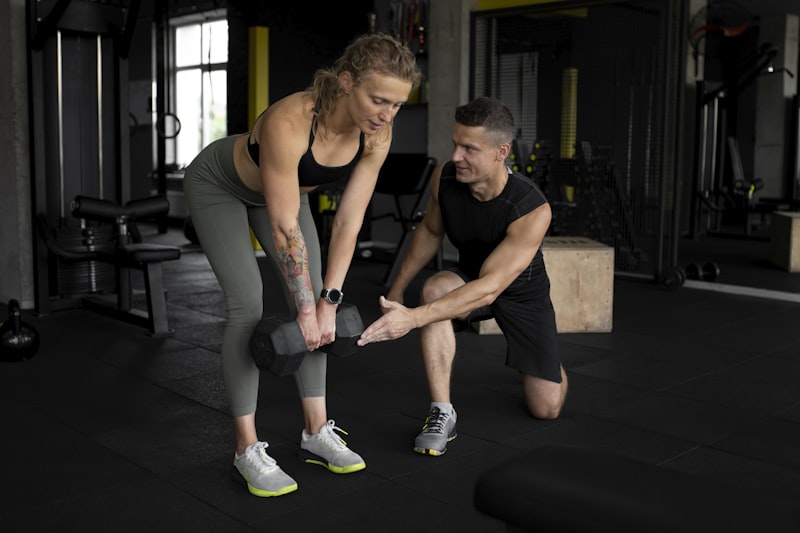
Getting started with resistance training can feel intimidating. However, with the right steps and tips, you will quickly gain confidence.
First, check with your doctor. If you have any health concerns or a long-term condition, ask if this approach is right for you. Most people can begin with simple routines. Still, it is smart to stay cautious.
Next, learn the basics of safe movement. Good form is crucial to prevent injury. In fact, research shows that most injuries come from rushing or using poor form, not from lifting heavy weights. To avoid this, there are a few tips to keep in mind.
For example:
In addition, start with two or three total-body sessions per week. Give yourself at least one rest day between sessions. This helps your body recover and adapt.
It is common for beginners to feel sore after the first few workouts. However, soreness should never become pain. If you feel sharp pain, stop and review your form or ask for help.
Keeping a log of your progress can help you notice improvements. Write down which exercises you did, for how many sets and reps, and how the effort felt. This helps track growth and build motivation.
Finally, start with the five main movement patterns: push, pull, squat, hinge, and carry. These cover the basic needs of daily life. For a simple first workout, you could try:
Repeat each movement for one or two rounds. As you gain strength and confidence, you can add sets, reps, or resistance.
Building Your First Routine: Exercises and Scheduling Tips

A well-rounded beginner’s guide to resistance training should help you create a clear routine. There are many ways to structure your sessions. The goal is to find a plan that fits your needs and lifestyle.
Start with a full-body workout two or three times a week. This means working all major muscle groups each session. For most beginners, this is the most efficient way to make progress.
For example, here is a sample weekly plan:
Monday: Full-body workout (bodyweight or light weights) Wednesday: Full-body workout Friday: Full-body workout
Between these sessions, use your days for other activities. Walking, cycling, yoga, or simple rest will help your recovery.
When building your routine, include basic movement patterns:
Aim for 8-12 repetitions of each movement, and do one or two sets. Rest for about one minute between exercises. As you progress, add sets or increase the resistance.
Variety is key to making training enjoyable and sustainable. Therefore, you can add new exercises over time. For instance, swap regular squats for split squats, or replace push-ups with bench presses as you gain strength.
Do not forget to track your progress. Use a notebook or an app. Record which exercises you did, how much weight you used, how many repetitions, and how you felt during the session.
Many beginners wonder how long to stick with a routine before switching. In fact, most experts recommend staying with a plan for four to six weeks. This allows your body to adapt and show improvement. After that, you can introduce small changes for new growth.
Nutrition, Recovery, and Tracking Progress for Beginners

Resistance training is only one piece of the puzzle. Your results will also depend on how well you support your body outside the gym. Nutrition, recovery, and progress tracking all matter.
The Basics of Nutrition for Strength
Eating enough protein is key for muscle growth and repair. According to the Harvard School of Public Health, getting about 0.8-1 gram of protein per pound of body weight helps most people build and keep muscle. This means lean meats, dairy, beans, eggs, and plant-based options should be part of your diet.
In addition, you need enough energy to fuel your workouts. Aim to eat balanced meals with healthy carbs (brown rice, oats, fruit) and fats (olive oil, nuts, avocado). Staying hydrated also helps with performance and recovery. Try to drink half your body weight in ounces of water each day.
For beginners, drastic diet rules are not needed. Instead, focus on eating regular, balanced meals. Avoid skipping meals, and listen to your hunger.
Importance of Rest and Recovery
Muscles do not grow during workouts but while resting. Because of this, getting enough sleep and rest days is essential. For most adults, 7-9 hours of quality sleep each night supports growth and hormone balance.
Overtraining is a risk if you do not allow recovery. Signs include ongoing fatigue, loss of motivation, trouble sleeping, and higher risk of injury. If you notice these, reduce your sessions or take a break.
Use gentle movement (walking, stretching) on rest days to boost recovery. In addition, foam rolling or gentle massage can help reduce soreness and keep you limber.
Tracking Progress: Beyond the Scale
Progress is not always measured by your weight alone. In fact, you might lose fat and gain muscle at the same time, keeping weight steady. Therefore, notice other signs of success: increased energy, better mood, more stamina, clothes fitting better, and lifting heavier over time.
Take photos or notes every few weeks. Notice how your form or comfort with each movement grows. Some people prefer tracking measurements (waist, hips, arms) rather than focusing on the scale.
Remember, results come gradually. Celebrate every small win, and be patient with yourself as you build consistency.
Overcoming Common Challenges in Resistance Training
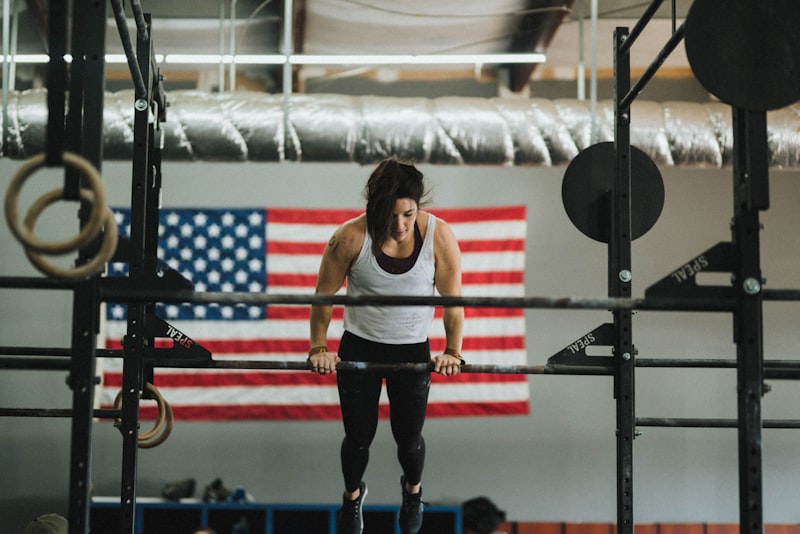
Starting any new practice can feel hard. Resistance training brings certain challenges, especially for those new to exercise. Knowing these can help you avoid common mistakes.
One challenge is fear of injury. Many beginners worry they will hurt themselves with weights. However, with good form and gradual progress, the risk is low. As a result, focusing on slow, controlled movements and starting with light loads is best.
Another issue is lack of motivation. At first, results may seem slow or invisible. In fact, it takes 4-8 weeks for most people to see clear changes. Therefore, set small, specific goals. For example, aim to add one push-up to your total each week. Or plan to work out every Monday and Friday.
Time can also be a barrier. Many people see resistance training as time-consuming. However, short sessions work well. Even 20-30 minutes two or three times a week can bring big results. Use supersets (pairing two exercises back-to-back) to save time.
Finding the right information is another hurdle. Misinformation is widespread online. Stick to expert resources and avoid extreme approaches. Reputable sites like the Mayo Clinic, CDC, and certified trainers provide safe guidance.
Finally, social support makes a difference. Tell a friend or family member about your plan. You might train together, compare notes, or cheer each other on. For those who want extra help, a few sessions with a certified trainer can boost confidence and make sure you start strong.
To keep going, celebrate progress, and remind yourself why you started. For instance, better strength, health, and energy are valuable rewards.
Conclusion
This beginner’s guide to resistance training has shown how anyone can start building strength and health in 2026. By learning safe steps, using simple routines, and supporting your body with good food and rest, you set the foundation for lasting results.
Remember to start small, be patient, and track your journey. Resistance training is not just for athletes or young people. It offers real benefits for everyone. If you have questions or want a community, explore trusted resources or join a local class.
Ready to start? Pick two or three movements today, and give your first session a try. Your stronger, healthier self will thank you!