
The best nutrition for BJJ recovery is a top priority for anyone wanting to come back stronger after sparring, drilling, or competition. Recovery is just as important as training—what you eat plays a huge role in how quickly your body heals and adapts. Saiba mais sobre How to Recover After.
In fact, good nutrition, sleep, and day-to-day habits can help you bounce back, avoid injuries, and make progress on the mats. This guide breaks down the foundation of a complete recovery plan, focusing on science-backed advice to match your BJJ lifestyle.
Why Recovery Nutrition Is Key for BJJ Athletes
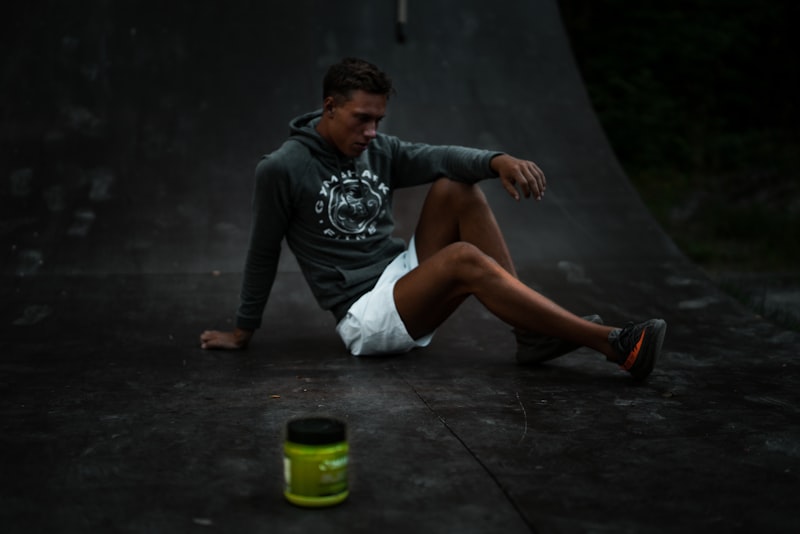
BJJ is demanding for your entire body. Long rolling sessions, explosive scrambles, and tough drilling put major stress on muscles, joints, and your nervous system. Because of this, what you eat after training can make a big difference in how you feel the next day.
Muscle Repair and Growth
Every tough BJJ session causes small tears in your muscles. Therefore, your body needs protein and amino acids to rebuild these fibers stronger than before. Without enough nutrition, you might feel sore for longer and even risk injury. Recent studies show that athletes who eat enough protein—about 1.6 to 2.2 grams per kilogram of body weight—recover faster and build more muscle. Veja tambem: BJJ Stretching Routines for Recovery: Complete Guide to Faster Healing.
Energy Replenishment
After a tough training, your glycogen stores—the body’s main fuel—are drained. Carbohydrates help refill these stores. Skipping carbs can leave you sluggish and slow your performance. For example, a 2026 review in the Journal of Sports Science & Medicine found that athletes who restored glycogen with carbs performed better the next day during high-intensity exercise. Veja tambem: Best Recovery Techniques After Intense Training: Proven Methods for Grapplers.
Inflammation and Immune Support
Hard training triggers inflammation. That is a natural sign of your body healing. However, too much inflammation slows recovery. Foods rich in antioxidants, like berries and leafy greens, help keep inflammation in check. In addition, healthy fats such as omega-3s from fish oil or flaxseed support your immune system and reduce soreness. According to a Harvard Health Publishing article, these foods play a key part in speeding up recovery and keeping you on the mat longer.
What to Eat: Practical Recovery Foods and Timing
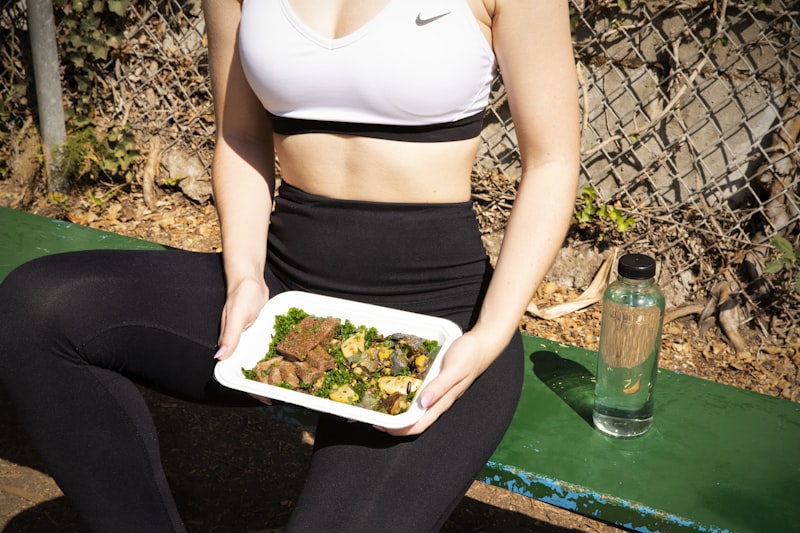
To get the best nutrition for BJJ recovery, focus on what you eat, how much, and when you eat it. Timing and quality matter just as much as macronutrients.
Post-Training Nutrition Window
The first 30-60 minutes after training is called the “anabolic window.” During this time, your muscles are most ready to absorb nutrients. Many athletes use this window to get the best results from their food choices. For example, a small meal with both carbs and protein helps kickstart repair.
Protein Choices
First, choose easy-to-digest protein after rolling. Whey protein shakes are popular for fast absorption, but whole foods work well, too. For example, Greek yogurt, eggs, chicken breast, or lentils provide a range of amino acids your body craves.
For plant-based athletes, mix sources like beans, quinoa, and tofu to get complete protein. Eating 20-30 grams of protein right after rolling helps start muscle repair.
Carbohydrate Strategies
After BJJ, eating carbs helps refill glycogen and reduce fatigue. Go for easily digestible options: white rice, banana, sweet potato, or a simple sandwich. The goal is 1 to 1.5 grams of carbs per kilogram of bodyweight.
You can also add antioxidants with fruit, like blueberries or oranges, for even more recovery benefits.
Healthy Fats in Moderation
Don’t forget healthy fats. Omega-3 fatty acids may reduce muscle soreness and help your joints recover. For example, adding avocado, walnuts, chia seeds, or salmon to your daily meals can make a difference over time.
Hydration
Sweating leads to fluid loss, which causes cramps and delays recovery. Therefore, drink water throughout the day. You may want to add electrolytes after long or hot sessions. Coconut water, sports drinks, or a pinch of sea salt in your water help replace sodium and potassium lost on the mats.
In summary, focus on a small meal or shake with carbs, protein, and a little fat soon after training.
Habit Stacking: Meal Planning and Snacks for Daily Recovery
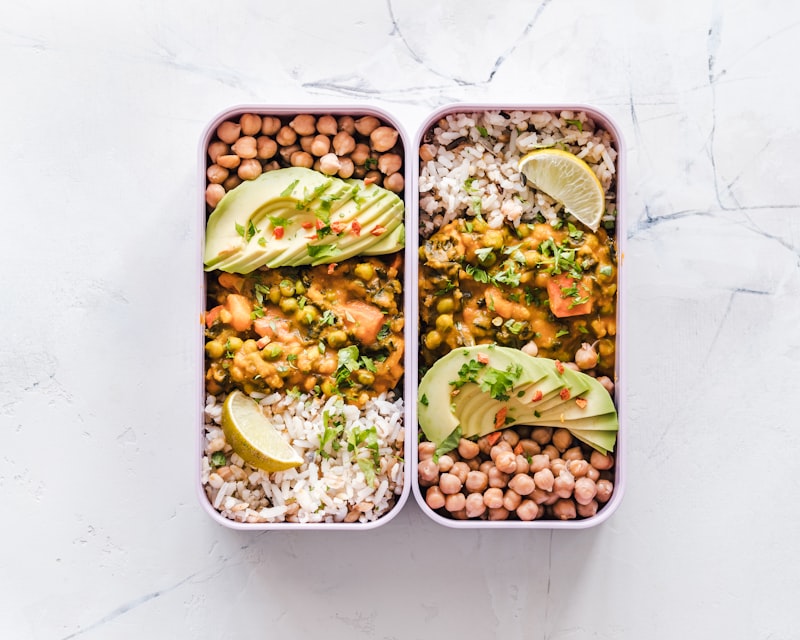
For BJJ athletes, good recovery nutrition starts before you even train. In other words, planning ahead makes it easier to eat the right foods after sessions and avoid deep fatigue.
Building a Weekly Meal Plan
First, craft a balanced meal plan based on your training schedule. Therefore, set aside time each week to prep meals. Include lean proteins, complex carbs, and a variety of fruits and vegetables. For example, roasted chicken with sweet potato and spinach is a simple, nutrient-rich dinner for recovery.
If your training is in the morning, prep overnight oats with protein powder and berries for a fast breakfast. If you train at night, have a recovery shake or a small meal ready for after class.
Planning ahead makes healthy choices automatic, especially after exhausting sessions.
Smart Snack Strategies
Snacks also support recovery through the day. Easy options include a banana with nut butter, turkey roll-ups, or cottage cheese with pineapple. These provide protein and carbs in small portions. As a result, your muscles have a steady stream of fuel to repair.
Take snacks with you to the gym to refuel on the way home. In fact, research from Cleveland Clinic shows that athletes who snack wisely enjoy sustained energy and shorter recovery times.
Monitoring Portions and Quality
Eating too much or too little can both hinder your progress. Pay attention to portions, especially with high-calorie or processed foods. Instead, fill half your plate with vegetables, one quarter with lean protein, and one quarter with carbs.
On the other hand, don’t be too strict. If you crave something sweet, choose options like dark chocolate, fruit, or Greek yogurt instead of candy or soda.
Supporting BJJ Recovery with Supplements: Facts, Myths, and Real Benefits
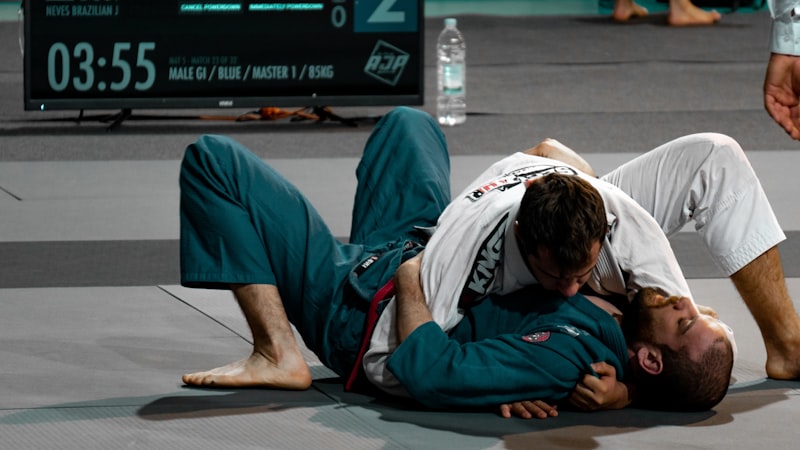
Supplements can help your BJJ recovery. However, they should not replace real food or good habits. Many athletes consider them as an “insurance policy” when life gets busy.
Proteins and Amino Acids
Whey protein and plant-based protein powders help meet your daily needs—especially if you don’t get enough from meals. Mix a scoop with almond milk and fruit for a quick snack. In fact, branched-chain amino acids (BCAAs) may help reduce muscle soreness and boost recovery. However, whole protein is usually better than single amino acids for most people.
Creatine for Recovery and Strength
Creatine is well-studied for building muscle and strength. In addition, recent data shows creatine reduces fatigue during repeated grappling drills. Studies in 2026 confirm that 3 to 5 grams per day is both safe and effective for recovery and performance.
Omega-3 Fatty Acids
Fish oil supplements help reduce joint soreness. Plant-based omega-3s, like algae oil, serve vegan athletes. Omega-3s support recovery and may reduce inflammation after heavy rolling.
Vitamin and Mineral Support
Vitamin D and magnesium are important for muscle contraction, sleep, and immune health. Therefore, if you’re low in these nutrients, a supplement may be a smart addition. However, always check with a doctor or dietitian to avoid taking too much.
Myths About Supplements
Many products promise fast recovery, but most are not proven by science. Avoid “miracle” pills and focus on trusted basics. Always use supplements from reputable brands to avoid contaminated or banned substances.
In summary, supplements can fill small gaps in your diet, but should never replace nutrient-rich, real food.
Daily Habits Beyond Food: Sleep, Hydration, and Mindful Eating
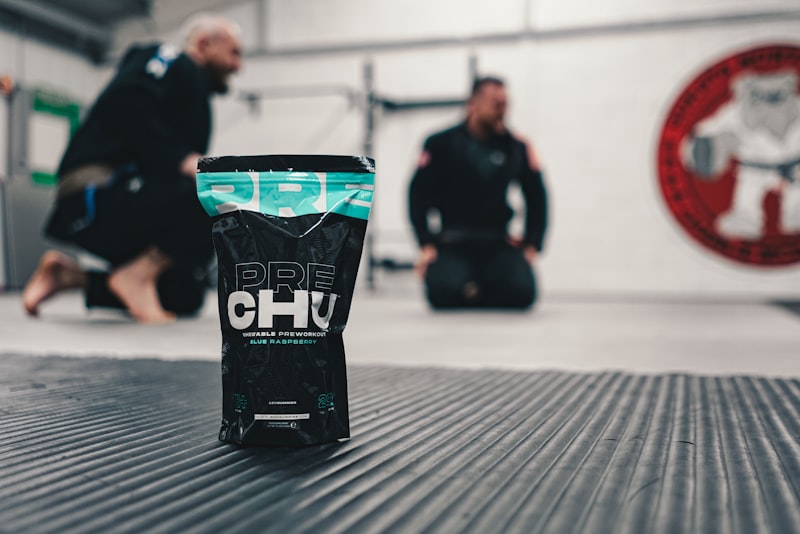
While the best nutrition for BJJ recovery is essential, recovery extends beyond food. Simple daily habits can multiply the effects of your nutrition plan.
The Power of Sleep for BJJ Recovery
Good sleep is when most muscle repair occurs. Most athletes need 7 to 9 hours each night. Lack of sleep slows healing and can weaken your immune system. In fact, a study published in 2026 by the Sleep Research Society linked 8 hours of nightly sleep with faster muscle recovery and better performance in combat sports.
Try to go to bed and wake up at the same time every day. Use blackout curtains, keep your room cool, and avoid screens for 30 minutes before sleep to improve rest quality.
Staying Hydrated All Day
Water supports every process in your body, from flushing out waste to delivering nutrients to your muscles. Even mild dehydration increases injury risk and delays healing. Drink steady amounts of water through the day—not just after training.
If your urine is pale yellow, you’re in good shape. Dark yellow means you need more fluids.
Mindful Eating for Long-Term Sustainability
Mindful eating helps you listen to your body’s hunger and fullness cues. When you eat slowly, you avoid overeating and make better choices. In addition, this practice lowers stress and helps digestion, both of which are important after intense BJJ sessions.
Use mealtime as a break—no screens, no distractions. This reduces mindless snacking and helps you enjoy food more.
Managing Stress and Recovery
Chronic stress raises hormones that delay recovery. Therefore, plan regular rest days, meditate, or use breathing exercises to support your body’s repair process.
Conclusion

Getting the best nutrition for BJJ recovery means more than eating protein and carbs after practice. Therefore, focus on science-backed strategies: eat enough protein, restore energy with carbs, support your body with healthy fats and antioxidants, and stay hydrated. Smart meal planning and daily habits, such as quality sleep, make a huge difference in recovery.
Supplements help when you struggle to meet your needs, but real food should always come first. In summary, consistent, informed choices build a strong foundation for long-term progress on the mats.
Start tracking your meals, adjust your habits, and see how much faster—and better—you recover. To learn more about sustainable BJJ recovery habits, see accredited sources like Harvard Health and the Cleveland Clinic. Your body—and your BJJ performance—will thank you.