
Understanding the white belt vs yellow belt journey can be confusing for many new martial arts students. Both belts mark important early stages, but they represent different skills, knowledge, and expectations.
If you are just starting out in Brazilian Jiu-Jitsu (BJJ), Karate, Judo, or another martial art, you might wonder what really separates these two ranks and how you can progress with confidence.
In this guide, you will find all you need to know about both belts. We’ll explore what each rank means, what is expected of you as a beginner, and tips to help you make the most out of your first classes.
White Belt vs Yellow Belt: What Do They Signify?
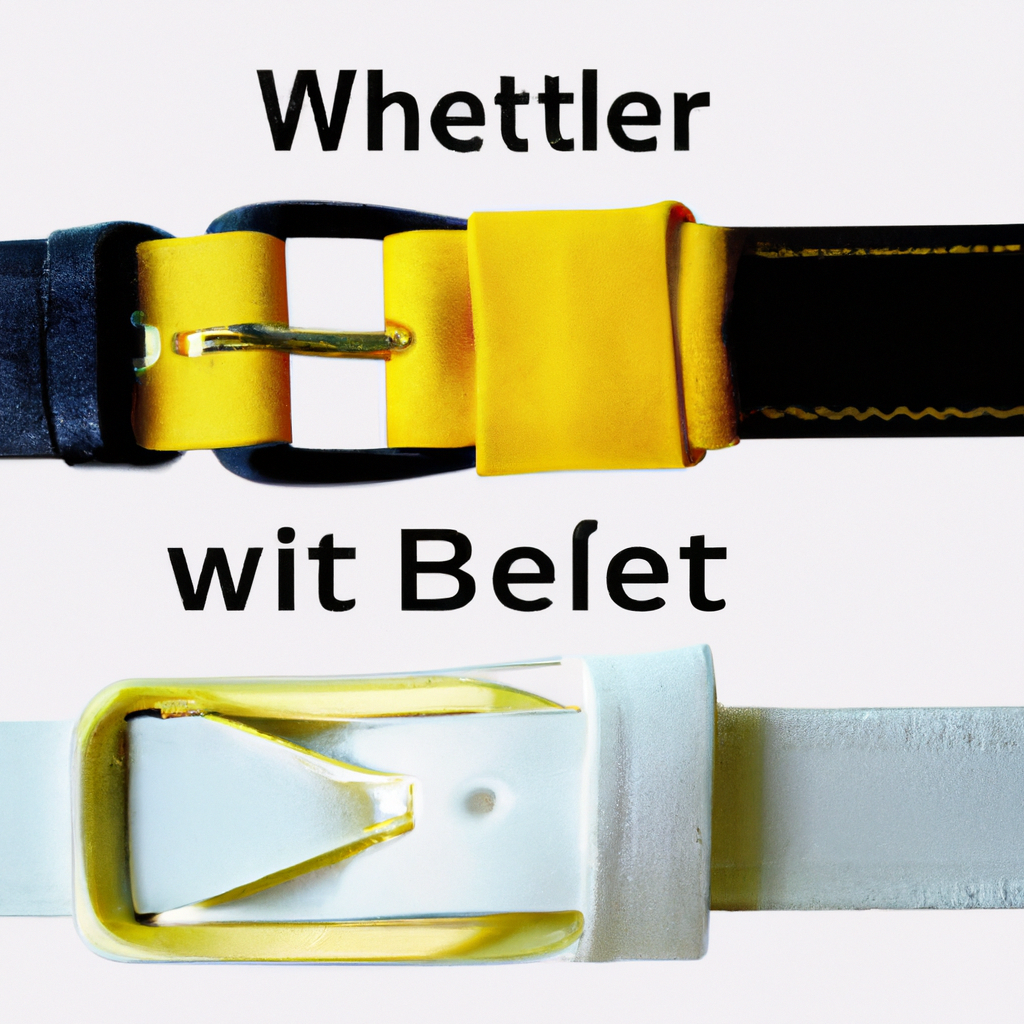
When discussing white belt vs yellow belt, it is important to understand their roles. The white belt marks the starting point for almost every martial arts journey. Whether you’re training in Jiu-Jitsu, Karate, or another discipline, this color always means “beginner.”. Veja tambem: Is a White Belt Good? Understanding Value for Beginners in 2026.
A white belt symbolizes a clean slate. In other words, the person wearing it is new, open to learning, and not expected to know any techniques or etiquette. This is often seen during the first months of training. Veja tambem: Guard Systems vs Sweeps Differences: Key Concepts in Modern Grappling.
On the other hand, a yellow belt is usually the next step. It shows that you have learned some basic techniques, understand the general rules, and can follow class routines without as much help. In fact, many students earn the yellow belt after four to eight months of regular training. The exact time depends on the school and style. For instance, Gracie Barra promotes younger BJJ students to yellow between ages 7 and 15 after mastering core moves.
However, not all martial arts use belts in the same way. In BJJ, adults may go from white to blue, skipping yellow altogether. Karate, Taekwondo, and Judo often have a more nuanced color system, with yellow being a common early rank after white.
Therefore, understanding your school’s guidelines is essential. Ask your instructor or check the school’s handbook. This will clarify what it takes to move up from white to yellow.
Meaning in the Context of Progress
Earning a yellow belt shows progress. It means you can perform the basics correctly and follow class etiquette. In many martial arts, this rank boosts confidence and motivates new students to keep going.
White belts should focus on learning positions, falling safely, and showing respect. As a yellow belt, you will be expected to explain some moves, help newer students, and remember class rules.
To sum up, the main difference between the two is knowledge, technical ability, and confidence on the mat. Each step sets a foundation for your later growth.
Key Expectations: White Belt Survival and Yellow Belt Responsibilities
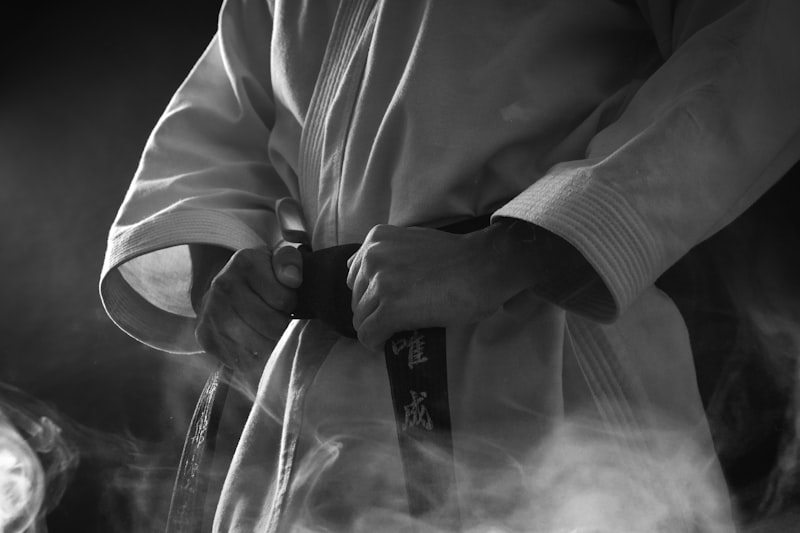
Beginner students face unique challenges. The jump from white to yellow belt introduces new demands, especially in class survival and etiquette.
A white belt is expected to listen, observe, and ask questions. You will likely feel overwhelmed at first, which is normal. Every student goes through this phase. Most instructors suggest focusing on two or three basic movements in each class. Techniques like break falls, shrimp escapes, and posture maintenance usually come first.
On the other hand, after earning a yellow belt, you will have some mastery over these skills. Your instructor will expect you to help maintain a respectful and safe training environment. In practical terms, this means reminding new students about proper bowing, hygiene, or equipment care. For example, in many Karate schools, yellow belts start serving as role models during group warm-ups or simple partner drills.
In addition, yellow belt students practice more advanced positions. In Jiu-Jitsu, you might learn closed guard sequences, simple sweeps, or how to pass guard. This stage is often more interactive. You will likely participate in beginner-level live rolling, which simulates friendly sparring but with close instruction.
Because of this added responsibility, yellow belts start developing leadership qualities. Some schools even introduce light teaching moments. Helping a white belt drill moves is a valuable learning experience for both parties.
Rolling (or sparring) also becomes safer and more enjoyable over time. White belts may freeze or panic during live rolling, while yellow belts begin to control breathing and react wisely. Staying calm, tapping out early, and focusing on technique over strength help both belts succeed.
The etiquette for both ranks centers on respect, tidiness, and focus. However, yellow belts also begin to set positive examples for others, even if informally. Reliability, punctuality, and humility are valued throughout the process.
How to Succeed as a White Belt: Essential Tips for New Beginners
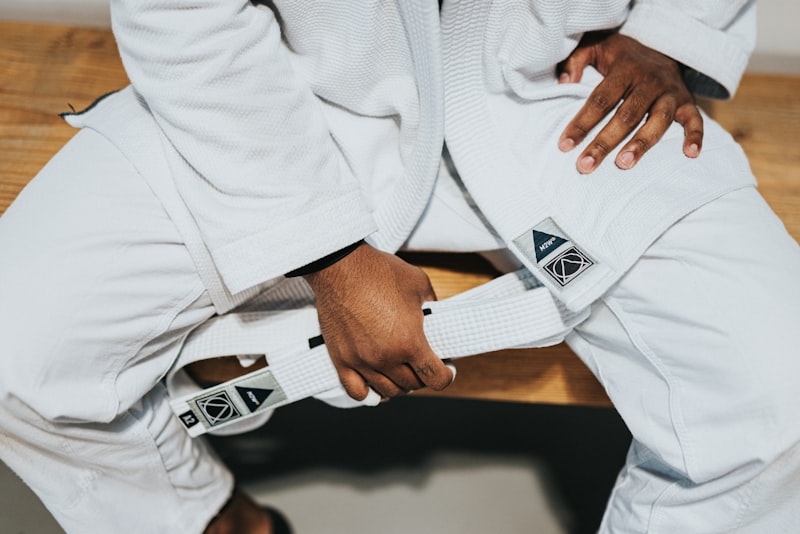
Starting as a white belt can feel overwhelming. Many students drop out early because they are not sure how to survive the tough first months.
The key is consistency. Attending class regularly, even if it feels challenging, leads to real improvement over time. In one study by BJJ Eastern Europe in early 2026, students who trained at least twice per week raised their retention rates by 35% over six months.
There are other proven survival strategies for white belts:
- Ask questions often. Teachers and higher belts expect new students to have doubts.
- Focus on one area each week. Rather than trying to learn everything, pick a position and improve on it.
- Take notes. Writing key points after class helps you process and remember key moves.
- Respect all classmates. Good attitude, hygiene, and punctuality make training easier for everyone.
- Mind your health. Stretch, eat well, and listen to your body to avoid injuries.
- Tap out early and safely. Learn to recognize when to stop. This prevents needless injuries during rolling.
- Celebrate small wins. Every good grip, escape, or controlled roll is progress.
- Correct break falls or safe landing skills
- Mastery of basic stances or positions (like guard or horse stance)
- Simple self-defense techniques
- Proper partner etiquette during drills and sparring
In addition, pairing with fellow white belts or patient yellow belts helps. White belts often feel nervous when paired with experienced students. However, most schools assign helpful partners to ease this transition.
Mistakes are part of learning. Instead of comparing yourself to others, focus on personal progress. Remember, every yellow belt was a white belt once.
Making the Leap: How to Progress from White to Yellow Belt

Transitioning from white belt to yellow belt depends on effort, attitude, and technical growth. The journey looks different in each martial art. However, some general patterns stand out.
First, most schools set minimum attendance requirements. For example, Karate or Judo clubs may require 30-50 classes before consideration. In Jiu-Jitsu, especially for kids, yellow belt comes after consistent practice and demonstration of core moves.
In addition to class time, students should master a set list of skills. These often include:
To prepare, new students should ask their instructor for a clear syllabus or grading sheet. Review these points often and request feedback in class. Practicing at home, watching instructional videos, and drilling with friends can speed up your progress.
Another tip is to watch higher belts closely. Note their focus, posture, and how they handle mistakes or challenges. Try to model the same behaviors in your own training.
Most schools hold formal belt tests or informal assessments. You may need to demonstrate a sequence of moves, answer questions about class etiquette, or show good sportsmanship during sparring rounds.
Mental attitude also counts. Instructors look for students who remain respectful, persevere, and show humility, even in frustration. Many masters say attitude weighs as heavily as skill in belt promotion, especially for beginners.
Celebrating milestones keeps motivation high. Share your success with friends, record your first successful sweep, or track improvements in physical fitness. The leap from white to yellow is not just about earning a new color—it’s about growing in and out of the dojo.
Common Questions and Misconceptions About White and Yellow Belts

Many new martial arts students have questions or worries about this journey. Let’s tackle the most frequent concerns:
1. Does faster progress mean better skill? Not always. Some students move quickly due to prior experience, athleticism, or natural memory. Others improve more slowly but with careful attention to detail. In addition, rushing through the white belt phase can cause gaps in your base skills, so steady and mindful learning is best.
2. Is yellow belt harder than expected? Yellow belt brings more excitement and challenge. However, you still receive plenty of guidance. Although expectations rise, so does your sense of community. There is a natural adjustment period, but you will gain confidence with each class.
3. Can adults earn yellow belts, or is it just for kids? It depends on the martial art and specific school policy. For example, in BJJ, most adults move from white to blue. In Karate, both kids and adults progress from white to yellow before other ranks. Always ask your instructor for clarity.
4. What if I fail a belt test? Belt tests are learning tools. Failing one does not mean you lack talent. In fact, retesting helps you identify and fix weak areas. Your instructors and classmates want you to succeed. Therefore, persistence is key.
5. Are belt colors the same worldwide? No. Belt colors and their order can vary by country, style, or school. For example, Judo in Japan uses a simpler color sequence, while some Western-style Karate schools have a large rainbow of belts. Always check your school’s system.
Understanding these common issues helps demystify the ranking system. You can focus on learning, community, and self-improvement without stress.
Conclusion
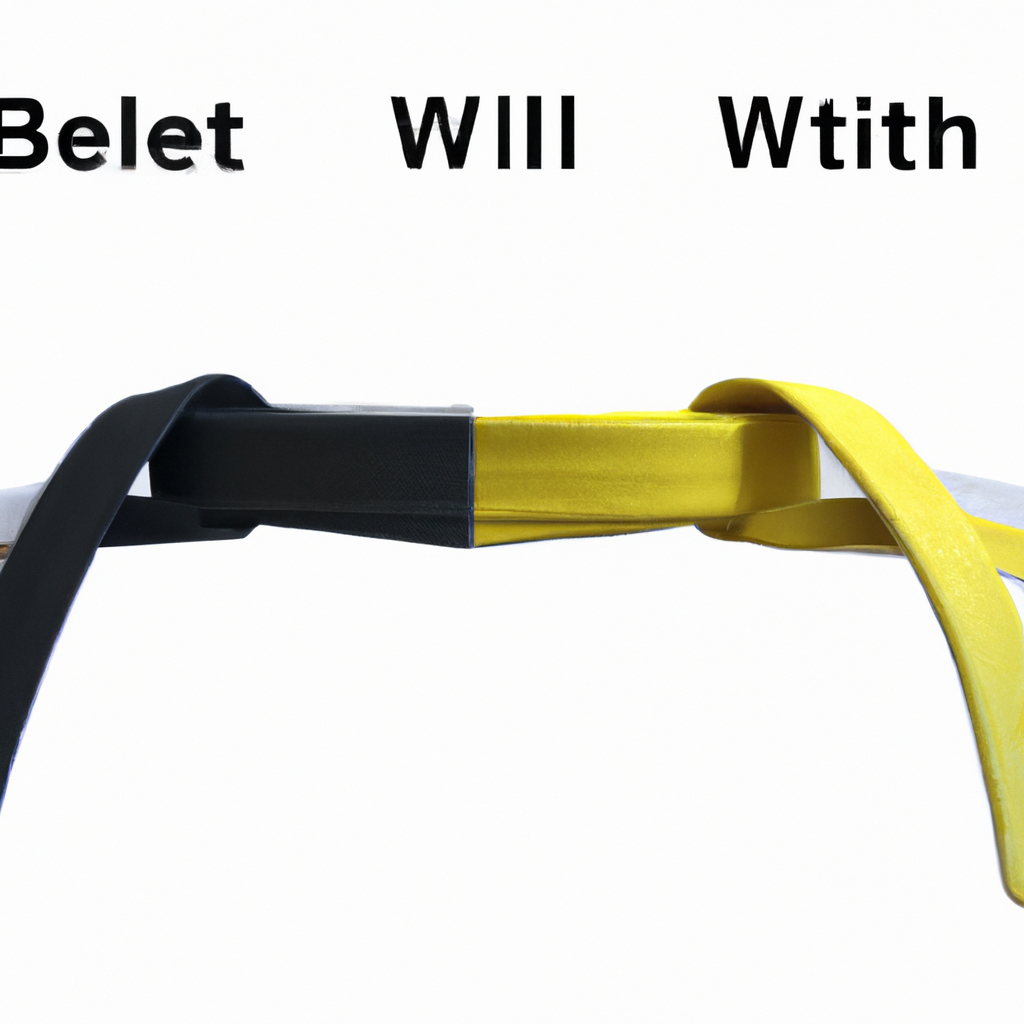
In summary, the white belt vs yellow belt progression is more than a change of color. It is a journey of learning, respect, and personal growth. White belts are new and focused on survival, etiquette, and mastering basics. Yellow belts take on extra responsibility, help beginners, and build on their technical skills.
Success as a beginner depends on regular practice, a good attitude, and strong attention to class culture. Asking questions, seeking feedback, and respecting the process all help you reach the next level. Remember, every great martial artist started as a white belt.
If you are just starting, embrace every lesson and be patient with yourself. Use your time as a white belt to make learning habits that last. For yellow belts, stay humble and help others along the way.
Want more guidance for white belts and beginners? Explore other articles in our White Belt & Beginners guides on ismartfeed.com for more detailed tips and advice.