
Many beginners wonder, “Is a white belt good when starting martial arts?” This question comes up often among new students. Understanding the value of the white belt stage is key for anyone just starting their journey.
For new students, the white belt is not only important but also necessary. Without this step, progress and growth might be impossible. In fact, every champion or instructor was once a white belt. They all started right where you may be beginning today.
On ismartfeed.com, we focus on beginners—especially white belts—who want tips on first classes, etiquette, and surviving sparring. Whether you’re starting Brazilian Jiu-Jitsu, Karate, Taekwondo, or Judo, this article will help you see why the white belt stage is so valuable in 2026.
Is a White Belt Good? Why the First Rank Matters
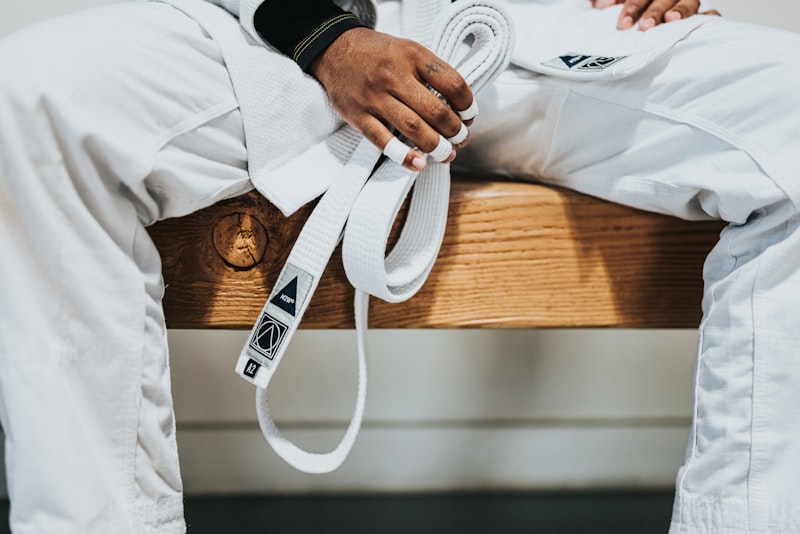
Many new martial arts students worry about starting as a white belt. They may feel like this shows a lack of skill or talent. However, being a white belt is not a sign of weakness. Instead, it marks the start of real growth. Veja tambem: White Belt vs Yellow Belt: Key Differences for Beginners.
First, the white belt is a symbol. In most martial arts, this rank tells others that you are a beginner. For example, in Brazilian Jiu-Jitsu (BJJ), white belts make up about 50% of a typical academy’s members in 2026. This high number proves that it’s normal to start here.
Because the white belt is meant for new students, you are not expected to know advanced moves. Your only task is to learn the basics. This includes how to stand, how to move, and how to stay safe on the mat. Most coaches say the main job of a white belt is to keep showing up. Consistency, not instant skill, is the goal.
On the other hand, the white belt stage is when you build crucial habits. For example, learning the correct way to tap out in BJJ can prevent injuries. In Judo, white belts learn how to fall safely so they avoid getting hurt. These skills are the base for every next level. Without them, you cannot grow.
In addition, the white belt phase teaches you how to ask questions and accept feedback. Many students avoid asking for help because they fear looking “bad.” However, research in Psychology Today explains that those who accept being beginners learn faster and stay motivated longer.
Finally, martial arts schools rely on white belts to build a friendly gym culture. Older students often feel proud to help you out. That creates a sense of community and support for everyone.
In summary, being a white belt is good because it opens doors to learning. It is a vital step that prepares you for every challenge ahead.
What Skills and Lessons Do White Belts Gain?
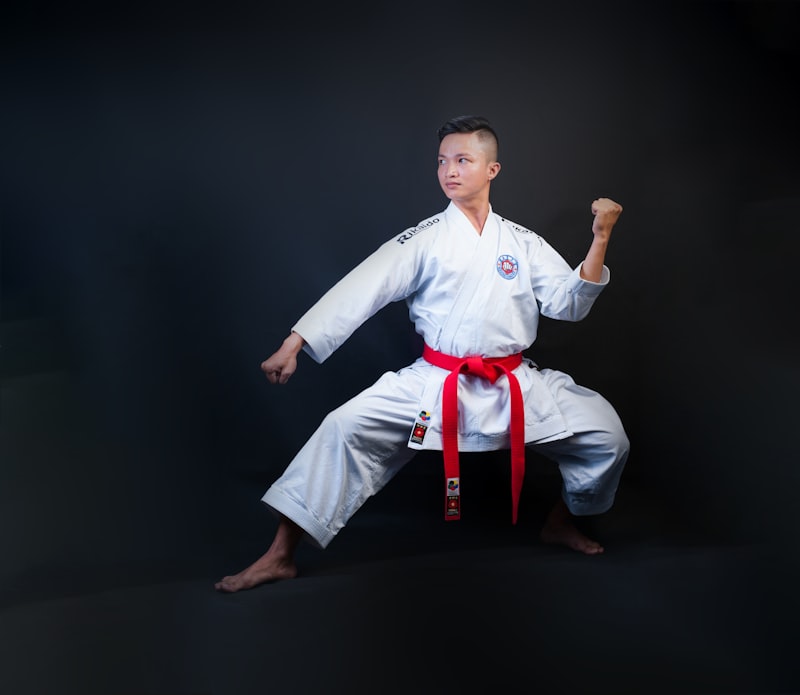
White belts are not just learning movements. In fact, this stage is full of lessons that help shape the student for life on and off the mat. This makes it clear why new students should respect this early period.
First, basic skills are taught in simple steps. For example, most beginners learn how to tie their belt, greet their partners, and follow class rules. These small actions set the stage for discipline and focus. In the first three months, new students usually see big gains in coordination and balance. One study by the National Institutes of Health found that martial arts beginners improved balance by over 18% in just 12 weeks.
Besides physical skills, white belts learn about respect and humility. Because you start at the bottom, you quickly see that everyone is learning something new—no matter their rank. For example, white belts often train with colored belts and see that improvement never ends.
In addition, white belts gain mental toughness. Rolling or sparring with more advanced partners might feel tough at first. However, facing these challenges helps students handle stress both in and out of the gym. Many coaches encourage new students to track their progress. Keeping a journal of what you learn each week helps you spot growth over time and stay motivated.
Another key point is learning to focus on details. Small things—like foot position or grip—often decide who wins or loses. This attention helps later in advanced ranks and in real life. In fact, employers value martial arts training because it proves you can learn new things and work well under pressure.
To sum up, the white belt phase offers vital skills: respect, focus, physical coordination, and mental strength. In 2026, these lessons matter just as much as mastering flashy techniques.
White Belt Etiquette and Survival Guide for 2026

New students often worry about etiquette. They want to fit in and not look out of place. Understanding basic rules can make you feel confident—even on your first day.
First, greet your instructors and classmates. Most gyms have a bow, handshake, or simple greeting as you step on the mat. This is about respect. Next, keep your uniform clean and your nails short. Hygiene is highly valued in martial arts. In 2026, more gyms have clear dress codes because health and safety became even more important after the pandemic years.
On the mat, white belts should tap out early and often. In BJJ and Judo, tapping means giving up before being hurt. This shows you care about safety. If you do not know a move, ask for help. Most upper belts are happy to help if you show humility.
In addition, follow class structure. Do not wander on the mat or interrupt the instructor. Wait at the edge until called in. If you are late, stand quietly and seek permission before joining. This shows respect for everyone’s time.
Rolling or sparring can be scary at first. As a result, many white belts try to win every exchange. Instead, focus on learning. Try new moves—even if you fail. It is better to tap out 100 times than to develop bad habits. Therefore, your main job is to survive, learn, and avoid injury.
Some dojos or gyms use stripe systems on belts. These small indicators track your progress inside the white belt rank. They help you see improvement and stay motivated. The number of classes or specific basic skills often decide stripe promotions instead of competition wins.
Finally, always thank your training partners after a round. This simple habit helps build respect and community. In summary, follow these simple tips to thrive and make the most of your white belt journey.
How White Belts Become the Heart of a School

Many people overlook the big impact white belts have in a martial arts academy. However, new students create fresh energy and help shape the team’s atmosphere. The group is stronger and more welcoming when white belts feel included.
First, white belts set the tone for growth. Each new class at a gym often brings several brand-new students. In 2026, enrollment numbers keep rising as martial arts gain popularity. For example, according to Statista, over 6.9 million Americans participate in martial arts each year.
When new students ask questions, upper belts remember their own first days. This can remind advanced students to focus on the basics, too. Many coaches encourage upper belts to “give back” by guiding white belts. This creates a helpful, team-focused atmosphere.
Because of this, new students push everyone to improve. If you are struggling with a technique or position, chances are other beginners will share the same questions. Good instructors use this feedback to make future classes even better.
In addition, white belts bring excitement and a sense of possibility. Their fresh view helps more experienced students stay curious and keep learning. It is easy to forget how tough first classes can feel. White belts break up routines and motivate everyone to keep progressing.
Modern martial arts schools often rely on feedback from new students. This helps gyms design better curriculums and beginner weeks. For example, many gyms in 2026 now offer beginner-only classes because they saw how white belts thrive with focused instruction.
To sum up, new students are not just “learning the ropes”—they are driving the school forward. Because white belts are eager and open-minded, they inspire everyone around them.
Common Challenges for White Belts—and How to Overcome Them

Although being a white belt offers many benefits, it also comes with challenges. Understanding these issues can help you plan and overcome them.
One of the biggest hurdles is frustration. Many students feel lost during their first months. Moves seem hard, and progress can feel slow. However, this is normal for all beginners. Setting small, weekly goals can help. For example, aim to learn one new technique or improve your footwork. Celebrate small wins.
In addition, comparing yourself to others is easy—but risky. Some classmates may advance faster. Instead, focus on your own journey. Progress looks different for everyone. In martial arts, consistency beats natural talent every time.
Another challenge is fear of injury. White belts sometimes move too fast and forget to tap out. Always put safety first. Work with trusted partners and ask your instructor if you are unsure about a move.
Attendance slumps are also common. In fact, drop-out rates for martial arts schools are highest among white belts. To avoid this, join group chats or accountability groups with classmates. Many gyms now offer digital tracking that helps keep students engaged and rewarded.
Finally, the urge to “win” every sparring session can slow your learning. As a result, you might form bad habits or hurt yourself. Focus instead on practicing the basics, controlling your breathing, and asking questions.
In summary, white belts face many obstacles. However, with patience and the right advice, anyone can overcome these early struggles and thrive in martial arts.
Conclusion
Is a white belt good? Absolutely. This early stage is more than just a colored belt. White belts lay the foundation for future skill, discipline, and teamwork. They gain valuable lessons, set the tone for their schools, and start a journey that can last a lifetime.
If you are a new student, do not worry about skill or speed. Be proud of your belt. Focus on basics, respect, and showing up. Ask questions. Help build a supportive team. Every master started where you are now.
Ready for your first class? Remember, being a white belt is not just good—it is where every champion’s story begins. Start with confidence and see where your journey can take you.