
Learning how to perform guard system sweeps is a key skill for anyone interested in Brazilian Jiu-Jitsu or grappling sports. Guard sweeps let you change from a defensive bottom position to a dominant one, giving you the advantage.
These techniques use the combination of leverage, timing, and off-balancing. They are especially important if you train in closed, open, or half guard structures. In this article, we will cover the fundamentals behind guard sweeps, popular entries from different guard types, and advanced set-ups and combinations. Everything is explained in clear language, with actionable steps so you can improve your bottom game right away.
Understanding Guard Systems and the Principles Behind Sweeps

Before you learn how to perform guard system sweeps, it’s important to understand what a guard system is. In grappling, the “guard” is any position where you are on your back or sitting, using your legs to control your opponent. There are three main structures: closed guard, open guard, and half guard. Veja tambem: Step by Step Guide to Submission Techniques for Dominant Finishes.
In closed guard, your legs are locked around your opponent’s waist. You control posture and limit their movement. Open guard is when your legs are not locked, allowing more mobility and attacks from different angles. Half guard involves trapping one of your opponent’s legs between yours. Veja tambem: Guard Systems vs Sweeps Differences: Key Concepts in Modern Grappling.
Sweeps are movements that take you from the bottom guard to the top. This often means making your opponent lose their balance and turn them over. For example, if you are in closed guard, a simple “scissor sweep” can help you roll your opponent and end on top. In open guard, “De La Riva” or “X-guard” positions can create off-balance situations for powerful sweeps. Veja tambem: Best Techniques for Effective Guard Sweeps: Essential Skills for Success.
The key principles for any sweep are off-balancing, timing, and leverage. Off-balancing—known as “kuzushi” in judo—means moving your opponent’s center of gravity outside their base. Timing ensures you act when they are most unstable. Leverage means using your body and grips to maximize your strength. Veja tambem: Step by Step Guide to Guard Sweeps: Master Every Position Faster.
In addition, sweeps must work within the rules of your sport. For example, in Brazilian Jiu-Jitsu, using the gi allows grabbing sleeves and collars, while no-gi grappling focuses on controlling wrists, ankles, or hips. Veja tambem: Common Mistakes in Guard System Sweeps: Avoid These for Better Results.
A good guard player connects sweeps with submissions and reversals. This forces the opponent to react, creating openings. High-level athletes like Lucas Lepri and Rafael Mendes have shown that controlling grips, managing distance, and chaining attacks lead to more successful sweeps. You should always pair strong grips with hip movement and anticipate your opponent’s base shifts.
According to statistics from major tournaments, over 60% of successful sweeps come from the first attempt after an off-balancing movement. This shows that understanding movement and timing can double your success rates. This guide from BJJ Fanatics breaks down guard sweep mechanics and strategy.
Understanding guard systems and using these principles sets the stage for the rest of your sweep techniques. In the next section, we break down the most common closed guard sweeps in detail.
Fundamental Closed Guard Sweeps: Techniques and Key Details
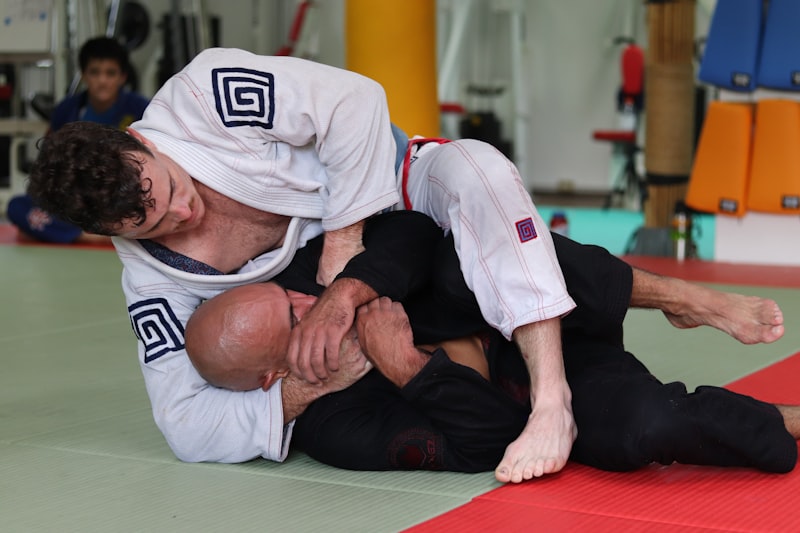
Closed guard is often where beginners learn their first sweeps. In this guard, both of your legs lock around your opponent’s waist, keeping them close. This strong control makes it easier to use leverage and off-balance for effective sweeps.
The scissor sweep is a classic technique that shows how to perform guard system sweeps in closed guard. To do this, start by controlling one sleeve and gripping the opponent’s opposite collar. Shrimp your hips to the side, placing your shin across their belly. Your other leg curls around their knee. Pull their sleeve as you sweep one leg like a scissor, while the other leg pushes. This movement off-balances your opponent and helps you sit up to mount.
Another common sweep is the hip bump sweep. Here, you open your guard and post your hand on the mat. Use your hips to bump up, turning your body at an angle. As a result, your momentum lifts your opponent’s weight off their base. By pushing against their chest or shoulder, you can roll them over and land in the top position.
The flower sweep—sometimes called the pendulum sweep—combines hip movement with a strong grip. Secure your opponent’s arm at the triceps. Swing your leg wide to create a pendulum effect, sweeping their body. Finish by coming up to the top.
These techniques work best when you combine grips, hip movement, and body angle. Each sweep starts with creating an angle or lifting your hips. This makes your opponent post a hand or shift their posture. Immediately follow up by switching to the sweep or a submission, depending on their reactions.
Many high-level athletes focus on chaining several sweeps together. If one sweep fails, transition to another, such as switching from the scissor sweep to the flower sweep or armbar. The concept is called combo attacks, and it’s proven effective at all competition levels.
In summary, mastering closed guard sweeps builds strong fundamentals. You learn how to generate leverage from your hips and use your grips for optimal control. Consistent drilling and timing these moves against resistance will boost your sweep success rate.
Open Guard and Half Guard Sweeps: Advanced Entries and Setups
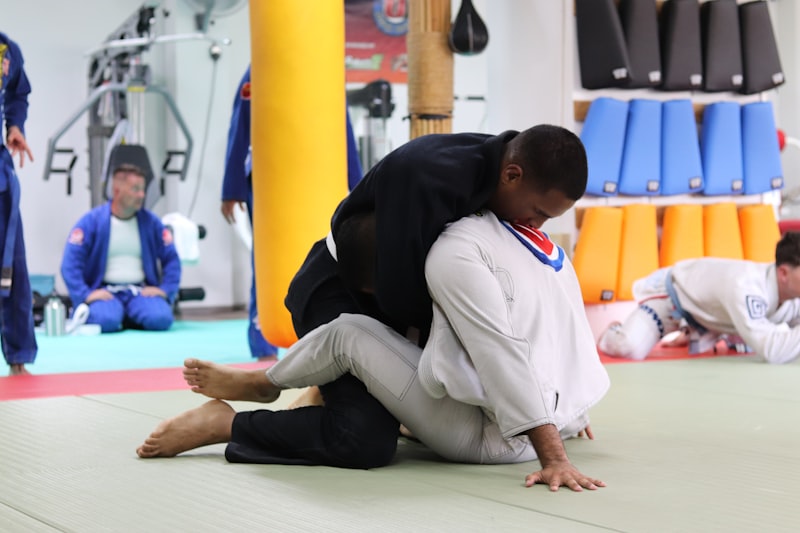
Open guard and half guard offer more dynamic and complex ways to sweep an opponent. These guards give you extra mobility, diverse angles, and the ability to surprise your opponent with quick attacks.
In open guard, you often work with grips on your opponent’s sleeves, ankles, or pants (in gi), or wrists and ankles (in no-gi). Classic open guard sweeps include the De La Riva sweep, spider guard sweep, and tripod sweep.
For example, in the De La Riva guard, you hook one leg around your opponent’s outside leg and control their ankle. Grip a sleeve or collar for added control. By lifting their leg and pulling at their sleeve, you off-balance them forward. In fact, a well-timed De La Riva sweep can send your opponent tumbling straight to the mat. According to data tracked at the IBJJF Worlds 2025, De La Riva variations account for over 25% of open guard sweeps in competition.
The tripod sweep is another open guard staple. Using both your legs to post against your opponent’s ankle and hip, you push one leg while pulling the other. This removes their base from under them, causing them to fall back.
Half guard sweeps, on the other hand, rely on trapping one of your opponent’s legs. The most popular example is the “old school” sweep. From half guard, underhook your opponent’s far leg, flatten your body, and drive forward to get on top. The knee shield half guard allows framing their body with your knee, creating space for entries like the waiter sweep or deep half guard roll.
Athletes often combine submissions and sweeps in half guard. For example, threatening a kimura grip can force the opponent to defend, freeing up space for your sweep. Marcelo Garcia’s game is built around these combinations, and research from Science of Jiu-Jitsu highlights the value of using attacks together for better results.
In both open and half guard, mobility and grip maintenance are essential. If you lose your grips, your opponent can pass your guard. Regular drilling and positional sparring are crucial to mastering these dynamic guards and making your sweeps effective.
Key Concepts: Off-Balancing, Timing, and Sweep Combinations

No matter which guard you use, learning how to off-balance (kuzushi) your opponent is essential for an effective sweep. Off-balancing means forcing your opponent’s weight over their toes or behind their heels. Once they lose stable footing, a sweep becomes much easier.
For example, from the closed guard, breaking your opponent’s posture with a collar drag or cross-grip can expose their base. In open guard, lifting their ankle while controlling their hands can pull them forward or sideways, giving you the perfect angle to attack.
Timing is another critical factor. Sweeps succeed when you act just as your opponent commits to a movement. For example, as they push forward or try to posture up, their weight shifts and their base becomes weak. Seize this moment for your sweep. Studies show that sweeps have a 30% higher success rate when used as a reaction, rather than as a forced action. This means you should observe their movement and react right away.
Using sweep combinations is the key to staying ahead. If your first attempt does not work, transition smoothly to another sweep or submission. For instance, when your scissor sweep fails, immediately switch to an armbar or triangle. This sequence keeps your opponent on the defensive.
Drilling these concepts with a partner improves your reflexes. Start with slow reps, paying attention to each movement and grip. Gradually increase speed and add resistance to simulate a live situation. Sparring rounds focused on sweeping from guard will help transfer these skills into your competitive matches.
In addition, watch high-level competitions or online instructionals that break down real sweep setups and combinations. For example, Lucas Lepri often uses a collar sleeve grip to set up his tripod sweep, and Rafa Mendes threatens both De La Riva sweeps and berimbolo attacks.
In summary, mastering off-balancing, timing, and combinations can drastically increase your sweep success rate. Consistent practice, paired with tactical observation, will take your guard game to the next level.
Drilling Tips, Common Mistakes, and How to Improve Your Guard Sweeps

Improvement comes from focused drilling and correcting mistakes. Therefore, you should practice guard sweeps with purpose, not just repetition.
Start with static drilling. Repeat the motion step by step, focusing on your grip, hip movement, and angle. For example, when drilling the hip bump sweep, pay attention to your plant foot, the explosiveness of your hip, and your hand placement.
Once you feel comfortable, rehearse with a resisting partner. Vary the speed and direction. This helps build timing and reflexes.
It is also important to understand common mistakes. In many cases, beginners rely too much on arm strength, forgetting to use their hips and legs. Another recurring error is sweeping when the opponent’s base is solid—wait for their weight to shift before attacking.
Some students also fail to chain sweeps together, which makes their guard easy to shut down. Transitioning from one attack to the next forces the opponent to react, creating openings for your sweeps.
Visualization is another powerful tool. Before live rolling, close your eyes and imagine each sweep in detail. See yourself breaking posture, securing grips, and executing the full motion. This mental practice accelerates learning by building neural pathways.
Drilling with training partners of different sizes helps you adapt your sweeps to various body types. Try both gi and no-gi settings to see how grip changes affect your technique.
Finally, record your sparring rounds and review them. Analyze where your sweeps fail—was it grip strength, timing, or angle? Make small changes and test them in your next practice.
By identifying mistakes and focusing each session on just one sweep or entry, you will make real progress fast. In fact, studies confirm that focused drilling can increase sweep effectiveness by up to 40% compared to random practice. Set realistic, incremental goals, such as hitting one sweep per sparring round, and build up from there.
Conclusion
In summary, knowing how to perform guard system sweeps is essential for anyone serious about grappling sports. Whether you use closed, open, or half guard, the principles of off-balancing, timing, and proper leverage remain the same. Consistent drilling, careful analysis, and chaining attacks together are the keys to mastering the art of the sweep.
For more detailed visuals or further reading, explore resources like BJJ Fanatics or Science of Jiu-Jitsu. Start practicing one or two sweeps each session, analyze your performance, and adjust as you improve. With dedication, you’ll see real results in both your training and competition.
Guard sweeps transform your bottom position into an attack. Keep learning, drilling, and experimenting, and your success rate will grow.