
Using injury prevention tips for beginners is the best way to stay healthy as you start grappling. Beginners often get hurt because they skip important routines or do not know how to protect themselves. In fact, studies show that up to 30% of new grapplers face some kind of injury in their first year.
Therefore, learning the right habits early can help you enjoy the sport longer and see more results. You do not need to be a professional to benefit from these strategies. In this guide, you will find practical and proven steps to limit injuries, ease recovery, and boost your overall health.
Whether you practice Brazilian Jiu-Jitsu, wrestling, judo, or submission grappling, these methods are essential. Let’s explore how to protect your body, move better, and stay consistent on the mats. Veja tambem: Best Submissions for Beginners in Grappling: Essential Moves and Tips.
Why Beginners Are More Prone to Injuries in Grappling
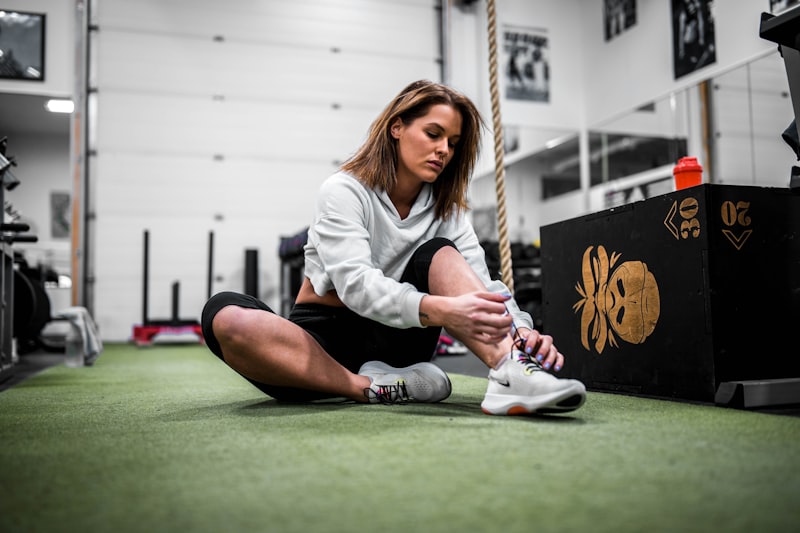
Injury rates among beginners in grappling sports are higher when compared to seasoned athletes. This trend is not only from a lack of skill, but also from the body being unprepared for new movements. Joints, muscles, and connective tissues need time to adapt. Sudden overload is a leading cause of sprains, strains, and joint pain. Veja tambem: Foam Rolling Exercises for Muscle Recovery: Essential Drills for Grapplers.
Another reason is poor technique. Beginners often use excessive force or ignore proper alignment. For example, trying to muscle through submissions or takedowns can strain shoulders or knees. Similarly, improper breakfalls or rolling can lead to common injuries like wrist sprains or minor concussions. Veja tambem: How to Create an Injury Prevention Routine: A Complete Guide for Grapplers.
In addition, insufficient warm-ups and neglecting cool-down routines put the body at risk. Warming up increases blood flow and joint lubrication. Because of this, your muscles are more elastic and ready for action. On the other hand, skipping cool-downs may delay recovery and cause soreness. A study published in the British Journal of Sports Medicine found that a dynamic warm-up reduced soft tissue injuries by up to 40% in contact sports. Veja tambem: Beginner Guide to Active Recovery Days: Smart Mobility for Grapplers.
Because beginners are eager to progress, they might train too much or too often. Overtraining is common and often goes unnoticed until aches or injuries show up. Most experts suggest at least one full rest day per week, plus lighter training after hard sessions. Veja tambem: How to Use Resistance Bands for Injury Prevention: A Grappler’s Guide.
Finally, many new grapplers underestimate the importance of recovery and mobility work. This is why injuries that could have been prevented—such as tweaked knees, pulled groins, or sore backs—are so common in the first year. Therefore, learning what causes injuries can help you avoid them in your own training.
Recognizing Early Signs of Injury
Awareness is key. Beginners should watch for signs like persistent soreness, swelling, sharp pain, or stiffness that lasts more than a couple of days. If you catch these symptoms early, you can act before a minor issue turns into a major layoff. Rest, ice, and gentle movement are usually enough for mild issues, but do not ignore pain that limits your range of motion or daily life.
Essential Warm-Up and Mobility Drills for Injury Prevention

One of the most effective injury prevention tips for beginners is building a solid warm-up and mobility routine. Grappling puts your body in tough positions, twisting and pulling on joints that might not be used to the strain. Warming up and working on mobility every session help your joints and muscles cope.
A good warm-up should last at least 10 minutes. Start with easy movements like jogging, jump rope, or shadow grappling to get your heart rate up. This increases blood flow to the muscles and preps your body for harder work. In addition, dynamic stretches are much better than static stretches before training. For example, arm circles, hip circles, torso twists, and walking lunges warm key areas used in grappling.
Joint mobility drills can prevent many common injuries to wrists, ankles, and shoulders. For wrists, try wrist circles or gentle push-ups from your fists to palms. For shoulders, band pull-aparts or “shoulder dislocates” with a stick work well. Performing deep squats and cossack squats increases hip and knee mobility.
For grapplers, neck strength and flexibility are highly important. Adding simple neck bridges or controlled nods and turns to your warm-up can reduce your risk of strains or nerve pinches. In fact, research in Sports Health shows that regular neck training can drop neck injury rates in contact sports by more than 75%.
Because of the demands of grappling, spend extra time on ankles and toes. Try ankle circles, heel raises, and toe walks. These help you stay safe during takedowns or guard play, where foot twisting is common. In summary, a dynamic warm-up routine can cut your risk of injury, sharpen your movements, and prepare you both physically and mentally for better results on the mat.
Smart Stretching and Flexibility Routines for Grapplers

Stretching is not just for gymnasts—it is a vital injury prevention tip for everyone, especially those new to grappling. Your body faces constant pushes, pulls, and twists during training. Good flexibility lets you move freely, escape tough spots, and recover from bad positions without harm.
There are two main types of stretching: dynamic and static. Dynamic stretches, which you do before practice, involve active movements within your range of motion. This style preps your muscles and joints for work, as discussed in the last section.
Static stretching involves holding a stretch for 20-30 seconds. Do these stretches after class when your muscles are warm. This helps lengthen tight muscles and prevents them from getting stiff between sessions. For example, forward bends target hamstrings and lower back, while seated hip stretches loosen your hips—crucial for guard work and escapes.
On the other hand, overstretching or forcing flexibility too fast can backfire. Always listen to your body and avoid pain. If a stretch hurts, ease up or try an easier position. Aim to stretch all major muscle groups at least 2-3 times per week.
An effective routine for grapplers includes:
- Hip openers: Deep lunge and butterfly stretches
- Hamstring and quad stretches: Standing hamstring stretch and kneeling quad stretch
- Spinal twists: Lying trunk twists, knees side-to-side
- Shoulders and arms: Child’s pose, cross-body arm stretch
According to the American Council on Exercise, regular stretching improves range of motion and reduces the chance of muscle or tendon strain by up to 30% (source). Therefore, stretching must be a key part of your routine.
Consistency is crucial. Adding even 10 minutes of targeted flexibility work after each session can help you avoid the most common grappling injuries. In addition, good flexibility is linked to faster progress and longer athletic careers.
The Role of Recovery and Rest in Injury Prevention
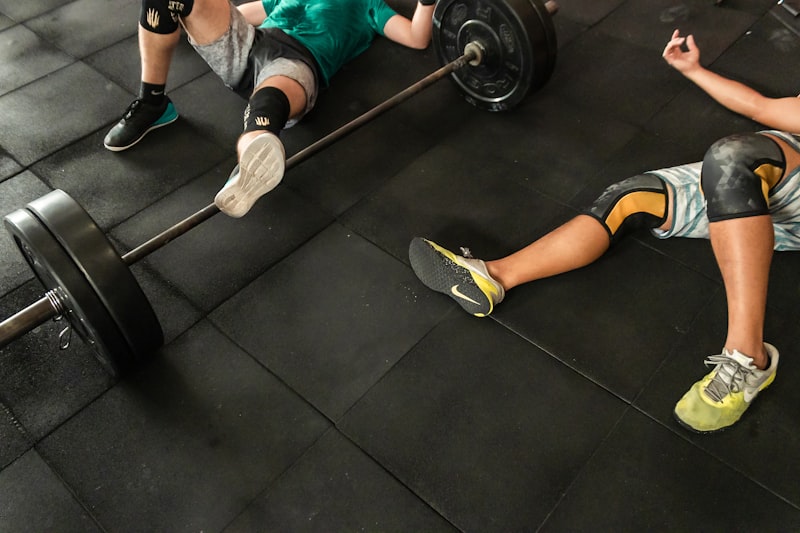
Many beginners overlook recovery, but it is just as important as training. Without enough rest, your body cannot repair itself. This leads to overuse injuries, chronic soreness, and even burnout.
Recovery includes both passive rest and active strategies. Passive rest means taking at least one full day off each week. Do not feel guilty—your muscles, tendons, and nervous system need time to heal. In fact, top coaches agree that skipping rest days often leads to plateau or setbacks.
Active recovery means staying lightly active on days you are not grappling hard. This may include walking, swimming, gentle yoga, or mobility drills. Active recovery reduces stiffness and boosts blood flow, speeding up repair processes. According to the National Academy of Sports Medicine, athletes who practice active recovery routines see up to 20% faster muscle recovery compared to those who rest completely.
Sleep is vital. Most adults need at least 7-8 hours each night for full recovery. Growth hormone, which repairs muscles and tissues, is released while you sleep. Therefore, having regular sleep habits improves both physical and mental performance.
Using self-care tools such as foam rollers, massage balls, or percussive massagers can also reduce soreness and limit overuse injuries. These tools help break up muscle knots and improve circulation. For muscle pain or swelling, apply ice in the first day and switch to gentle heat if needed.
On the other hand, pain that lasts or worsens could be a sign to see a medical expert. Knowing when to push and when to rest will keep your progress steady and safe.
Technique, Safety Gear, and Mindset: A Holistic Approach for Beginners
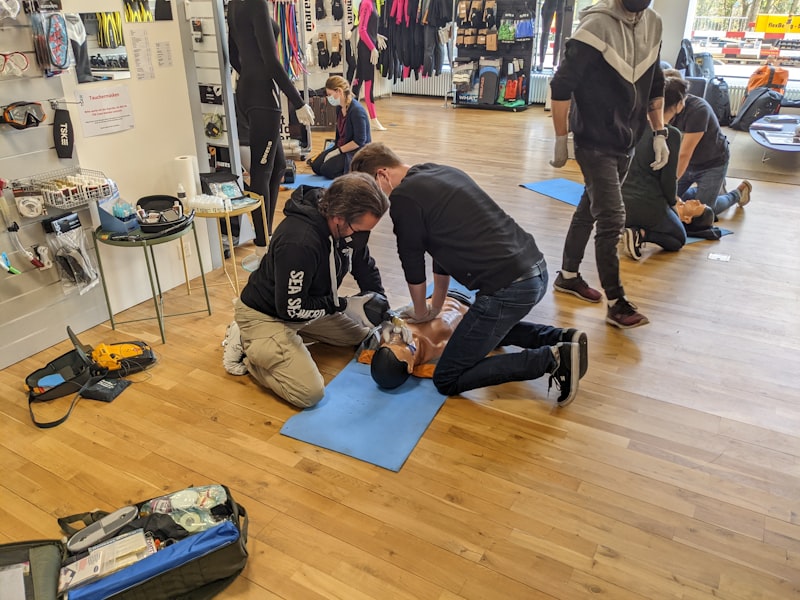
Learning proper technique is the single most crucial part of staying injury-free as a beginner grappler. Good technique lets you use leverage rather than brute force, protecting both you and your training partners from harm.
Take time to master the basics. Drilling slow and with control lets your body build muscle memory. It also teaches you the safe limits of each position. For example, always keep your neck tucked when rolling and tap early to avoid joint injuries. Never apply submissions too hard or fast during training.
The right safety gear helps as well. Always wear a well-fitted mouthguard and, when allowed, soft knee or elbow pads. These simple tools have been shown to lower injury risk, especially during takedowns or scrambles. Clean, well-maintained mats and personal hygiene also help prevent skin infections, which are common in grappling sports.
Mindset matters when learning a new sport. Beginners often feel pressure to show toughness and push through pain. However, this mindset increases risk. Listen to your body and let your coach know if something does not feel right. Tapping early saves you from long breaks later.
In addition, training partners should look out for each other. Do not use strength or speed to escape submissions in drilling. In fact, studies on sports injuries show that overaggressive sparring is a top risk factor for beginners getting hurt (source).
Building these habits from your first sessions creates a foundation for long-term progress with fewer setbacks. Therefore, approach each class as a chance to improve, not prove, and you will stay stronger for longer.
Conclusion

Starting with injury prevention tips for beginners keeps you active and lets you progress in grappling. Build each habit into your regular routine: warm up before training, stretch after, rest when needed, and practice good technique. Use proper equipment and listen to both your body and your coach.
Grappling is demanding, but it also rewards those who train smart and stay healthy. Set yourself up for success by making injury prevention your priority from day one. For more resources and detailed routines, check out trusted sources like the National Academy of Sports Medicine. Remember, your long-term results start with the choices you make today. Work smart, stay safe, and keep rolling.