
If you are wondering what to expect as a BJJ white belt, you are not alone. Many new students step onto the mats unsure of what lies ahead. Starting Brazilian Jiu-Jitsu (BJJ) can seem overwhelming, but being prepared helps you get more from your early classes.
As a white belt, you are joining a vibrant and supportive martial arts community. You will face unique challenges. However, you will also see clear milestones and create lasting connections with teammates. In this guide, you will learn about your first classes, basic etiquette, and how to survive your first rolls. You will also discover practical advice to help you progress faster.
What to Expect as a BJJ White Belt in Your First Classes
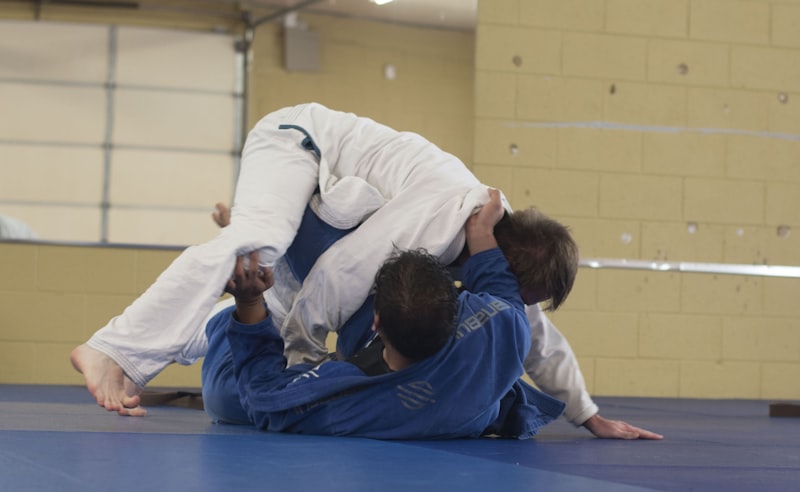
Walking into your first BJJ class, you might feel nervous. In fact, most beginners share the same worries. They worry about being out of place or not knowing the rules. Let’s break down what you will likely experience on your first day and during the first few weeks. Veja tambem: BJJ White Belt Goals and Progression: Essential 2026 Beginner Guide.
Your instructor will introduce themselves and explain the format of the class. Beginners’ classes often start with a light warm-up. Common exercises include shrimping, bridging, and hip escapes. These movements are the building blocks of BJJ. Do not stress if these exercises feel awkward. With time, they will become second nature. Veja tambem: Basic BJJ Moves for New Students: Essential Techniques Explained.
After the warm-up, instructors show basic positions or techniques. For example, you will learn how to maintain closed guard, shrimp to escape side control, or perform a simple hip throw. White belts do not need to know advanced moves. Instead, focus on key concepts: how to move safely, connect your elbows and knees, and avoid giving up your back. Veja tambem: Beginner BJJ Drills for Improvement: Essential Drills to Level Up.
Rolling, or live sparring, is often part of class. As a new student, you may not be expected to roll hard or with the advanced students. Instructors often pair beginners with higher belts who help guide them. You are not there to win. As a white belt, your main goal is survival and understanding what is happening. Expect to tap often and to find yourself in bad positions. This is all part of the learning process.
Dress codes vary by gym. Most BJJ schools require a gi (traditional uniform). Some offer no-gi classes, where rash guards and shorts are standard. Always ask about proper attire ahead of your first session.
Do not forget basic hygiene. Trim your nails, wear clean gear, and bring flip-flops for the locker room. Respecting these points is essential for everyone’s health and comfort.
Navigating the Environment and Meeting Teammates
BJJ is known for its close contact and intense drills. You will train with people of different ages, backgrounds, and sizes. In your first classes, focus on learning names and paying attention to partner instructions. In addition, do not feel shy about asking questions; most people are supportive and happy to help beginners.
Most new students report feeling tired after class, even with simple drills. While this is normal, it will improve as your fitness grows. Drinking water and getting enough rest will help you adjust.
Remember, every black belt started as a white belt. Therefore, most experienced students remember what it felt like and are ready to encourage you.
Learning Basic Etiquette and Class Structure

Etiquette is an essential part of BJJ culture. On your first day, it helps to know important rules and social norms. This will help you fit in and make a good first impression.
First, bow when entering or exiting the mat area. This shows respect for the space and your teammates. Many gyms consider this a sign of commitment and tradition. Next, listen carefully when your instructor speaks. Avoid talking or moving during explanations. This shows you are paying attention and taking your training seriously.
When drilling techniques, go at a controlled pace. It can be tempting to use too much strength when you are unsure of what to do. However, focus on proper mechanics instead. Your partners will appreciate your efforts to stay safe and respectful.
If you are rolling and your partner taps, stop right away. On the other hand, do not hesitate to tap yourself if you feel discomfort or lose control. Safety is the top priority for everyone, and tapping means you recognize a submission and want to avoid injury.
Many classes start and end with students lining up by rank. White belts stand at the end of the line. This tradition helps build a sense of order and progression.
Sharing the mat with others means respecting space. Be aware of your surroundings, especially during sparring. If you bump into another pair, stop and move to a clear area before resuming.
Hygiene, Attitude, and Community
Cleanliness cannot be overemphasized in BJJ. Always arrive in clean uniform, with trimmed nails and no jewelry. In fact, skin infections spread quickly in martial arts settings. Many gyms post hygiene rules on their websites or in the lobby. For more, see the Johns Hopkins Medicine guide to preventing sports-related skin infections.
In addition to physical etiquette, your attitude matters. Stay positive, humble, and open to feedback. Avoid coaching your partners if you are new—listen more than you speak.
Most BJJ academies have a tight-knit community. As you settle in, you may be invited to team events, open mats, or seminars. These are good chances to ask questions, meet other white belts, and watch higher belts in action. Your teammates can be valuable sources of advice and support.
How to Survive and Learn from Rolling

Rolling is often the most challenging part for any white belt. It is live sparring, where you and your partner try to apply techniques against resistance. While this can be intimidating, it is also where you learn the most.
As a beginner, do not worry about winning rounds. Your first goal during rolling is survival—not getting submitted or trapped for the whole round. For example, try to keep your elbows close to your body, avoid turning your back, and protect your head and neck. These habits will help you avoid common mistakes.
When you roll with upper belts, you will find they control the pace and often let you work. Take these rounds as chances to try new positions or escapes. Many experienced students slow down and explain things in the middle of a roll. Listen and learn. On the other hand, when rolling with other white belts, expect chaos and lots of energy. Pace yourself, and do not be afraid to tap.
Expect to lose positions and get submitted often. This is normal at this stage. According to a study published in the Journal of Sports Science and Medicine, beginners in grappling sports lose most live exchanges in the first six months. However, regular attendance and focused practice help white belts improve defensive skills rapidly.
Common Mistakes and How to Fix Them
New white belts often use too much strength and not enough technique. This can lead to quick fatigue or accidental injuries. Instead, focus on small movements, breathe, and look for ways to improve your posture.
Do not fixate on memorizing many submissions. Instead, try to master escapes from bad spots like side control or mount. In addition, ask yourself after each roll: what did I struggle with, and how can I improve next time?
Take notes after each class, even if it is just a few lines. For example, write down a technique you learned and a mistake you made. Reviewing your notes helps build your understanding and keeps you engaged.
Progress and Mindset: Setting the Right Expectations
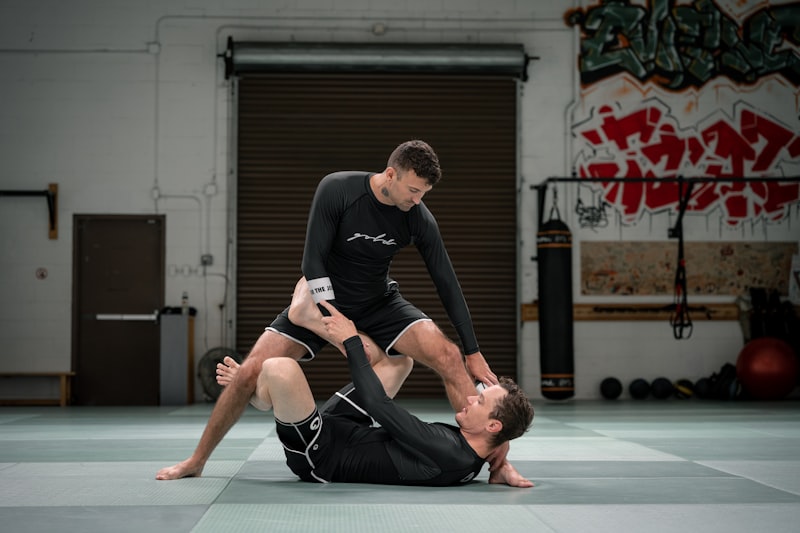
As a white belt, progress can feel slow. Many students expect to move up the ranks quickly. However, it usually takes around 1 to 2 years to earn a blue belt, depending on attendance and effort.
Your first few months are about learning how to move, defend, and understand the basic positions of BJJ. You might spend sessions only escaping side control or trying to hold closed guard. Improvement in grappling is often gradual and sometimes hard to track day to day. For example, you may not notice much progress week to week, but after three months, you will see clear gains in comfort and confidence.
Expect periods of frustration. At some point, you will feel like you are not advancing. This is called the “blue belt blues,” but it can affect white belts too. In fact, maintaining motivation through plateaus is one of the keys to long-term growth in martial arts.
Focus on your own journey—not how quickly others improve. Everyone learns at a different pace. In addition, outside factors like age, athletic background, or injury history can play a big role. According to BJJ Eastern Europe, the average time to blue belt is 1-3 years. Frequent, focused training is more important than trying to rush through belt ranks.
Tips for Staying Motivated and Making Steady Progress
Set small, realistic goals. For example, aim to escape mount without giving up your back, or complete three classes per week for a month. Celebrate small wins, such as holding closed guard longer or landing your first sweep in rolling.
Find a group of peers at your level. Many white belts form groups to study together, drill techniques after class, or talk through problems. This sense of camaraderie can make a huge difference during tough periods.
Stay consistent. Attendance is the best predictor of progress in BJJ. Even if it feels slow, every class you attend builds muscle memory and confidence.
Conclusion
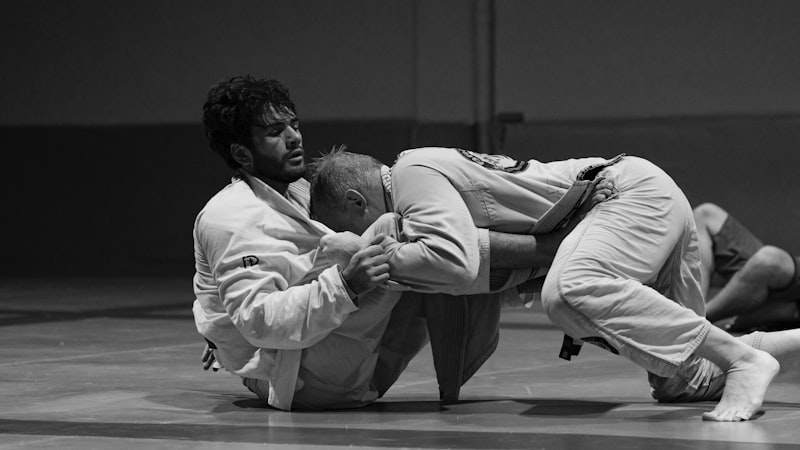
Starting BJJ as a white belt brings new challenges and excitement. Knowing what to expect as a BJJ white belt can help you navigate your first classes, understand basic etiquette, and handle live rolling with confidence. While there will be tough days and awkward moments, each session moves you toward your goals.
Focus on building good habits, respecting your teammates, and staying patient with your progress. Enjoy the journey, and remember that every practitioner starts where you are now. Stay curious, keep training, and connect with your community at every step. If you stick with it, you will see growth both on and off the mats. Ready to step onto the mat? Your journey begins now.