
Knowing how to escape from BJJ mount position is one of the most important skills in Brazilian Jiu-Jitsu (BJJ). In fact, all BJJ practitioners, from beginners to advanced, must develop strong fundamentals to survive and reverse this core situation.
The mount is a dominant pin where your opponent sits on your torso. They use gravity and leverage to control your hips and upper body. Therefore, escaping the mount is crucial for both defense and offense in live sparring or competition.
This article will guide you through the main principles, most effective escapes, and key mistakes to avoid. We’ll also connect these techniques to other essential BJJ positions, so you can build a reliable foundation for your game.
Why the Mount Position is So Hard to Escape in BJJ
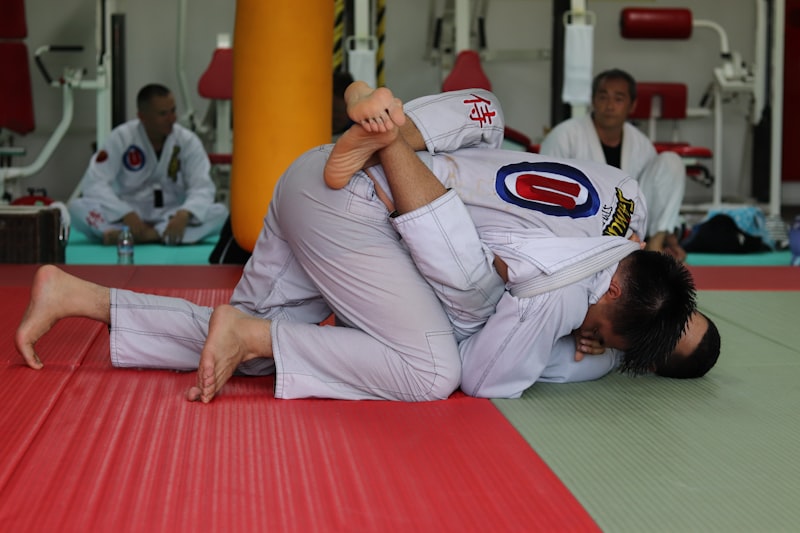
Understanding why the mount is one of the hardest positions to escape from will help you appreciate the principles behind each escape. The mount allows your opponent to control your hips, chest, and even your arms. Because of this, you have limited movement and risk getting submitted from the top. Veja tambem: How to Escape Common Grappling Submissions: Essential Techniques Explained.
In Brazilian Jiu-Jitsu, the mount is considered one of the most dominant pins. According to BJJ Heroes, the mount often leads to high submission rates in competitions. For example, in IBJJF finals, more than 30% of submissions come from the mount. Veja tambem: Best Tips for Maintaining Side Control in BJJ: Secure Your Dominance.
The top player’s knees and feet press against your ribs and hips. They may use their bodyweight to keep you flat, making shrimping (hip escapes) or bridging difficult. In addition, you are exposed to strong attacks, such as cross-collar chokes and armbars. Veja tambem: How to Develop Strong Base in BJJ Fundamentals: Essential Core Movements.
Because of this, escaping requires more than just strength. You need proper timing, leverage, and smart technique. In fact, learning to anticipate your opponent’s actions can help you avoid getting trapped deeper.
Therefore, building a good defensive base and understanding the logic behind each move is the first step. It’s also important to combine your escapes with other movements, such as frames and guard recoveries. Knowing what makes the mount hard to escape helps you focus on the details that matter most in actual rolls. Saiba mais sobre Basic mount escapes for.
Core Principles of Escaping the Mount in Brazilian Jiu-Jitsu
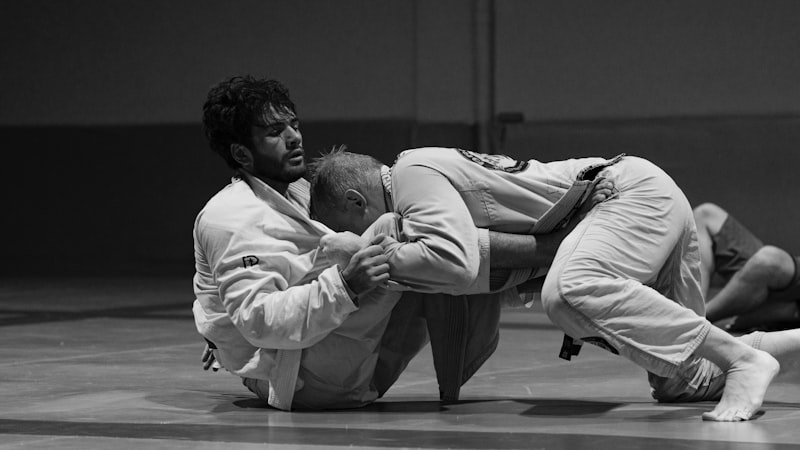
To get out from under the mount, you must understand a few key principles. First, protect your neck and arms at all times. Many submissions happen because beginners expose their wrists or turn their backs too soon. Therefore, always keep your elbows tight to your ribs and hands near your face.
Second, never rely on pure strength. In fact, inexperienced players often try to bench press their opponent off, which almost never works against heavier or skilled opponents. Use your hips, not your arms, to create space.
Third, maintain your composure under pressure. Panicking can lead to quick submissions or even a worse pin (like the technical mount or back-take). Instead, focus on making frames with your forearms and knees so you don’t get flattened.
Another principle is to combine moves. For example, many escapes start as one technique, then switch to another based on how your opponent reacts. This adaptability is why high-level grapplers seem to escape so easily. They are not using one escape—they are chaining two or three techniques together.
Also, always keep your head low and your hips active. If you lift your head too high, you create room for the top player to execute cross-chokes or high mounts. On the other hand, moving your hips side to side can make it harder for your opponent to stabilize.
Because BJJ transitions are fast, you must react before your energy fades. For example, start your escape as soon as your opponent loses balance or adjusts their base for an attack.
In summary, strong fundamentals—good frames, hip movement, composure, and adaptability—are the groundwork for every successful mount escape.
Connecting Escapes to Other Positions
Many mount escapes end with you recovering half guard, closed guard, or even standing up. This is why positional movement is so important in BJJ. For example, learning to connect the Upa escape to a guard recovery will make you much harder to pin long-term.
Most Effective Techniques for Escaping the Mount Position
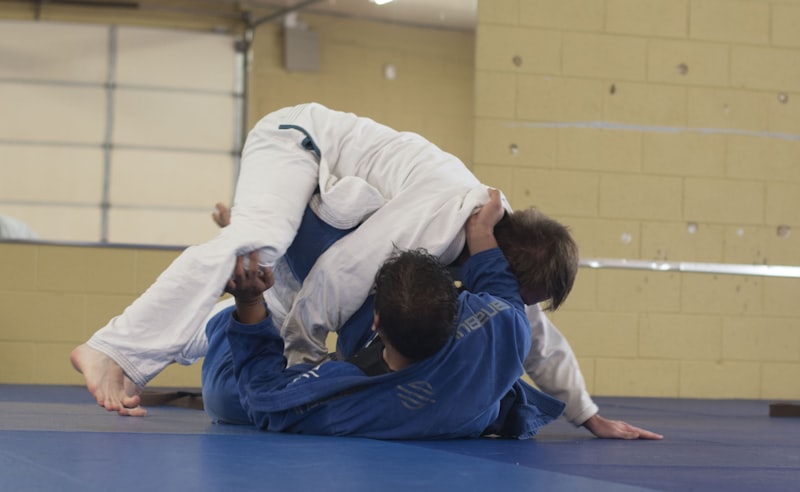
Now let’s break down the two main types of mount escapes: the Upa (bridge escape) and the elbow-knee escape. These are must-learn techniques for every practitioner.
1. The Upa or Bridge and Roll Escape
- Step 1: Trap one of your opponent’s arms by wrapping it with your arm and pinning their foot on the same side with your leg.
- Step 2: Bridge your hips explosively up and towards the trapped side. Use your feet to drive the power upward.
- Step 3: Roll your opponent over by turning onto your shoulder, ending in their guard or top position.
- Step 1: Frame your hands across your opponent’s hips to make space.
- Step 2: Shrimp your hips out to one side by pushing off your feet and scooting your hips away from your opponent.
- Step 3: Slide your knee between your opponent’s leg and your body. Keep framing as you work your knee and shin under their thigh.
- Step 4: Use your knee as a wedge while you continue to shrimp. Recover one leg to half guard or closed guard.
- Start every round in bottom mount: Set a timer for two to three minutes. Try to escape using only the bridge, elbow-knee, or combination of techniques.
- Increase resistance: As you get better, ask your training partners to apply more pressure or attack with real submissions. This creates a realistic training effect.
- Drill fundamentals: Include solo drills, such as bridges and hip escapes, in every warm-up. These movements build strength, flexibility, and explosive power critical for escaping.
- Analyze your failures: If an escape fails during training, ask your partner to explain what stopped you. For example, did you forget to trap an arm, or was your framing too weak?
- Record your rounds: Watching your own rolls can reveal habits and mistakes you miss in real time. Pay attention to hand position, timing, and hip movement.
- Connect escapes to guard recovery: Don’t stop once you are out of mount. Practice immediately sliding into your best guard or side control defense.
The Upa works best when your opponent is sitting upright or leaning forward to attack. However, timing matters—if the top player widens their base, the move may fail. You must trap their arm and foot together or they will post and stop your roll.
2. The Elbow-Knee Escape (Shrimp Escape)
The elbow-knee escape is vital when your opponent’s knees are close to your armpits. It emphasizes making frames and moving your hips, not just pushing. In other words, success depends on proper use of leverage and angles.
Both escapes are fundamental and commonly taught in most BJJ schools. According to Jiu-Jitsu Times, pairing these escapes by reading your partner’s reactions leads to much higher success. For instance, if your bridge fails, immediately switch to an elbow-knee escape.
Because of this, top athletes drill both techniques for hundreds of repetitions. It’s not about speed but precision and chaining your attacks.
Transition Drills for Better Escapes
Add time-based drills to your routine. For example, set a timer for three minutes and rotate between mount escapes until you reach a more neutral position. This builds muscle memory, sharpens reactions, and makes your fundamentals strong under pressure.
Common Mistakes and How to Fix Them in Mount Escapes
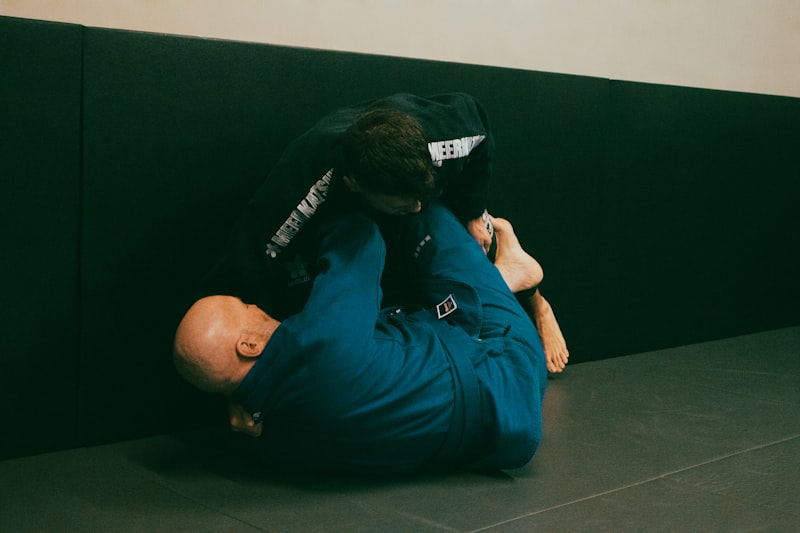
Escaping the mount is as much about what not to do as what to do. First, avoid extending your arms straight up. Doing so gives your opponent a chance to attack with armlocks or high mount transitions.
Second, don’t bridge without trapping an arm and foot. If the top player can post their hand or foot, your escape will almost always be blocked. Therefore, setting up your traps before moving is essential.
Another common error is failing to keep your elbows tight. If your elbows flare, your opponent can move up to a high mount or attack with submissions. In addition, having loose arms can lead to back exposure and quick transitions from mount to back control.
Many beginners also make the mistake of forgetting to use their hips. Instead, they try to push their opponent off with their hands or arms. This burns energy and rarely breaks the mount control of skilled partners. You must use your legs and hips as your main source of power during escapes.
Timing is vital. Starting your escape too late, after your energy has faded or after the opponent sets up a submission, leads to a very low chance of success. As a result, always start your escape the moment your opponent shifts their weight or tries to attack.
Some players forget to connect their escape to a guard recovery. For example, after sliding your knee in during an elbow-knee escape, focus on reguarding before your opponent can reestablish control.
A helpful tip is to ask your training partners to resist at 50-70% intensity as you drill. This shows where your escapes might fail and helps you learn how to adjust mid-movement.
In summary, precise technique, tight defense, and using your hips effectively all help you avoid the most common pitfalls when escaping mount.
How Mount Escapes Lead to Other Fundamental BJJ Positions
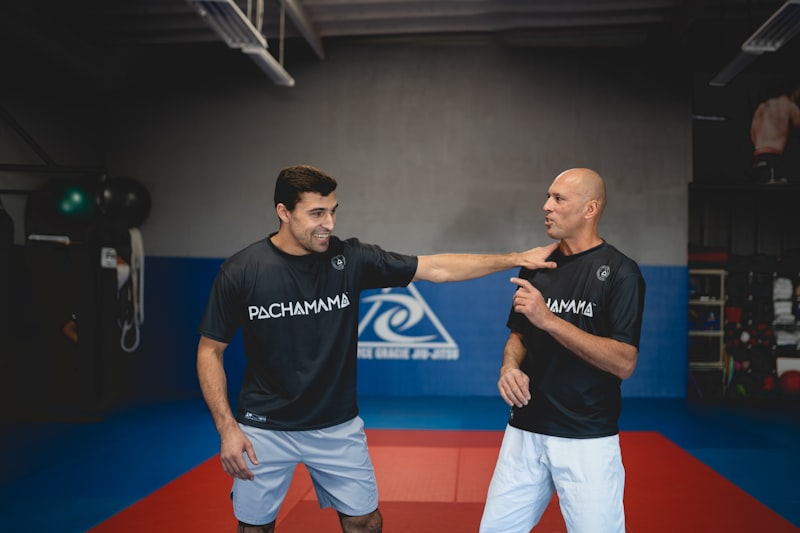
Mastering mount escapes is not just about getting out of danger. In fact, these movements link directly to other cornerstone BJJ positions like guard, half guard, and side control. Understanding these connections improves your overall grappling skills.
When you complete an elbow-knee escape, you often end up in half guard. From here, you can work sweeps, submissions, or further guard recoveries. Many high-level athletes actually prefer half guard as a safe zone, especially if they can establish an underhook or frame.
The bridge and roll (Upa) escape, on the other hand, may land you in your opponent’s closed or open guard. In addition, this momentum often lets you move straight into a strong passing attempt if your partner is slow to react.
Sometimes, an aggressive mount escape will create a scramble. Because of this, being familiar with transitions to side control recovery or turtling up is critical. Both situations can be safer than remaining pinned in mount if you move with control and frame properly.
Successfully escaping the mount boosts your confidence in guard work. It also makes you harder to pin in future rolls. Many advanced practitioners spend entire training sessions connecting mount escapes to guard sweeps, passes, and even submission setups.
It’s important to drill these transitions from mount to guard or side control, not just the escape itself. This way, you’ll be ready for everything when rolling at full speed.
Building a Complete Defensive Game
When you treat BJJ positions like mount and guard as connected, your defense and offense both improve. For example, framing during a mount escape prepares you to recover guard. Shrimping from underneath links directly to your side control escapes.
Try flow-drilling mount escapes into guard sweeps during live drills. In fact, chaining moves together is how world-class athletes make escapes look effortless.
Training Tips for Getting Better at Mount Escapes
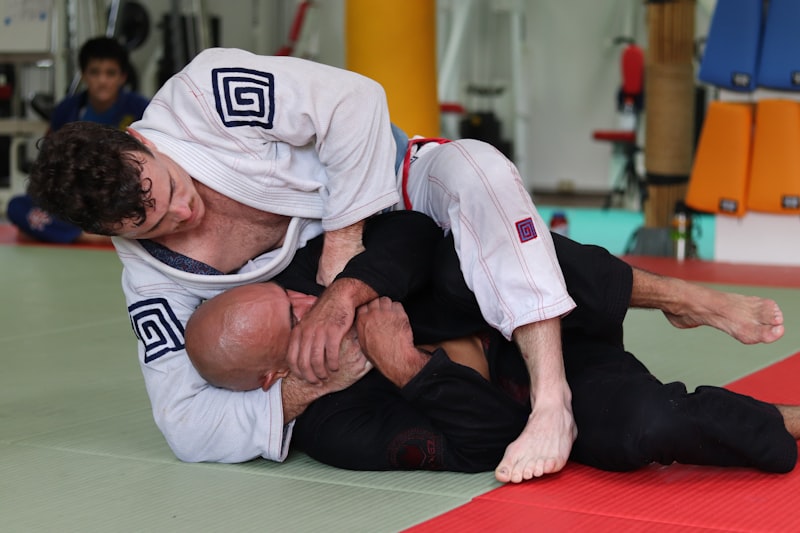
Improving your ability to escape from the mount takes regular, focused practice. One of the best ways to develop these skills is through positional sparring. Here’s how to get started:
A balanced training routine should feature at least 15-20 minutes per week focused only on escapes. In addition, adding these rounds before or after regular sparring sessions can accelerate your learning curve.
Lastly, maintain a growth mindset. Even black belt athletes work on improving their escapes. In fact, many BJJ champions say that defense, not offense, is the real secret weapon at the highest level.
Conclusion
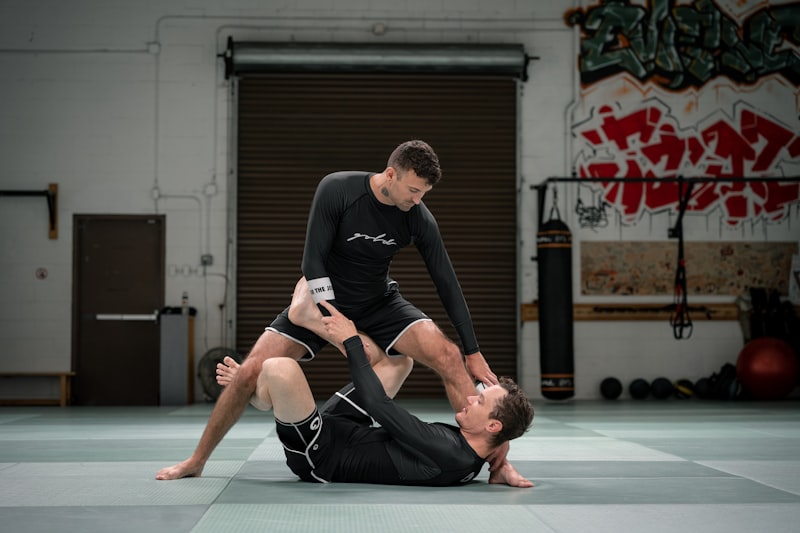
Learning how to escape from BJJ mount position is a must for anyone serious about Jiu-Jitsu. The mount is a dominant, dangerous position. Therefore, understanding frames, hip movement, and timing will turn defense into opportunity.
The best escapes combine strong fundamentals with adaptability. Start with the bridge-and-roll and elbow-knee escapes. Then, connect your escapes to guard recovery and other core BJJ movements.
Regular, focused drilling—especially in live, realistic rounds—will help you improve quickly. And remember: even when you get stuck under mount, every escape attempt makes you better for next time.
Keep training with purpose, focus on your basics, and your mount escapes will become a reliable part of your BJJ foundation. For more on core positions and transitions, check out trusted resources like Gracie Barra’s mount escape guide.
Stay sharp, and continue building your fundamental grappling skills.