
If you want to start training in Brazilian Jiu-Jitsu, these are the beginner BJJ basics you need to know. Starting in this martial art can feel overwhelming. However, learning the right basics early can help you build strong foundations for long-term success.
Brazilian Jiu-Jitsu (BJJ) has grown rapidly worldwide. In 2026, more people are joining classes for fitness and self-defense. Understanding the essential moves and key concepts will help you gain confidence on the mat.
This guide explains the most important beginner concepts, techniques, and drills for BJJ. We will also cover tips to stay motivated and safe while learning. By the end, you will know how to start your journey in Brazilian Jiu-Jitsu with clear steps.
Beginner BJJ Basics You Need to Know: Key Positions and Concepts
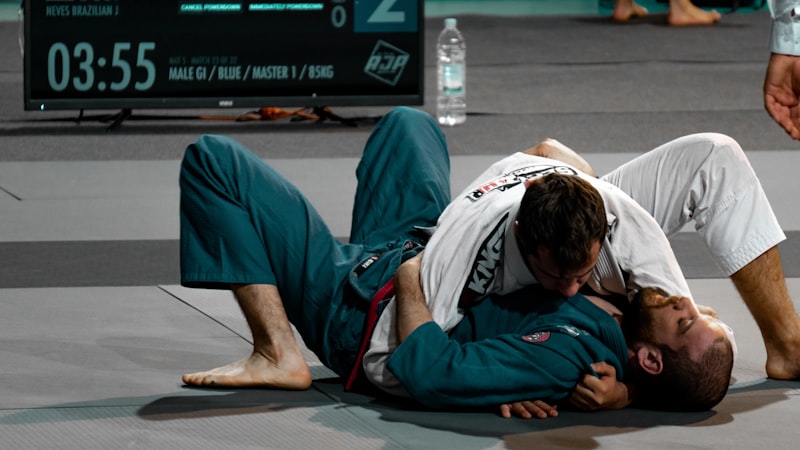
When starting Brazilian Jiu-Jitsu, you must understand the main positions, controls, and goals. These fundamentals provide a framework for all the moves you will learn later. In addition, knowing these concepts will help you learn faster and avoid common mistakes.
First, Brazilian Jiu-Jitsu is about controlling your opponent on the ground. Unlike some martial arts that focus on strikes, BJJ uses grappling and holds to control and submit. As a result, you need to become familiar with the six core positions:
- Guard: One person is on their back, using their legs to control the other.
- Mount: The top person sits astride the bottom person’s torso.
- Side Control: The top person lies across the opponent’s chest.
- Back Control: The top person controls the back with hooks (feet) in.
- Knee on Belly: The person on top places a knee on the other’s midsection.
- Half Guard: One person is on their back, trapping one of the top person’s legs.
- Using too much strength instead of technique
- Ignoring escapes and only focusing on submissions
- Holding the breath during rolling
- Not tapping early when caught in a submission
These positions form the structure of every match and drilling session. For example, pulling guard is a common way to start practicing BJJ from a safe position. On the other hand, learning to escape side control or mount is vital for defense.
In fact, studies and statistics from sources like BJJ Heroes show that new practitioners who focus on learning these positions first progress faster. Because of this, most instructors teach beginners how to move between these core positions, rather than complex submissions or sweeps.
However, there is more than just knowing the position names. You need to understand why each position matters. For example, mount and back control give you more control and a higher chance to finish with a submission. Guard is a key defensive position — it allows you to defend, attack, or recover.
In summary, grasping these BJJ basics will give every beginner a more comfortable and successful start on the mats.
Drilling the Positions: How to Practice
At the beginner level, drilling is the best way to learn these BJJ basics. For example, you can practice “shrimping” to escape side control or moving your hips to improve guard retention.
Drills like the “hip escape” help you get out of bad positions. In addition, switching between mount and side control with a partner improves balance and control.
To make the most progress, repeat these movements slowly. Focus on perfect technique rather than speed. Doing this daily builds strong habits early.
Essential Techniques Every Beginner Should Master
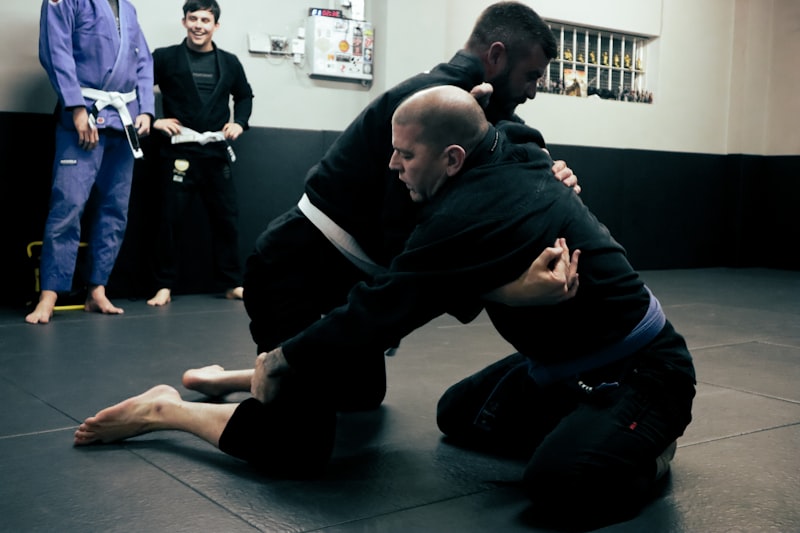
Now that you understand the core positions, let’s look at basic techniques. Most schools teach a core set of beginner moves. These techniques are safe, high percentage, and easy to remember.
First, learn to stand up safely with the “technical stand-up.” This move helps you rise from the ground without exposing your back or head. For example, if you are pushed down, the technical stand-up lets you regain your stance and defend against attacks.
Second, you should learn basic submissions and escapes. Three common ones for beginners are:
1. Triangle Choke: A submission from guard using your legs. 2. Armbar: A joint lock, usually from guard or mount. 3. Rear Naked Choke: A choke from back control.
However, you should also spend plenty of time learning to escape these moves. For instance, practice “bridging” to escape mount or “rolling” to get out of back control. Good escapes build your defense, which is just as important as learning to attack.
In addition, guard retention drills such as “regarding” help you recover your defensive position. In fact, experienced coaches say that new students who focus on defense progress faster and stay safer.
Lastly, practice basic grips and control. Learning to grip the gi (if training gi BJJ) or control wrists and ankles (no-gi) is essential for every technique. It allows you to stabilize your position and start attacks or escapes.
Drilling, Sparring, and Building a Consistent Routine
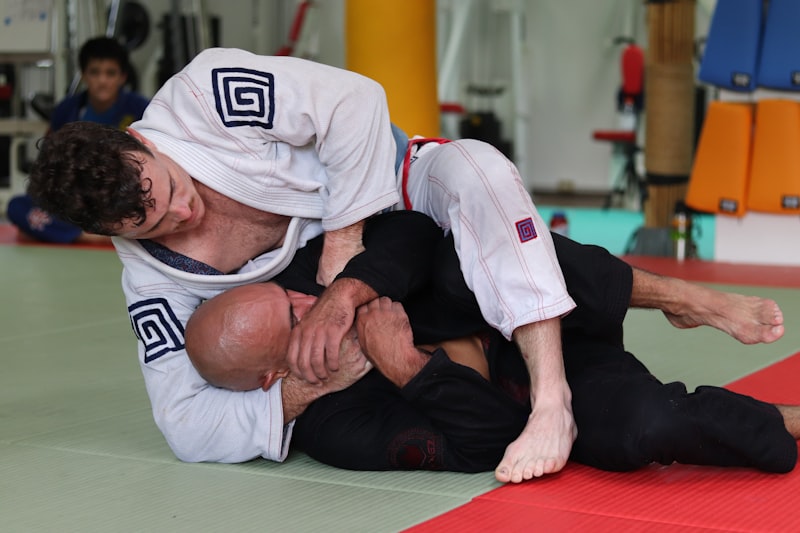
Once you know the main positions and techniques, you need to build good training habits. Therefore, focus on consistent attendance and practice. In 2026, most BJJ schools recommend three core training elements for beginners: drilling, positional sparring, and rolling.
Drilling means repeating a move many times with a partner. For example, drill hip escapes or guard passes until they feel automatic. Drilling builds muscle memory. As a result, you will react faster and smoother in live sparring.
Positional sparring starts both partners in a specific position, such as mount or back control. One person tries to escape, while the other tries to hold or attack. This approach helps you focus on problem areas and quickly improves your skills.
Rolling is live sparring, where you and your partner use all moves freely. Beginners should approach this stage slowly. Start with experienced partners and focus on applying the basics.
In fact, research shows that students who train at least two times per week learn faster and retain knowledge better. (See more at Jiu-Jitsu Times.) Therefore, set a schedule and stick to it for the best results.
Avoiding Common Mistakes as a Beginner
Most beginners make the same errors at first. Being aware of these problems can help you progress faster and stay free from injury. Some frequent mistakes are:
In addition, try not to get discouraged if you feel stuck. Progress is often slow at first. However, consistency and focusing on small wins is the secret to long-term growth.
Finally, respect your training partners. BJJ is based on trust and teamwork, especially in the early months.
The Importance of Safety, Etiquette, and Mindset
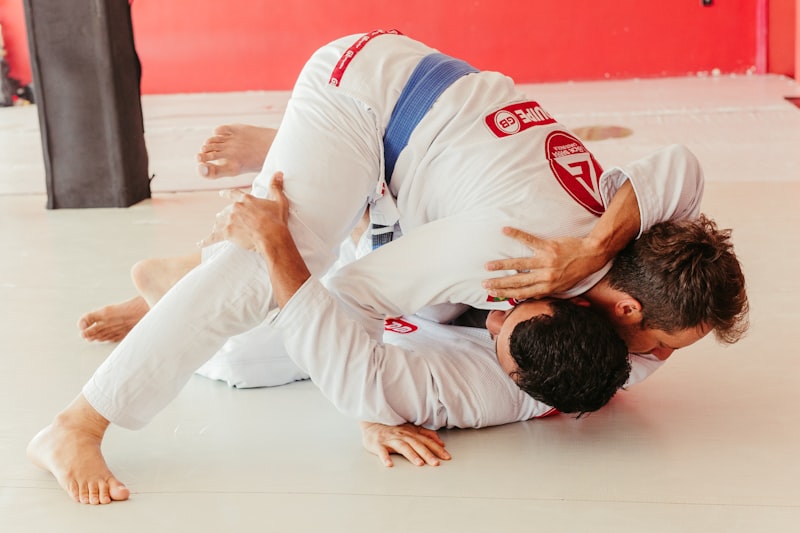
Safety is a top priority in every BJJ gym, especially for beginners. Following a few simple guidelines can help you avoid injuries and build good relationships on the mats.
Tap Early, Tap Often. If you feel any discomfort or pressure during a submission, tap out. This signals your training partner to stop. In addition, always release a submission right away when your partner taps.
Keep Nails Short and Maintain Good Hygiene. Because BJJ is a close-contact sport, trim your nails, tie long hair back, and shower before and after class. Good hygiene reduces the risk of skin infections.
Respect Your Partners and Instructor. Greet your training partners before and after training. Listen to your instructor and follow gym rules. This positive attitude helps build a strong team environment.
Stay Open to Feedback. In fact, new students often learn more from mistakes than successes. Ask questions and accept advice with gratitude.
Develop a Growth Mindset. Remember, everyone was a beginner once. Learning BJJ basics is a journey that takes patience. Instead of comparing yourself to advanced students, set small goals. For example, focus on escaping mount or holding guard for longer.
Safety, etiquette, and mindset are as vital as technical knowledge. As a result, you will build positive relationships and enjoy the journey more.
Setting Goals, Tracking Progress, and Staying Motivated
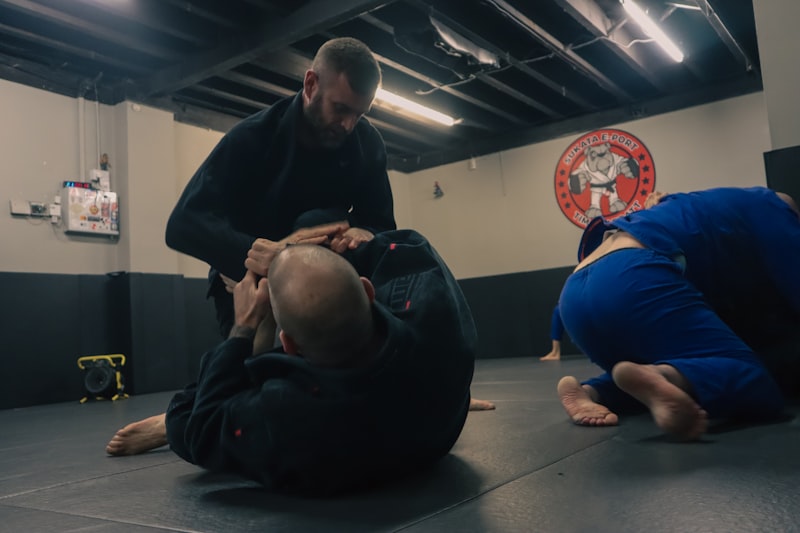
A successful beginner in Brazilian Jiu-Jitsu has clear goals and tracks progress. In 2026, many schools use apps or journals to help students set targets. For example, you can aim to attend 20 classes per month or learn three new escapes in four weeks.
Set both short-term and long-term goals. Short-term goals could be performing a technical stand-up smoothly or surviving two minutes of rolling. Long-term goals might include earning your first stripe or learning to pass guard reliably.
In addition, tracking your progress helps you stay motivated. Write down new moves you learn after each class. Take notes on details for each technique, and review them regularly. As a result, you will build strong recall and faster improvement.
Joining a supportive group or online forum can also help. Sites like BJJ Fanatics offer resources and community advice for beginners. Sharing your achievements and setbacks with others makes the journey less lonely.
If you feel frustrated, remember it is normal to hit plateaus. Most beginners experience periods where improvement slows. However, staying positive and reviewing your progress can help you push through.
Conclusion
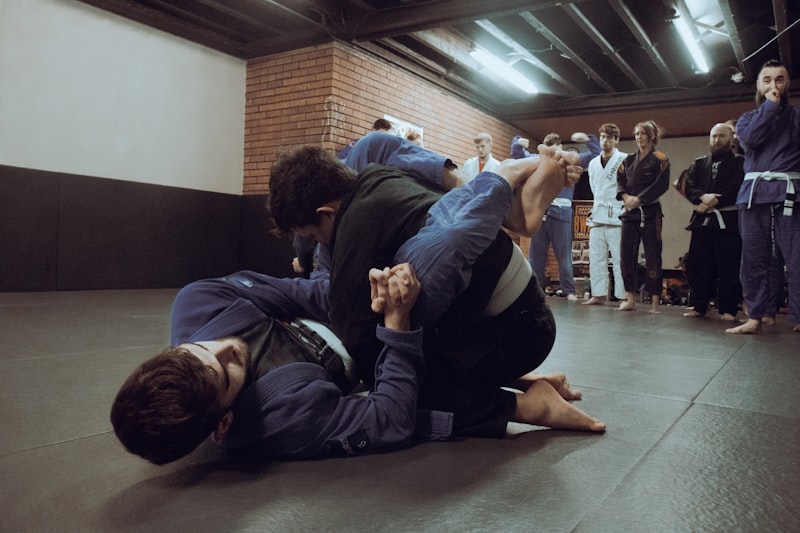
Starting Brazilian Jiu-Jitsu can be challenging, but with these beginner BJJ basics you need to know, you are off to a strong start. Learn the core positions first and drill them regularly. Focus on safety, teamwork, and a positive mindset. Set clear, realistic goals and track your progress as you go.
In summary, every new skill takes time and persistence. However, by following these fundamental steps, you will develop solid foundations for BJJ in 2026 and beyond. Start today and enjoy the journey. If you are ready to begin, find a local gym and sign up for an intro class. Remember, the best time to start is now.
For more beginner-friendly tips and guides on fitness and self-improvement, explore other articles here at ismartfeed.com.