
The best warm up routines for injury prevention are crucial for anyone involved in grappling sports. In fact, a targeted warm up can make the difference between staying healthy all season and suffering from nagging injuries.
Grapplers put intense strain on their muscles, joints, and ligaments. Therefore, smart warm up routines focused on mobility and injury prevention are one of the most important parts of your training. This article will break down what makes a routine effective, which drills to use, and how to fit them into your sessions.
Whether you train Brazilian Jiu-Jitsu, wrestling, or MMA, these principles apply. Let’s break down the science-backed methods that can help you move better, recover faster, and stay out of the doctor’s office.
Why Warm Ups Matter: Science of Injury Prevention for Grapplers
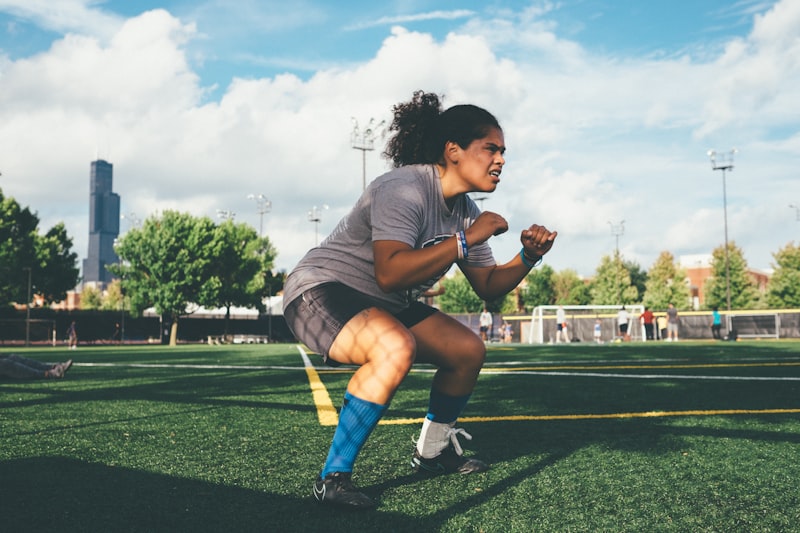
A structured warm up does more than just “get you loose.” According to experts, proper warm ups increase blood flow, raise core temperature, and prepare tendons and joints for stress. For grapplers, who rely on dynamic movement and explosive force, skipping or rushing a warm up can lead directly to problems like pulled muscles or joint sprains. Veja tambem: Nutrition Tips Supporting Injury Prevention: Essential Guidance for Grapplers.
In fact, a recent review published in the British Journal of Sports Medicine found that teams who used structured, sports-specific warm ups saw a 30-50% reduction in lower limb injuries compared to those who did not see the summary here. Similarly, grappling-specific research shows that athletes with regular mobility routines report fewer shoulder and knee problems.
Grappling stresses unique movement patterns. There are rapid transitions from ground to stand-up, unpredictable twists, and constant pushing and pulling. As a result, a good warm up routine needs to target the hips, shoulders, and spine. In addition, your routine should develop both mobility and stability, because both are critical for resisting injury in a chaotic match.
In summary, warming up is not just tradition. Instead, it is a proven method to help your body adapt and reduce common injuries on the mat.
Elements of the Best Warm Up Routines for Injury Prevention
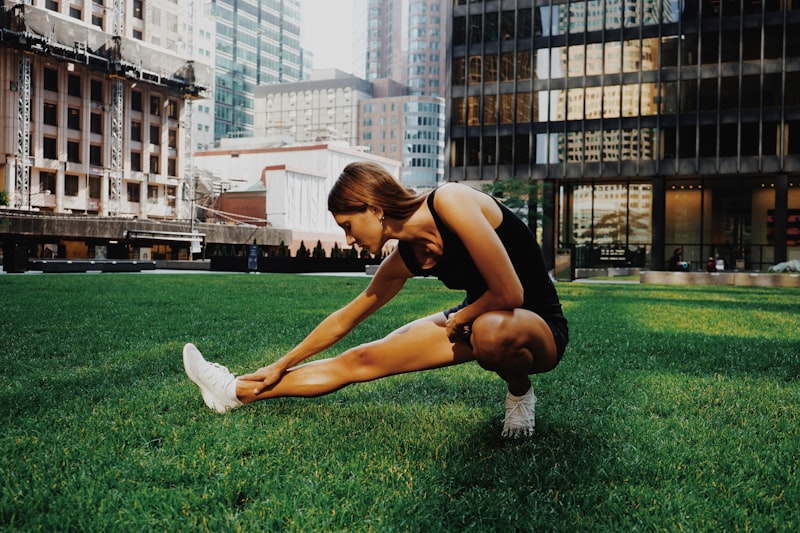
The best warm up routines for injury prevention share several key parts. First, they usually start with general movements to increase your heart rate and body heat. These might include light jogging, skipping, or cycling for 3-5 minutes.
Second, dynamic stretching helps get the joints moving. For example, arm circles, shoulder rolls, hip rotations, and leg swings help prepare your body for rolling and takedowns. Research suggests that dynamic stretching before intense activity increases power and range of motion, while static stretching (holding stretches) is less effective or even counterproductive before grappling.
Third, mobility drills strengthen and activate the stabilizing muscles. For grapplers, drills like the world’s greatest stretch, inchworms, and spinal rolls help unlock stiff joints and protect your back and neck. In addition, adding joint rotations for wrists and ankles can help reduce nagging sprains.
Another key element is activation. Grappling relies on explosive hips and a strong core. Mini-band walks and glute bridges “wake up” the muscles that stabilize your knees and spine. In fact, research in The Journal of Strength and Conditioning Research found that muscle activation before sport improves joint control and reduces risk of ligament injuries (source).
Finally, smart warm up routines end with sport-specific drills, like shrimps, breakfalls, and technical stand-ups. These mimic the movements you use while sparring, so your nervous system is fully prepared as the training gets intense.
Sample Sequence: Grappler’s Full Warm Up
A typical session, in order, could look like this:
- General warm up: light jog or jump rope – 3 minutes
- Dynamic stretching: arm circles, hip openers, leg swings – 5 minutes
- Mobility drills: world’s greatest stretch, cat-cow, deep lunges – 5 minutes
- Activation: glute bridges, band walks, planks – 3 minutes
- Technical movement: shrimps, rolls, stand-ups – 4 minutes
Total time: 20 minutes, but even 10-15 minutes yields major benefits. In addition, consistency matters more than intensity. Make this routine a daily habit for best results.
Mobility Drills for Grapplers: Step by Step with Explanations
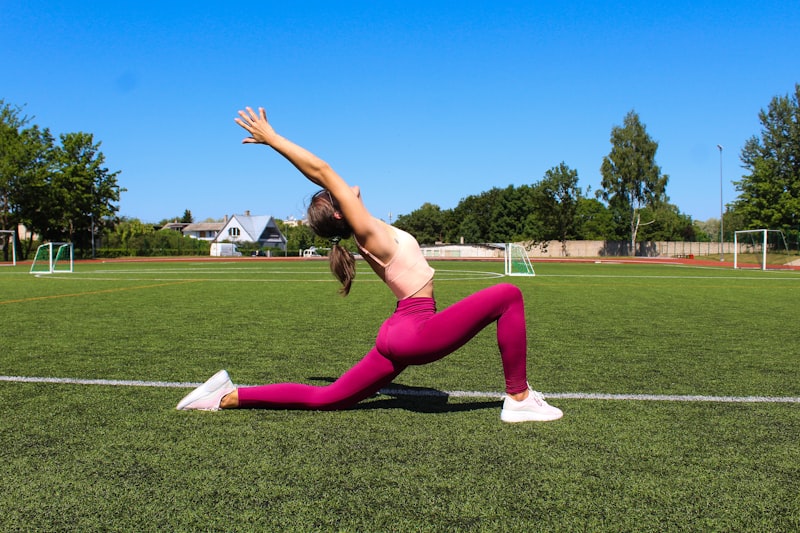
Grapplers should prioritize mobility in the hips, shoulders, and thoracic spine. These joints endure most of the stress during wrestling and submission work. Therefore, when building your routine, include the following evidence-based drills.
Hip Mobility
Tight hips limit guard work and takedown movement. Because of this, try the “world’s greatest stretch.” Step forward into a deep lunge, drop your elbow inside your leading knee, twist gently toward your front leg, and hold briefly. Repeat 5 times on each side.
Another classic: 90/90 hip switches. Sit with one knee bent in front, the other to the side. Switch legs slowly, focusing on hip rotation. This builds dynamic range of motion essential for throws and escapes.
Shoulder and Thoracic Spine
Shoulders are vulnerable to strains and dislocations in grappling. Arm circles (both directions) and band pull-aparts engage the rotator cuff and scapular muscles. Cat-cow and thoracic rotations (on hands and knees, reach one arm under the other) help keep your upper back mobile for bridging and hand fighting.
Ankles and Wrists
Strong, mobile ankles prevent sprains during scrambles. Try ankle circles and controlled toe raises. In addition, wrist circles prepare you for posting and hand fighting, while finger stretches help avoid common tweaks during grip battles.
Spine and Neck Preparation
A stiff or weak neck is a common source of injury. Gentle neck rotations and chin tucks build control. For grapplers, controlled neck bridges or isometric holds (lying on your back, push your head into the mat for five seconds) can add protection, just remember to use perfect form.
These drills target the most stressed areas in grappling. However, always listen to your body. If a movement causes sharp pain, stop and reassess your form.
Activation Techniques That Protect Neck, Back, and Knees

Exciting research continues to show that muscle activation is a key part of injury prevention for grapplers. Activation involves deliberately “waking up” the muscles that stabilize joints before you begin intense training. This approach can help you avoid common grappling injuries like strains to the lower back, knees, and neck.
Why Activation Matters
Activating your glutes, core, and scapular muscles helps distribute tension more evenly. For example, strong glute activation helps keep your knees safe during shooting and sprawling. Mini-band lateral walks, which use a looped resistance band around the thighs, are a reliable drill for firing up the hips.
Core activation is just as important. Planks, dead bugs, and bird-dogs prepare your midsection to absorb impact from being thrown or swept. In fact, a stable core reduces excess strain on the lower back, one of the top injury sites in combat sports.
Neck-specific activation, such as resisted nods and controlled flexion with a towel or mini-band, helps stabilize the cervical spine. This is especially useful for grapplers who shoot for takedowns or defend chokes. However, use caution and avoid overloading the neck or using sudden motion.
Drills for Knee Protection
Knee injuries are common, especially in wrestling and jiu-jitsu. Therefore, incorporate single-leg glute bridges and controlled step-downs to strengthen the stabilizers that protect your knees from twisting. In addition, Bulgarian split squats with slow, controlled tempo further reinforce the muscles involved in grappling stances and scrambles.
In summary, targeted activation can help you start each training session with more stability and less risk. Make it an essential part of every warm up.
Sport-Specific Warm Ups: Bridging, Shrimping, and Technical Drills

General warm ups are a start, but the best routines for injury prevention always include movements that mimic real grappling. Coaches and sports scientists widely agree that “specificity” speeds up your neuromuscular preparation, meaning your muscles and nervous system are ready for the unpredictable demands of live rolling or drilling.
Shrimping and Bridging
The “shrimp” (hip escape) and bridging are classic grappling drills for a reason. Shrimping activates your core and hips, teaches you to move your body safely under pressure, and warms up the lower back. Bridging not only activates the glutes and hamstrings, but also the posterior chain muscles used to escape pins. Perform 10-15 reps of each drill.
Technical Stand-Ups and Rolling
Technical stand-ups, where you come up from the ground safely, warm up your whole kinetic chain. They build coordination and protect against jolting injuries when you scramble from bottom to top.
Rolling drills (gentle somersaults and side rolls) help mobilize the spine and teach body awareness. This improves your ability to recover from awkward positions and reduces the chance of strains when you are swept or thrown.
Grip and Hand Fighting Drills
Hand fighting is a big source of finger and wrist injuries. In addition to wrist stretches, practice technical gripping drills—like “monkey grip” holds or towel pull-aparts—to warm up the small stabilizers in your hands and forearms.
Partner Drills
If you have a partner, light pummeling, collar ties, and entry drills (with 50% speed and force) simulate real sparring intensity without full risk. Always build up gradually before going live. In other words, don’t jump straight into takedown wars without being fully prepared.
Over time, consistent use of these sports-specific movements will harden your body against injury and improve your technical precision.
Conclusion

Staying injury-free is one of the toughest challenges for grapplers in 2026. However, committing to the best warm up routines for injury prevention can make a major difference. Focus on dynamic, targeted routines that build mobility, wake up stabilizers, and mimic the movements you use most in grappling. Remember, a smart warm up is your strongest defense against lost time, nagging pain, and missed progress.
If you want comprehensive support, ask your coach or a sports injury specialist to tailor your routine. In addition, explore further resources like The American College of Sports Medicine’s recommendations for the most up-to-date, evidence-based warm up methods.
Don’t skip the small stuff—your body and your grappling skills will thank you. Start today, and make injury prevention part of every session.