
Learning bjj fundamentals for beginners is the best way to build a solid base in Brazilian Jiu-Jitsu. Whether you want to get fit, compete, or simply try something new, this practice teaches valuable self-defense and discipline.
In this guide, you will find key concepts, important techniques, and tips to stay safe as a beginner. Understanding these basics can make your first classes smoother and more enjoyable. In fact, most people who stick to the fundamentals progress faster and avoid frustration.
Let’s explore the most important things you need to know before starting your jiu-jitsu journey.
Understanding the Core Principles of BJJ for Beginners
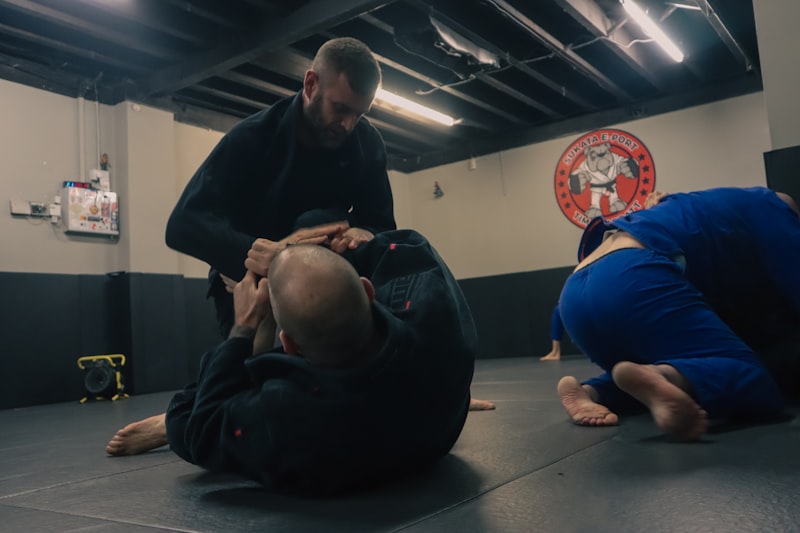
Learning the principles behind Brazilian Jiu-Jitsu helps you progress, not just memorize moves. Brazilian Jiu-Jitsu (BJJ) is a grappling martial art focused on technique over brute strength. This means that a smaller person can defend against or escape a larger opponent by using good techniques and leverage.
First, beginners should know that BJJ centers on three core principles: leverage, positioning, and timing. Leverage lets you use your opponent’s force against them. Proper positioning allows you to control or escape, depending on the situation. Timing, on the other hand, helps you act quickly at the right moment. Veja tambem: BJJ Fundamentals Reddit: Essential Guide to Basics and Top Tips.
In addition, BJJ is known as “the gentle art.” It’s not about hurting others. Instead, the goal is to control the opponent without causing injury. Therefore, you will often see BJJ practitioners focus on escaping, controlling, and submitting opponents using joint locks or chokes. Safety is built into the practice. Veja tambem: BJJ Fundamental Techniques for White Belts: Essential Skills to Succeed.
For example, if an opponent is on top of you, learning to frame with your arms and hips can help you escape instead of trying to push them away using only strength. Studies show that learning core principles early leads to better retention and less injury over time (MedlinePlus).
Another vital principle is the concept of “tapping.” This means letting your partner know you surrender by tapping their body or the mat. Tapping teaches humility and keeps everyone safe during practice. Finally, respect is crucial. Bowing before and after class, listening to your instructor, and treating teammates well all reflect the deeper values of BJJ.
Growth Mindset and Patience
Beginners often want to win every spar. However, experts say that most growth comes from losing and learning. As a result, having patience and a willingness to learn from mistakes sets you up for steady improvement, both on and off the mats.
Essential Techniques All Beginners Should Learn
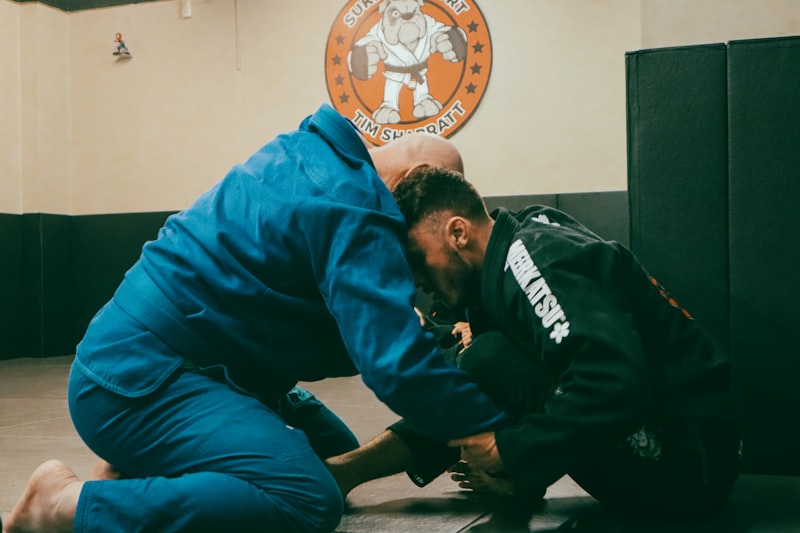
When you start BJJ, you will quickly notice that basics matter more than flashy moves. Every school may use a different order, but most will cover these essential techniques for those new to Brazilian Jiu-Jitsu:
First, mastering basic positions is key. These include:
- Closed Guard: You are on your back, legs wrapped around your opponent.
- Mount: You sit on top of your opponent’s chest.
- Side Control: You lay across your opponent’s body, chest-to-chest, controlling them from the side.
- Back Control: You control your opponent from behind, often trying for a choke holds.
- Rear Naked Choke: Applying pressure to the opponent’s neck from their back.
- Armbar: Hyperextending the elbow using your hips.
- Triangle Choke: Using your legs to choke your opponent from guard.
These positions allow you to switch between attack and defense as needed.
Second, you will learn transitions. This means moving smoothly from one position to another, like escaping from mount to half-guard or moving from guard to the back.
Next, submissions and escapes form the core of BJJ. Early submissions for beginners generally include:
Along with these, it’s important to learn how to defend and escape. For example, practicing the upa escape from mount or the shrimp escape from side control.
In addition, drills like shrimping, bridging, and technical stand-ups help with movement and coordination. These drills may look simple, but they build muscle memory and body awareness, crucial for more advanced moves later.
Many schools also emphasize positional sparring. This means starting from a specific position and trying to escape or submit. By repeating these scenarios, your brain learns what to do in real rolling sessions.
Finally, most instructors recommend drilling each move slowly, then adding speed as you gain confidence. According to a 2026 survey of BJJ schools, students who focus on drilling the basics succeed more than those who jump into advanced techniques.
Safety, Hygiene, and Etiquette for New BJJ Students
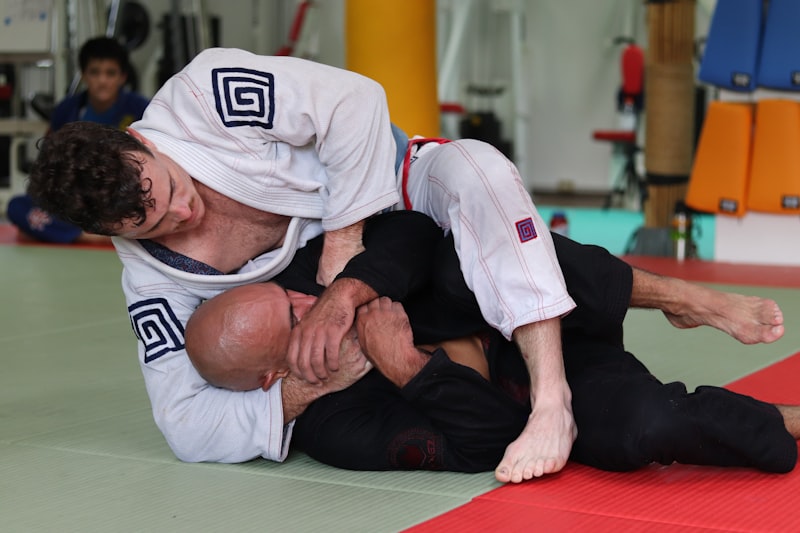
Safety and hygiene play a huge role in BJJ, especially for beginners. Because you are in close contact with others, keeping yourself and your training partners safe is important.
Start by cutting your nails and washing your gi (uniform) after every class. This small step prevents scratches and infections. In fact, skin infections are among the most common health risks in grappling sports. The Centers for Disease Control and Prevention (CDC) recommend regular washing and not sharing equipment to lower risk (CDC guide on MRSA).
Next, always warm up before class. Warming up reduces the risk of injuries. Common warm-ups include running, hip escapes, shrimping, and stretching. Most instructors require a proper warm-up before the main lesson.
Another important point is to listen when your instructor speaks. If you do not understand a drill, ask for help. Clear communication ensures everyone is on the same page. This way, you can avoid injuries due to misunderstandings.
Always tap early when caught in a submission. Do not be afraid or embarrassed. Tapping means you respect your body and your partner. In addition, if you feel tired or dizzy, take a break and notify your instructor.
Etiquette is also vital. Bow when you step onto the mats. Greet your partners. Leave your shoes off the mat to keep them clean. Respect the facility and your teammates.
Finally, if you’re sick or have a skin rash, do not attend class. This protects your partners. In summary, following these basic rules helps build a safe and friendly environment for everyone.
Progression, Belt System, and Setting Realistic Expectations
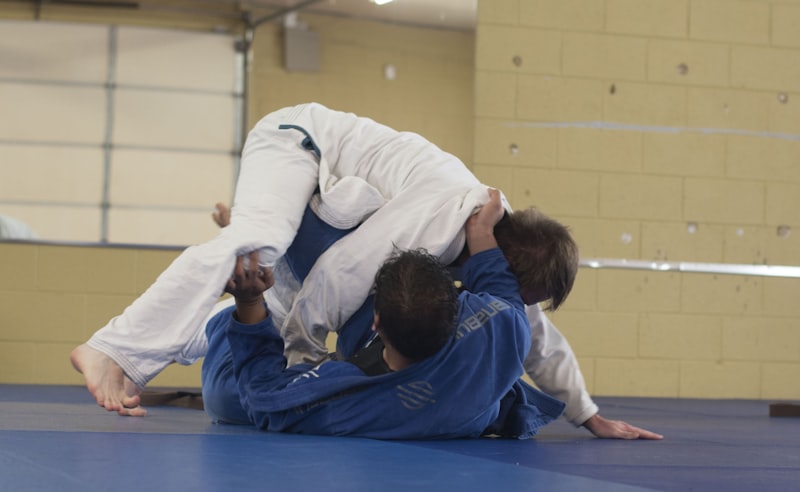
Brazilian Jiu-Jitsu uses a colored belt system to mark progress. For adults, these are white, blue, purple, brown, and black. Each belt represents new skills, experience, and understanding. However, promotion depends on your school’s rules.
Most people begin as white belts. Getting to blue belt can take one to two years of steady training. Instructors watch how you use fundamental techniques, escape, and control positions. Sometimes, students earn stripes on their belts as small progress markers before the next belt.
It is important to set realistic expectations. BJJ is a complex system with thousands of techniques and details. Some days will feel tough, especially when rolling with more advanced students. However, regular practice leads to improvement, even if it feels slow.
For example, attending two to three classes per week can result in steady progress. According to surveys, the average student who trains consistently for 18 months gains enough skills to feel comfortable during sparring.
Tracking your progress helps. Keep a journal with notes after class. Write down which moves worked and what needs more practice. In fact, many top students review their notes regularly to build better habits.
Competitions are optional but can offer additional learning opportunities. Beginners do not need to compete. However, some students like to test themselves in a safe, supportive environment.
In addition, ask questions during and after class. Most instructors are glad to help new students. The BJJ community prides itself on sharing knowledge. Therefore, you will find support as you learn.
Ultimately, the path to improvement is personal. Some people advance quickly. Others need more time. The most important thing is to keep showing up and learning.
Training Smart: Tips, Tools, and Technology for Beginners
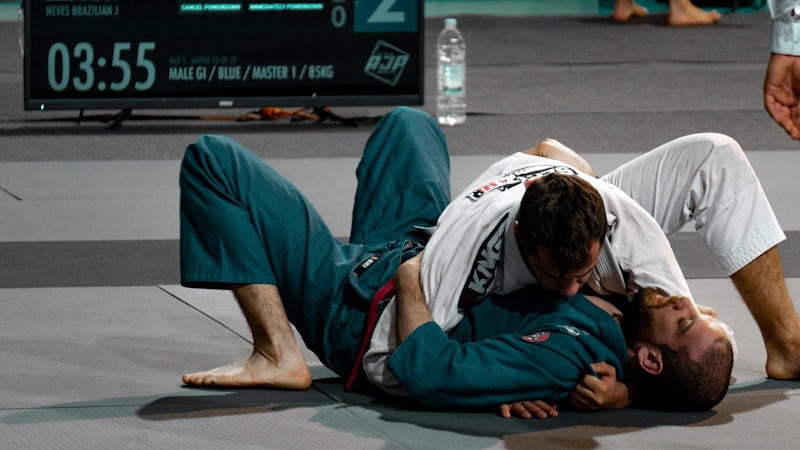
Staying smart about your learning gives you an edge as a new BJJ student. Therefore, using helpful resources and tools outside the gym can boost your progress.
First, video tutorials are a popular way to review class techniques. Many reputable instructors post free or paid content online. For example, platforms like YouTube or specialized websites have step-by-step breakdowns. However, always cross-check videos with your instructor to avoid bad habits.
Journaling your training is another helpful tip. Write down new techniques, mistakes, and tips you remember from class. Reviewing these notes reinforces your memory. In summary, this habit helps you see patterns and track your growth over weeks and months.
Additionally, fitness apps can help track strength, flexibility, and cardio. Improved fitness leads to better performance on the mats. Simple cardio, stretching, or strength routines at home give you extra stamina and resilience.
Wearables, such as smartwatches, can monitor your heart rate during class. This data keeps you aware of your cardiovascular improvement over time. In fact, some devices offer coaching or reminders for rest and hydration.
Join online beginner forums or local social groups. Ask simple questions or read about other students’ experiences. Many BJJ beginners find encouragement by sharing their stories with others who have started recently.
Protective equipment is also important. Beginners should invest in a mouthguard, rash guard, and perhaps knee pads. These items provide extra comfort and safety, especially during sparring or drills.
Finally, remember the importance of rest and recovery. Top-level athletes stress sleep, hydration, and balanced nutrition. Following these habits can lower injury risk and keep you motivated.
All these approaches help you learn efficiently and make your early days in BJJ positive. Smart training combines effort on the mat with intelligent choices off the mat.
Conclusion

Learning bjj fundamentals for beginners is about more than just moves. In fact, it’s about building good habits, understanding the principles, and showing respect. Start with the basics, focus on safety and hygiene, and always keep an open mind.
Remember to be patient with your progress. Ask questions, take notes, and train whenever possible. The skills you gain in Brazilian Jiu-Jitsu will stay with you both on and off the mats.
Are you ready to start your BJJ journey? Find a local school, sign up for your first class, and take that exciting first step. Jiu-Jitsu is waiting for you!